Understanding Ryokan
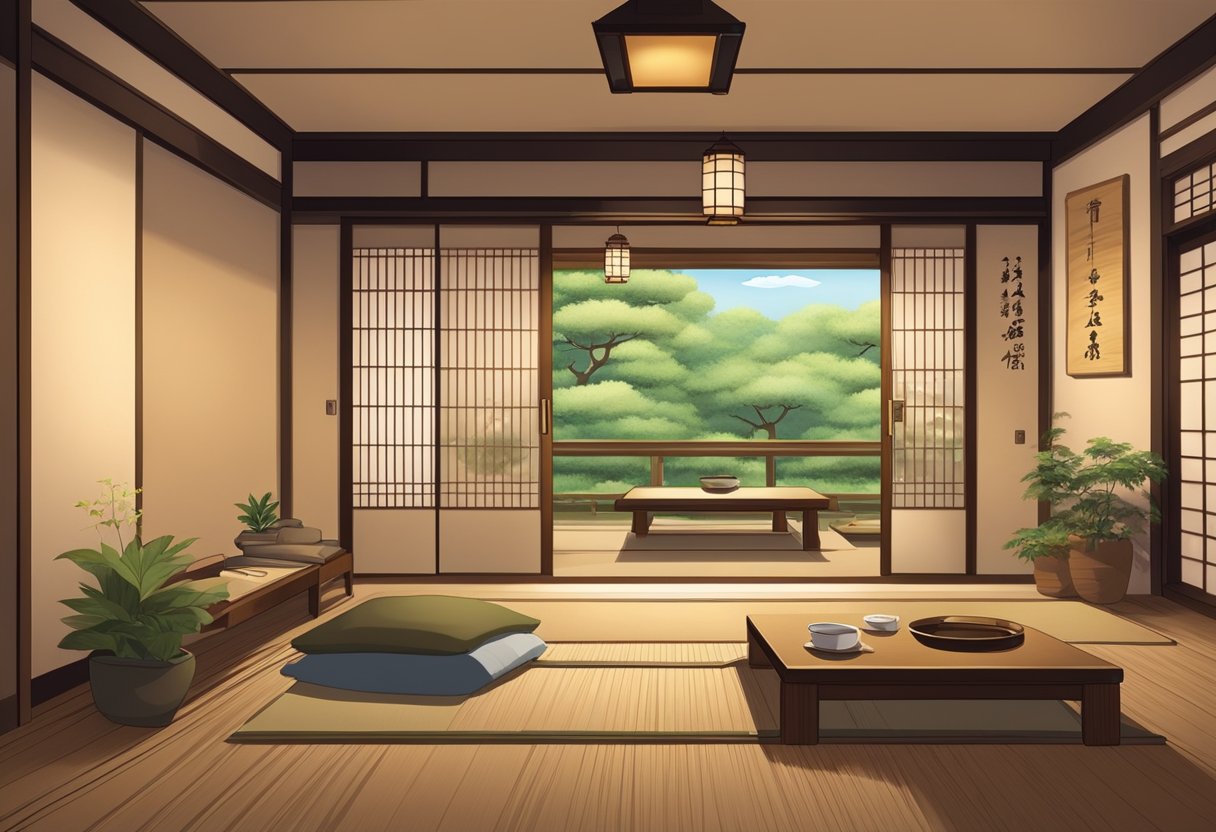
Forget stuffy lobbies and sterile rooms on your trip to Japan. Ryokans, Japan’s traditional inns, offer a portal to a bygone era, where you can tranquily immerse yourself in this country’s culture.
Let’s uncover the fascinating history that birthed these havens, delve into the architectural elements that set them apart from modern hotels, and discover the unique charm that makes ryokans a world away from their Western counterparts.
History of Ryokan
Ryokan in Japan has a rich history dating back to the Edo period. Originally, they were rest stops for weary travelers. As traditional Japanese inns, they were and remain an integral part of Japan’s culture.
- 1600s to 1800s: Start as lodging for travelers on highways
- Cultural Significance: Preservation of Japanese customs and practices
Traditional Ryokan Architecture
When you visit Japan and stay in a Ryokan, you will notice that its architecture reflects the Japanese aesthetic, emphasizing nature, simplicity, and tranquility.
Don’t be shocked. It’s typical to find rooms with rush straw flooring and sliding shoji screens. The minimalist decor often features natural wood and paper elements, creating a serene atmosphere distinct from Western lodgings.
- Tatami Mats: Rush straw floor coverings
- Shoji Screens: Sliding doors made from wood and paper
Japanese Ryokan vs Western Hotels
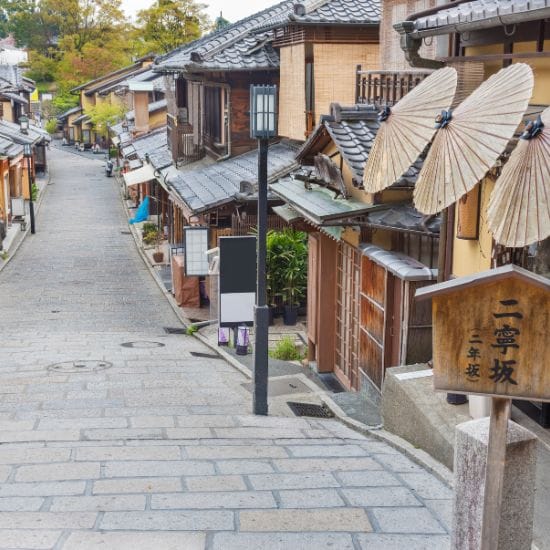
If you are going to Kyoto and want a culturally immersive Japanese experience, then a Ryokan stay is a must. It offers an experience markedly different from Western hotels. Where Western hotels may prioritize modern conveniences, a ryokan focuses on traditional hospitality.
This means sleeping on the floor using futons, using the onsen for communal bathing, and often, enjoying multi-course meals in-room or within designated dining areas.
- Lodging Style: Shikibuton on the floor vs. raised beds
- Dining: In-room or communal dining featuring Japanese cuisine
Ryokan Accommodations

Booking a ryokan for accommodations is not simply finding a place to stay. Staying in one offers a blend of tradition and comfort, featuring various room types, traditional shikibuton, and thoughtful amenities to enhance the experience.
Types of Rooms
- Tatami Rooms: Traditional Japanese rooms with rush straw mat flooring.
- Yukata Rooms: Rooms equipped with yukata robes for guests. They provide one per person.
- View Rooms: Some rooms offer scenic views, such as that of Mt. Fuji.
Each type of room in a ryokan provides a unique experience. Tatami Rooms are the most common, offering a sense of history with straw mat floors. Yukata Rooms provide lightweight cotton robes for guests to wear. View Rooms are sought after for their picturesque scenes right from the window.
Futons and Accessories
- Futon Mattress: A foldable mattress laid out on the rush straw mats.
- Shoji Screens: Doors and windows of paper and wood, allowing gentle light.
- Accessories: Soft pillows and warm blankets complement the bed.
I remember my trip to Kyoto, where I stayed for two nights in a Ryokan. When I entered my room, it was like traveling back in time. Each night, a comfortable shikibuton was neatly laid out on the floor. Shoji screens help create a tranquil sleeping environment, and the pillows and blankets gave me a cozy night’s sleep.
In-Room Provisions
- Tea Set: Enjoy a cup of green tea with a full tea set provided in the room.
- Toiletries: Complimentary toiletries typical of a Japanese warm welcome.
- Wi-Fi: Many ryokans have adapted to modern needs by offering Wi-Fi access.
I find the tea set an ideal way to unwind after a day of exploring. Essential toiletries are usually provided in my room, eliminating my need to pack them. Wi-Fi access, despite the traditional setting, keeps me connected when necessary.
Amenities and Services

In my experience, ryokans provide distinct facilities and services that emphasize relaxation and cultural immersion. You can expect to find natural hot springs on-site and experience unmatched hospitality that showcases the Japanese tradition of “omotenashi”.
Onsen (Hot Spring Baths)
I’ve found that an onsen, or hot spring bath, is a cornerstone of the ryokan experience. Ryokan with private onsen allows guests to unwind in natural, geothermally heated waters. These baths are relaxing and said to have health benefits due to their mineral content.
- Indoor Onsen: Usually quiet and serene, with waters that may help soothe muscles and calm the mind.
- Outdoor Onsen (Rotenburo): Offers a chance to bathe in a natural setting, often with scenic views which might include mountains or gardens.
Hospitality and Omotenashi
When it comes to ryokan hospitality, my visits have consistently revealed what the Japanese call “omotenashi”. This term translates to a deep level of warm welcomethat anticipates guests’ needs without being asked.
- Check-in: I am greeted warmly and often provided with a welcome drink and a comfortable place to rest.
- Service: Staff are attentive and helpful, providing assistance with luggage, room preparation, and meal service.
- Cultural Activities: Many ryokans may host tea ceremonies, calligraphy lessons, or kimono fittings to enrich the guest experience.
Ryokan staff are known for their discreet presence, ensuring that my stay is comfortable without being intrusive.
Cultural Experience
Experiencing Japanese culture in a ryokan is enriching due to the seasonal activities, traditional entertainment, and opportunities to explore local areas.
Seasonal Activities
In ryokans, I’ve noticed that seasonal activities add to the charm of the stay.
Spring often features cherry blossom viewing, known as “hanami”. During Summer, I might indulge in festivals like “tanabata”, and in Fall, admiring the changing leaves or “koyo” is a common pastime.
In the Winter, ryokans provide a cozy base for snow activities and “onsen”, or hot springs, to warm up in the cold.
Traditional Entertainment
Ryokans often host traditional entertainment, which I find to be an authentic cultural treat. Activities may include:
- Tea ceremonies: A ritualistic preparation of matcha tea.
- Ikebana: The intricate art of flower arranging.
- Calligraphy: Sessions to learn beautiful Japanese writing.
These activities are designed to give me a glimpse into Japan’s rich artistic heritage.
Local Exploration
I’m always encouraged to explore the local area while staying at a ryokan. Nearby, there might be:
- Temples and shrines: Often within walking distance.
- Traditional markets: Where I can find local crafts and food.
- Nature trails: Linking me directly with the rural landscape.
Interacting with the local community and environment gives me a deeper understanding of the area.
Comfort Factors

In ryokans, comfort is deeply influenced by the private and serene atmosphere, the layout of the rooms, and the connection with nature.
Privacy and Tranquility
I’ve found that this type of accommodation prioritizes privacy.
Guest rooms are often separated, providing a quiet and personal space. Most ryokans feature sliding doors and walls that may not entirely block all noise, but the general expectation is to maintain a hushed tone to ensure peacefulness for all guests.
Room Size and Layout
The room size in ryokans can vary, but they often feel spacious due to their minimalist design.
The layout typically includes rush straw mat flooring, futon that is rolled out at night, and a low table in the seating area. This simplicity contributes to a relaxing atmosphere, allowing me to unwind comfortably.
Natural Surroundings
A ryokan’s location is usually selected for its scenic beauty. I’ve noticed large windows or verandas in many ryokans, offering views of the gardens or natural landscapes, which enhance the overall sense of comfort through a connection with the outdoors. It really is a spa!
Considerations for Western Travelers

I know traveling to Japan and experiencing a ryokan for the first time can be quite different from what Western travelers are used to. There are customs to learn, practical matters to consider, and language to navigate. Here’s what I recommend keeping in mind.
Familiarity with Ryokan Customs
When I step into a ryokan, I am immersed in a traditional Japanese environment. I leave my shoes at the entrance and switch into slippers. Sleeping arrangements consist of futons laid out on tatami floors. In ryokans, they use a thin mattress and a fluffy duvet.
- Dining: Meals are served either in-room or in designated dining areas.
- Bathing: It’s customary to bathe in the onsen, a communal hot spring bath, before dinner.
- Attire: I wear yukata, a casual robe, provided by the ryokan during my stay.
Accessibility and Convenience
The facilities in a ryokan may not align with what I’m accustomed to. Some ryokans are not equipped with elevators, and almost all have shared restrooms. It’s important for me to check for private baths or en-suite toilets if that’s a priority.
Location also plays a crucial role:
- Ryokans in hot spring resort areas may be more remote.
- Transportation options should be considered to ensure I can reach the ryokan without hassle.
Language Barriers
Communicating in English can be a challenge within a ryokan. Not all staff members may be fluent. To minimize potential misunderstandings, I often:
- Use simple phrases and gestures.
- Learn basic Japanese hospitality phrases.
- Utilize translation apps when needed.
By considering these aspects, I find that I can significantly enhance my comfort and enjoyment of ryokan lodgings.
Frequently Asked Questions

Ryokans offers a unique experience that is different from what you might find in typical Western-style hotels. In these FAQs, I will help you understand what to expect regarding comfort, facilities, and cultural norms at a ryokan.
What should one expect when staying at a ryokan in terms of comfort?
When I stay at a ryokan, I find the ambiance to be serene and the settings usually reflect traditional Japanese architecture and design. The floors are covered with tatami mats, and futon is laid out on the floor. Some may worry about the comfort level, but I assure you it’s designed for relaxation and often provides a surprisingly supportive sleep surface.
How do ryokan accommodations compare to Western-style hotels?
In contrast with Western-style hotels, ryokans emphasize simplicity and tranquility. The rooms are usually minimalistic, without the plush furniture you might expect in a hotel. However, this simplicity adds to the charm, and the focus is on providing a peaceful setting where I can unwind.
What are the typical amenities provided in a ryokan?
A ryokan often includes public baths or onsens, yukata robes to wear during the stay, and a set of slippers. Rooms also have en-suite bathrooms with small wooden tubs. Meals are another highlight, frequently included in the stay and served in-room or in a communal dining area. The food is traditional, and the presentation always impresses me with its beauty.
Can guests with back problems find ryokan bedding comfortable?
As someone who has paid attention to this concern, I’ve noticed that most ryokans are very accommodating. If I have back problems, I can often request additional padding or even a Western-style bed, if available. It’s always best to communicate any physical needs ahead of time.
What are the cultural etiquettes to be aware of when staying at a ryokan?
Cultural etiquette is an integral part of the ryokan experience. For instance, removing shoes before entering, changing into slippers, and wearing the provided yukata are expected practices. Meal times and onsen use also come with their own sets of etiquette, such as washing before entering the bath.
Are there any tips for choosing a comfortable ryokan for first-time visitors?
For first-time visitors, I recommend looking for a ryokan that suits personal comfort preferences. Check for amenities like private baths if public onsens are outside of one’s comfort zone. Reading reviews can also be helpful to gauge the level of service and comfort provided. It’s also wise to consider location for a more immersive experience.