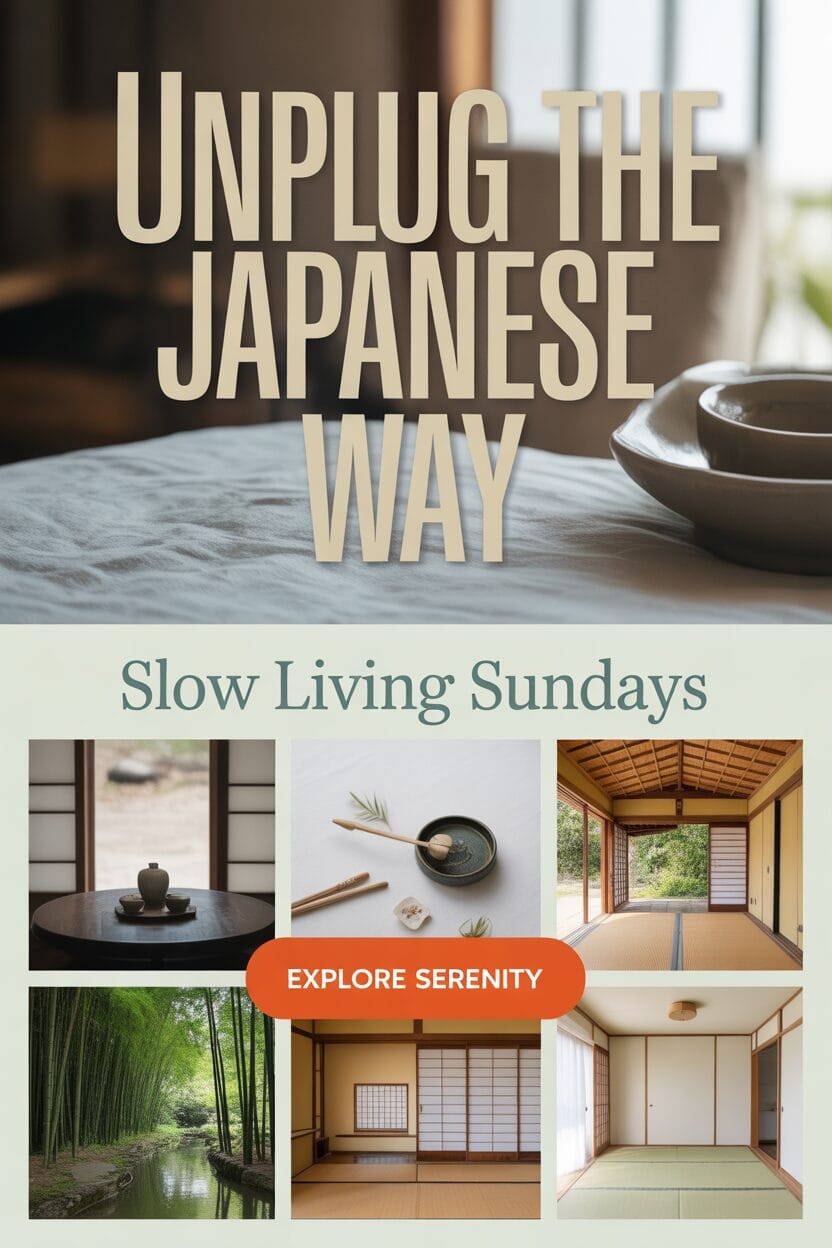
Tucked between neon lights and ancient temples, Japan often surprises visitors not with its noise, but with its quiet.
In bustling cities like Tokyo and Kyoto, there’s a noticeable hush — on trains, in streets, even in crowded cafes. It’s not silence, but a gentle murmur that feels… intentional.
Here’s a gentle dive into why Japan feels so calm to the ears, and the cultural roots behind its quiet soundscape 🌸
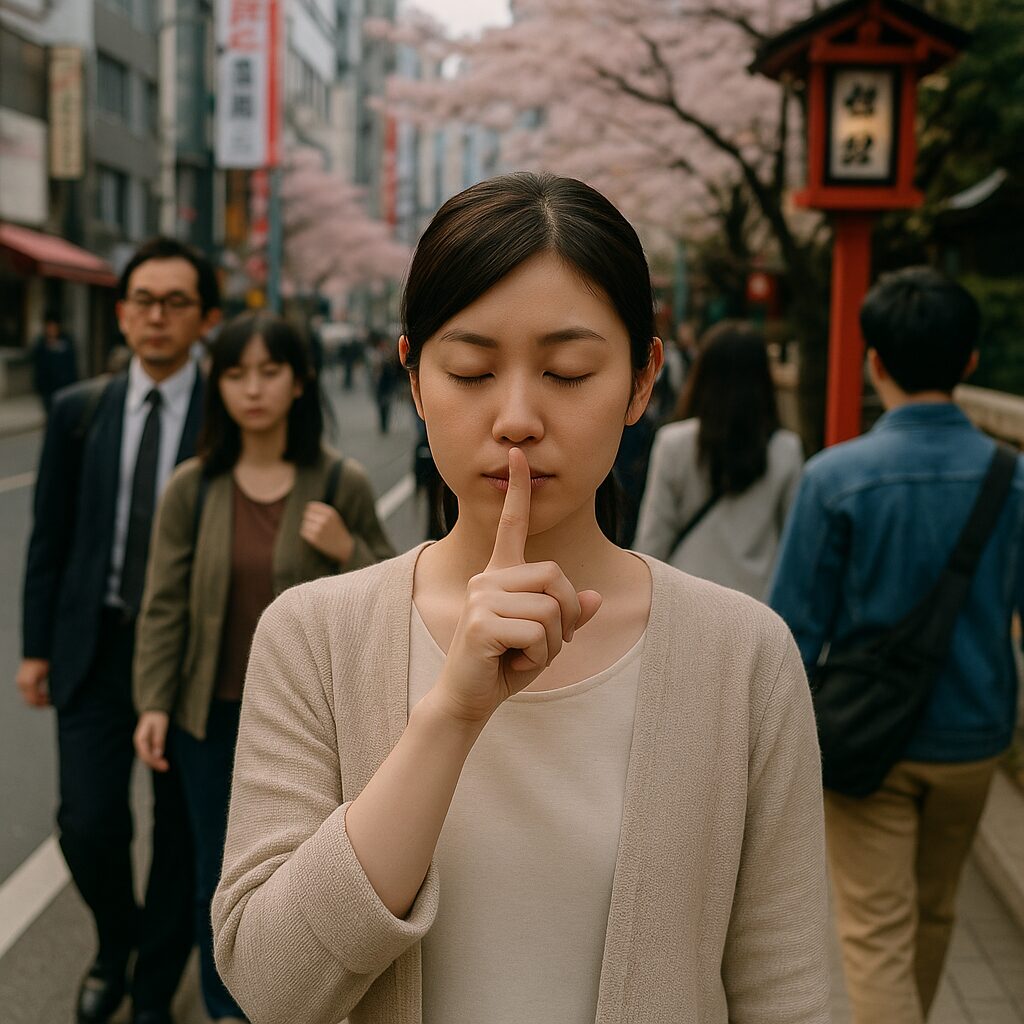
🤫 1. The Value of Social Harmony (Wa)
At the heart of Japanese culture is wa — the idea of harmony and peaceful coexistence.
Being loud or drawing attention can feel like you’re disturbing the balance. Quietness, then, becomes a form of respect.
Takeaway: In Japan, silence is often more polite than speech. It’s a way of saying: “I’m aware of others, and I don’t want to disturb them.”
🚆 2. Trains Are Whisper Zones
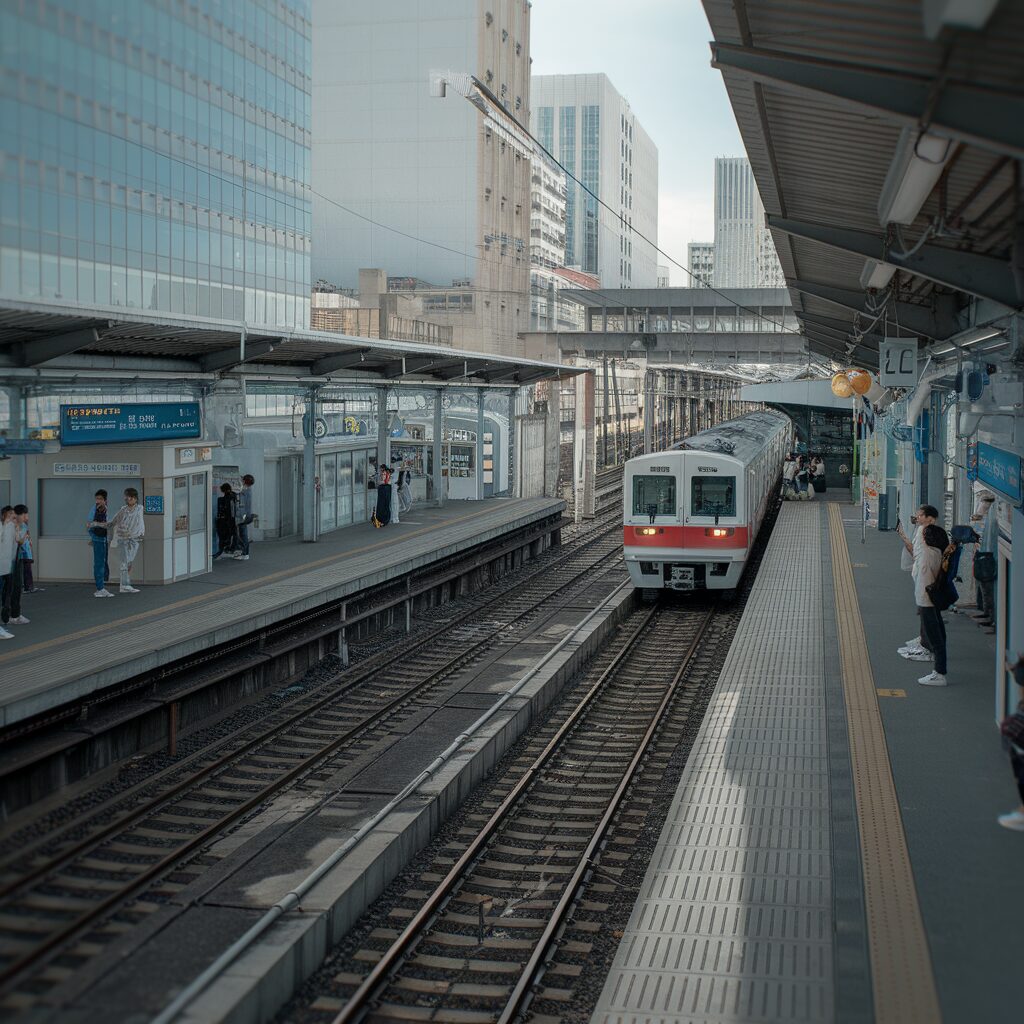
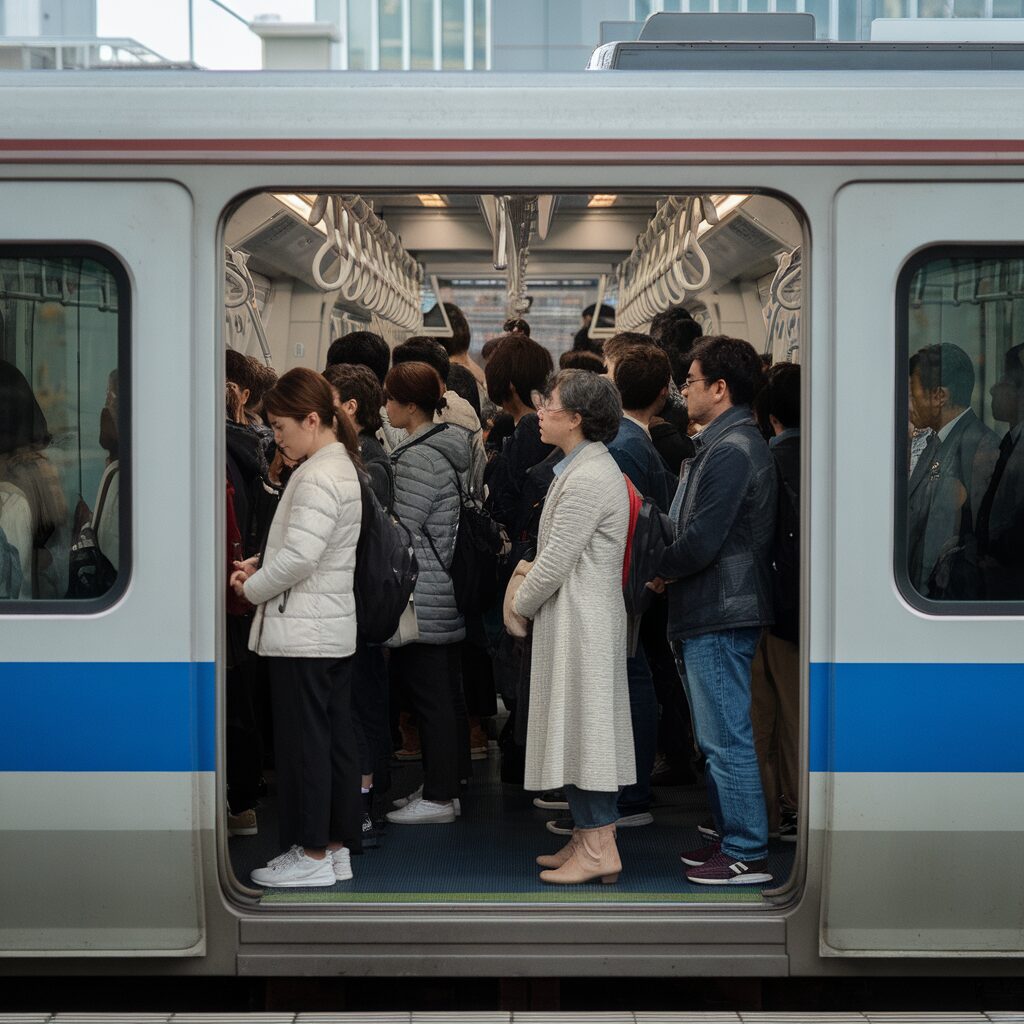
Ride any train in Japan and you’ll notice it’s whisper-quiet. Phone calls are frowned upon, and announcements are calm and minimal.
Why? Because commuting time is seen as personal time. People nap, read, or decompress. Loud chatter is seen as intrusive.
Try this mindset shift: Think of shared public space as a kind of library — peaceful by design.
🏙️ 3. Dense Cities, Thoughtful Sound
Japan’s urban spaces are compact. Thin walls, close neighbors, and limited space have shaped a culture of quiet consideration.
Even apartment flooring is often designed to reduce sound.
Example: Instead of vacuuming at night, many people clean in the morning. It’s all about being mindful of who’s on the other side of the wall.
🙊 4. Emotions are Often Subtle
In Japan, expressing emotions through big gestures or loud reactions isn’t the norm.
Joy, frustration, or excitement are often shown with quiet cues — a nod, a smile, a soft “ehhh?”
Takeaway: Stillness can speak volumes. It’s not repression, but a different rhythm of expression.
⛩️ 5. Nature’s Sounds Take the Lead
From temple gardens to countryside inns, you’ll notice something beautiful: the sound of nature.
Cicadas in summer. Rain on bamboo. Wind through pines.
In Japan, quiet lets nature’s voice be heard — something deeply tied to Shinto and Zen philosophies.
Mindset shift: Quiet isn’t empty. It lets the subtle things come alive.
🧘 6. Silence is Comfort, Not Awkward
In many Western cultures, silence can feel uncomfortable — a gap that must be filled.
In Japan, silence is often comfortable. A shared pause. A respectful space between words.
Practice tip: Next time you’re with someone, try sitting in silence without rushing to fill it. You might notice a different kind of connection.
📵 7. Tech Etiquette Reinforces It
Even phones and gadgets are quiet in Japan.
Most people keep their phones on silent (or “manner mode”), and even camera clicks are softened on Japanese models.
You’ll rarely hear notification pings or loud music in public — it’s another layer of the “don’t disturb” ethic.
🌌 A Quiet Culture with Depth
Japan’s quiet isn’t just about rules — it’s an atmosphere, a collective care for the shared world.
It doesn’t mean people aren’t joyful or expressive. It just flows differently — softer, slower, and with deep respect.
Whether you’re walking a temple path or riding a subway, take a moment to listen.
The stillness is speaking.