Chichibu Overview
Chichibu in Saitama Prefecture is known for its historical shrines and stunning natural scenery. This makes it a wonderful place to visit for history buffs and nature lovers alike.
Historical Significance
Chichibu holds important historical landmarks that reveal much about Japan’s cultural past. One of the main attractions is the Chichibu Shrine. It dates back over 1,000 years and showcases intricate wood carvings and colorful artwork.
Another key site is the Chichibu 34 Kannon Sanctuary, a pilgrimage route featuring 34 temples. Each temple has unique features and offers a tranquil atmosphere. This route provides insight into traditional Buddhist practices.
Besides religious sites, Chichibu is famous for the Night Festival in December. The festival includes parades of beautiful floats and attracts large crowds every year. It’s one of Japan’s top three float festivals, highlighting Chichibu’s rich cultural heritage.
Geographical Landscape
Chichibu is surrounded by breathtaking nature. The city is nestled among mountains, making it ideal for hiking and exploring. Nakatsu Gorge offers scenic views with a 10 km-long river valley, perfect for a day hike.
Another notable natural site is the Nagatoro Valley. This valley spans about 6 km and features rock formations and a flowing river, great for rafting or a relaxed boat ride.
Suiguramermaid Temple, near the Chichibu Kegon Falls, is also a must-visit. The falls are accessible by a short walk, offering a peaceful escape into nature. The lush, verdant environment around the temple further enhances the experience.
In Chichibu, natural beauty and historical significance come together, making it a unique destination for any traveler.
Natural Attractions

In Chichibu, nature is everywhere. You’ll find stunning parks, majestic mountains, and picturesque rivers that are perfect for outdoor activities.
Chichibu-Tama-Kai National Park
Chichibu-Tama-Kai National Park is a massive area with over 1,200 square kilometers of land. It offers various activities like hiking, bird watching, and camping. The park features numerous trails that lead you through lush forests.
There are also magical waterfalls and pristine rivers. Wildlife, including bears and deer, can often be spotted. Mitsumine Shrine, nestled within the park, stands 1,100 meters above sea level. The shrine’s grounds, sometimes covered in mist, add a mystical feel to your visit. The combination of natural beauty and cultural spots makes it a must-see.
Mount Buko
Mount Buko is a popular spot for hiking enthusiasts. Its limestone peak stands at 1,304 meters. The trails vary from easy walks to challenging climbs, offering something for everyone. The view from the top is breathtaking, with sweeping vistas of the Chichibu Basin and surrounding mountains.
In spring, cherry blossoms add vibrant colors to the lower slopes. Autumn brings a kaleidoscope of reds, oranges, and yellows. The mountain’s rich history, previously being a limestone quarry, adds a unique dimension. If you’re into outdoor adventures and scenic beauty, Mount Buko is an excellent destination.
Nagatoro River
Nagatoro River is famous for its picturesque landscape, especially the Iwadatami rocks. These flat rocks spread across the river, resembling traditional tatami mats. They create a unique natural feature that’s both striking and serene. You can enjoy activities like boating, rafting, and fishing.
Early summer turns the area into a lush green paradise, while autumn dresses it in fiery reds. The river’s gentle flow makes it ideal for a relaxing escape. Whether you’re looking to unwind or seek adventure, Nagatoro River offers a bit of both in a stunning setting.
Cultural Sites

In Chichibu, cultural sites offer a deep dive into traditional Japanese culture. From Shinto shrines to festivals, each place provides a unique experience.
Chichibu Shrine
Chichibu Shrine is one of the oldest and most significant shrines in the area. Its notable features include intricate wood carvings of dragons and tigers. These carvings represent protection and power.
Visitors often come here to pray for safety, health, and prosperity. The shrine also hosts several annual events, attracting many tourists and locals alike.
Opening Hours: Daily from 9:00 AM to 5:00 PM.
Entry Fee: Free, but donations are welcome.
The Chichibu Pilgrimage
The Chichibu Pilgrimage is a revered journey for many Buddhists. It consists of 34 sacred temples, each with its own unique history and architecture. Pilgrims visit these temples to seek blessings and spiritual growth.
A complete pilgrimage can take several days, and participants often wear traditional white clothing. Some opt to walk, while others may use public transport for part of the journey.
Starting Point: Shimpukuji Temple.
Highlights: Zozan Temple, with its beautiful cherry blossom trees in spring.
Chichibu Night Festival
The Chichibu Night Festival, or Chichibu Yomatsuri, is held every December 2-3. It’s famous for its stunning fireworks, elaborate floats, and traditional music. This festival has been celebrated for over 300 years and is a significant cultural event in Chichibu.
The floats are spectacular, decorated with carved wood and tapestries. At night, they are illuminated, creating a mesmerizing sight. Attendees can also enjoy local food stalls and various performances.
Best Time to Arrive: Early evening, to get a good viewing spot.
Special Tip: Dress warmly, as it can get very cold during the festival.
Seasonal Highlights
In Chichibu, each season brings unique and captivating experiences. From colorful flowers in spring to vibrant autumn leaves and enchanting winter illuminations, there’s always something special to see.
Shibazakura Festival
The Shibazakura Festival in Chichibu is a must-see event during spring. Held at Hitsujiyama Park, the festival showcases over 400,000 moss phlox flowers spread across a vast hillside. The sight of pink, white, and purple blooms is breathtaking.
Visitors can walk along the paths to enjoy various views of the colorful landscape. There are also food stalls and souvenir shops, making it a pleasant outing.
Spring is the perfect time to visit Chichibu for the beautiful Shibazakura Festival.
Autumn Leaves Viewing
Chichibu is known for its stunning autumn leaves. One of the best spots to see this beauty is Nagatoro. The leaves turn vibrant shades of red, orange, and yellow, creating a picturesque scene along the Nagatoro Gorge.
I recommend taking a riverboat tour to fully appreciate the colorful foliage. The calm water reflects the leaves, adding to the magical atmosphere.
Another great place for autumn leaves is Mt. Hodo. Hike the trails for sweeping views of the colorful landscape below.
Winter Illuminations
Winter in Chichibu brings enchanting illuminations. Seibu Amusement Park hosts one of the most popular light shows, with millions of LED lights. The park transforms into a winter wonderland, featuring illuminated tunnels, sculptures, and themed displays.
Another notable attraction is the Misotsuchi Icicles. This natural ice formation is beautifully lit, creating a fairy-tale-like scene. I find the illuminated icicles especially stunning at night.
Winter in Chichibu is truly magical with all these spectacular illuminations.
Recreational Activities
Chichibu offers exciting outdoor adventures, combining natural beauty with thrilling activities. Whether you’re into water sports or hiking, there’s something here for everyone.
Whitewater Rafting
I found that Nagatoro Valley is perfect for whitewater rafting. The river’s rapids offer a mix of challenging and easier sections, making it great for both beginners and seasoned rafters. Local guides provide equipment and safety instructions, ensuring a fun and secure experience.
The best time to go rafting is between spring and autumn. The water flow is just right, and the green and red leaves along the riverbanks make for stunning scenery. Remember to book in advance, especially during peak seasons.
Hiking Trails
For hiking enthusiasts, Chichibu has incredible trails. Mitsumine Shrine is accessible via a scenic hike through the lush forest. This trail presents moderate difficulty, suitable for most hikers. Once you reach the shrine, the panoramic views are breathtaking.
Another favorite of mine is the path to Nakatsu Valley. The trail is especially beautiful in autumn when the leaves turn vibrant red. Hiking these trails not only offers a physical challenge but also spiritual and visual rewards with Chichibu’s natural splendor.
Local Cuisine
Chichibu’s local cuisine offers visitors a delightful blend of traditional Japanese flavors with unique local twists.
Soba Noodles
Soba noodles in Chichibu are a must-try. These buckwheat noodles are known for their rich, nutty flavor.
In Chichibu, they make soba using locally grown buckwheat. This ensures freshness and a distinct taste. When prepared, soba can be served either hot in a savory broth or cold with a dipping sauce.
Owariya is one famous spot for soba in Chichibu. This restaurant prides itself on handmade noodles. Another popular dish is tempura soba, where crispy tempura veggies and shrimp accompany the noodles.
Trying soba here offers a chance to enjoy a meal that’s both simple and packed with flavor.
Chichibu Whiskey
Chichibu is also famed for its whiskey. The region’s distilleries have gained international acclaim.
The Chichibu Distillery, established by Ichiro Akuto, is particularly well-known. It produces high-quality whiskey using traditional methods and local ingredients. Their offerings include single malt and blended whiskey.
Visitors can book tours to see the whiskey-making process. Some tours also offer tastings, allowing guests to sample different varieties. The flavors often include a hint of natural sweetness with complex, smoky undertones.
Chichibu whiskey stands out for its craftsmanship and flavor, making it a highlight for any visitor interested in spirits.
Miso Potatoes
Miso potatoes are a beloved snack in Chichibu. This dish features potatoes covered in a sweet miso sauce.
Locally, they use Saitama Prefecture potatoes, which have a great texture. The potatoes are fried until golden and crispy. Then, they are drizzled with a rich miso sauce that’s slightly sweet but savory.
This dish is often enjoyed at festivals and local eateries. Street vendors frequently sell miso potatoes, making them an easy and delicious snack to try.
With their blend of crispy texture and flavorful sauce, miso potatoes offer a tasty insight into Chichibu’s culinary tradition.
Accommodations
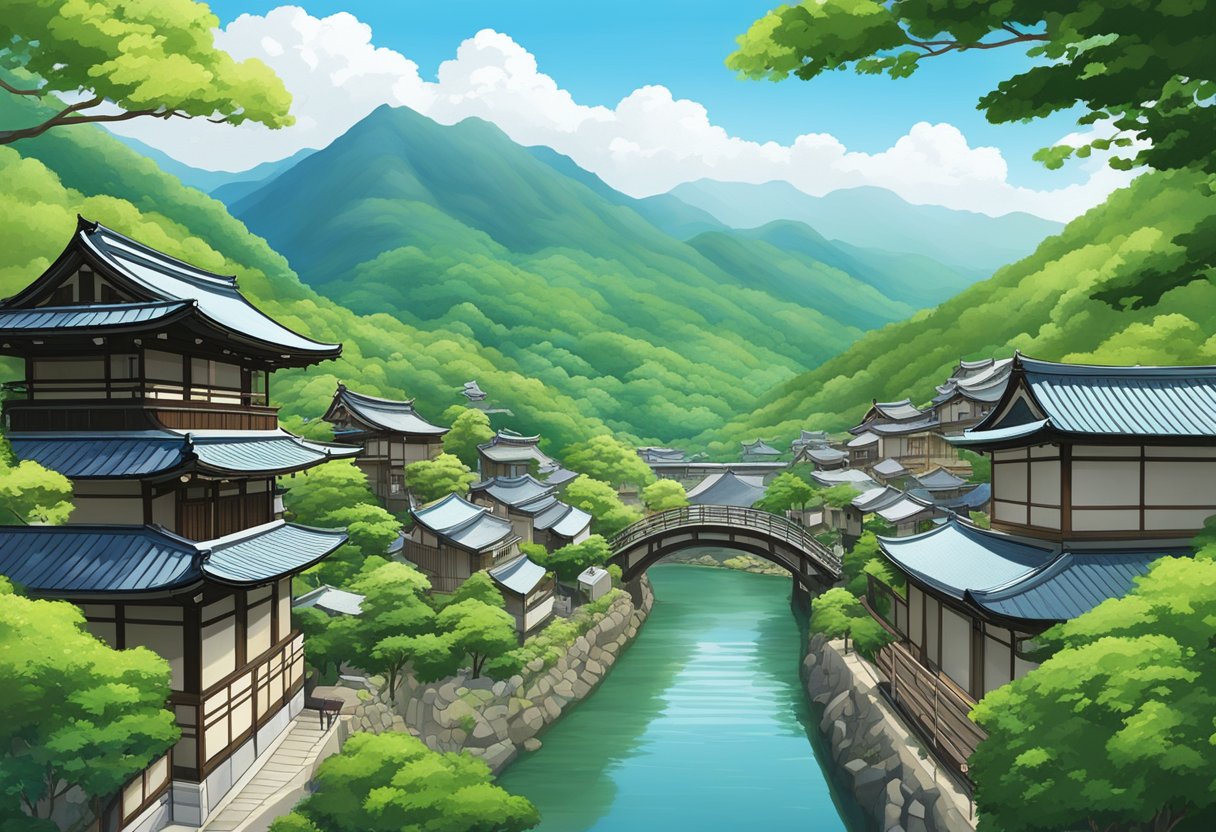
When visiting Chichibu, finding the right place to stay can enhance your experience. Options include traditional ryokan and charming boutique hotels.
Ryokan Stays
Staying in a ryokan offers a unique cultural experience. These traditional Japanese inns provide tatami-mat floors, futon bedding, and often include meals like kaiseki dinners and Japanese breakfasts.
Popular ryokan in Chichibu often have onsen (hot spring baths), where you can relax after a day of sightseeing. Hannou and Miyamoto no Yu are just two examples that offer these amenities. Many ryokan also have beautiful engawa (verandas) overlooking gardens or the natural scenery, enhancing your connection with nature.
Boutique Hotels
For those preferring a modern touch, boutique hotels in Chichibu deliver both comfort and style. These hotels blend traditional Japanese aesthetics with contemporary design. Rooms are often equipped with modern amenities like Wi-Fi, flat-screen TVs, and air conditioning.
One standout option is the Chichibu Muse Hotel, which provides a mix of Western and Japanese-style rooms. Another great choice is Wadoh Ryokan, where heritage meets luxury. These boutique hotels often have excellent locations, making it easy to explore local attractions and dine at nearby restaurants.
Travel Tips
Planning a trip to Chichibu can be exciting. From the best times to visit to getting around, I’ve got you covered.
Best Times to Visit
The best time to visit Chichibu is during late spring and early autumn. In May, the weather is mild, and the greenery has fully blossomed. October offers stunning fall foliage.
The Chichibu Night Festival in December is another highlight. The festival features beautiful floats and attracts many visitors. Early December can be quite cold, so dress warmly.
Avoid the rainy season in June, as it can disrupt outdoor activities. Winters can be chilly, but if you enjoy scenic snowy landscapes, it’s worth considering. Always check local weather forecasts.
Transportation Guide
The quickest way to reach Chichibu from Tokyo is by train. The Seibu Ikebukuro Line will get you to Seibu Chichibu Station in about 80 minutes. For a more scenic route, consider the Chichibu Railway which offers views of the countryside.
Within Chichibu, buses are a common way to get around. They connect most of the major attractions. I recommend getting a day pass if you plan to visit multiple sites.
Taxis are available but can be expensive for long distances. Renting a car is an option, giving you more flexibility. Remember that parking can be limited at popular spots. Always plan your routes ahead.
Craftsmanship and Souvenirs
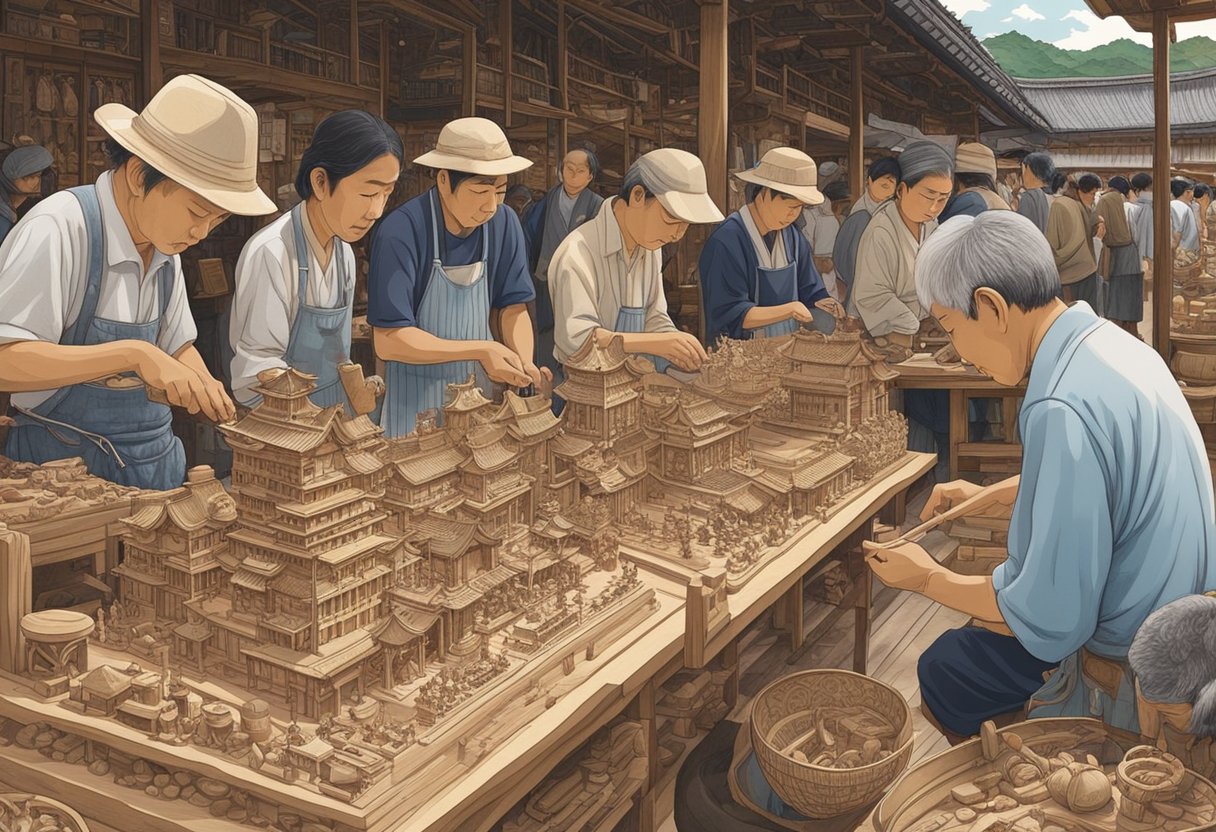
When visiting Chichibu, you’ll find that its craftsmanship is deeply rooted in tradition. The region offers unique souvenirs that capture the local culture. Let’s explore two notable crafts: glass art and traditional fabrics.
Glass Art
In Chichibu, glass art stands out with its intricate designs and craftsmanship. Local artisans create beautiful pieces that make perfect souvenirs. You can find glassware ranging from delicate vases to ornate jewelry.
One popular destination is the Chichibu Muse Park Glass Studio. Here, visitors can watch live demonstrations of glassblowing. The studio also offers workshops where you can try your hand at creating your own glass art. These pieces make memorable keepsakes or gifts.
Traditional Fabrics
Chichibu is renowned for its traditional fabrics, particularly Chichibu Meisen. This type of silk textile has been produced here for centuries. The patterns are often bold and colorful, reflecting the region’s rich history and culture.
In the local markets, you can purchase various items made from Chichibu Meisen, such as scarves, handkerchiefs, and kimono. Visiting the Chichibu Textile Museum will give you an in-depth look at how these fabrics are made. Additionally, some workshops offer the opportunity to try weaving, providing a hands-on experience with this ancient art form.
Frequently Asked Questions
Chichibu offers a wide range of attractions, including historical sites, natural wonders, and unique festivals. Transportation from Tokyo is convenient, making it an accessible destination for a day trip or longer stay.
What are the top attractions to visit in Chichibu?
Chichibu is home to impressive shrines such as Mitsumine Shrine and Chichibu Shrine. The town is also famous for natural landmarks like Nagatoro Valley and Iwadatami rocks. Don’t miss the Chichibu Railway for a scenic ride through the area.
How can one spend a day in Chichibu?
I recommend starting your day with a visit to Mitsumine Shrine. Follow this with a stroll through Nagatoro Valley and a boat ride on the river. In the afternoon, explore Chichibu Shrine and conclude with a ride on the Chichibu Railway.
What are the best outdoor activities in Chichibu?
Hiking in the surrounding mountains offers breathtaking views. You can also enjoy boating in Nagatoro Valley. For a more relaxed experience, take a scenic railway journey through the lush greenery of Chichibu.
Which sites are recommended for viewing Chichibu’s autumn foliage?
Nagatoro Valley and the area around Iwadatami are perfect for viewing the vibrant autumn colors. Visiting these spots in late October to early November will offer the best views.
What are the highlights of the Chichibu Night Festival?
The Chichibu Night Festival is held every December. It features beautifully lit floats, fireworks, and traditional music. It’s considered one of Japan’s top three float festivals, making it an unmissable event for visitors.
How does one travel from Tokyo to Chichibu?
Traveling from Tokyo to Chichibu is easy. Take the Seibu Ikebukuro Line to Seibu-Chichibu Station. The journey takes about 90 minutes. Alternatively, you can use the Chichibu Railway from Ohanabatake Station for scenic views along the way.