Japanese organization brings calm and order to your space. These simple ideas can help you declutter and tidy up.
Try these 10 tips to make your home more organized and peaceful. Each one is easy to do and can make a big difference.
1. Use Clear Storage Bins
Clear storage bins offer a serene way to maintain order in your space. Imagine your belongings neatly arranged, visible at a glance, much like a carefully curated gallery.
This simple transparency not only helps you find what you need more easily but also creates a calming atmosphere that invites peace into your home.
When choosing bins, consider sizes that suit your needs and spaces. Group similar items together, allowing each category to breathe.
This method can transform a cluttered corner into a beautiful, functional display. Remember, organization is more than just tidiness; it’s about creating a space that reflects harmony.
- Visibility: Easily see your items
- Categories: Group similar items
- Size matters: Choose appropriate sizes

2. Fold Clothes Vertically
Folding clothes vertically is like creating a little art gallery in your drawer. Each piece stands proudly, showcasing its unique design while allowing you to see everything at a glance. This method not only saves space but also brings a sense of calm to your daily routine, making it easier to choose what to wear without the clutter of piles.
To embrace this approach, try folding t-shirts, pants, and even sweaters into neat rectangles. Stack them side by side, standing upright. You’ll find that it feels less like a chore and more like a mindful practice that invites peace into your space.
- Visibility: See all your options at once.
- Space-saving: Maximize drawer capacity.
- Mindfulness: Enjoy the process of organizing.

3. Create a Donation Box
Creating a donation box is a gentle way to invite clarity into your space. Think of it as a small sanctuary for items that no longer serve you.
Instead of allowing clutter to accumulate, place a box in a visible area, like near the entrance or in a closet. This simple act helps you to pause and reflect on what truly matters while making it easy to let go of things that may be weighing you down.
As you add items to your donation box, consider it a moment of gratitude for the role those items played in your life.
You might find it helpful to think of it as a way to share your abundance with others. When the box is full, take a moment to celebrate this small act of generosity.
- Visible Location: Keeps the box top of mind.
- Reflective Practice: Encourages mindfulness about your belongings.
- Gratitude: Acknowledge the purpose of each item.

4. Label Everything Clearly
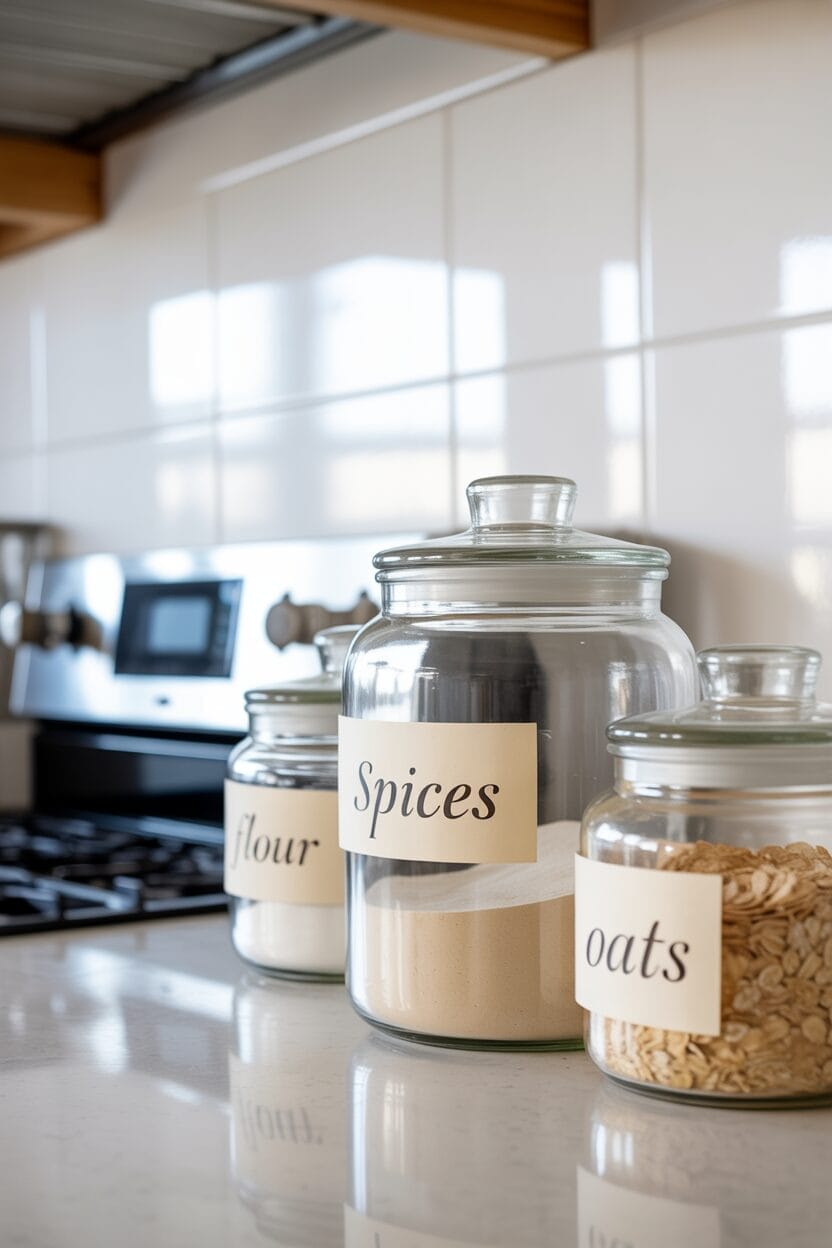
Clear labels can bring a sense of calm and order to your space. Imagine finding your favorite book or kitchen spice effortlessly, simply because everything has its own designated place. When you label items, you’re not just organizing; you’re creating a peaceful environment where each object feels respected and valued.
Use simple, easy-to-read labels to identify boxes, jars, or shelves. This not only helps in maintaining order but also nurtures mindfulness. Consider using beautiful washi tape or handmade tags for a touch of warmth that enhances your decor.
- Visual cues: Choose fonts and colors that resonate with you.
- Functionality: Label items based on their usage frequency.
- Consistency: Keep labeling systems uniform for easy navigation.
5. Keep Surfaces Clear
To create a serene environment, keeping surfaces clear is essential. Imagine a calm lake reflecting the sky; just as the still water invites peace, uncluttered surfaces foster a sense of tranquility in your home. Start by assessing frequently used areas, like countertops and tables. Aim for a few meaningful items that bring you joy, rather than a collection of distractions.
Consider implementing a daily routine where you take a few moments to tidy up before bed. This small habit can lead to a clearer mind and a welcoming space each morning.
- Daily reset: Spend 5-10 minutes each evening to clear surfaces.
- Intentional decor: Choose a few cherished items to display.
- Functional storage: Use baskets or trays for easy organization.
6. Use Multi-Functional Furniture
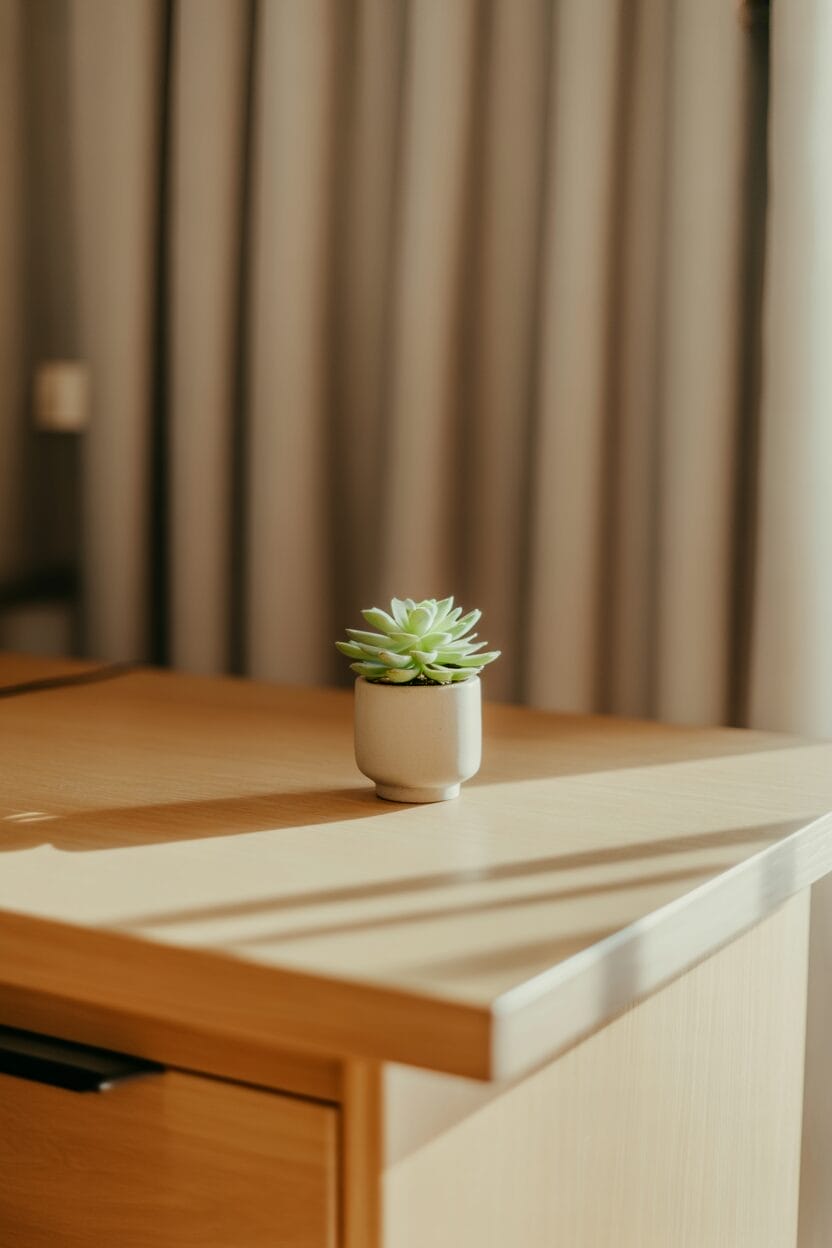
In a world where space often feels limited, multi-functional furniture can be a gentle friend. Imagine a serene coffee table that transforms into a cozy workspace or a soft ottoman that opens to reveal hidden storage. These pieces help maintain a calm atmosphere while ensuring your essentials are neatly tucked away, ready when you need them.
Consider the beauty of simplicity in your choices. When furniture serves more than one purpose, it encourages a more mindful connection with your space. As you select pieces, think about how they can adapt to your daily needs, fostering a sense of peace and harmony.
- Versatile seating: A bench that doubles as a storage unit.
- Convertible tables: A dining table that collapses for extra room.
- Nested tables: Small tables that fit neatly together.

7. Organize by Category
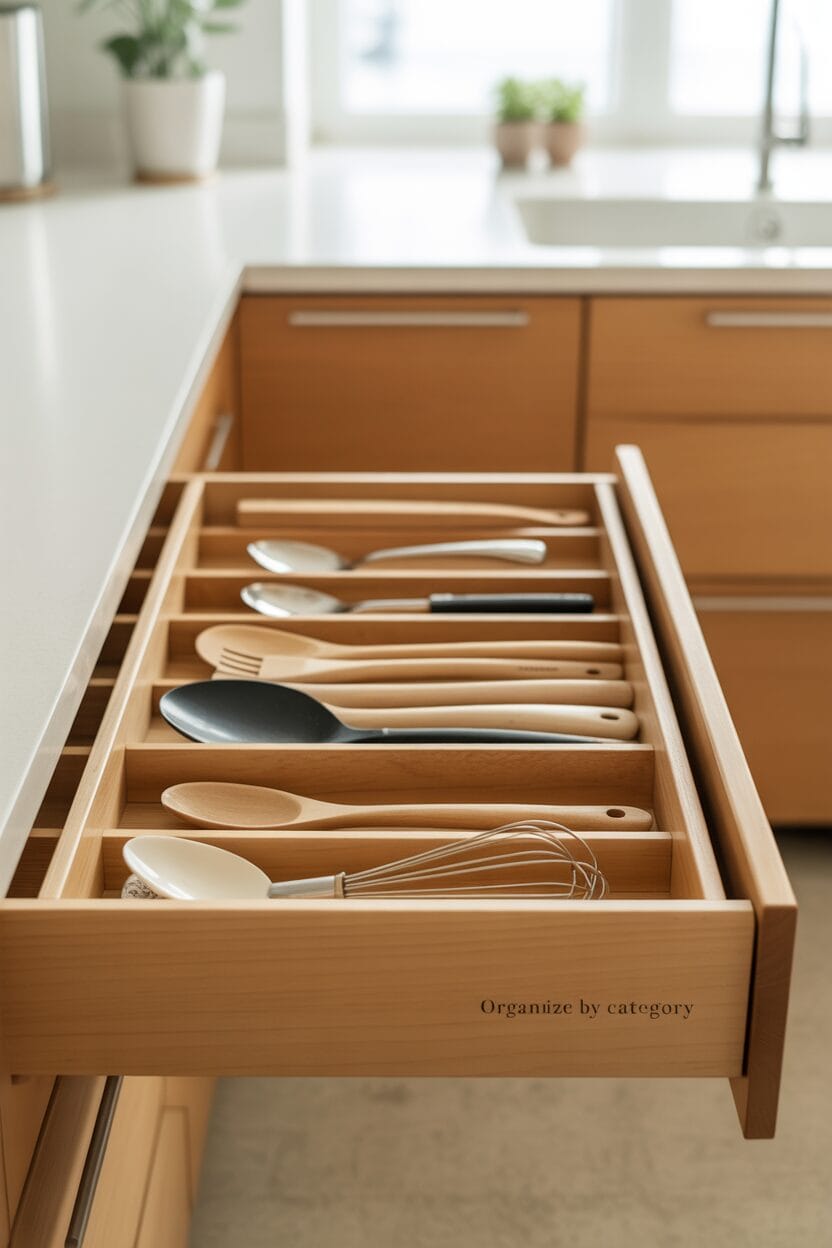
One of the beautiful aspects of Japanese organization is the emphasis on harmony and simplicity. By grouping similar items together, you can create a serene environment that feels both calming and functional. For example, you might place all your cooking utensils in one drawer and your baking supplies in another. This not only streamlines your cooking process but also makes your space feel cohesive.
Consider categorizing items based on their use or purpose. It’s like curating a gallery of your belongings, where each piece has its own place and significance. This thoughtful approach can help you find what you need with ease and invite a sense of order into your daily life.
- Functional areas: Group items by where they are used.
- Similar purposes: Keep like items together, such as all office supplies.
- Visual harmony: Choose storage that complements your aesthetic.
8. Use Natural Materials
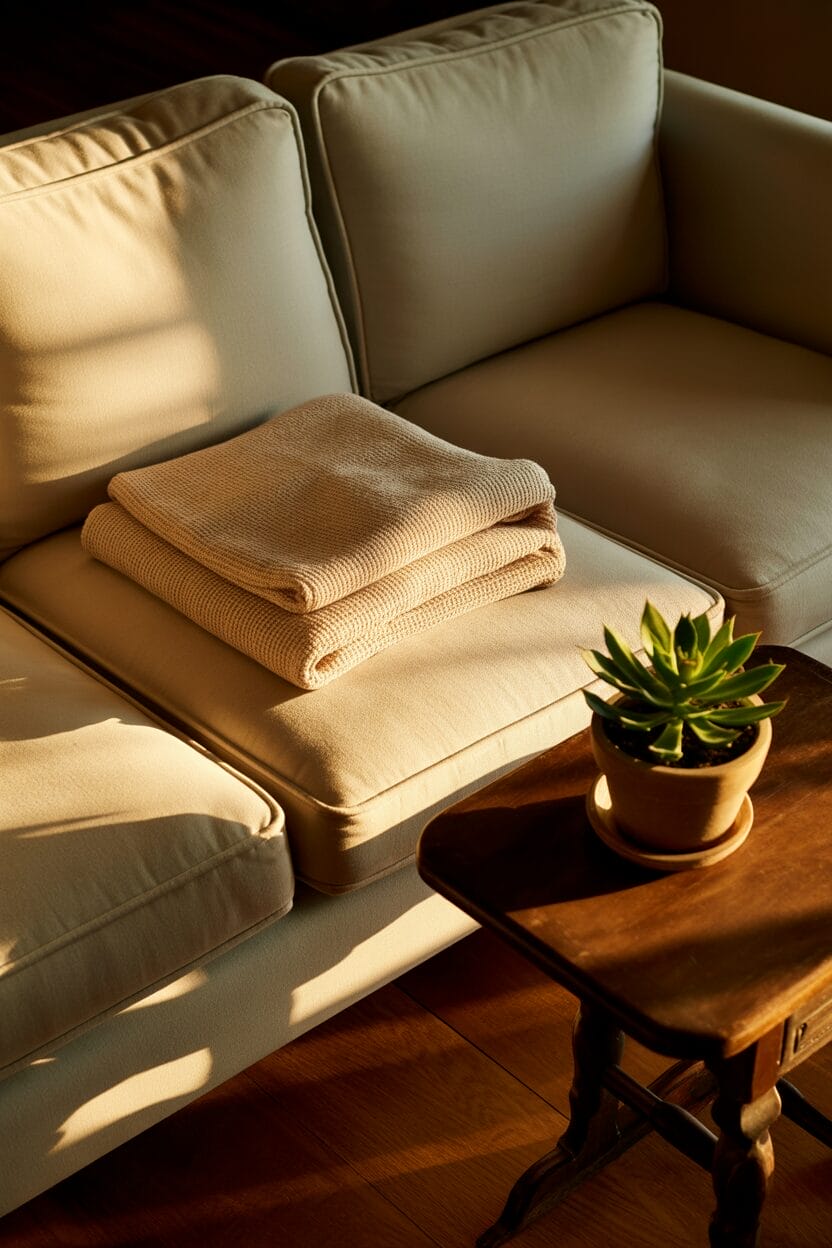
Incorporating natural materials into your space can create a serene atmosphere that resonates with the simplicity of Japanese design. Think of how a soft wooden shelf or a woven basket can bring warmth and texture to a room, inviting a sense of calm and tranquility. These elements often remind us of nature, grounding our surroundings and helping us to feel more at peace.
To embrace this concept, consider replacing synthetic decor with items made from wood, bamboo, or cotton. You might choose a beautiful wooden bowl for your kitchen or a cotton throw for your living room. These small changes can foster a soothing environment, making your space feel more inviting and connected to the world around you.
- Natural fibers: Choose cotton, linen, or wool for textiles.
- Wood accents: Incorporate furniture or decor made from sustainable wood.
- Earth tones: Opt for a color palette inspired by nature for a calming effect.
9. Limit Decorative Items
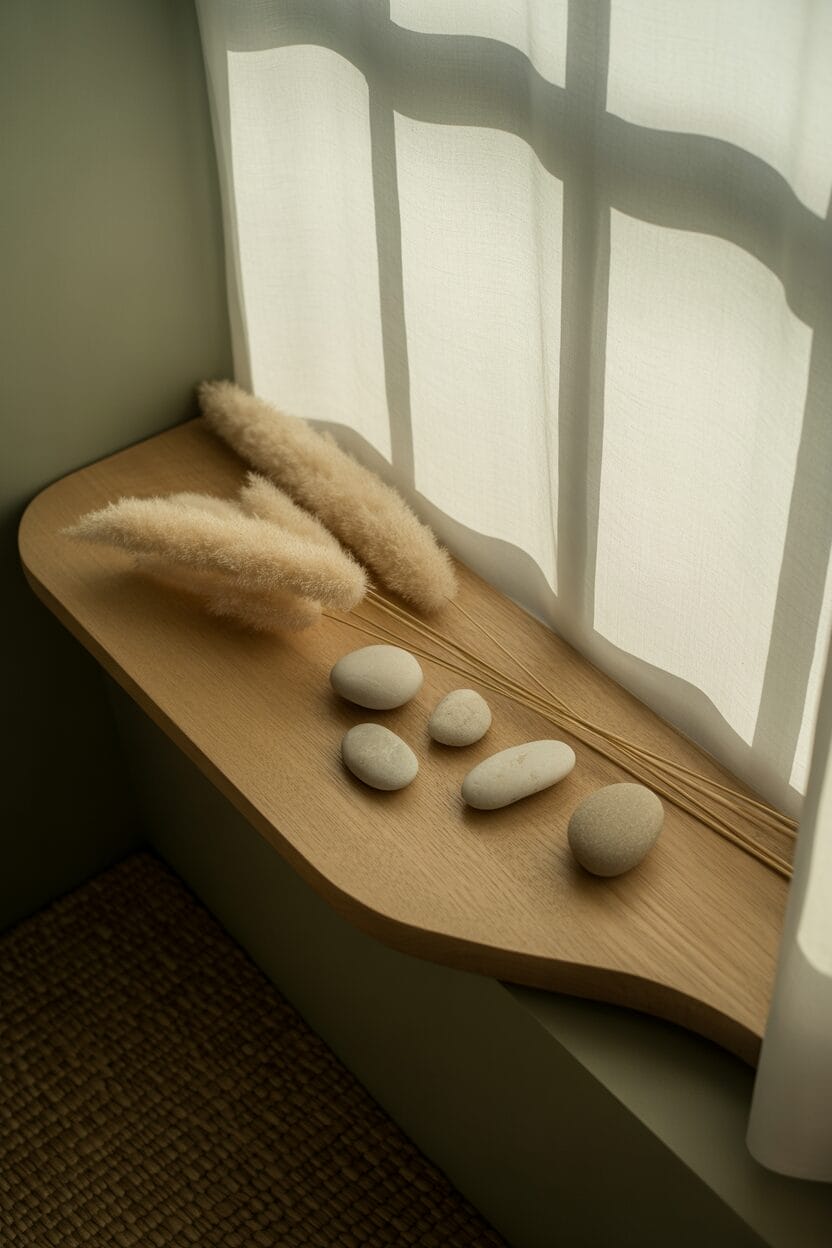
In Japanese design, less is often more. By limiting decorative items, you create a serene space that invites calmness and clarity. Consider your favorite objects: do they bring you joy or simply fill the space? Embrace the idea of “ma,” the beauty of empty space, allowing each piece to breathe and stand out.
To cultivate this mindful approach, start by selecting just a few cherished items that resonate with you. Display them with intention on a shelf or table, letting them shine without distraction. This practice can help foster a peaceful atmosphere in your home.
- Curate thoughtfully: Keep only what you love.
- Embrace simplicity: Choose clean lines and natural materials.
- Rotate displays: Change items seasonally for freshness.
10. Set a Daily Clean-Up Time
Creating a daily clean-up time can be a gentle reminder to reconnect with your space. Much like tending to a garden, this ritual allows you to nurture your surroundings, ensuring they remain a sanctuary.
Choose a specific time each day, whether it’s after breakfast or before bed, to tidy up and put things back in their rightful place.
This small practice not only keeps clutter at bay but also cultivates a sense of peace. As you engage in this routine, consider it a moment of mindfulness, where you can breathe deeply and appreciate the calm that follows. You might find it helpful to focus on just a few key areas each day, such as:
- High-traffic zones: Entryways and living areas
- Personal spaces: Your bedroom or workspace
- Shared areas: Dining table or kitchen counters