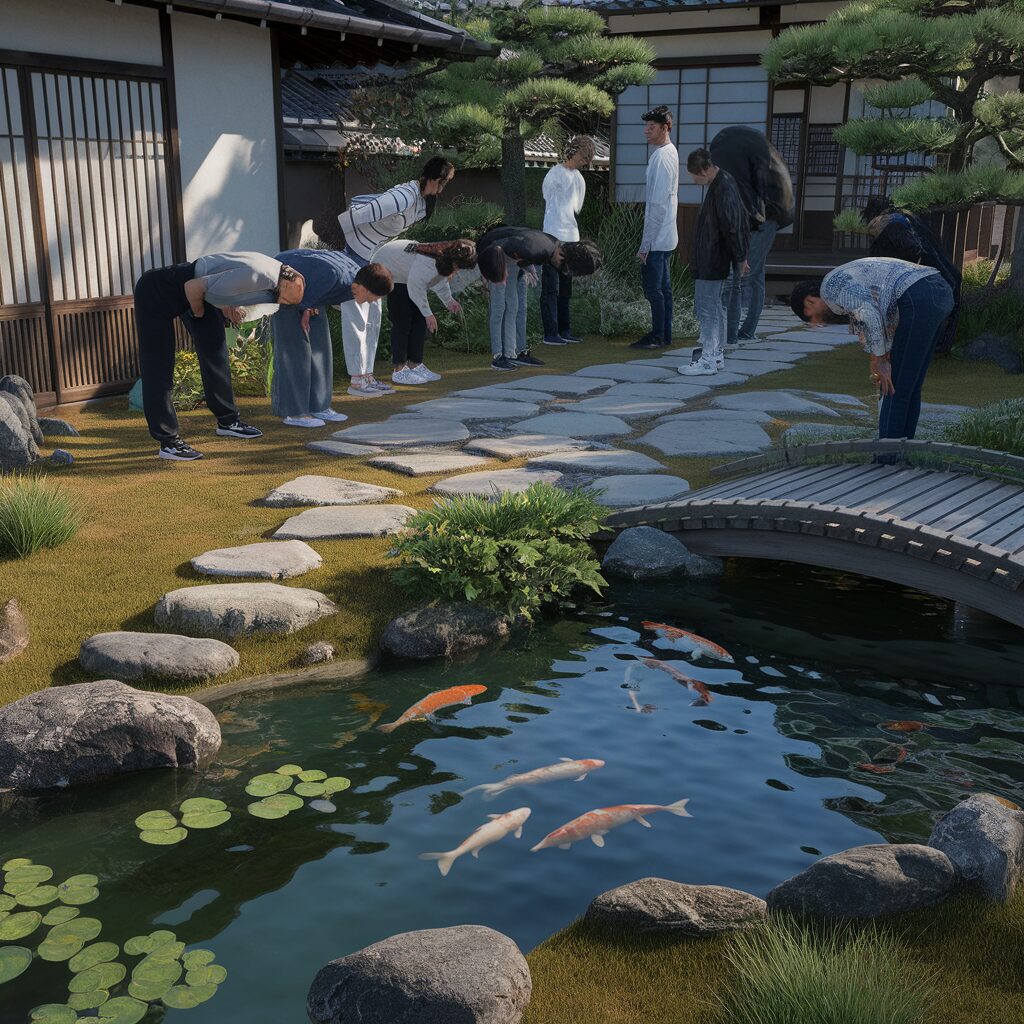
Japan has caught the world’s attention lately, hasn’t it? Everyone suddenly wants to soak up its rich culture and explore its fascinating traditions.
I mean, think about it—from the vibrant energy of Tokyo to the serene beauty of Kyoto, Japan has something for everyone. And it’s not just about travel anymore.
People dream bigger and want to come to Japan. This is thanks to all the buzz from tourism, Japanese media, and those captivating books by Japanese authors. They’re thinking, “Hey, what if I could live there?”
But let’s be real—moving to Japan isn’t exactly a walk in the park. There are all these rules and regulations to navigate, not to mention the university degree thing that seems to trip people up.
Don’t let that discourage you! There are ways to make your dream a reality. There are ways to find work in Japan without a fancy degree.
Understanding the Visa Requirements

Japan offers various visa options tailored to different purposes and circumstances. While a university degree is typically required for a work visa, alternatives exist for those without this qualification.
- Work Visa: Traditionally requiring a bachelor’s degree, this visa can be obtained through ten years of relevant work experience. A work visa becomes feasible if a company overseas will sponsor you based on your expertise.
- Specified Skilled Worker Visa: This visa was introduced in 2019. It targets specific industries facing hiring challenges. It covers semi-professional roles and doesn’t strictly demand a degree. Instead, it emphasizes proficiency tests in the Japanese language and skills.
- Working Holiday Visa: This visa is designed for young individuals eager to experience Japan while working part-time. It imposes restrictions on working hours and financial requirements.
- Student Visa: This is a popular choice for longer stays, especially for those pursuing education or language learning. Universities and language schools offer opportunities for study. However, there are limitations on part-time work and financial obligations.
Visa Options for Moving to Japan Without a Degree
Work Visa
As mentioned, getting a work visa usually requires a bachelor’s degree or an equivalent qualification.
However, you can get a job in Japan without a degree. You can substitute it for ten years of documented, full-time experience in the relevant industry or profession.
If a Japanese company hires you for your experience and is willing to sponsor your visa, you can still submit a work visa application.
Gather documentation and references showing your job positions over the past ten years are relevant to your new position.
This is a solid choice for those making a mid-career move or already established in their industry to work in Japan.

Specified Skilled Worker Visa
In 2019, Japan introduced the “specified skilled worker” visa. This visa is linked to the work visa and aims to address hiring challenges in specific industries.
With this visa, you can find work in semi-professional roles that may not require a degree, covering 14 job areas.
Applicants must stick to the same industry during their stay. Doing so can help them secure a visa by passing a Japanese language and skills exam or an internship program test.
It’s a good fit for those qualified or interested in the construction, food service, or accommodation industries.
However, it’s crucial to note that the visa is renewable for up to 5 years only. The Ministry of Foreign Affairs (MOFA) has a guide to available Specified Skilled Worker visas and occupations.
Working Holiday Visa
The working holiday visa is a popular choice for experiencing Japan. Initially established with the government of Australia, it allows young people to travel, explore culture, and work for up to a year in Japan.
This program has expanded to numerous countries globally.
Visa holders can work up to 28 hours per week, balancing work and leisure. However, applicants must have significant savings to support themselves during their stay, even without employment.
Additionally, applicants must provide travel plans to demonstrate the application’s primary purpose: travel and holidaying.
The visa lasts one year, with some countries offering a 6-month extension.
To check if you are eligible for a working holiday visa, visit the MOFA website.
Student Visa
A student visa is a popular option for an extended stay in Japan. If you lack a degree, consider pursuing your diploma in Japan.
Many Japanese universities offer English classes. With this, you can earn an accredited degree despite language barriers.
Alternatively, language schools in Japan offer rapid language learning and cultural immersion experiences.
Students are allowed to work part-time during university, like working holiday visas. However, student visa holders are limited to 28 hours per week.
Applicants must have a specific amount of savings to study in Japan.
The visa has no fixed time limit and ends when your course finishes or you leave the school. The details are on the Immigration Services Agency (ISA) website.

Special Visa to Consider
Dependent or Spouse Visas
Regarding visas in Japan, the spousal visa is a game-changer. It’s one of the most stable visa types with fewer restrictions.
With a spousal visa, you can work in Japan without a limit on work hours or the type of work you can do.
However, it’s only relevant if married to a Japanese national.
If you’re married to a Japanese citizen, you don’t need a degree when applying for a visa. The full list of requirements is on the Immigration Services Agency (ISA) of Japan website.
Similarly, there’s the dependent visa. If you’re married to a non-Japanese citizen moving to Japan and already have approval, you may qualify for a dependent visa.
You’re good to go as long as your salary can support both of you.
Dependent visas have the same working restrictions as student and working holiday visas – 28 hours per week. Check out the ISA for more information. Now, another question arises with this option. Can Permanent Residency in Japan Be Revoked?
Cultural Activities Visa
The cultural activities visa is among the least utilized visa categories in Japan. It encompasses activities centered on studying and engaging in Japanese culture.
Suppose you wish to delve deeply into a specific cultural area with a cultural institution. In that case, you can apply for this visa with a detailed study plan and the endorsement of an expert in cultural activity.
Designed to be self-supported, this visa does not permit holders to work. However, approval for a part-time work allowance typically limited to 28 hours per week, can be obtained.
While it is a short-term solution, this visa is ideal for individuals deeply interested in a particular aspect of Japanese culture.
Consult the MOFA for more information on cultural activities visas. You can also check other immigration assistance websites.
Moving to Japan offers new experiences and cultural immersion beyond the scope of a standard holiday visit. It can foster new friendships, skills, and perspectives on life.
However, the process can be challenging from the outset, particularly in obtaining a visa. It can be more daunting without a university degree.
Tourist Visa
You can also go to Japan as a tourist.
Using a tourist visa to go to Japan without a degree involves a few key steps.
First, get a tourist visa, which allows you to stay for 90 days to explore and network. While there, attend events, job fairs, and cultural gatherings to connect with locals and potential employers.
Search for job opportunities and emphasize your skills and experience to potential employers. Show enthusiasm for Japanese culture and your commitment to contributing positively to their organization.
Once you secure a job offer, work with your prospective employer to apply for a work visa. Relevant experience and skills, even without a degree, can suffice to get a visa.
Remember to adhere to Japanese immigration laws and regulations throughout the process.
By strategically using a tourist visa, you can explore opportunities and establish connections, paving the way for a successful transition to living and working in Japan, even without a degree.
Key to Success in Japan Without a Degree
Master the Japanese Language
- Language Proficiency
Mastering the Japanese language before arriving in Japan unlocks boundless opportunities, whether bargaining at local markets or sealing business deals. Fluency in Japanese is your gateway to deeper connections and seamless experiences. - Diverse Resources for Learning Japanese
Embark on your language journey with a plethora of resources at your disposal. From dynamic online courses offering flexibility to immersive Japanese language schools providing real-world practice, find the perfect fit for your learning style and aspirations. - Proven Strategies for Language Enhancement
Immerse yourself in Japanese culture to amplify your language skills. Talk to locals, read Japanese media, and participate in language exchange programs while living in Japan. Every interaction and cultural immersion is a stepping stone toward fluency.
Craft a Compelling Application
- Showcasing Relevant Skills and Experience
Craft a standout application by highlighting your distinguishing skills and experiences. Whether it’s your adaptability, teamwork, or problem-solving prowess, demonstrate how they align with the needs of Japanese employers. - Tailoring Your Resume and Cover Letter
Personalize your resume and cover letter to spotlight your unique strengths and genuine fascination with Japanese culture. Keep it succinct yet impactful, emphasizing your accomplishments and qualifications clearly. - Mastering Interview Etiquette and Value Demonstration
Prepare for interviews by honing your etiquette and showcasing your understanding of Japanese business customs. Display your enthusiasm and potential contributions to the company’s success, leaving a lasting impression on prospective employers.
Unconventional Paths to Living the Dream
After telling you about the common ways folks do to move to Japan, I asked my friends there if there are other ways for folks to move to Japan without a degree.
Here’s the lowdown on some cool ways to do it, straight from a friend living the dream there:
- Teach English: Your Native Language Is a Gem
If you are a native English speaker or speak the language like a pro, you’re in luck! Locals love native speakers who teach English in Japan. Becoming an English teacher is a great way to get involved in the local scene, earn a living, and have a blast doing it. If you have teaching experience in your home country, that’s better! - Military Life, Japan Style!
If you’re in the military, especially the US Army, and get deployed to Japan, consider it a golden ticket. During this special assignment, you can soak in the local culture, make new friends, and collect unique experiences. - Be Your Own Boss: Start a Business
Have you always dreamed of running your show? Japan is calling out to entrepreneurs! Starting a business in Japan as a foreigner is an exciting adventure, whether it’s a cozy café, a tech startup, or something in between. - Speak Japanese? You’re the Bridge
If you’re a language whiz and pass the Japanese Language Proficiency Test (N2 or N1), doors open wide. Become an interpreter or a bridge person, connecting cultures and leaving your mark in this vibrant community.
Considerations when Moving to Japan Without a Degree
Navigating the Logistics
- Housing Options and Considerations
Finding the perfect nest in Japan is like piecing together a puzzle. The options are diverse, from cozy apartments in bustling city centers to traditional Japanese homes with sliding doors and tatami floors.
Take your time to explore different neighborhoods, considering factors like accessibility, amenities, and your budget. Whether you’re drawn to the vibrant energy of Tokyo or the tranquil charm of rural Japan, there’s a place waiting for you. - Essential Services
Navigating essential services in a new country can feel like deciphering a cryptic code, but fear not; we’ve got you covered.
From healthcare to transportation and everything in between, Japan boasts a world-class infrastructure designed to make life a breeze.
Need to see a doctor? No problem – Japan’s healthcare system ensures quality care for all residents. Getting around town? Hop on a sleek bullet train or ride the efficient subway system. With some research and local know-how, you’ll master the logistics quickly. - Budgeting and Financial Planning
Ah, the age-old art of budgeting—a skill that’s as essential as it is elusive. Financial planning is your best friend when it comes to making the move to Japan.
Sit down, crunch the numbers, and create a budget that covers all your bases – rent, utilities, groceries, transportation, and maybe a little extra for those tempting matcha lattes. Don’t forget to factor in one-time expenses like visa fees and deposits.
With a solid budget, you’ll be ready to confidently explore Japan’s bustling streets and markets.
Adjusting to Life in Japan
- Cultural Adaptation
Stepping into a new culture is like embarking on a grand adventure—thrilling, awe-inspiring, and occasionally a tad bewildering.
Embrace the journey by immersing yourself in Japanese customs and traditions. Whether you bow to greet someone or slurp your noodles with gusto, dive right in and let the culture envelop you like a warm hug.
Before you know it, you’ll be navigating Japan’s social landscape with the finesse of a seasoned local. - Building a Support Network
A strong support network is worth its weight in gold in a land far from home. To connect with like-minded souls, seek fellow expats, join local communities, and participate in language exchange programs. Share stories, swap tips, and bond over your love for Japan.
With friends by your side, every challenge becomes a triumph and every victory a celebration. - Overcoming Challenges and Thriving
Life in Japan is a rollercoaster ride of highs and lows, twists and turns. Embrace the challenges as opportunities for growth and discovery.
When faced with obstacles, channel your inner samurai spirit – resilient, resourceful, and unyielding in pursuing your dreams. With determination and a dash of optimism, you’ll survive and thrive in your new home away from home. So go forth, brave adventurer, and make Japan your own!
My Two Cents
In my opinion, having a degree can tip the scales in your favor, especially if you’re eyeing more stable and regular employment.
Let’s face it—some big players often have this unspoken rule: a college degree is a golden ticket to certain positions.
If you’ve set your sights on these companies, having that degree in your arsenal is smart. It opens doors, enhances your credibility, and gives you a competitive edge in the job market.
While other ways are cool, having a degree can make a big difference in landing specific jobs in some companies.