
Planning Your Family Trip to Japan or Korea
Are you planning a family trip to Japan or Korea? Let this article be your travel guide! Discover the best times to travel, how to respect local customs, and what travel documents you’ll need for a seamless, memorable adventure.
Best Time to Visit with Kids
Japan:
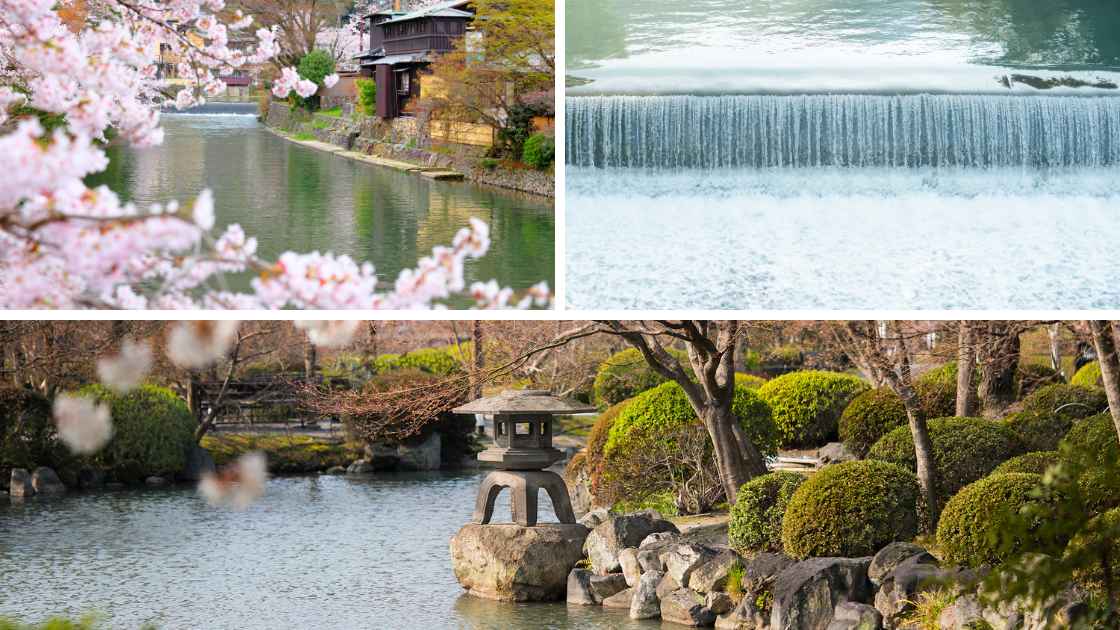
Japan is an ideal travel destination for couples with children. The perfect time to travel around Japan is spring (March to May) or autumn (September to November).
During these periods, the weather is mild, and you can experience the cherry blossoms and fall foliage, which make for unforgettable sights for the whole family.
Korea:
For a trip to Korea, aim for spring or autumn. In addition to pleasant temperatures, these seasons offer vibrant festivals that are family friendly.
Spring celebrates the Cherry Blossom Festival, while autumn marks the Chuseok holiday, SoKor’s harvest festival.
Cultural Norms and Considerations
Japan:
- Politeness: The Japanese highly value politeness. Teach your kids to bow as a form of greeting.
- Quietness: Maintaining a calm demeanor in public spaces, such as trains, is appreciated.
Korea:
- Respect for Elders: It’s essential to show respect to elders. Encourage your toddlers to use both hands when receiving items from someone older.
- Dining Etiquette: In Korea, wait for the eldest at the table to start eating before you begin.
Travel Documentation and Visas
Japan and Korea:
- Passport: Ensure everyone’s passport is valid for at least six months beyond your planned travel date.
- Visas: For most travelers, Japan and Korea offer short-term visa exemptions for tourist visits. However, check the latest requirements as they can change.
Japan-specific:
- If you plan to stay longer, you may need a visa. Requirements differ by country, so I recommend checking with the nearest Japanese embassy or consulate.
Korea-specific:
- US citizens can stay visa-free for up to 90 days. For other nationalities, I suggest checking with their country’s embassy or consulate.
Family-Friendly Destinations in Japan
Traveling to Japan with children presents an incredible array of places that cater to the whims and wonders of both young and old.
I’m excited to share some top spots that families will find entertaining and educational. You should include them in your itinerary.
Tokyo Disneyland and DisneySea
Tokyo Disneyland and DisneySea are theme parks renowned for their imaginative landscapes and thrilling rides.
At Tokyo Disneyland, kids will enjoy classic attractions. Moreover, they’ll meet their favorite Disney characters.
DisneySea is unique to Japan. It offers nautical adventures and attractions like Ariel’s Playground and the Tower of Terror.
I recommend bringing a stroller as it makes things so much easier. It provides a comfortable place for the little ones to rest and keeps everyone moving at a good pace.
Also, pack water bottles and snacks to keep everyone hydrated and energized. If you have younger kids, use Rider Switch so you and your partner can enjoy the attractions. FastPass or Standby Pass is great for skipping long lines and making the most of your day.
Historical Kyoto for Kids
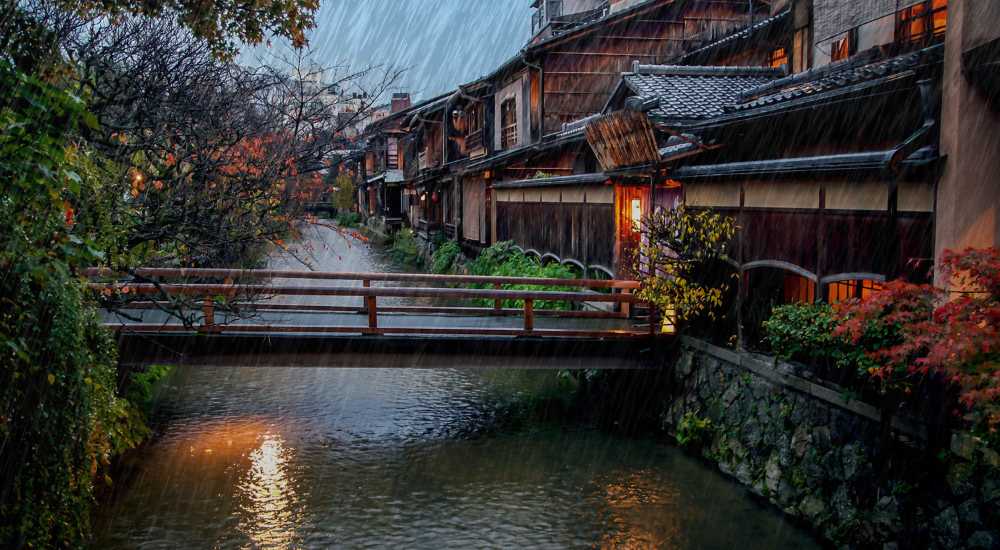
When I explored Kyoto with kids, I found the city’s rich history comes alive at sites such as Kinkaku-ji (Golden Pavilion). There is also the Fushimi Inari Shrine, which has thousands of vermilion torii gates.
Many temples offer cultural experiences like calligraphy and tea ceremonies suited for children.
Plan your itinerary around the city’s sights and schedule breaks to keep everyone energized. Explore different neighborhoods like Arashiyama, where the bamboo forest and monkey park are a hit with kids.
Walking around Kyoto’s streets can be a great adventure on its own. There are charming alleyways and traditional shops to discover. Just remember to pack comfortable shoes for everyone, as you’ll be doing a lot of exploring.
Interactive Museums in Tokyo
Tokyo is home to numerous interactive museums that engage children’s curiosity.
Places like the Miraikan (National Museum of Emerging Science and Innovation) and the child-friendly Ghibli Museum highlight the fusion of technology and arts in Japan, allowing children to experience hands-on learning.
These museums provide an excellent opportunity for kids to learn and play simultaneously. It’s also a perfect way to take a break from the hustle and bustle of the city while still enjoying an immersive experience.
Plan your visits to ensure you get the most out of these incredible museums. Your family will love the chance to experience Tokyo’s unique blend of technology and art!
Adventure in Hokkaido
Hokkaido promises adventure with its breathtaking landscapes. Summer brings flower fields and outdoor activities. Meanwhile, winter offers the best skiing and the famous Sapporo Snow Festival.
Visiting a farm or joining a nature tour can be incredibly enriching for young adventurers.
Whether you hike in the lush mountains or build a snowman in a winter wonderland, Hokkaido has something for everyone.
Be sure to pack layers, as the weather can change quickly. Don’t forget to explore local Japanese food and taste Hokkaido’s delicious ramen, seafood, and dairy products.
Take your time to soak in the natural beauty and enjoy the range of activities this region offers. Hokkaido is a wonderful destination for creating memorable adventures with the family!
Okinawa Beaches and Marine Life
The beaches of Okinawa are perfect for families. The clear, warm waters of places like Manza Beach provide a safe environment for kids to snorkel and observe marine life.
The Okinawa Churaumi Aquarium showcases whale sharks and tropical fish. I guarantee that this place will leave lasting impressions on young minds.
For a relaxing day, consider building sandcastles on the beach or trying out water sports suitable for families. Pack sunscreen and beach gear to stay protected from the sun and make the most of your time by the water.
The island is also rich in culture and history, so take some time to explore the local traditions and cuisine. Okinawa is a beautiful destination for a family getaway, offering unforgettable experiences in and out of the water!
Family-Friendly Destinations in Korea

As a seasoned traveler, I’ve discovered Korea offers a remarkable range of activities suitable for families. From high-tech theme parks in Seoul to tranquil hikes in national parks, Korea caters to the needs of young adventurers and culture enthusiasts alike.
Theme Parks in Seoul
Lotte World, located in the heart of Seoul, provides a magical experience with its indoor and outdoor amusement parks. The indoor park, Lotte World Adventure, is ideal for year-round visits regardless of the weather.
Families with kids can enjoy thrill rides, an ice rink, and diverse parades.
Everland, on the outskirts of Seoul, is Korea’s largest theme park, featuring a zoo and water park. The children are often thrilled by the colorful parades, the exhilarating T-Express roller coaster, and the beautiful tulip festival hosted in spring.
Cultural Villages and Folk Museums
The Korean Folk Village in Yongin presents a history of the country’s centuries-old customs. I’ve witnessed firsthand how families engage with traditional games, watch art performances, and explore replicas of historical Korean homes.
In the city of Andong, Hahoe Folk Village stands out. It’s recognized as a UNESCO World Heritage site. It offers a rare glimpse of Korea’s noble-class living quarters and folk traditions rooted in the Joseon Dynasty.
Jeju Island Attractions
Jeju Island, a UNESCO World Heritage site, is renowned for its natural beauty and child-friendly attractions. Hiking Hallasan Mountain allows families to explore a dormant volcano. I suggest visiting Seongsan Ilchulbong Peak at sunrise for a stunning view.
Theme parks like Eco Land and Jeju Mini Mini Land showcase miniature landmarks and immersive nature experiences. The Jeju Teddy Bear Museum also captures children’s hearts with its whimsical exhibits.
River Cruises in Seoul
The Han River Cruise offers a serene way to appreciate Seoul’s skyline. Evening cruises are especially enchanting. The city lights reflect on the water, and many boats provide entertainment and dining options.
Children can spot iconic landmarks like the N Seoul Tower and the Dongjak Bridge. Little kids can learn about the city’s history and modern achievements through the onboard commentary.
Hiking In National Parks
Korea’s national parks are abundant, with Seoraksan National Park being a highlight for family outings. The park’s accessible trails make it easy for me to take children of all ages on an adventure through pristine landscapes.
Jirisan National Park, the oldest and largest in Korea, provides educational nature programs. Families can encounter the country’s rich biodiversity here while trekking through lush valleys and past mountain streams.
Trip to Busan
Busan offers engaging attractions for families. Gwangalli Amusement Park near Gwangalli Beach provides fun rides and stunning views of Gwangandaegyo Bridge.
Haeundae Beach is perfect for relaxing, while Yongdusan Park and Busan Tower offer great city views and a small amusement area.
For a cultural experience, visit Gamcheon Culture Village’s colorful murals. Beomeosa Temple is a peaceful spot to learn about the country’s history and spirituality.
Celebrating Chrysanthemums in Korea
In Korea, chrysanthemums or mums are celebrated during the fall season, bringing vibrant displays to gardens and festivals nationwide.
Different cities, such as Changwon and Gwangju, host chrysanthemum festivals, which feature stunning flower exhibits. These events often include cultural performances and activities for visitors to enjoy.
Chrysanthemums are also found in traditional Korean gardens, adding beauty and color during the fall.
These gardens are lovely places to experience the elegance of the season and appreciate the artistry of chrysanthemum displays.
Accommodations for Families

When traveling to Korea or Japan with children, selecting the right place to stay is crucial to ensure comfort and convenience. My recommendations, from traditional stays to modern hotels, cater to families’ diverse needs and preferences.
Kid-Friendly Hotels
In cities like Tokyo and Seoul, kid-friendly hotels are abundant, offering amenities that ensure a comfortable stay for adults and children.
For example, the Tokyo Disneyland Hotel provides a magical atmosphere with Disney-themed rooms and is conveniently located near the theme park. Families can enjoy the on-site dining, shopping, and entertainment that caters to guests of all ages.
- Amenities to look for:
- Children’s entertainment
- Family rooms
- On-site restaurants with kid’s menus
- Children’s entertainment
Seoul boasts comparable hotel experiences with family suites and offerings like indoor pools, play areas, and babysitting services.
Traditional Ryokan Experience
Staying in a traditional ryokan is essential for families seeking an authentic Japanese experience.
Ryokans are Japanese inns that offer a taste of traditional lifestyle. They feature tatami-matted rooms and onsen (hot springs). These establishments often provide family rooms where futons are laid out each evening. It’s an exceptional way to immerse your family in the culture.
- Key points about ryokans:
- Futon bedding
- Traditional meals often included
- Hot spring access in many locations
- Futon bedding
Apartment Rentals
For families needing extra space and amenities, apartment rentals in Korea and Japan can be the ideal solution. This option allows families to have a full kitchen, laundry facilities, and separate bedrooms, making it a home away from home.
Services like Airbnb offer a range of properties in both urban and rural areas that fit various family sizes and budgets.
- Benefits of apartment rentals:
- More space for families
- Kitchen facilities to cook meals
- Often more budget-friendly for more extended stays
- More space for families
Regarding family accommodations in Japan and Korea, a wealth of options balance cultural immersion with the comforts of home.
Dining with Children in Japan and Korea
In Korea and Japan, dining out with kids is a convenient and enjoyable experience, thanks to a wide array of child-friendly restaurants and diverse food options that cater to the younger palate.
Kid-Friendly Restaurants
In Japan, kaiten sushi (conveyor belt sushi) establishments are a hit with children.
The revolving display of sushi entertains them, and they can choose items like tamagoyaki (sweet egg omelet), kappa maki (cucumber rolls), and inari sushi (sushi rice in a sweet tofu pouch).
Traditional izakayas provide a casual atmosphere with diverse menus, including tempura and soba, often palatable to kids.
Korean restaurants offer kid-friendly dining. They serve popular dishes such as bulgogi (marinated beef) and bibimbap (rice mixed with vegetables and meat).
Many establishments have seating arrangements suitable for families and are accustomed to serving children.
Street Food and Snacks
The street food scene in Japan provides an adventure for the senses.
Children enjoy takoyaki (octopus balls), yakisoba (fried noodles), and crepes filled with fruits and whipped cream. These can be found at outdoor food stalls or festivals.
In Korea, street snacks like tteokbokki (spicy rice cakes), hotteok (sweet pancakes), and fish-shaped bread with sweet fillings are tasty and fun for kids.
Markets like Myeongdong in Seoul are filled with vendors offering these treats.
Allergy-Friendly Options
Japan has been improving its accommodation for dietary restrictions, although navigating allergies can still be challenging.
Menus with allergen information are becoming more common. It is advisable to carry allergy cards in Japanese to communicate dietary needs effectively.
Similarly, larger restaurants and chains are beginning to provide allergen information in Korea.
Language barriers can exist, so having allergy cards in Korean is beneficial. Grilled meats and rice dishes are generally safer for those with common allergies.
Transportation Tips
When traveling in Korea or Japan with kids, efficient and reliable transportation options are available to make your journey smoother.
Japan Rail Pass for Families
I highly recommend the Japan Rail Pass (JR Pass), an economical solution for families exploring Japan. This single pass allows unlimited travel on most JR trains, including the high-speed Shinkansen (bullet train).
Note that the pass must be purchased before arriving in Japan, and it offers flexible duration options ranging from 7 to 21 days.
Korea’s Train System
The train system in Korea is lauded for its punctuality and cleanliness. If planning extensive travel, opt for the Korail Pass, similar to the Japanese JR Pass, which provides unlimited access to Korail-managed trains.
Children’s fares for those aged 4 to 12 are significantly discounted, making it an advantageous choice for families.
Renting a Car
In both Korea and Japan, renting a car can give you greater freedom, especially if you’re visiting rural areas or islands like Jeju in Korea. However, be mindful of the local traffic laws and parking situations, which can be complex in congested urban centers.
In Japan, an International Driving Permit is required, and in Korea, a valid international license is also necessary.
Educational Experiences

When traveling with children to Korea or Japan, I prioritize engaging and interactive educational experiences. These activities enhance their understanding of the local culture and provide enjoyable learning opportunities.
Language Learning
In both Japan and Korea, language learning can be an enriching experience for children. I recommend:
- Language schools: Enroll in short-term language courses designed for families or kids.
- Language apps: Leverage educational apps to learn basic phrases that can be practiced with locals.
Cooking Classes
Cooking classes are a delicious way to learn about the local cuisine:
- Korea: I suggest signing up for a kimchi-making workshop, where children can learn about the ingredients and fermentation process.
- Japan: Participating in a sushi-making class offers hands-on experience in preparing this traditional dish.
Arts and Crafts Workshops
Arts and crafts workshops provide a creative avenue for learning:
- Korea: Trying out a Hanji (Korean paper) craft session teaches the art of traditional paper making.
- Japan: Children can enjoy a Taiko drumming class, which is fun and steeped in cultural significance.
Entertainment and Leisure
In my travels with family, I’ve discovered that Korea and Japan offer a vibrant mix of entertainment and leisure activities tailored for kids.
From energetic festivals to serene outdoor experiences and captivating performances, these countries cater to the little ones with as much enthusiasm as they do for adults.
Festivals and Parades
Korea and Japan are renowned for their colorful festivals and parades that span the calendar year. In Japan, I’ve witnessed the thrilling energy at the Gion Matsuri in Kyoto, which takes place in July.
Families enjoy traditional floats and vibrant processions. SoKor’s Boryeong Mud Festival is another family favorite, where kids can indulge in mud slides and mud painting.
Outdoor Recreation
Both countries boast spectacular landscapes ideal for outdoor recreation. In my experience, the island of Jeju in Korea is a paradise for families with its hiking trails, waterfalls, and beautiful beaches.
In Japan, families can marvel at the beauty of nature at spots like Ueno Park in Tokyo, where kids can paddle around Shinobazu Pond or visit the Ueno Zoo.
Theater and Shows for Children
When it comes to theater and shows for children, both Korea and Japan don’t disappoint. I’ve seen kids being enthralled by the magical puppet shows at the National Theater for Children in Tokyo.
In Korea, interactive children’s shows and museums such as the Goyang Children’s Museum offer educational and entertaining experiences. It is a must-visit for families looking to engage in cultural performances tailored for kids.
Shopping for Kids
In Japan and South Korea, shopping for children offers an eclectic mix of contemporary fashion, traditional gifts, and entertainment-focused merchandise that reflects the rich pop culture.
Toy Stores and Anime Shops
Japan’s anime and toy shops are a paradise for kids, with vibrant displays and shelves stacked with popular characters.
Tokyo’s Akihabara district and Osaka’s Nipponbashi are must-visit spots, famous for their extensive collection of anime and manga-related products.
Meanwhile, in South Korea, Lotte World Mall’s Toy Kingdom in Seoul is renowned for its wide selection of toys and themed merchandise that keeps children and collectors returning.
Traditional Souvenirs
I recommend visiting local markets for traditional souvenirs, such as Tokyo’s Nakamise Shopping Street near Senso-ji Temple or Seoul’s Insadong neighborhood.
Here, you can find handcrafted toys like wooden kokeshi dolls and Korean hanji paper crafts, which serve as toys and cultural keepsakes.
Fashion for Youth
In terms of fashion, Japan’s children’s clothing stores are known for their quality and style. Brands like Uniqlo and MUJI offer a range of kids’ sizes, ensuring comfort and durability.
Korea counters with equally fashionable options and places like Myeongdong and Hongdae are streets lined with trendy boutiques that cater to the youth, providing a variety of stylish, affordable outfits.
Emergency Services and Healthcare

My focus is to ensure you are well-informed about the medical resources available in Japan and Korea when traveling with children.
Hospitals and Clinics
In Japan, I can call 119 for an ambulance, which is dispatched by the local fire department and often arrives within 5-10 minutes. Emergency transportation is free, but subsequent care is charged.
I’m aware that most hospitals and clinics accept Japan’s Health Insurance for non-emergency situations, but charges may be higher for after-hours services.
Korea has a centralized emergency number, 119, which connects me to fire and ambulance services. Major cities have well-equipped hospitals with pediatric care.
English-speaking staff can sometimes be hard to find, but it’s improving. Carrying travel insurance is essential as healthcare for foreigners can get expensive.
Pharmacies and Medications
In Japan, I can identify pharmacies with a “薬” sign where prescription and over-the-counter medications are available. Not all medications available elsewhere are approved here, so checking beforehand is crucial.
In Korea, pharmacies indicated by a green cross usually operate from 9 a.m. to 9 p.m. It’s important for me to have prescriptions translated into Korean to ensure accuracy.
Korean pharmacies are well-stocked, and pharmacists can advise me on over-the-counter medications.
Safety Tips
Ahead of time, I memorize emergency numbers and carry a card with my travel insurance information. It is advised to learn basic phrases in Japanese or Korean for emergencies or carry a guidebook with translations.
I prioritize knowing the nearest medical facilities to my location in both countries. I also watch for local hazards that might differ from what I am used to, ensuring a safer trip for me and my children.
I do this when traveling to different destinations in Asia, including Singapore, where English is not the primary language.
Staying Connected

When traveling with kids to Korea or Japan, ensuring constant connectivity is crucial for convenience and safety.
Local SIM Cards and Pocket Wi-Fi
I always recommend obtaining a local SIM card or pocket Wi-Fi device for internet access. Numerous providers in Korea and Japan offer affordable and reliable services suitable for a range of data needs.
Local SIM Cards:
- Availability: Airports, convenience stores, and mobile phone shops.
- Data Plans: Various options, from 1GB to unlimited data.
- Pricing: Competitive prices, with short-term traveler plans available.
Pocket Wi-Fi:
- Rental: Online reservation or airport pickup.
- Benefits: Shareable among multiple devices, ideal for families.
- Pricing: Daily rates, with budget and premium options.
Important Apps to Download
Certain apps can significantly enhance my travel experience. Here are some key apps that I find essential:
Navigation:
- Google Maps for directions and public transport information.
- City-specific transport apps like Seoul’s ‘Subway Korea’ and Japan’s ‘HyperDia’ for train times.
Translation:
- Google Translate for instant translation needs.
- Papago, a popular choice in Korea, specializes in Korean language translations.
Ride Services:
- Kakao T in Korea for taxi services.
- JapanTaxi app for booking cabs in Japan.
Local Information:
- TripAdvisor for restaurant reviews and activity suggestions.
- Local city guide apps for events and attractions that are child-friendly.
Frequently Asked Questions
In this section, I provide insights into the most common queries about traveling with children in Japan and Korea.
What activities are family-friendly in Japan and Korea?
In Japan, engaging activities include visiting theme parks, exploring castle towns, and attending interactive museums. South Korea offers cultural villages, kid-oriented science centers, and lush national parks for family exploration.
How does the cultural experience differ for children in Japan and Korea?
Children in Japan are often fascinated by the blend of traditional arts with modern animation and technology. In Korea, the cultural experience is deeply rooted in historical traditions, offering families a chance to wear hanboks and play folk games.
Which attractions should families with children not miss in Seoul and Tokyo?
In Seoul, make sure to attend Lotte World, the Children’s Grand Park, and the National Museum of Korea, which are tailored for interactive learning. Tokyo is home to the Ghibli Museum, Tokyo Disneyland, and Ueno Zoo, ensuring families have a variety of options for entertainment and education.
What is the best time of year to visit Japan or Korea with children?
The ideal times for visiting Japan or Korea with children are the spring and fall seasons when the weather is mild. Both countries showcase their famous cherry blossoms and autumn foliage, providing stunning backdrops for family outdoor activities.
Are there any child-specific travel considerations when visiting South Korea or Japan?
Yes, child-friendly infrastructure like nursing rooms and children’s carriages on trains is prevalent in Japan. In Korea, be mindful of dining etiquette with children and avail of dedicated children’s play areas in many restaurants and public spaces.
Can you recommend family-friendly accommodation options in Japan and Korea?
I recommend choosing accommodations with amenities like family rooms or suites. In Japan, ryokan with onsen often caters to families, while in Korea, many hotels and guesthouses offer traditional rooms equipped with modern conveniences, allowing for a comfortable stay.