The hum of neon lights.
Trains gliding in every direction.
A maze of apartments, overhead walkways, and endless corner shops.
Osaka is a city of energy, history, and innovation — but like many major cities, it faces a quiet pressure: overpopulation. More precisely, urban density.
Let’s gently unpack why Osaka feels crowded, and what’s going on beneath the surface.
📍 A City Built in Layers
Osaka isn’t expanding out — it’s expanding up and in.
With limited space due to surrounding mountains and bay areas, the city has had to build vertically and stack infrastructure. This creates a compact, layered feeling that can feel overwhelming.
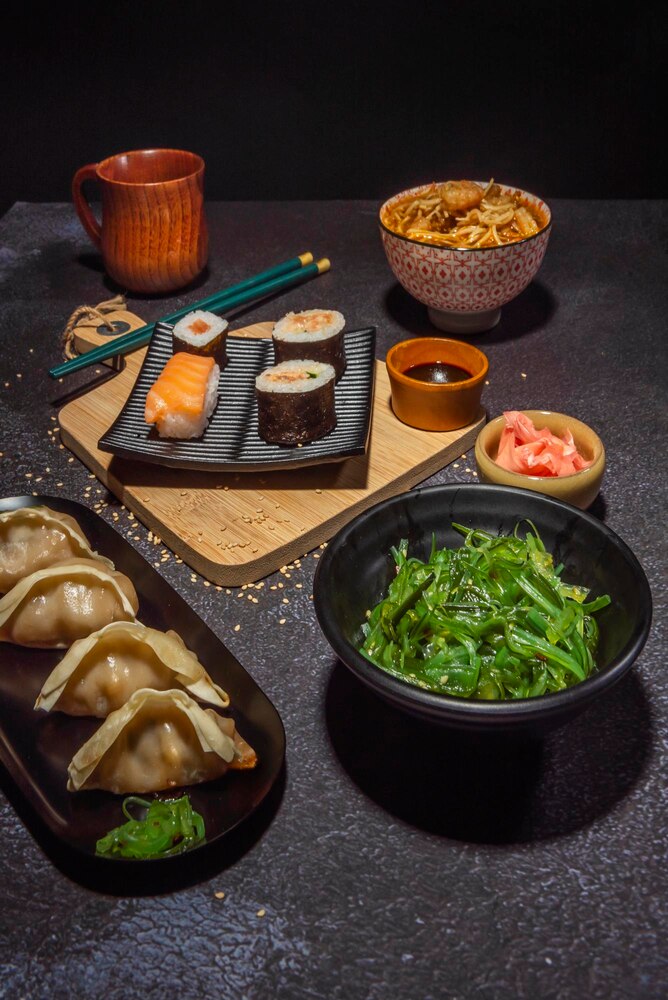
Imagine a bento box, with everything perfectly arranged — but packed tight. That’s Osaka.
Takeaway: Space efficiency is necessary, but it creates a sensation of constant closeness.
🏙️ Economic Gravity
Osaka is Japan’s third largest city and a key economic hub.
Major companies, tech startups, universities, and entertainment centers all concentrate here. That economic pull brings workers, students, and dreamers from smaller towns.
Example: In just a few train stops, you can move from a quiet suburb into a district buzzing with global business meetings.
Takeaway: People follow opportunity — and Osaka offers plenty.
🚉 Transit-Driven Growth
Japan’s rail networks are incredible — and Osaka’s is one of the busiest.
But this accessibility means that more people can commute into the city daily, increasing foot traffic, density, and demand for housing near major stations.
Mindset shift: Easy access doesn’t just serve a population — it also attracts it.
🏢 High-Density Living Norms
Compact apartments, small cafes, narrow streets — these are part of the urban culture.
Osaka has normalized high-density living with clever design and architecture. You’ll find micro-housing, capsule hotels, and multi-use buildings all across the city.
Takeaway: The city is designed to hold a lot of life in a small footprint.
🧠 Aging Population Meets Urban Drift
While rural Japan faces population decline, cities like Osaka still grow — especially with younger people leaving the countryside.
This internal migration concentrates people in urban spaces, even as the country overall isn’t growing quickly.
Visual example: A town loses one family, Osaka gains one tiny apartment’s worth of new residents.
📚 Cultural Magnetism
Osaka is known for its food, humor, and friendly character. From takoyaki stands to vibrant festivals, it offers a warm cultural charm.
That lifestyle attracts people seeking more than just a job — they want a vibrant daily life.
Takeaway: Culture and quality of life also drive urban density.
🌱 What’s the Path Forward?
Osaka continues to experiment with:
- Smart city tech
- Urban farming
- Flexible zoning
- More public green spaces
These efforts aim to soften the edges of density and bring more calm into crowded spaces.
✨ Final Thought
Osaka isn’t just “overpopulated” — it’s intensely lived in.
Every corner tells a story.
Every block balances old traditions with modern dreams.
Understanding its urban challenges helps us appreciate the beauty behind the bustle — and the resilience of a city that always finds room for one more soul.