Japan’s reputation for cleanliness, order, and tradition often makes it seem like an ideal place for everything — including pet ownership.
But if you’ve ever tried living in Japan with a pet or even just visited with furry companions in tow, you may have sensed some unspoken challenges.
Let’s gently unpack why Japan isn’t always the most pet-friendly place — and what cultural and regulatory layers lie beneath the surface 🐾
🏠 Small Spaces, Big Constraints
Most people in Japan live in compact apartments — especially in big cities like Tokyo or Osaka.
This creates two problems: • Limited room for pets to move or play
• Thin walls that make barking or noise an issue for neighbors
Many landlords strictly prohibit pets altogether. Finding pet-friendly housing can be stressful, expensive, and requires more paperwork than usual.
🛑 Strict Rental Rules
Even if an apartment allows pets, you’ll often see restrictions like:
• “Small dogs only”
• “No cats” (because of scratching or smell concerns)
• “Limit one pet”
Additional deposits (called “pet reikin”) may be required, and the rules are seriously enforced.
🚇 Public Transport Isn’t Pet-Inclusive
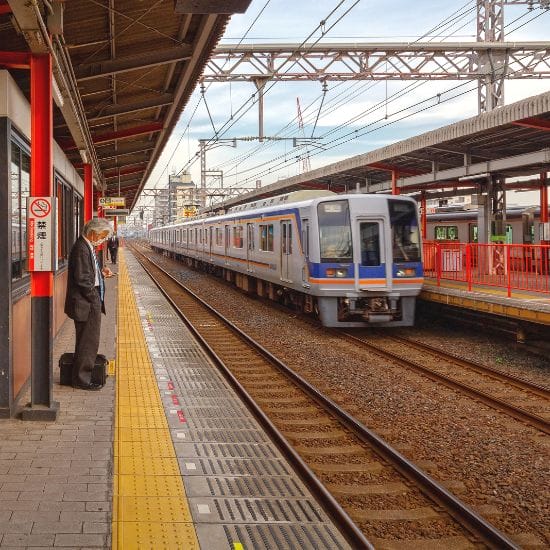
Unlike in many Western countries, pets in Japan can’t ride trains or buses freely.
Unless your pet fits in a carrier small enough to be considered “luggage,” you won’t be allowed on. And even then, they must remain completely enclosed and silent during the ride.
This makes spontaneous adventures or vet visits a real hassle without a car.
🧼 Cleanliness is Cultural
Japan places a high value on hygiene and quiet — and pets can disrupt both.
Things like fur, drool, barking, or litter odor are considered disturbances, especially in shared or public spaces. You’ll notice: • Few dogs in cafés
• Rare pet access in shops
• Tight rules in parks (some don’t even allow dogs on the grass)
This isn’t from cruelty — it’s more about consideration for others.
🏢 Urban Design Leaves Pets Behind
Many Japanese cities simply weren’t designed with pets in mind.
There are fewer green spaces, dog parks are rare, and sidewalks can be narrow and crowded. Some neighborhoods have no outdoor areas where pets can roam freely.
Even walking a dog becomes a logistical puzzle.
🐶 Pet Culture is Growing — But Still Limited
Pet ownership is definitely rising, especially among young people and elderly individuals.
There are boutique grooming salons, pet cafés, and even cat islands (!), but these often cater to aesthetic or novelty rather than everyday pet life.
Pets are adored — but still seen as a luxury or hobby, not as integrated family members.
💭 Final Thought
Japan isn’t anti-pet — but it is structured around collective harmony, small spaces, and quiet order.
This makes owning or traveling with a pet more complex than in other countries. It’s not impossible — but it takes planning, patience, and flexibility.
If you’re a pet lover in Japan, you’ll need to carve out space — quite literally — for your furry friend to feel at home 🐕🍃