Mount Fuji Overview
Mount Fuji is Japan’s tallest mountain, standing at 3,776 meters. It’s an active volcano known for its nearly perfect shape and cultural significance.
Climbing Mount Fuji
Climbing Mount Fuji is a popular activity, attracting thousands of climbers every year. The official climbing season is from July to early September. During this period, the weather is relatively mild, and the mountain huts and facilities are open.
There are four main routes to the summit: Yoshida, Subashiri, Gotemba, and Fujinomiya. The Yoshida Trail is the most popular. It starts from the fifth station and has many facilities along the way. Climbers should be prepared for cold temperatures and reduced oxygen levels as they ascend. Packing warm clothing, food, and water is essential.
Mount Fuji’s Fifth Stations
The fifth stations are midway points on each of the four main routes up Mount Fuji. The most commonly visited is the Kawaguchiko Fifth Station on the Yoshida Trail. It is easily accessible by bus from Tokyo and offers stunning views of the mountain and surrounding landscape.
These stations have shops, restrooms, and food options, making them excellent starting points for those who plan to hike or simply enjoy the scenery. The Gotemba Fifth Station offers a quieter atmosphere with fewer crowds. Each station provides a unique perspective and set of amenities, catering to various preferences and needs.
Lakes Around Mount Fuji

The Fuji Five Lakes region, also called Fujigoko, is a beautiful area at the northern base of Mount Fuji. It is around 1,000 meters above sea level. This area features five stunning lakes.
Lake Kawaguchiko
This is the most accessible and popular lake. It offers great views of Mount Fuji and many tourist attractions. I enjoyed visiting the Kawaguchiko Music Forest Museum and strolling along the North Coast Walking Trail.
Lake Saiko
Known for its serene and peaceful atmosphere, Lake Saiko is a great spot for outdoor activities. I found it perfect for hiking and fishing. There are also interesting caves to explore, like the Bat Cave.
Lake Yamanakako
This is the largest of the five lakes. Many people enjoy boating and water sports here. It also has great camping sites. I loved the view of Mount Fuji from Yamanakako’s shores.
Lake Shojiko
This is the smallest lake but has its own charm. It’s quieter and less crowded, making it ideal for a relaxing visit. I appreciated the calm and clear waters of Shojiko.
Lake Motosuko
This lake is famous for its crystal-clear water and breathtaking views. A famous Japanese 1,000-yen bill features Mount Fuji viewed from Motosuko. Swimming and camping are popular here, and I had a great time enjoying nature.
Cultural Sites
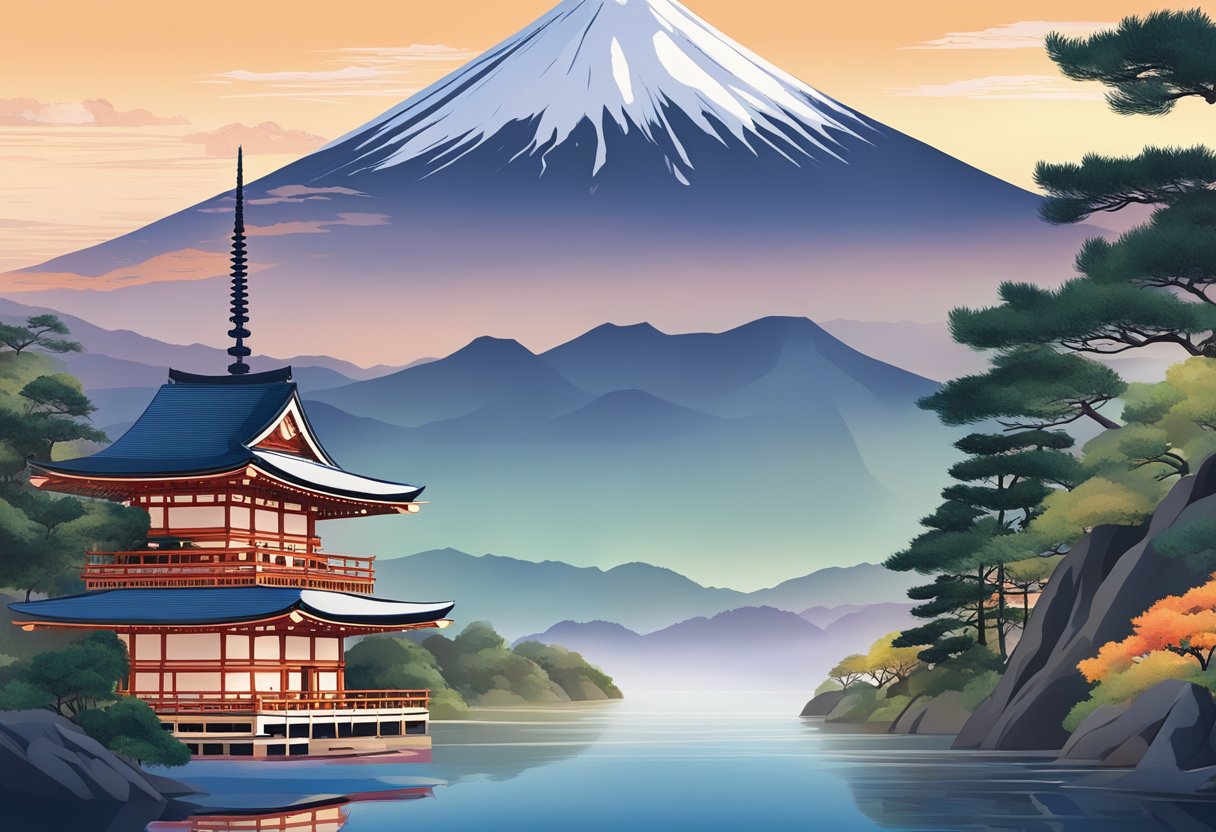
Exploring cultural sites around Mount Fuji is an enriching experience. Some of the most important and historic shrines in the area offer visitors a glimpse into Japan’s cultural heritage.
Fujisan Hongu Sengen Taisha
Fujisan Hongu Sengen Taisha is located in Fujinomiya. This shrine is the head of all the Sengen shrines in Japan, totaling around 1,300. The shrine is dedicated to the spirit of Mount Fuji itself.
The buildings are traditional and stunning. The grounds have several cherry blossom trees, making it a popular spot during spring. There’s also a large pond with a view of Mount Fuji reflecting on the water’s surface.
Visitors can even see Yabusame, a form of horseback archery, performed during festivals. This historical site is a must-visit for anyone interested in Japanese culture and Mount Fuji.
Kitaguchi Hongu Fuji Sengen Jinja
Kitaguchi Hongu Fuji Sengen Jinja is another significant shrine. Located in Fujiyoshida City, this shrine marks the starting point of the Yoshida Trail, one of the routes to climb Mount Fuji.
The shrine complex is vast, with ancient trees and a serene atmosphere. The main hall, constructed in the early 17th century, showcases beautiful traditional architecture. A notable feature is the giant Torii gate that leads into the shrine grounds.
Pilgrims often come here to pray for a safe climb up Mount Fuji. The site holds various festivals throughout the year, providing a vibrant cultural experience. It’s a fantastic spot to learn about spiritual traditions linked to Mount Fuji.
Natural Attractions
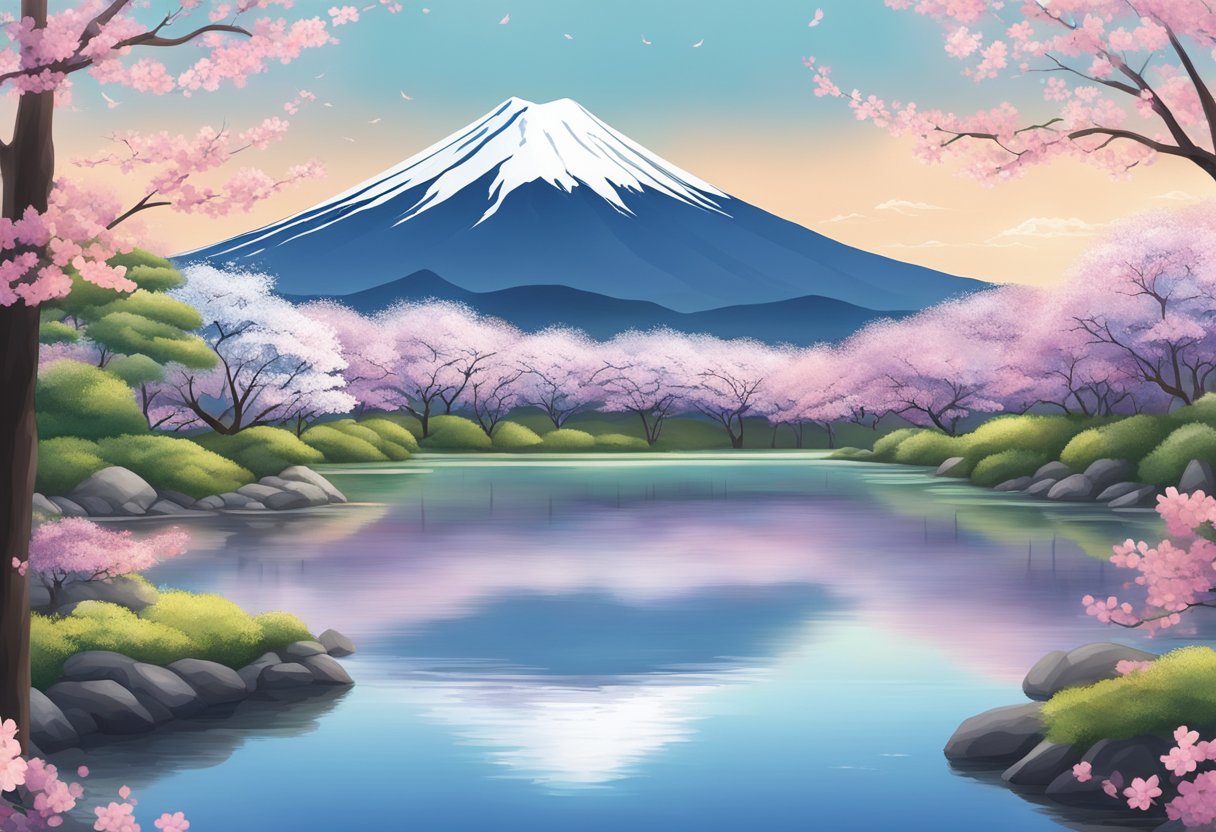
Visitors around Mount Fuji will find lush forests, stunning waterfalls, and serene ponds. Each spot offers unique experiences and natural beauty worth exploring.
Aokigahara Forest
Aokigahara Forest, also known as the “Sea of Trees,” spreads across the northwest base of Mount Fuji. The forest is dense, with twisted trees and rocky terrain. This place is often noted for its eerily quiet atmosphere, where the thick foliage absorbs sound, creating an almost otherworldly silence.
While the forest has a grim reputation, it is a popular spot for hiking. Several trails take you past ice caves formed by ancient lava flows.
Visiting Aokigahara is an opportunity to witness the raw, untouched beauty of nature.
Shiraito Falls
Shiraito Falls is a breathtaking waterfall located near Mount Fuji. The falls are fed by the snowmelt from Mount Fuji, causing water to cascade gently over a wide ledge. The name Shiraito means “white threads,” a fitting description of the falls.
Standing at 20 meters high and 150 meters wide, Shiraito Falls is surrounded by lush greenery, adding to its tranquil ambiance.
The falls are considered a sacred site, and visitors can enjoy a serene walk along the pathways that offer stunning views of the waterfall.
Oshino Hakkai
Oshino Hakkai is a picturesque village known for its eight clear ponds. These ponds are fed by underground springs from Mount Fuji’s melted snow. The water in the ponds is crystal clear, reflecting the beauty of the surroundings.
Each pond has its unique charm, and visitors often stroll around, enjoying the serene atmosphere. The village also has traditional thatched-roof houses and small shops selling local crafts and snacks.
Oshino Hakkai provides a peaceful escape, showcasing the harmonious relationship between nature and human culture.
Outdoor Activities
Explore a range of adventures around Mount Fuji. From thrill rides to shopping and racing, there’s something exciting for everyone.
Fuji-Q Highland
Fuji-Q Highland is one of Japan’s most famous amusement parks. It offers some of the world’s best roller coasters with stunning views of Mount Fuji.
Eejanaika is a must-try, known for its multiple spins and drops. The park also has Takabisha, featuring a record-breaking steep drop. For horror fans, the Super Scary Labyrinth of Fear is Asia’s longest and scariest haunted house.
For a more relaxed experience, visit the Thomas Land area, perfect for kids. Fuji-Q Highland is a blend of adrenaline-pumping rides and family-friendly attractions.
Gotemba Premium Outlets
Gotemba Premium Outlets offers a unique shopping experience with over 200 stores. You’ll find luxury brands like Gucci, Prada, and Michael Kors next to popular Japanese brands.
The outlet is designed like a small town, making it a scenic place to stroll. With Mount Fuji as a backdrop, it’s not just a shopping trip but a picturesque experience. Don’t miss the food court, which has a variety of Japanese and international cuisines.
I recommend visiting the observation deck to capture breathtaking views of Mount Fuji.
Fuji Speedway
Fuji Speedway is a paradise for motorsport enthusiasts. This well-known circuit hosts major events like Super GT and Formula Nippon.
You can watch thrilling races or even take part in driving experiences. Track days offer opportunities for amateurs to drive high-performance cars on the circuit. The Motorsport Museum is also here, showcasing the history of racing in Japan.
For a unique experience, the racing schools provide lessons from professional drivers. It’s an action-packed destination where you can feel the speed and excitement of motor racing.
Each of these spots offers a unique way to experience the area around Mount Fuji. Whether you’re seeking thrills, a shopping spree, or high-speed action, you’ll find it all here.
Museums and Galleries
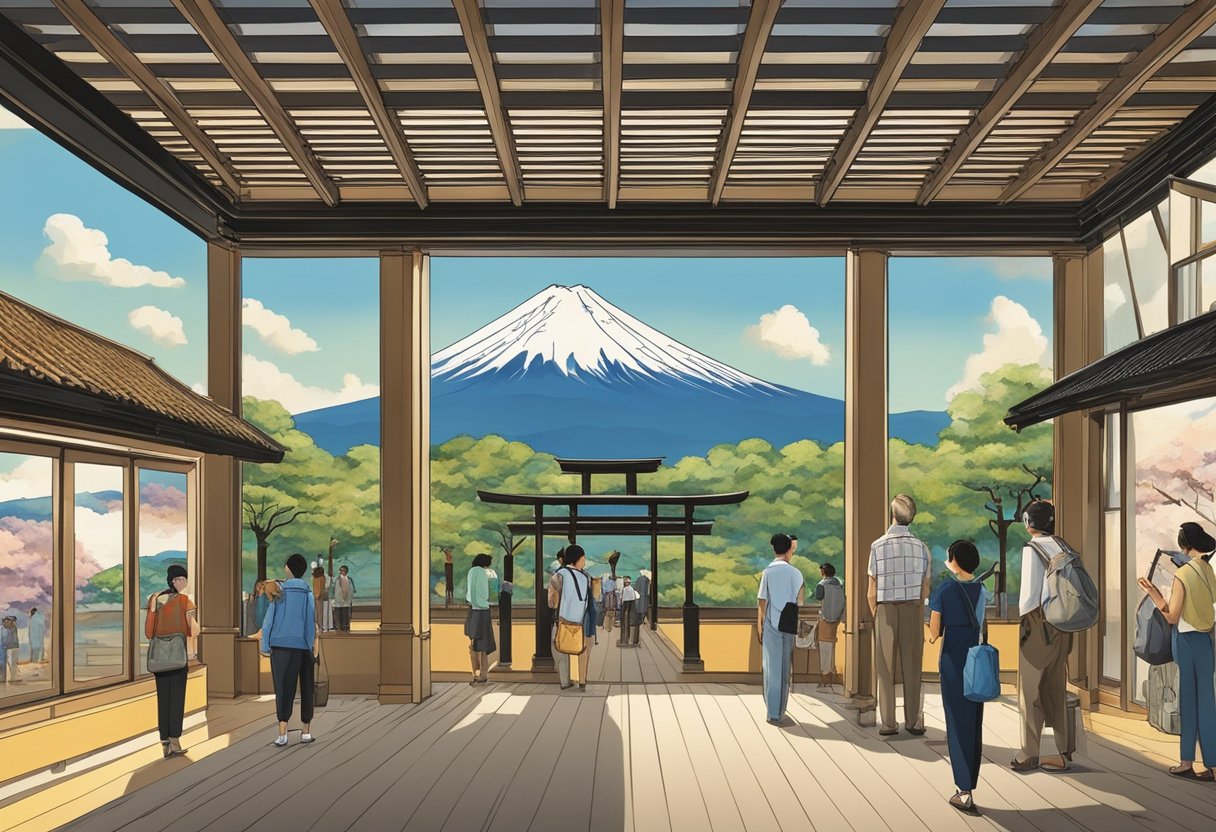
Mount Fuji’s surroundings offer rich cultural experiences at various museums and galleries. The Itchiku Kubota Art Museum and Fuji Visitor Center are standout spots for art enthusiasts and curious travelers.
Itchiku Kubota Art Museum
I highly recommend visiting the Itchiku Kubota Art Museum. This museum is dedicated to the life and work of Itchiku Kubota, a modern kimono artist. Kubota is best known for reviving the ancient Tsujigahana dyeing technique.
The museum displays a stunning collection of Kubota’s kimonos. Each piece tells a story through intricate designs that reflect nature’s beauty. The main gallery is surrounded by beautiful gardens and a serene tea house, creating a peaceful environment for visitors.
One unique feature is the glass-walled exhibition hall, which allows natural light to illuminate the delicate fabrics. The experience is both educational and visually breathtaking. Don’t forget to explore the outdoor gardens, especially if you visit in autumn.
Fuji Visitor Center
For a comprehensive understanding of Mount Fuji, the Fuji Visitor Center is a must-visit. It offers detailed exhibits about the mountain’s natural environment, history, and significance. The center is equipped with interactive displays and multilingual materials to cater to international visitors.
I found the 3D models and dioramas particularly informative. They provide a clear view of the geological aspects of Mount Fuji. The observation deck offers a panoramic view of the mountain, perfect for a photo opportunity.
Educational films are shown in the mini-theater. These films dive into different facets of Mount Fuji, from its cultural importance to its ecosystem. The center also serves as an excellent starting point for anyone planning to explore the area in more depth.
Onsen Experiences
Experiencing an onsen near Mount Fuji offers a perfect blend of relaxation and stunning views. There are some incredible locations like Yamanaka Onsen and Kawaguchiko Onsen, which provide exceptional hot spring experiences with breathtaking views of the iconic Mount Fuji.
Yamanaka Onsen
Yamanaka Onsen is known for its serene environment and healing waters. It’s located in the Yamanaka village, surrounded by beautiful nature. The mineral-rich waters here are said to relieve stress and soothe the body.
Many ryokans in Yamanaka Onsen offer private baths with a view of Mount Fuji. Staying in one of these traditional inns allows you to immerse yourself in the Japanese culture. Some popular ryokans include Beniya Mukayu and Yamashiroya.
While soaking in the hot spring, you can enjoy the tranquility and natural beauty. The area is also known for its scenic walking trails and traditional crafts shops, making it a relaxing getaway.
Kawaguchiko Onsen
Kawaguchiko Onsen is another fantastic spot near Mount Fuji, located along Lake Kawaguchi. The hot springs here offer the perfect mix of relaxation and natural beauty. With outdoor baths and picturesque views, Kawaguchiko Onsen is a favorite among visitors.
One of the highlights is staying at ryokans like Koraku Onyado Fujiginkei or Shuhokaku Kogetsu. These inns provide private onsens with direct views of Mount Fuji and Lake Kawaguchi.
The combination of hot spring baths and stunning scenery is unforgettable. Additionally, the area offers various activities such as boat trips on the lake and exploring nearby attractions like the Kawaguchiko Music Forest Museum and Oishi Park.
Local Cuisine
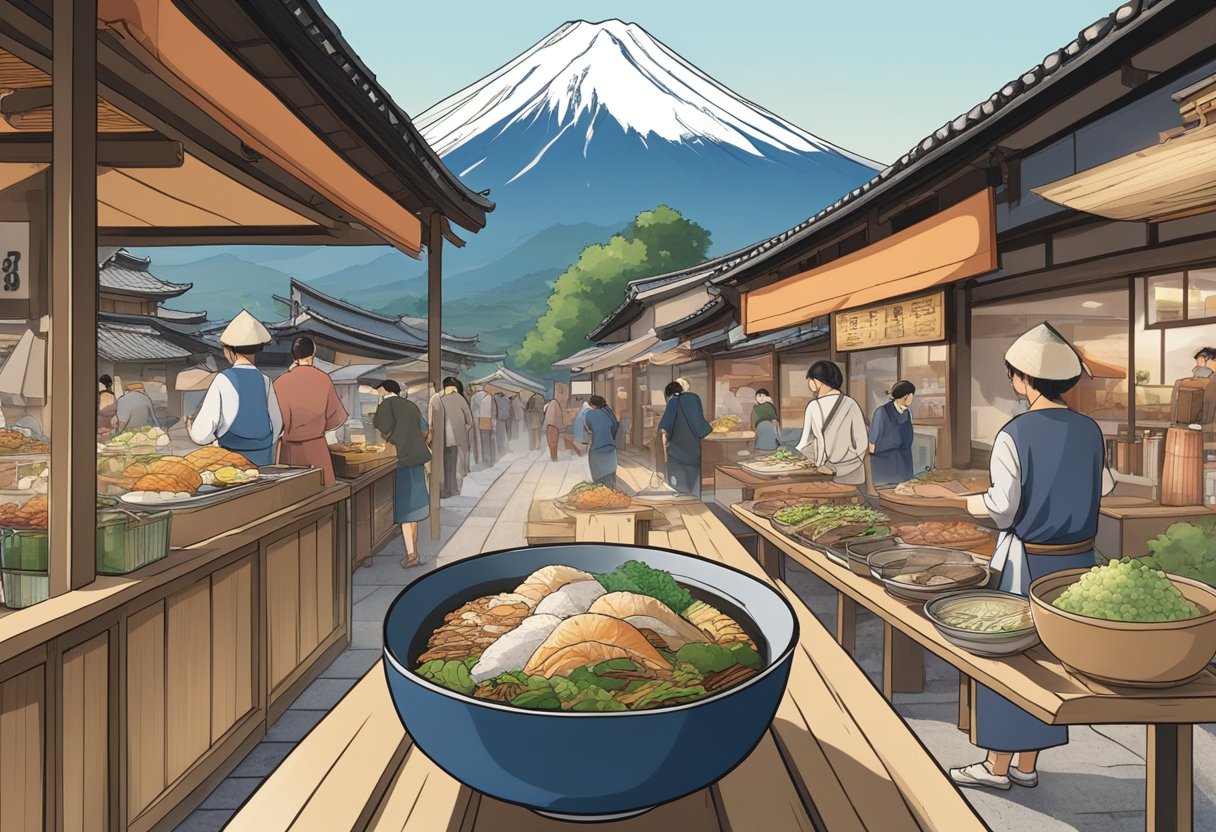
When visiting Mount Fuji, trying the local cuisine adds to the experience. Two notable dishes are Hoto Noodles and Yoshida Udon.
Hoto Noodles
Hoto Noodles are famous in the Yamanashi prefecture. They’re thick wheat noodles simmered with vegetables like pumpkin, mushrooms, and greens. The broth is usually miso-based, making it rich and hearty.
I love the way the noodles soak up the broth’s flavor. Most restaurants in the Fuji area serve Hoto Noodles, and each has its own unique touch. Some add extra ingredients like chicken or tofu, giving it even more depth. This dish is perfect after a long day of exploring, providing warmth and comfort.
Yoshida Udon
Yoshida Udon is another must-try. These noodles are much firmer and chewier than typical udon. They’re served in a hot or cold broth, often topped with vegetables, meat, and sometimes tempura.
The broth varies but is typically soy-based, either light or dark. One thing I’ve noticed is how the locals often add a spicy miso paste on the side. This lets me customize the heat level. You can find Yoshida Udon in many local eateries, and each has a slightly different take on the recipe, making each visit a unique experience.
Frequently Asked Questions
Visiting Mount Fuji offers many activities and beautiful sights. Here are some common questions travelers have about visiting this iconic location.
What activities are recommended for a one-day itinerary at Mount Fuji?
If you have just one day, I suggest starting with a hike on the Yoshida Trail. It’s the most popular route. You can also visit the Chureito Pagoda for great views. Don’t miss Lake Yamanaka, a scenic spot perfect for relaxing.
Which attractions are the best to visit near Mount Fuji during the winter season?
During winter, the hot springs in Hakone are a must-visit. The snow-covered Mount Fuji provides a breathtaking backdrop. The Fuji Five Lakes area also offers stunning winter views and activities like ice fishing on Lake Yamanaka.
How many days are ideal to fully explore the Mount Fuji area?
I recommend spending at least three days. This allows enough time to hike, visit nearby lakes, explore the local culture, and relax in hot springs. Three days give you a rounded experience without feeling rushed.
What are some must-visit cities close to Mount Fuji for travelers?
Fujiyoshida is a great base city with views of Mount Fuji. Kawaguchiko is another popular choice, offering easy access to Lake Kawaguchi and various attractions. Other nearby cities include Fujinomiya and Hakone, known for their unique sites and hot springs.
How do I travel from Tokyo to Mount Fuji and what are the sights to see on the way?
Traveling from Tokyo to Mount Fuji can take about 2-3 hours by car or bus. The Chuo Expressway provides scenic views. On the way, you can stop by the Fuji Five Lakes. You might also pass through towns like Oshino Hakkai, known for its beautiful ponds.
Is a trip to Mount Fuji considered a worthwhile experience for tourists?
Yes, a trip to Mount Fuji is definitely worthwhile. The mountain and its surroundings offer natural beauty, cultural experiences, and recreational activities. The area has something for everyone, making it a memorable destination.