Mount Fuji Views
Kawaguchiko offers some of the best views of Mount Fuji. There are plenty of spots to choose from, each offering a unique angle and experience of the iconic mountain.
Oishi Park
Oishi Park is on the northern shore of Lake Kawaguchiko. It is one of my favorite places to view Mount Fuji. The park has a beautiful flower garden that blooms seasonally.
In summer, you can see lavender fields. In autumn, the garden is full of colorful foliage. The park also has a great view of the lake and the mountain together. There are several benches where you can sit and enjoy the scenery.
A small café in the park offers refreshments. It’s a perfect spot if you want to relax and take photos.
Mt. Kachi Kachi Ropeway
The Mt. Kachi Kachi Ropeway takes you up to an observation deck. The ride itself is short but offers stunning aerial views. Once at the top, you get a panoramic view of Mount Fuji and Lake Kawaguchiko.
There are small walking trails at the top as well. You can take a short hike for even better viewpoints. Legend has it that the name “Kachi Kachi” comes from a Japanese folklore story.
This spot not only gives you amazing views but also a little bit of cultural history. There are also some snack stalls at the top where you can grab a quick bite.
Chureito Pagoda
The Chureito Pagoda offers one of the most iconic views of Mount Fuji. The pagoda is part of the Arakura Sengen Shrine complex. It’s located on a hill, and you have to climb about 400 steps to reach it.
The climb is worth it for the view at the top. From the pagoda, you can see Mount Fuji framed beautifully in the background. During cherry blossom season, the scene is especially picturesque.
This spot is a must-visit if you want to capture that postcard-perfect shot of Mount Fuji. There are also a few benches where you can sit and take in the view.
Lakes and Nature
Kawaguchiko offers stunning natural attractions. Visitors can enjoy scenic lakes, mysterious forests, and unique geological formations.
Lake Kawaguchi
Lake Kawaguchi is the second-largest of the Fuji Five Lakes and offers breathtaking views of Mount Fuji. I recommend taking a boat cruise or renting a swan paddleboat to fully appreciate the lake’s beauty.
The lakefront offers family-friendly spots like Oishi Park, which is perfect for picnics and seeing seasonal flowers. There’s also an open-air hot spring, where you can relax with a view of Fuji. Don’t forget to visit the art museums around the lake, such as Itchiku Kubota Art Museum, which boasts impressive silk dyeing art.
Aokigahara Forest
Aokigahara Forest, also known as the “Sea of Trees,” is famous for its dense, lush undergrowth. It’s an eerie and fascinating place, formed over hardened lava from past Mount Fuji eruptions.
Exploring the forest trails is an adventure, revealing hidden caves and unique wildlife. Educational tours are available and provide insights into the geology and ecology of the area. Due to its density, it’s crucial to stick to marked paths to avoid getting lost. Highlights include stunning ice formations in winter and vibrant greenery in the spring and summer.
Narusawa Ice Cave
The Narusawa Ice Cave is a natural wonder located in the Aokigahara Forest. Formed by ancient lava flows, the cave maintains ice formations year-round, making it a unique and cool escape.
Descending the cave’s narrow passageways is an exhilarating experience. Make sure to wear warm clothing, as it’s quite chilly inside. Informative signs explain the cave’s formation and history, enhancing the visit. Safety gear is provided at the entrance, and I found the guided tours to be both educational and thrilling. This is a must-visit spot for anyone intrigued by natural wonders.
Cultural Attractions
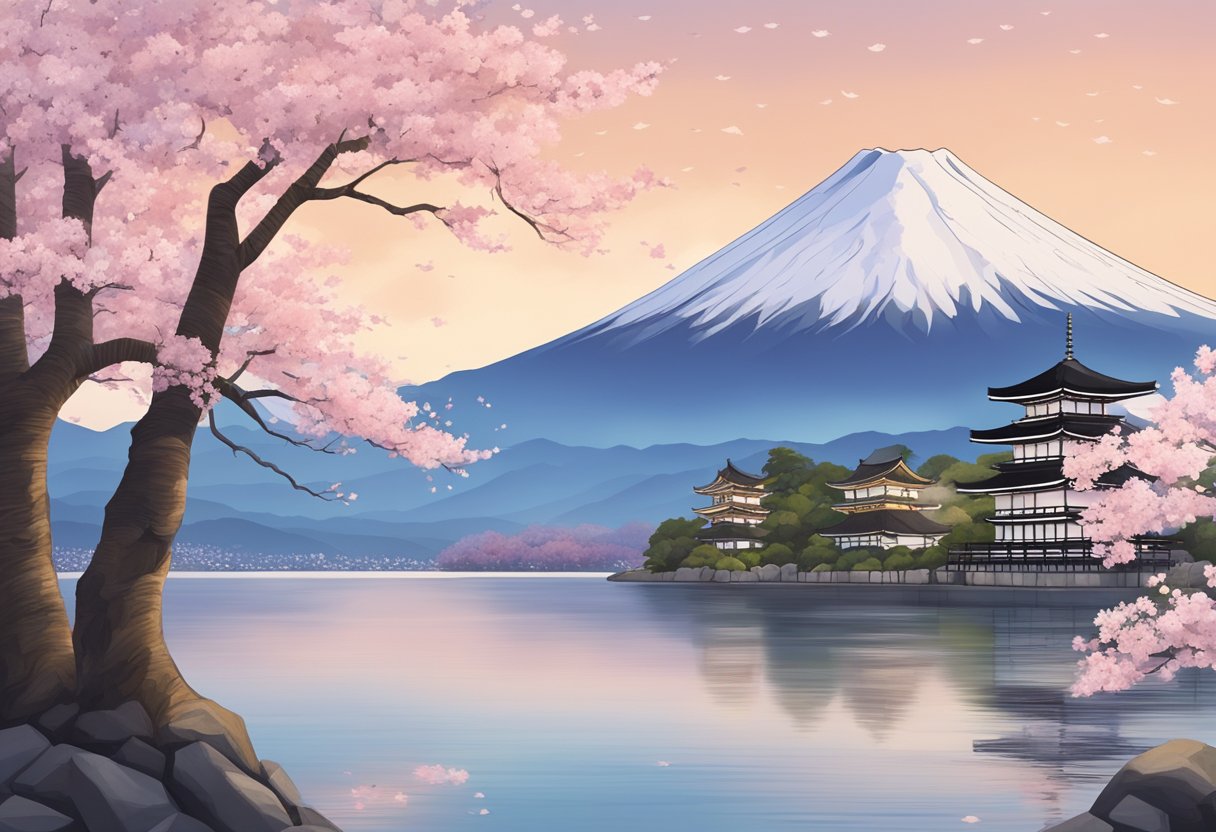
Kawaguchiko offers a rich blend of cultural experiences, from music and art to historic water springs. Here are some highlights you shouldn’t miss.
Kawaguchiko Music Forest Museum
The Kawaguchiko Music Forest Museum is a delightful spot for music lovers. This museum is dedicated to mechanical musical instruments from Europe. I enjoyed the beautiful grounds which are styled like a European garden.
The exhibits include antique music boxes and organs. There are daily performances where I got to listen to the enchanting sounds of these instruments. A highlight was the automated organ, one of the largest in the world.
Tips:
- Check the schedule for performances
- Enjoy a cup of tea in the museum’s cafe
Itchiku Kubota Art Museum
The Itchiku Kubota Art Museum showcases the stunning silk creations of Itchiku Kubota. He revived the lost art of Tsujigahana silk dyeing. When I visited, I saw kimonos with intricate designs depicting seasons and nature.
The museum itself is an architectural gem. It’s set in serene gardens with views of Mt. Fuji. The building combines traditional Japanese and modern styles.
Highlights:
- Unique kimono displays
- Tranquil garden views
- Scenic tea room
Oshino Hakkai
Oshino Hakkai is a small village famous for its eight ponds, fed by the snow melt from Mt. Fuji. These ponds were crystal clear, and some were even designated as natural monuments.
Walking around, I felt like I was stepping back in time. Traditional thatched-roof houses and water mills dot the landscape. Many shops sell local snacks and crafts. The clear water and reflections of Mt. Fuji made for some stunning photos.
Things to Do:
- Try fresh wasabi and local delicacies
- Visit the small museum showcasing traditional tools and history
Outdoor Activities
Kawaguchiko offers a range of thrilling activities for outdoor enthusiasts. Visitors can enjoy roller coasters and scenic views or immerse themselves in beautiful natural parks.
Fuji-Q Highland
Fuji-Q Highland is a must-visit for adrenaline seekers. This amusement park features some of Japan’s most famous roller coasters.
One of the highlights is the Fujiyama coaster, often called the “King of Coasters.” It has been a favorite for its incredible height and speed. Another popular ride is the Takabisha, known for its steep drop.
Aside from the rides, there are also family-friendly attractions, such as the Thomas Land for younger visitors. The Haunted Hospital and Evangelion: World provide unique experiences that thrill beyond the typical amusement park fare.
Arakurayama Sengen Park
Arakurayama Sengen Park is famed for its stunning views of Mt. Fuji. The park includes the Chureito Pagoda, which is a five-story pagoda that becomes a perfect photo spot, especially during cherry blossom season.
Visitors can hike up 400 steps to reach the pagoda for the best vantage point. The view from the top offers an iconic scene of Mt. Fuji framed by the pagoda and cherry blossoms. The park is also a peaceful place to enjoy leisurely walks, and during autumn, the foliage adds another layer of beauty.
The park is easily accessible and provides a serene atmosphere, making it a great spot for relaxation and photography.
Local Experiences
Visiting Kawaguchiko offers a chance to immerse in authentic Japanese culture. From relaxing in hot springs to enjoying handmade crafts, there’s plenty to explore.
Hot Springs and Spas
Kawaguchiko is famous for its onsens (hot springs). I experienced the healing waters at Fuji Yurari Hot Spring. The views of Mount Fuji from the outdoor baths are breathtaking. Saiko Iyashi no Sato Nemba is another excellent spot, where traditional thatched-roof houses enhance the serene atmosphere. After soaking, I felt relaxed and rejuvenated. The mineral-rich waters are said to have various health benefits, including improving blood circulation and easing muscle pain.
Traditional Crafts
Traditional crafts are a highlight in Kawaguchiko. Itchiku Kubota Art Museum showcases the art of Tsujigahana silk dyeing. The intricate designs on kimonos left me in awe. Attending a workshop here gave me hands-on experience in crafting these beautiful textiles. I also visited Yamanashi Gem Museum, where local artisans display delicate gemstone carvings. Learning about the techniques and dedication involved was truly inspiring.
Local Cuisine
The local cuisine in Kawaguchiko is a treat for the senses. I particularly enjoyed Hoto Noodles, a hearty dish featuring thick noodles in a miso-based broth with vegetables. Restaurants like Hoto Fudo serve the best versions of this traditional meal. At Asahigaoka Lakeside Park, there are various food stalls offering tasty snacks like Yoshida Udon. I also tasted Mitarashi Dango, a sweet rice dumpling covered in soy sauce glaze, which was delicious.
Annual Events
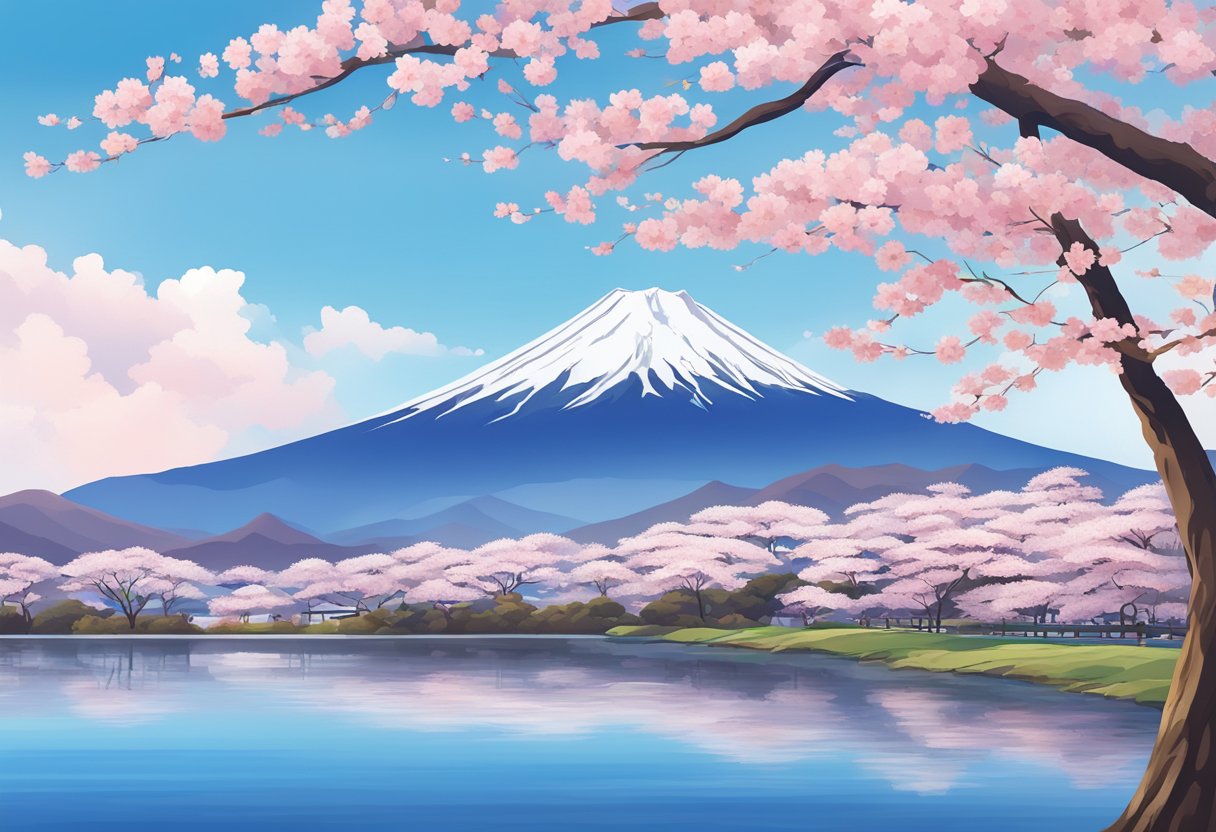
Kawaguchiko hosts several annual events that attract both locals and tourists. Each event brings a unique charm to the area.
Fuji Shibazakura Festival
This festival spans April to May, covering fields with pink moss phlox. The vibrant colors and the view of Mt. Fuji in the background make it a favorite for photography enthusiasts.
Kawaguchiko Herb Festival
Held in June and July, the Herb Festival showcases lavender fields in full bloom. You can enjoy the pleasant scent, live music, and even sample lavender-flavored treats.
Mt. Fuji Marathon
The marathon takes place in November. It offers runners a scenic course around Lake Kawaguchiko and Lake Saiko, with stunning views of Mt. Fuji as a backdrop. It attracts participants from around the globe.
Winter Fireworks
Every Saturday in January and February, Kawaguchiko lights up the sky with winter fireworks. These displays are best viewed from the lakeside, adding a touch of magic to the winter nights.
Autumn Leaves Festival
During November, the Momiji Corridor is filled with stunning red maple leaves. This festival features light displays, which illuminate the leaves at night, creating a picturesque scene.
Event Table
| Event | Months | Highlights |
|---|---|---|
| Fuji Shibazakura | April-May | Pink moss phlox and Mt. Fuji views |
| Kawaguchiko Herb Fest | June-July | Lavender fields, live music |
| Mt. Fuji Marathon | November | Scenic marathon around lakes |
| Winter Fireworks | Jan-Feb | Fireworks every Saturday night |
| Autumn Leaves Fest | November | Illuminated red maple leaves |
These events bring out the natural beauty and cultural richness of Kawaguchiko, making each visit special.
Photography Spots
Lake Kawaguchiko is a paradise for photographers. There are many spots where you can capture stunning views of Mount Fuji.
Oishi Park
This park offers a beautiful view of Mount Fuji with seasonal flowers in the foreground. It’s one of my favorite places to take pictures.
Chureito Pagoda
The view from the observation deck in Arakurayama Sengen Park is iconic. You can photograph the pagoda with Mount Fuji in the background. This spot is especially beautiful in spring with cherry blossoms.
Arakura Shrine
On the way up to Chureito Pagoda, this shrine provides a quieter spot for contemplation and photography. It’s a perfect place to capture serene and majestic views of Mount Fuji.
Northern Shore of Lake Kawaguchiko
The northern side of the lake has many great photo spots. The ridge line of Mount Fuji extends beautifully from the summit, creating a symmetrical view.
Kawaguchiko Music Forest Museum Area
The path leading to the museum is a must-visit. It’s especially famous for the cherry blossoms and Mount Fuji combination in spring.
These are just a few of the top photography spots around Lake Kawaguchiko. Each location offers something unique, making it a photographer’s dream destination.
Travel Tips
When visiting Kawaguchiko, I recommend using the Fuji Five Lakes Sightseeing Bus. The Retro Bus runs on the Red and Green Lines, stopping at many major attractions. You can buy tickets at Kawaguchiko Station or directly on the bus.
For the best views of Mount Fuji, I suggest heading to Lake Kawaguchi’s north end. The sight is especially stunning early in the morning and during sunset.
Packing a good camera is a must for capturing the majesty of Mount Fuji and the surrounding lakes. There are many scenic spots perfect for photo opportunities.
I recommend taking a sightseeing boat tour on Lake Kawaguchiko. These short 20-minute rides offer breathtaking views of Mount Fuji from the water.
Bringing comfortable shoes is important. There’s a lot to explore, and you’ll be doing plenty of walking, especially if you plan to hike some of the local trails.
During your stay, trying local cuisine is a must. Hōtō, a local noodle dish, is especially popular and delicious.
Don’t forget to check the weather forecast. Mount Fuji isn’t always visible due to clouds and weather conditions, so plan your activities accordingly.
Finally, I recommend visiting other lakes in the Fuji Five Lakes area. Each one has its own unique charm and attractions, making your trip even more diverse and enjoyable.
Frequently Asked Questions
Kawaguchiko offers many attractions and activities for visitors, from stunning views of Mount Fuji to fun excursions both day and night.
What are the top attractions to visit in Kawaguchiko?
You must visit Lake Kawaguchiko for its iconic view of Mount Fuji. The Kawaguchiko Music Forest Museum offers musical history and beautiful gardens. The Kachi Kachi Ropeway gives you panoramic views of the area. Don’t miss Oishi Park and the Kawaguchiko Flower Festival if you are a fan of flowers.
What activities are recommended in Kawaguchiko at night?
At night, visit the Fujiyama Onsen for a relaxing experience. Stroll by Lake Kawaguchiko to enjoy beautiful night views of Mount Fuji. If you enjoy museums, check out the Kawaguchiko Museum of Art, which sometimes opens late. Restaurants and cafes by the lake are also excellent for nighttime relaxation.
Can you suggest an itinerary for a day trip to Kawaguchiko?
Start your day with an early bus ride from Tokyo to Kawaguchiko Station. Visit the Kawaguchiko Natural Living Center for breakfast. Ride the Kachi Kachi Ropeway to see Mount Fuji. Spend your afternoon kayaking on Lake Kawaguchiko. Wrap up with a visit to the Fujiyama Onsen before heading back.
What are the must-see places in Kawaguchiko during winter?
In winter, the Mount Fuji Panorama Ropeway is a must for snowy views of Mount Fuji. The Ice Cave in the nearby Aokigahara Forest offers unique experiences. Winter also brings beautiful illuminations to Oishi Park. Make sure you stop by the hot springs in the area to warm up.
How can one enjoy Kawaguchiko on a rainy day?
On a rainy day, visit indoor attractions like the Kawaguchiko Music Forest Museum and the Kawaguchiko Museum of Art. You can also enjoy local foods like Hoto noodles at a cozy restaurant. Relaxing at an onsen is another excellent option, whether it’s rain or shine.
What are the differences between visiting Kawaguchiko and Hakone?
Kawaguchiko is known primarily for its views of Mount Fuji and beautiful lakes. Hakone offers geothermal hot springs, the Hakone Open-Air Museum, and boat cruises on Lake Ashi. Both are close to Tokyo but offer different experiences—Kawaguchiko focuses on Mount Fuji, while Hakone emphasizes hot springs and cultural activities.