Historic Kurazukuri Street
Kurazukuri Street in Kawagoe is famous for its Edo Period architecture and rich history. As I walked down this street, I felt transported back in time, surrounded by traditional buildings and cultural landmarks.
Time-Honored Warehouses
These warehouses, known as kurazukuri, are made with thick clay walls and steep tiles. They were designed to be fire-resistant after a major fire in 1893. Some of these structures date back to the late 1700s and have been designated as National Important Cultural Properties.
The architectural style is distinct. The clay walls provide not just safety but also a unique, nostalgic look that defines Kurazukuri Street. Walking among these historic buildings, I could sense the bustling life of merchants from centuries past.
Traditional Shops and Eateries
Kurazukuri Street isn’t just about old warehouses. It’s also lined with traditional shops and eateries. Many of these establishments aim to preserve the historical essence of the area, offering local crafts and foods.
Here, I found shops selling items like handmade sweets and traditional toys. There were also eateries where I could taste regional delicacies. Renting a kimono and strolling the street added to the immersive experience. The quaint atmosphere is perfect for anyone looking to explore the past while enjoying the present.
Kawagoe Castle Ruins
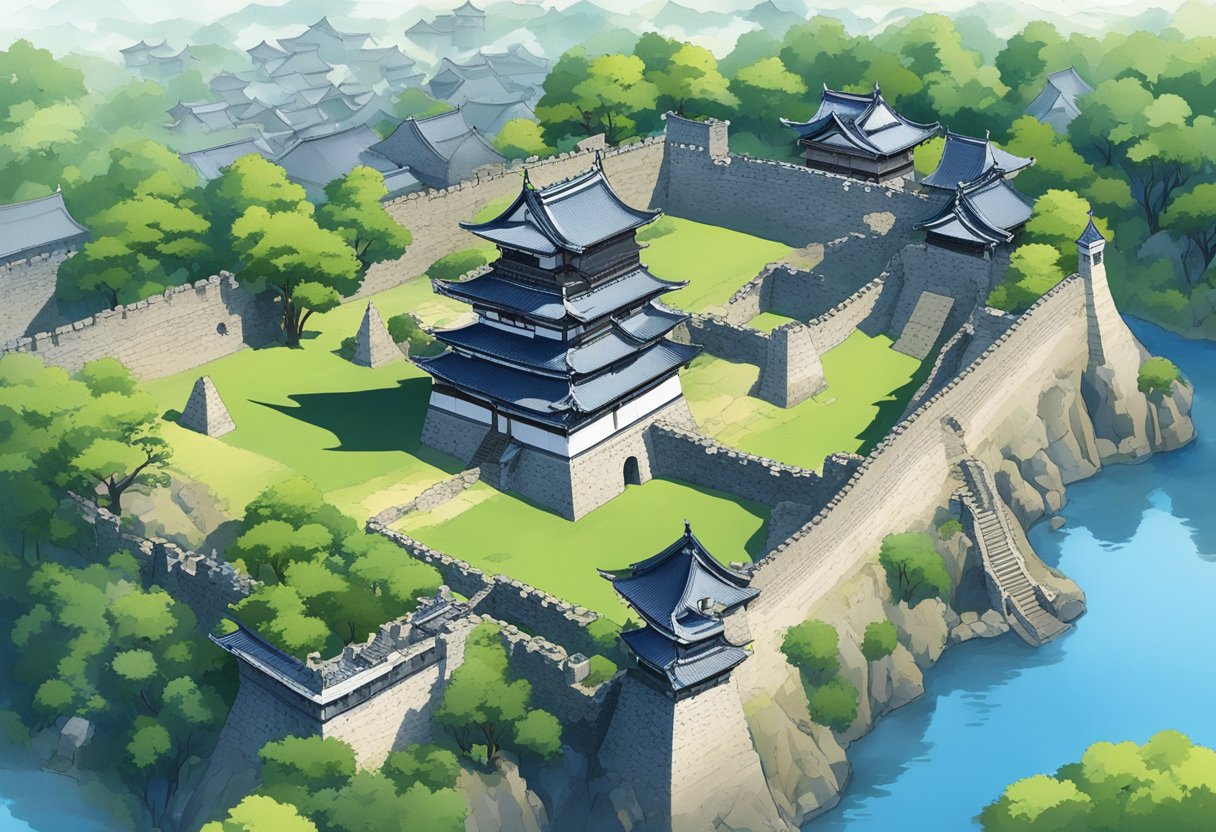
Kawagoe Castle, known for its historical significance, offers visitors a chance to explore Honmaru Palace and the surrounding castle grounds.
Honmaru Palace
Honmaru Palace, the only remaining building of Kawagoe Castle, served as the lord’s residence and administrative offices. Built in 1457, it showcases the architectural design of the Edo period. This palace provides a glimpse into the lifestyle of the castle’s inhabitants.
Visitors can tour the rooms where political meetings and daily activities took place. The preserved interiors, with tatami flooring and sliding paper doors, create an authentic experience. Honmaru Palace holds special significance as it survived the turbulent times that saw the rest of the castle buildings destroyed.
The palace is accessible via Tobu Bus West from Kawagoe Station. Alternatively, visitors can use the CO-EDO Loop Bus, which stops right in front of the palace. Admission is from 9:00 am to 5:00 pm, and the palace is closed on Mondays (or the following day if Monday is a holiday).
Castle Grounds
The Castle Grounds cover a broad area that allows visitors to explore the ruins and picture the grand structure that once stood there. Stone foundations and defensive walls remain, highlighting the strategic importance of Kawagoe Castle in the region’s history.
Strolling through the grounds, I saw markers explaining the historical significance of various sections. This adds context to the castle’s history and how it impacted the local area.
The grounds are relatively flat and easy to navigate, making them accessible for most visitors. Guided tours are available for those interested in detailed historical narratives. The grounds are also a pleasant spot for a leisurely walk, offering peaceful scenery amidst historical ruins.
Kawagoe Festival Museum
The Kawagoe Festival Museum offers a deep dive into the rich history and traditions of Kawagoe’s annual festival. Visitors can see the impressive floats up close and engage with various interactive displays.
Festival Float Exhibits
The Kawagoe Festival Museum features two actual festival floats. These floats are massive, two-story structures, beautifully decorated with intricate designs. The craftsmanship is stunning, showcasing traditional Japanese art and culture. Each float has its own unique character and history, representing different neighborhoods of Kawagoe.
Visitors can walk around the exhibits and appreciate the details up close. Information boards provide insights into the significance of each float and the traditions they represent. The floats are sometimes accompanied by traditional music recordings, enhancing the experience.
Interactive Displays
In addition to the floats, the museum has interactive displays that bring the festival to life. A large screen, about six meters by four meters, shows a 6-minute video of the festival day, replayed every 20 minutes. This video immerses visitors in the sounds and sights of the event.
There are also hands-on activities where visitors can try on festival costumes or learn how to play traditional festival instruments. These engaging experiences are designed to give everyone a feel of participating in the festival. The interactive elements make the history and culture of the Kawagoe Festival accessible and exciting for all ages.
Kita-in Temple
Kita-in Temple is a historic site in Kawagoe. It’s known for its unique statues and preserved buildings from the Edo period.
Gohyaku Rakan Statues
Kita-in Temple features 538 Rakan statues, representing Buddha’s disciples. Each statue has a distinct expression, making it a fascinating sight. Visitors often spend time identifying the various emotions and details carved into these historical sculptures.
These statues are unique to Kita-in and reflect the artistry of the Edo period. The garden where they are housed provides a calming atmosphere. The statues have weathered centuries but remain a significant part of the temple’s charm.
Historic Buildings
Kita-in is home to the last remaining parts of Edo Castle. The buildings include former palace structures from the Edo period. These historical buildings have been carefully preserved and offer a glimpse into Japan’s feudal past.
Walking through these halls, I could imagine life during the time of the Tokugawa shogunate. The tatami-covered floors and traditional rooms transport visitors back in time. This part of the temple is both educational and visually appealing. The blend of history and architecture makes it a must-see destination.
Bell of Time Tower
The Bell of Time Tower, or Toki-no-Kane, is one of Kawagoe’s most iconic landmarks. Built in the early 1600s, this bell tower has a long history. It was originally constructed to keep the people of Kawagoe informed of the time.
The tower has been rebuilt multiple times due to fires. The current structure dates back to 1894, following the Great Fire of Kawagoe. Its three stories and 16-meter height make it a standout feature in the town’s skyline.
You can hear the bell ring four times a day: at 6 am, noon, 3 pm, and 6 pm. This tradition has continued for hundreds of years, providing a unique auditory experience for visitors.
Located in the heart of the historic area, the Bell of Time Tower is surrounded by old warehouses and traditional shops. Walking around the area, you’ll feel transported back to the Edo period.
For those interested in history, architecture, or simply enjoying a piece of traditional Japan, the Bell of Time Tower is a must-see. It offers a glimpse into the past and remains a beloved symbol for locals and tourists alike.
Candy Alley
Candy Alley, or Kashiya Yokocho, is a charming street in Kawagoe lined with shops selling traditional Japanese sweets. It’s a nostalgic spot, popular for its old-fashioned treats and unique local delicacies.
Traditional Sweets
On Candy Alley, you can find karinto, deep-fried cookies coated in sugar. These are crunchy and sweet, making them a favorite among visitors. Another popular treat is rice crackers, known as senbei. These come in various flavors, from sweet to savory. Many shops also sell dagashi, cheap candies that remind many Japanese of their childhoods. Amazake, a sweet rice drink, is often enjoyed along with these sweets, offering a traditional beverage to complement the snacks.
Local Delicacies
One must-try local delicacy on Candy Alley is yaki-imo, roasted sweet potatoes. These are famous for their sweet, rich flavor. Additionally, there’s red bean cakes, which are soft cakes filled with a sweet red bean paste. During warmer months, ice cream is a popular choice. Many shops offer unique flavors, like matcha (green tea) or sesame. For those looking for something a bit different, pickled vegetables and various bean snacks are also available, providing a taste of local savory treats amidst the sweetness.
Kawagoe Hikawa Shrine
Kawagoe Hikawa Shrine, with its rich history and unique traditions, is a must-visit destination. This ancient shrine holds deep cultural importance and offers fascinating rituals for visitors.
Shinto Rituals
At the Kawagoe Hikawa Shrine, you’ll get to experience various Shinto rituals. One of the most popular activities is writing wishes on small wooden plaques called ema. You can find these plaques near the entrance, and they allow you to express your deepest hopes and desires.
Another interesting ritual involves tying a red string around a tree branch. This act is believed to strengthen the bonds of love and marriage. You might notice many couples doing this together.
I also recommend partaking in the purification ritual. Visitors cleanse their hands and mouths at the shrine’s chozuya (water fountain) before approaching the main altar. This act can make your visit feel more meaningful and connected to the spiritual surroundings.
Cultural Significance
Kawagoe Hikawa Shrine is not just a place of worship but also a landmark of cultural heritage. It dates back over 1,500 years, housing five deities who are closely associated with family and marital happiness. These deities include Susanoo no Mikoto and Kushinadahime no Mikoto.
The shrine’s historical value is immense, making it a popular spot for people looking for blessings in love and family life. You will see charm-filled areas within the shrine that couples visit to pray for a happy marriage.
The shrine’s peaceful setting away from the city’s main tourist spots adds to its cultural charm. You might appreciate its quiet atmosphere, which offers a serene escape from the hustle and bustle.
Exploring the Kawagoe Hikawa Shrine provides a rich, immersive experience that connects you to Japan’s ancient traditions.
Local Breweries and Sake Tasting
Kawagoe offers a rich experience for sake lovers and anyone interested in Japanese culture. One of the top spots to visit is Koedo Kurari. This place is housed in three old sake cellars of the former Kagamiyama Shuzo Brewery, dating back to 1875.
Koedo Kurari is not just a brewery. It’s a mini shopping area where you can taste regional sake from Saitama Prefecture. I found it fascinating that you can walk through historical buildings while sampling different types of sake.
For sake tasting, head to Kikizakedokoro Showagura, one of the cellars in Koedo Kurari. Here, many local sake varieties are available. You get to try sake made from rice and water grown in Kawagoe, using traditional techniques handed down through generations.
Opening Hours:
- Taishō warehouse: 11 am to 3 pm, then 5 pm to 10 pm on weekdays
- Shōwa warehouse: 11 am to 7 pm
When visiting, you may need directions. It’s about a 15-minute walk from Kawagoe Station. If you prefer, take the CO-EDO Loop Bus and get off at Kappō Kawashima.
Another notable place is Koedo Kagamiyama Sake Brewery. It’s the only sake brewer in Kawagoe with a deep passion for quality handmade sake. Using the pure water from the Chichibu mountain range, they produce some of the best local flavors of sake.
Don’t miss these spots if you’re keen to explore the local brew scene. The atmosphere, the history, and the taste make it an essential part of visiting Kawagoe.
Museum of Kurazukuri
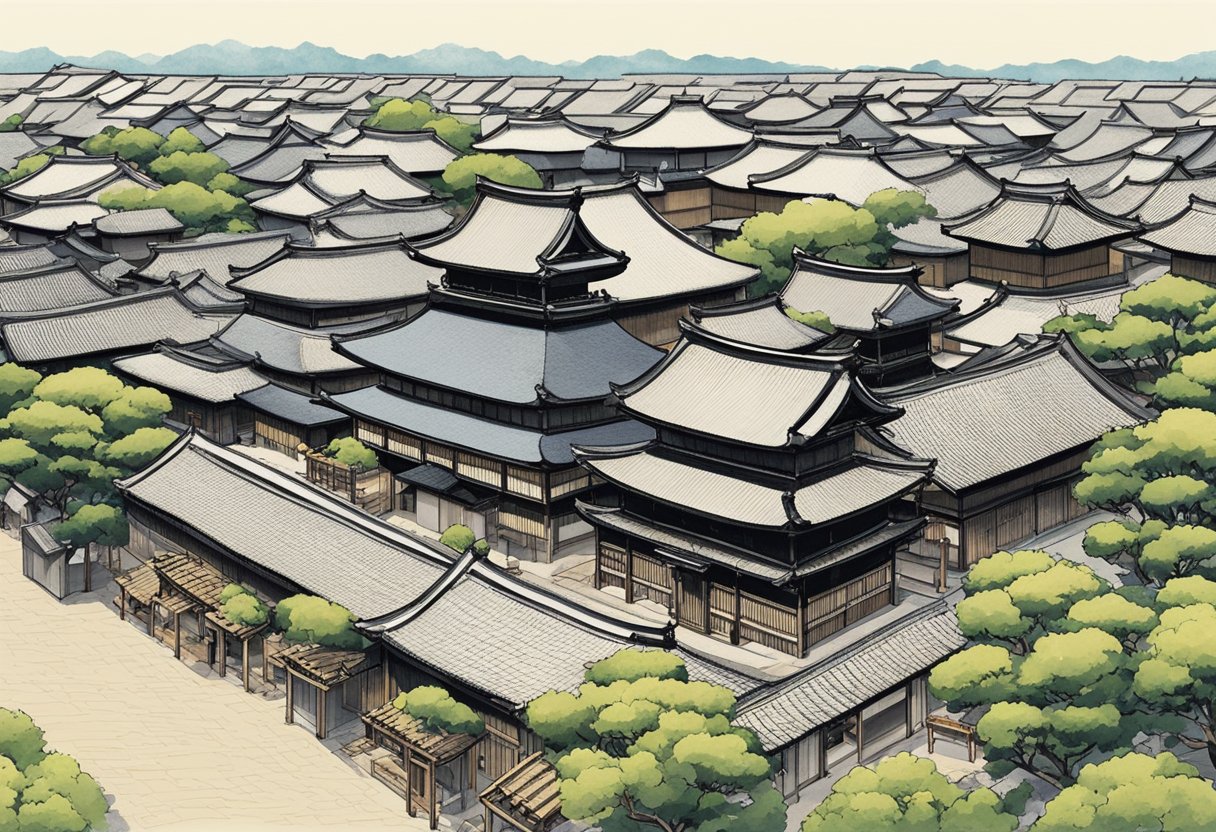
The Museum of Kurazukuri is located in Kawagoe’s Warehouse District. It offers a glimpse into traditional Japanese architecture. The building itself is a former tobacco wholesaler’s shop.
Inside, you can see displays of historical tools and artifacts. These include old machines and other items. The walls and layout give a sense of the past.
Key Features:
- Traditional Architecture:
- Thick clay walls
- Unique design elements
- Historical Exhibits:
- Old machines
- Everyday items from the past
The museum is small but packed with interest. It’s a short walk from Candy Alley, making it easy to visit multiple sites in one trip.
A visit to this museum helps you appreciate the rich history of Kawagoe. The preserved building and artifacts tell stories of the town’s heritage. Each part of the museum offers insights into different aspects of life in old Japan.
Seasonal Events
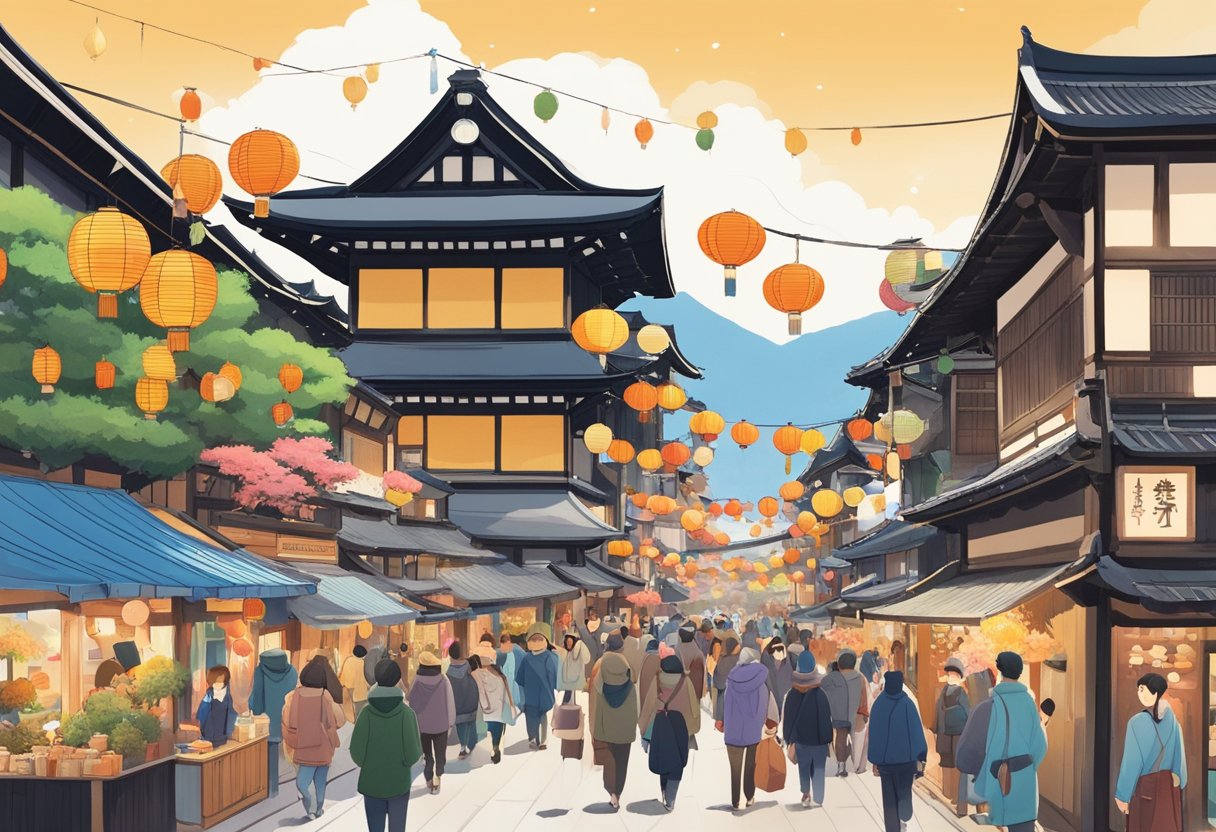
Kawagoe hosts several vibrant seasonal events. These bring the town’s culture and history to life, drawing visitors from all over Japan and beyond.
Kawagoe Matsuri
The Kawagoe Matsuri, held in mid-October, is one of the town’s flagship events. It’s famous for its grand floats, or “dashi,” which are beautifully decorated and illuminated at night. These floats parade through the streets, accompanied by traditional music and performances.
Participants wear colorful yukatas and festival attire, adding to the festive atmosphere. Food stalls line the streets, offering local specialties and festival treats. The event captures the spirit and charm of the Edo period, allowing visitors to experience a slice of historic Japan.
Summer Kimono Festival
In early summer, Kawagoe hosts the Summer Kimono Festival. This event encourages visitors to don kimonos and stroll through the historic streets. It’s an opportunity to experience traditional Japanese culture firsthand.
Many local shops rent out kimonos, making it easy for tourists to join in. During the festival, the town offers various activities like tea ceremonies, calligraphy workshops, and traditional dance performances. The streets are adorned with lanterns and seasonal decorations, creating a picturesque backdrop for photos.
Frequently Asked Questions
Kawagoe is a wonderful destination with rich history, fantastic food, and lots to explore. Here are some answers to common questions that tourists often have when planning a visit.
What are the top attractions to visit during a day trip to Kawagoe?
When visiting Kawagoe, don’t miss the Kurazukuri street, which showcases traditional clay-walled buildings. The Kawagoe Castle Honmaru Palace is also a must-see, with an entrance fee of 100 yen. Lastly, the Toki no Kane bell tower is an iconic symbol of the town.
What traditional food specialties should one try when in Kawagoe?
Kawagoe is known for its sweet potato dishes. You should try the local sweet potato ice cream and sweet potato chips. For something more savory, Hayashiya’s unaju, an eel dish served with pickles and clear soup, is highly recommended.
Which historical landmarks are a must-see in Kawagoe?
Kawagoe Castle Honmaru Palace and the Kurazukuri Warehouse District are key historical spots. Another important site is the Kitain Temple, which includes old temple grounds and 500 statues of Buddha’s disciples.
What are the best activities to do in Kawagoe at night?
At night, stroll through the illuminated Kurazukuri streets to experience Kawagoe’s old-town charm in a different light. You can also visit local izakayas (pubs) for a taste of the nightlife.
Can you recommend a good itinerary for visiting Kawagoe from Tokyo?
Start your day with an early train ride from Tokyo to Kawagoe. Visit the Kurazukuri street and Kawagoe Castle Honmaru Palace in the morning. After lunch, explore Kitain Temple and the Toki no Kane bell tower. Finish your day with a stroll through the warehouse district or visit a local eatery for dinner.
What makes Kawagoe an important cultural destination in Japan?
Kawagoe is often called “Little Edo” because it preserves the atmosphere of the Edo period. Its historical buildings, traditional shops, and cultural festivals offer a glimpse into Japan’s past, making it a valuable destination for anyone interested in Japanese history and culture.