Overview of Kamakura
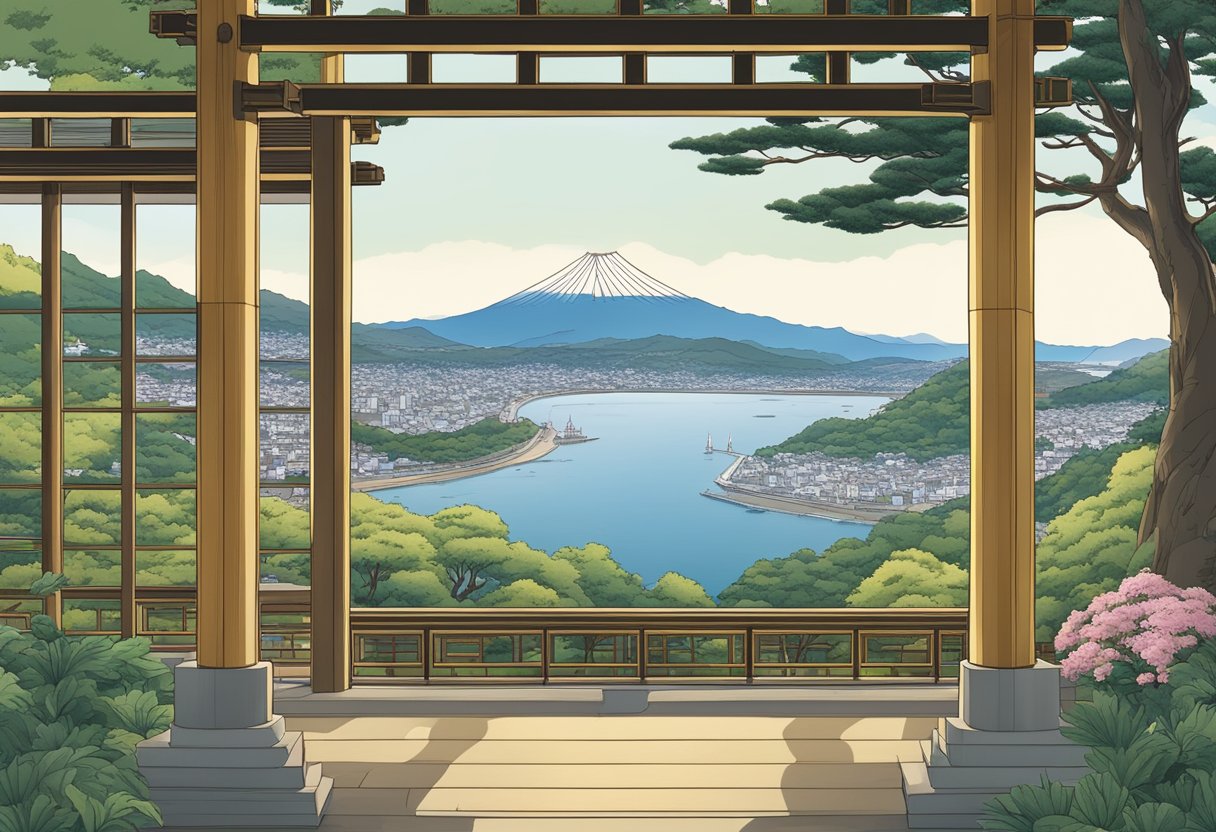
Kamakura is a city rich with history and scenic beauty. It boasts significant historical landmarks and a picturesque coastal setting, making it a desirable destination.
Historical Significance
Kamakura served as the political center of Japan in the late 12th century. Minamoto Yoritomo established his military government here, which ruled for over a century. This era saw the rise of many temples and shrines, which still stand today.
The Great Buddha, or Kamakura Daibutsu, is perhaps the most famous monument. This 11.3-meter bronze statue at Kotoku-in Temple attracts visitors worldwide. Historic temples and the influence of Buddhism and Shintoism are palpable throughout the city. Kamakura’s storied past offers a window into the evolution of Japanese culture and governance.
Geographic Location
Kamakura is located in Kanagawa Prefecture, just south of Tokyo. Its coastal position provides splendid views of the Pacific Ocean. It’s easily accessible, making it perfect for day trips from the capital.
The city’s natural surroundings include lush hills and serene beaches. These landscapes not only add to Kamakura’s charm but also offer various outdoor activities. I find the tranquil atmosphere an excellent contrast to the bustling urban life of nearby Tokyo. This blend of natural beauty and convenient location makes Kamakura a unique destination.
Major Temples and Shrines
In Kamakura, there are several must-visit historical temples and shrines that showcase the rich cultural heritage of the area. Each site offers unique architectural beauty and spiritual significance.
Tsurugaoka Hachimangu
The Tsurugaoka Hachimangu is one of Kamakura’s most important shrines. Founded in 1063, it is dedicated to Hachiman, the god of warriors. The approach to the shrine is grand, lined with torii gates and a long stone stairway that leads to the main hall.
At the top, you can enjoy panoramic views of the city. Seasonal festivals are held here, attracting many visitors. The shrine grounds also feature koi ponds and peonies in the garden, adding to the serene atmosphere.
Kotoku-in
Kotoku-in is famous for the Great Buddha statue, a giant bronze statue that stands at 13.35 meters tall. This statue, known as Daibutsu, was cast in 1252 and originally housed in a large temple hall. After a tsunami in the 15th century, the Buddha has stood in the open air.
Visitors can enter the statue and see its interior. The temple grounds are peaceful, with surrounding gardens and wooded areas. Kotoku-in is an iconic symbol of Kamakura and is a must-see for any visitor.
Hase-dera
Hase-dera temple is known for its impressive wooden statue of Kannon, the goddess of mercy. Standing at 9.18 meters tall, it is one of the largest wooden statues in Japan. The temple complex offers beautiful gardens, a scenic view of the coastal area, and several other statues and halls.
One notable feature is the Kyozo Sutra Archive, which houses important Buddhist scriptures. There’s also a grotto called Benten-kutsu, filled with small statues. Hase-dera is especially popular during the hydrangea season, drawing large crowds to see the vibrant flowers.
Natural Attractions
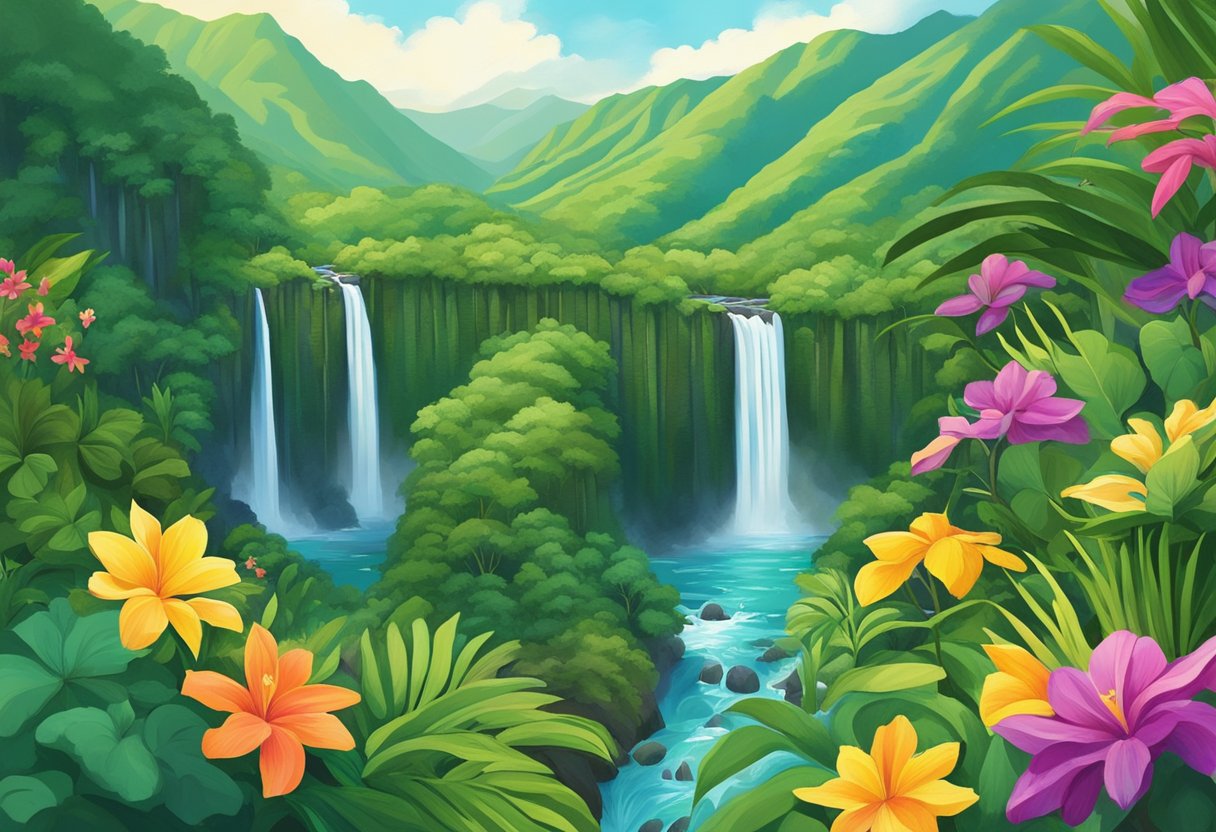
In Kamakura, you can enjoy a variety of stunning natural attractions. From relaxing at beautiful beaches to exploring scenic hiking trails, there’s plenty to experience.
Kamakura Beaches
Kamakura is home to several picturesque beaches. Yuigahama Beach and Zaimokuza Beach are two of the most popular spots.
Yuigahama Beach is perfect for swimming and sunbathing. It’s a great place to relax and enjoy the ocean. There are many beachside cafes and restaurants where you can grab a bite to eat.
Zaimokuza Beach is ideal for water sports. You can try activities like surfing and paddleboarding. The beach is also less crowded, making it a peaceful spot to unwind.
Both beaches offer stunning sunset views. They are easily accessible by train, so it’s convenient to plan a day trip.
Hiking Trails in Kamakura
Kamakura also has fantastic hiking trails that offer breathtaking views.
The Daibutsu Hiking Trail takes you through lush forests and offers a chance to see the iconic Great Buddha of Kamakura along the way. The trail is about 3 kilometers long and suitable for beginners.
The Tenen Hiking Trail is another great option. This trail goes through serene woods and offers glimpses of ancient temples and shrines. It’s slightly more challenging but still manageable for most hikers.
Lastly, the Gionyama Hiking Course provides splendid views of both the city and the sea. This trail is shorter but offers a good workout and scenic spots.
These trails provide a wonderful mix of nature and history, making your hike both enjoyable and enriching.
Cultural Experiences
Kamakura offers rich cultural experiences, including visiting traditional tea houses and participating in Zen meditation sessions. These activities provide a deeper understanding of the city’s heritage.
Traditional Tea Houses
Visiting a traditional tea house in Kamakura is a unique and calming experience. I recommend stopping by Jomyo-ji Temple, which features a tea house with a beautiful view of its Japanese garden.
Here, you can enjoy matcha tea, served with seasonal sweets, while sitting on tatami mats.
The tea ceremony itself is an art. The host meticulously prepares the tea, emphasizing harmony, respect, and tranquility. Observing the precise movements and rituals involved offers insights into Japanese culture and history.
Zen Meditation Sessions
Zen meditation, or Zazen, is practiced at several temples in Kamakura. One notable place is Kencho-ji Temple, Japan’s oldest Zen training monastery.
Participating in a Zazen session involves sitting quietly, focusing on your breath, and clearing your mind. It’s challenging yet rewarding.
The sessions usually start with a brief introduction for beginners. Dressed in comfortable clothes, you’ll sit on a cushion in a quiet room, often with a group. The experience is serene, helping you connect with your inner self and appreciate the simplicity of Zen practice.
Both traditional tea houses and Zen meditation sessions provide meaningful ways to engage with Kamakura’s cultural heritage.
Museums and Galleries
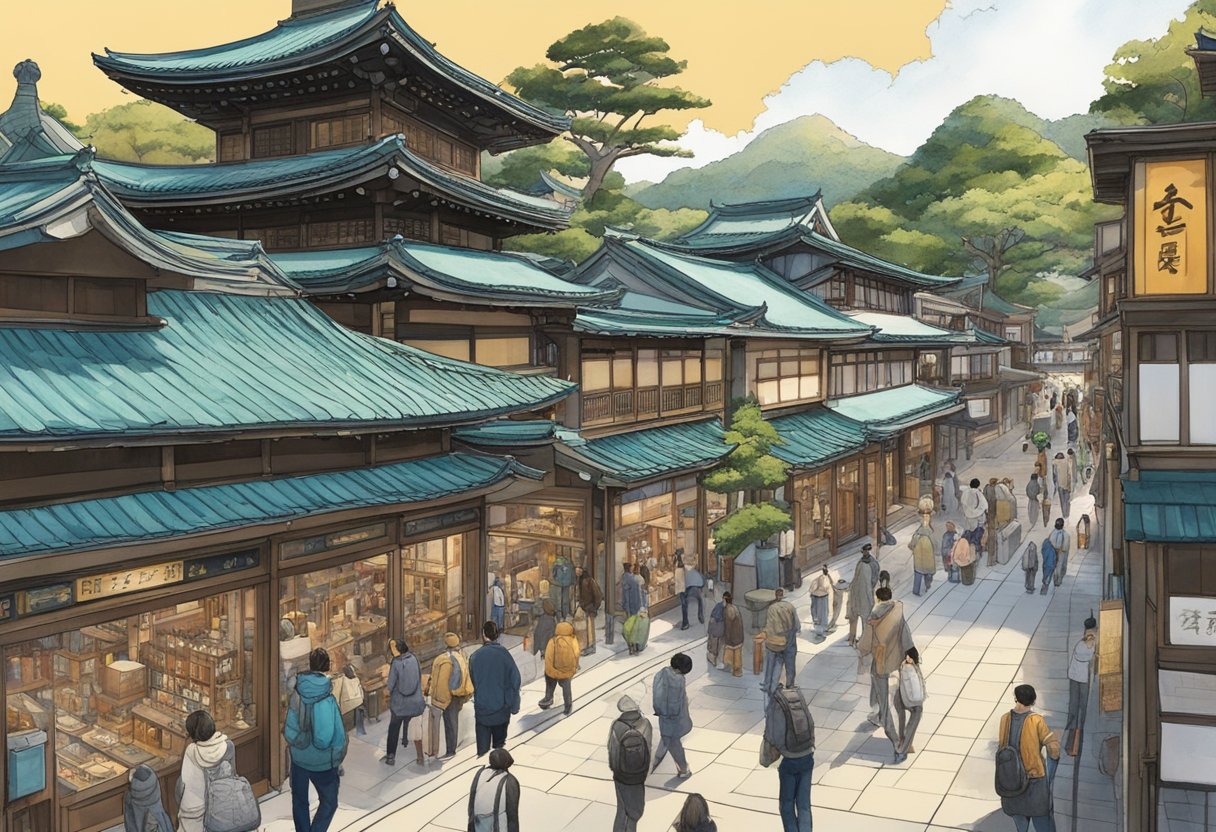
Kamakura boasts multiple notable museums and galleries that showcase its rich history and culture. Among them are the Kamakura Museum of National Treasures and the Kamakura Gallery, offering diverse experiences for art and history enthusiasts.
Kamakura Museum of National Treasures
This museum houses some of the most valuable artifacts from Japan’s storied past. Located at the heart of Kamakura, it features sacred Buddhist sculptures dating back to the 12th century.
Visitors can also find scroll paintings and other significant historical items. The museum is known for its well-preserved national treasures, providing deep insights into the country’s spiritual and artistic heritage.
The displays are arranged thoughtfully, making it easier to understand the historical context of each item. This museum is a must-visit for anyone interested in Japan’s rich cultural history.
Kamakura Gallery
The Kamakura Gallery is an art lover’s paradise. It showcases work from both historical and contemporary Japanese artists. The gallery’s collection includes paintings, sculptures, and mixed media works, offering a broad spectrum of artistic expression.
One of the standout features of this gallery is its focus on lesser-known local artists. This provides a unique perspective on Kamakura’s artistic landscape.
Temporary exhibitions are held frequently, ensuring that each visit offers something new. The gallery itself is housed in a charming, historic building, adding to its allure. For those interested in Japanese art, the Kamakura Gallery is a place not to be missed.
Shopping and Cuisine
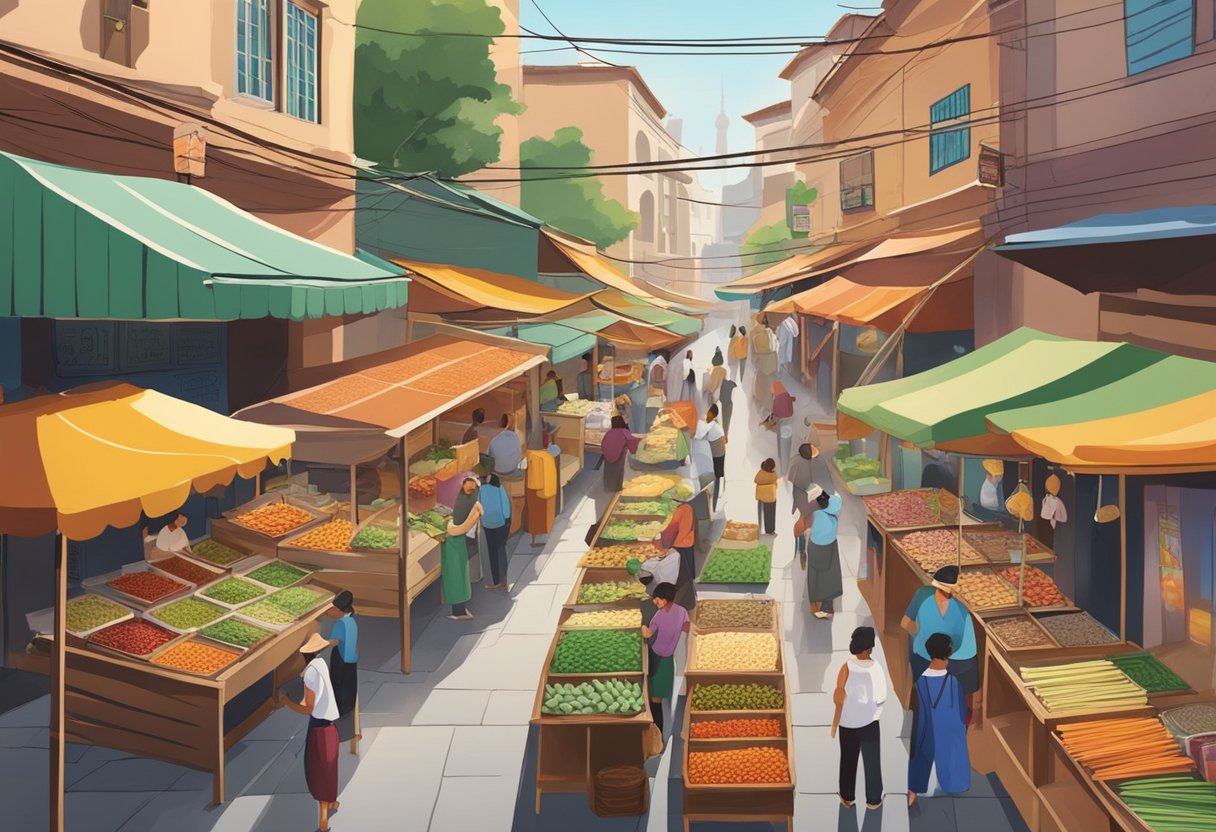
Kamakura offers unique shopping experiences and delicious local cuisine. Komachi Street is a bustling shopping area near Kamakura Station, while the local culinary specialties are sure to delight any food lover.
Komachi Street
Komachi Street is near Kamakura Station, making it a convenient spot for visitors. The street is lined with souvenir shops, gourmet restaurants, cafes, and food stands.
Walking down Komachi Street, I see many options for snacks and quick bites. Street food stands offer treats like croquettes and ice cream. There are shops selling traditional Japanese items like fans, dolls, and pottery. Many cafes and restaurants serve local dishes, providing a good taste of Kamakura’s culinary scene.
At the end of Komachi Street stands Tsurugaoka Hachimangu Shrine. After shopping, visitors can explore this historical site, which adds to the charm of the street.
Local Culinary Specialties
Kamakura is famous for its variety of seafood, like fresh sushi and sashimi. These dishes are found in many restaurants around the city, showcasing the area’s coastal bounty.
Shirasu, or whitebait, is a particularly popular dish here. It can be found in several forms, including rice bowls and sushi, and is a must-try for seafood lovers. Kamakura also offers unique sweets, such as sweet potato soft serve and matcha-flavored treats.
I enjoy sampling local pastries and teas at small cafes. From savory to sweet, Kamakura’s food scene is diverse and enticing, guaranteeing a satisfying culinary journey for every visitor.
Seasonal Events and Festivals

Kamakura offers a variety of seasonal events that truly capture its rich cultural heritage. Whether you’re admiring cherry blossoms or participating in historical festivals, there’s something for everyone.
Cherry Blossom Viewing
In spring, Kamakura becomes a picturesque destination with cherry blossoms in full bloom. I love visiting Tsurugaoka Hachimangu Shrine during this time. The shrine grounds are decorated with rows of cherry trees, creating a stunning view. People gather to enjoy hanami, or flower viewing, and it’s a great opportunity to experience traditional picnics under the blossoms.
Engaku-ji Temple is another prime spot for cherry blossom viewing. The temple’s serene atmosphere combined with blooming cherry trees offers a peaceful retreat. Early morning visits provide a quiet and less crowded experience.
For a more active outing, the Kamakura Daibutsu hiking trail offers scenic views of cherry blossoms. The trail leads to the Great Buddha, allowing me to combine nature and culture in one trip. Don’t forget your camera; the photo opportunities are endless.
Kamakura Matsuri Festival
Kamakura Matsuri is held every April and celebrates the city’s historical significance. The festival starts with a grand parade through Wakamiya Oji Street, featuring traditional music, dance, and costumes. I enjoy the spectacle of mikoshi (portable shrines) carried through the streets by enthusiastic locals.
One highlight is the Yabusame, or horseback archery, held at Tsurugaoka Hachimangu. Skilled archers dressed in traditional garb shoot arrows at targets while riding at full speed. The excitement and skill on display are something to behold.
The festival also includes various food stalls and traditional games. Exploring these stalls offers a taste of local delicacies and a chance to partake in fun activities.
Frequently Asked Questions

When planning a trip to Kamakura, there are a few key aspects visitors often wonder about, including popular attractions, winter spots, evening activities, local cuisine, comparison with Nikko, and transportation options from Tokyo.
Which are the top attractions to visit when in Kamakura for just one day?
If you only have one day in Kamakura, you shouldn’t miss the Great Buddha (Daibutsu) at Kotoku-in. This large bronze statue is a notable symbol of Kamakura.
Another must-see is the Tsurugaoka Hachimangu Shrine, known for its historical significance and beautiful surroundings.
What are the recommended spots to visit in Kamakura during the winter season?
In winter, the Hasedera Temple is enchanting. The temple is adorned with winter flowers and offers a peaceful atmosphere.
Zeniarai Benten Shrine is another great winter spot. It’s famous for its spring water, and visitors often wash money here, believing it will bring good fortune.
Can you suggest some evening activities or sights in Kamakura?
In the evening, walking through Komachi Street can be delightful. It’s lined with various shops and eateries.
Another nice evening activity is visiting the illuminated bamboo forest at the Hokokuji Temple. It offers a serene and unique experience.
What unique cuisine or local foods should one try while in Kamakura?
Kamakura is known for its fresh seafood. Shirasu (whitebait) rice bowls are a local delicacy you should try.
I also recommend trying Hato Sabure, a dove-shaped butter cookie that is a popular souvenir from Kamakura.
How does Kamakura compare to Nikko for tourists considering both destinations?
Kamakura offers a coastal vibe with zen temples and historical sites. It’s great for a relaxed visit with beautiful beaches nearby.
Nikko, on the other hand, has more mountainous terrain and is famous for its ornate shrines and natural hot springs. Both destinations provide unique experiences, depending on what you’re looking for.
What are the transportation options from Tokyo to Kamakura?
One easy way to reach Kamakura from Tokyo is by taking a train. The JR Yokosuka Line from Tokyo Station goes directly to Kamakura Station.
Another option is the Enoshima Electric Railway (Enoden), which offers scenic views along the coast. This is a good choice if you’re traveling from cities like Fujisawa.