Self-reflection is a powerful tool for personal growth. It allows us to understand our thoughts, feelings, and actions. Inspired by the rich culture of Japan, we can explore deep questions that provoke meaningful insights. Each question invites you to look within and discover more about yourself. Are you ready to embark on this journey? Let’s explore these 21 self-reflection questions inspired by Japan.
What Does Harmony Mean to You?
In Japanese culture, harmony, or wa, is vital. It emphasizes balance in relationships and within oneself. Reflect on your life—do you seek harmony? Consider how it affects your interactions with others. Are you fostering peaceful connections?
Think about moments when you felt balanced. What contributed to that feeling? Acknowledge the elements that create peace in your life.
By understanding your perspective on harmony, you can enhance your relationships and inner peace. What steps can you take to cultivate more harmony?

How Do You Define Beauty?
Japan has a unique view of beauty, often found in simplicity and nature. This idea is captured in the term iki, which represents refined elegance. What does beauty mean to you? Is it about appearance, or does it run deeper?
Consider your surroundings. How does nature influence your sense of beauty? Reflect on moments when you experienced true beauty. What emotions did those moments evoke?
Understanding your definition of beauty can lead to greater appreciation. Are you seeing beauty in everyday life?
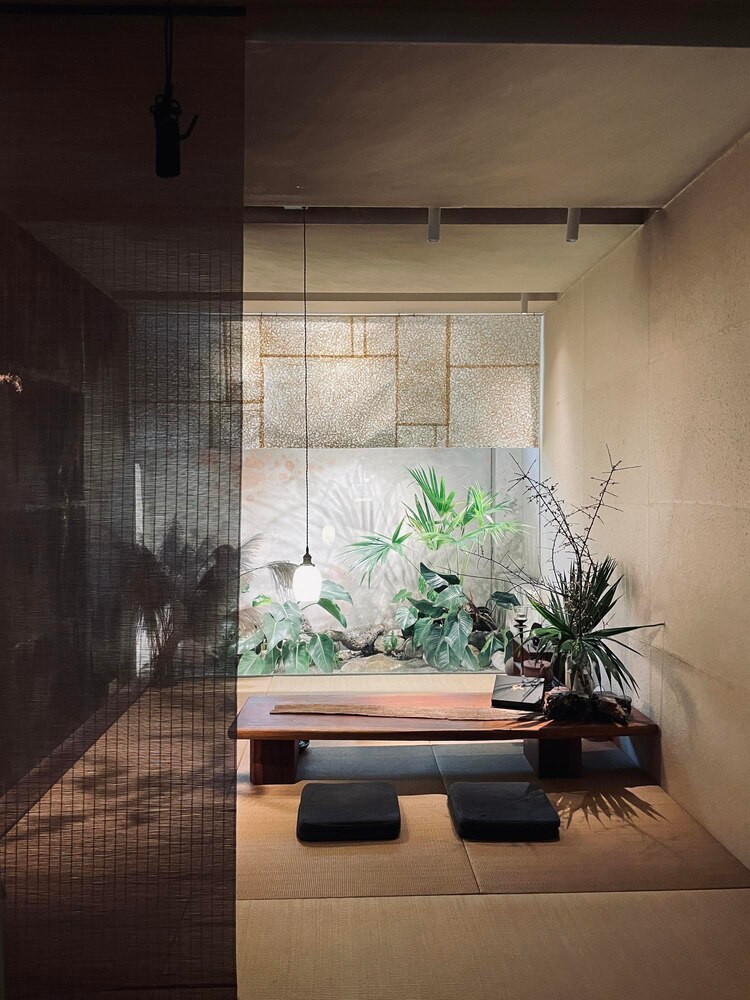
What is Your Purpose?
In Japan, purpose is often linked to the concept of ikigai, or “a reason for being.” This idea encourages you to find what brings joy and fulfillment. Have you identified your ikigai? What passions drive you?
List the activities that make you feel alive. Which of these connect to your sense of purpose? Reflect on how pursuing your passions can enhance your life.
Finding your purpose can lead to a more fulfilling existence. Are you ready to explore what truly matters to you?

How Do You Handle Change?
Japan’s seasons symbolize the beauty of change. Each season brings new experiences and lessons. How do you react to change in your life? Do you embrace it, or do you resist?
Think about a significant change you faced. What did you learn from that experience? Reflect on how adapting to change can lead to growth and new opportunities.
Understanding your attitude toward change can empower you. Are you ready to face change with an open heart?
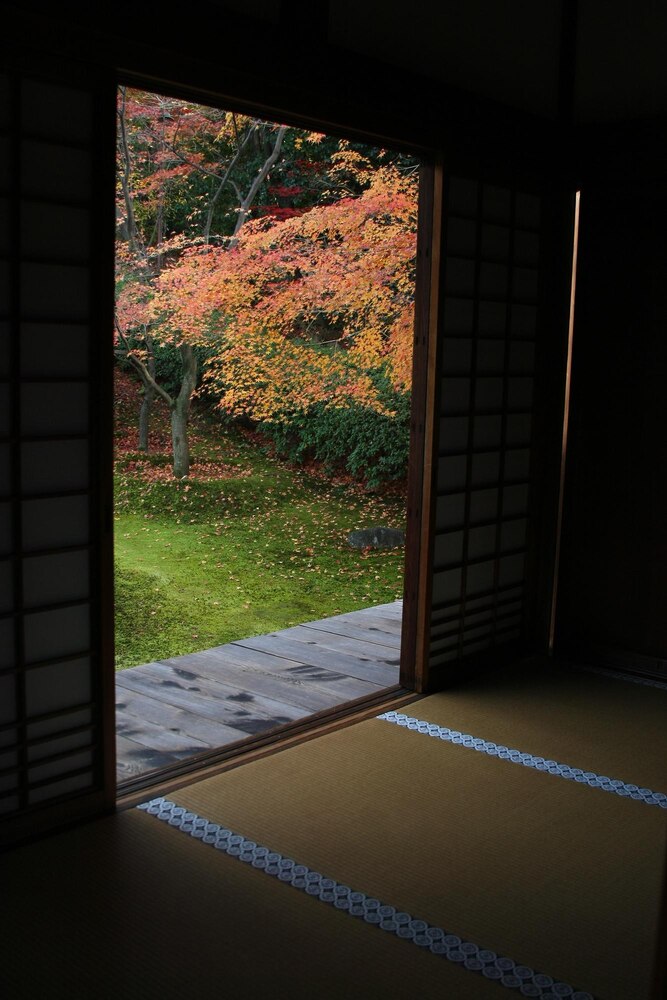
What Role Does Nature Play in Your Life?
In Japan, nature is revered and deeply integrated into daily life. From cherry blossoms to tranquil gardens, nature inspires many aspects of culture. How often do you connect with nature? Does it bring you peace?
Consider the last time you spent time outdoors. What feelings did it evoke? Reflect on how nature influences your mood and creativity.
Recognizing the importance of nature can enhance your well-being. How can you incorporate more nature into your life?
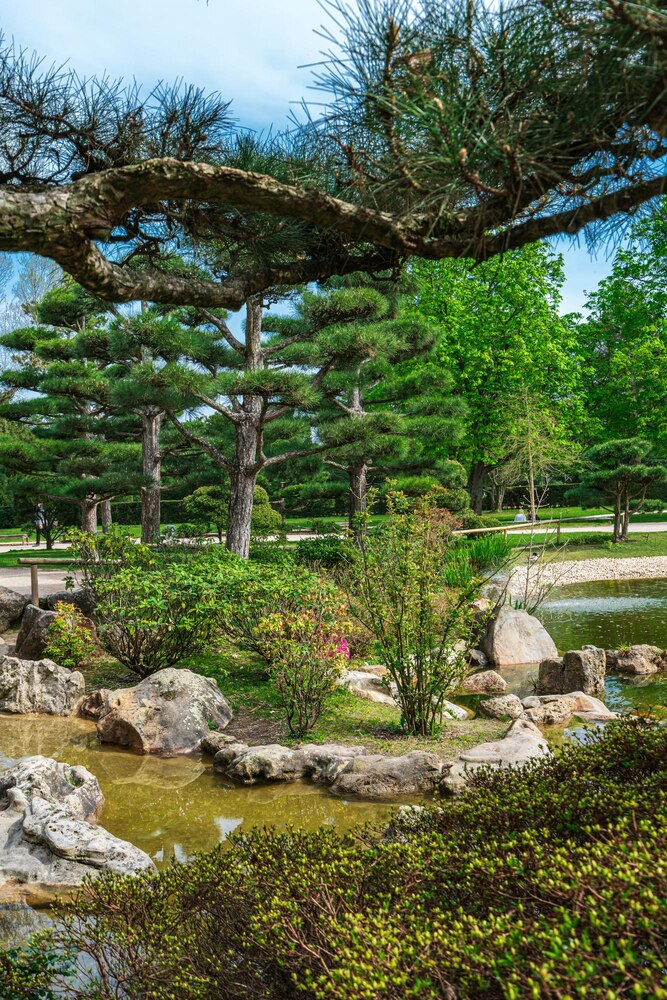
What Values Shape Your Decisions?
Japanese culture emphasizes values such as respect and humility. These principles guide behavior and decision-making. What values do you hold dear? How do they influence your choices?
Reflect on a recent decision. Did your values play a role? Consider how living in alignment with your values can lead to greater satisfaction.
Understanding your core values can bring clarity to your life. Are you ready to make decisions that reflect who you truly are?
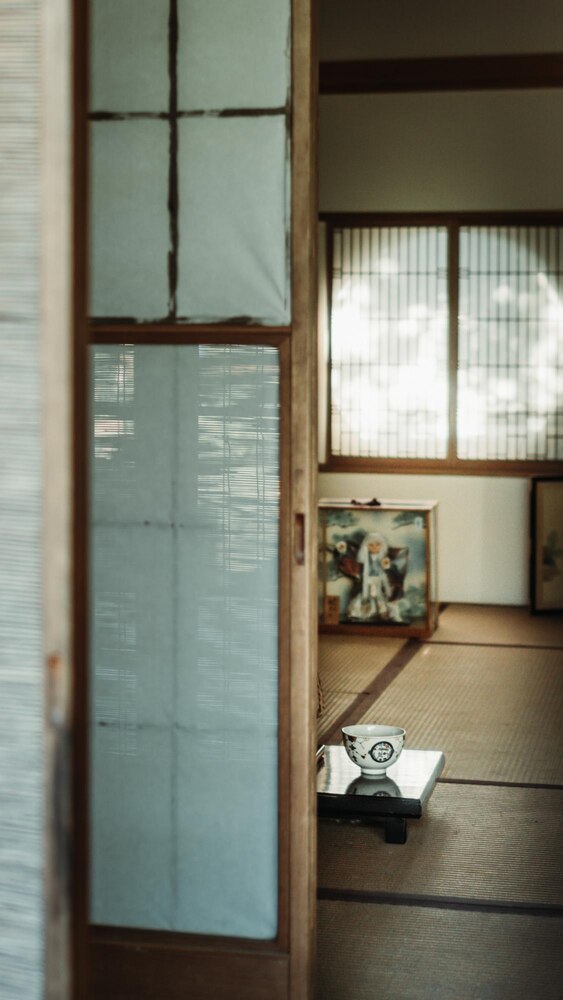
How Do You Practice Mindfulness?
Mindfulness is key in Japanese culture, encouraging presence in each moment. Practices like tea ceremonies highlight the beauty of being present. How often do you practice mindfulness? Do you take time to appreciate the now?
Think about daily activities. Are you fully engaged, or do you often rush through them? Reflect on how mindfulness can improve your daily experience.
Embracing mindfulness can enhance your quality of life. What steps can you take to be more present in your everyday moments?
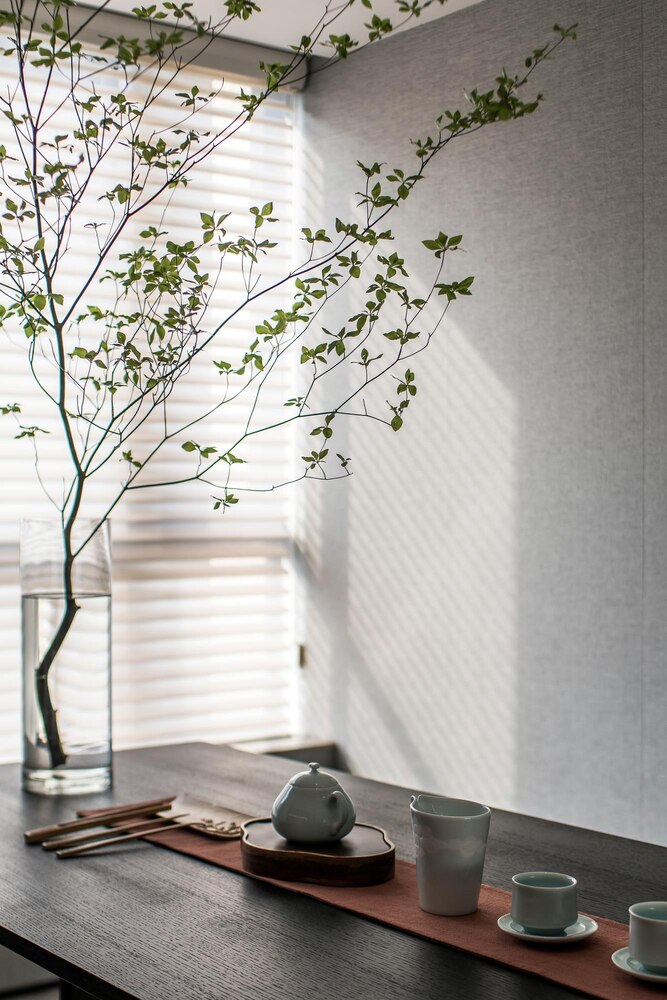
What Does Freedom Mean to You?
Freedom is a powerful concept. In Japan, the idea often relates to both personal and societal aspects. It prompts you to explore your own definition of freedom. What does it look like in your life?
Consider the choices you make daily. Are they truly yours? Reflect on the constraints you experience. Are they self-imposed or influenced by others?
Finding your personal freedom can lead to growth. It allows you to align with your true self. Ask yourself how you can break free from limitations. What steps can you take to embrace your freedom?
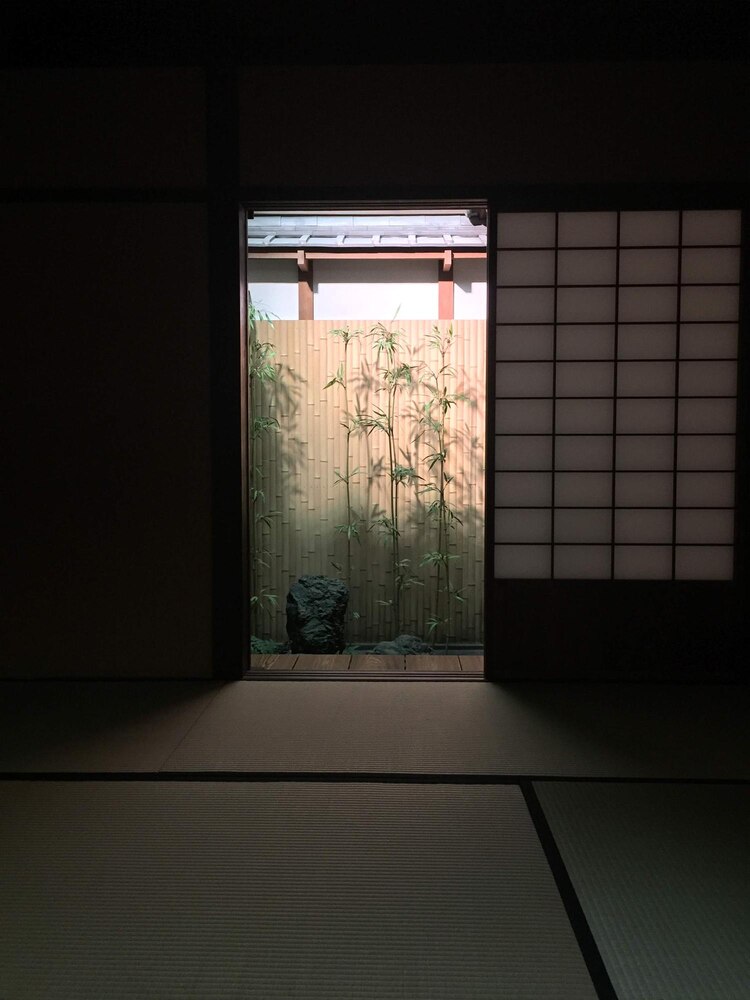
How Do You Connect with Tradition?
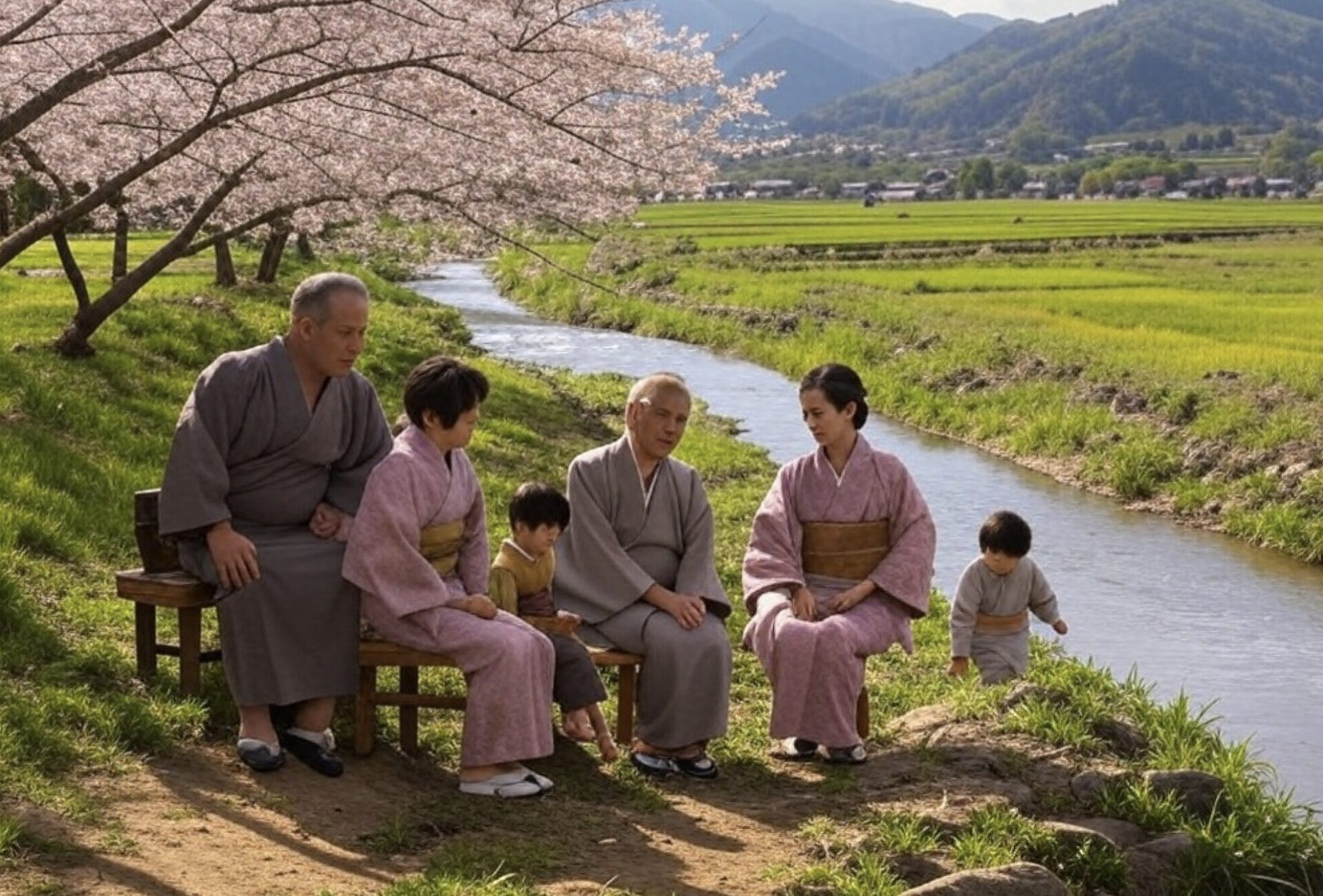
Tradition plays a significant role in Japanese culture. It shapes identities and communities. Think about your own traditions. How do they connect you to your past?
Reflect on family customs, cultural practices, or even personal rituals. These connections can ground you, offering a sense of belonging. What traditions are most important to you?
Consider how you can honor these traditions. Could you share them with others? Engaging with your history can enrich your life and strengthen your roots.
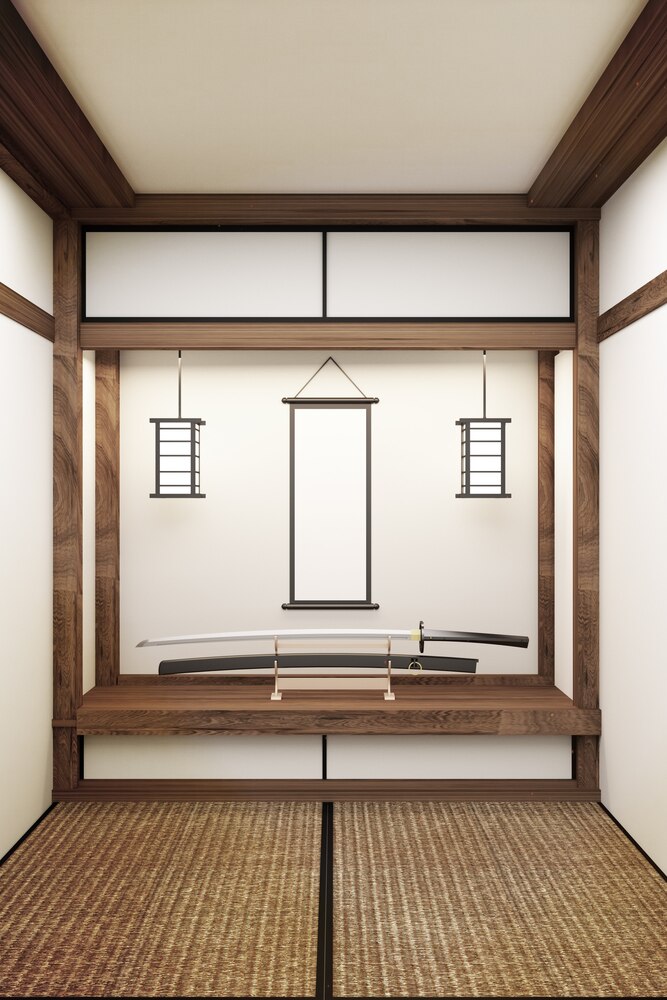
What Is Your Relationship with Silence?
Silence is a valued aspect of Japanese life. It invites reflection and peace. What does silence mean for you? Can you find comfort in it?
Think about the moments when you embrace silence. Do they help you recharge? Reflect on how often you seek quiet time. In today’s noisy world, silence can be a rare treasure.
By appreciating silence, you can connect more deeply with your thoughts and feelings. Consider setting aside time for quiet reflection. How might this practice benefit your mental clarity?

How Do You Cultivate Gratitude?
Gratitude is a central theme in Japanese philosophy. It encourages appreciation for the small things. What are you grateful for today? Take a moment to reflect.
Consider keeping a gratitude journal. Writing down what you appreciate can shift your mindset. Are there specific people or experiences you often overlook?
Gratitude can lead to greater happiness. It helps you focus on the positive aspects of life. What can you do daily to express your gratitude more fully?

What Role Does Simplicity Play in Your Life?
Simplicity is a key principle in Japanese culture. It promotes clarity and focus. How does simplicity manifest in your life? Do you find joy in the simple things?
Reflect on your environment and daily routines. Are they cluttered or streamlined? Simplifying can lead to less stress and more clarity.
Consider ways to embrace simplicity. This might involve decluttering your space or simplifying your schedule. How can you make your life feel more manageable?

How Do You Embrace Change?
Change is inevitable in life. In Japan, it’s often seen as a natural part of existence. How do you approach change? Do you resist it or welcome it?
Reflect on past changes you’ve faced. What did you learn from those experiences? Embracing change can lead to personal growth and new opportunities.
Consider how you can shift your mindset about change. Instead of fearing it, view it as a chance to evolve. What steps can you take to embrace upcoming changes in your life?
What Does Community Mean to You?
Community is vital in Japanese society. It fosters connection and support. What does community look like in your life? Who are your pillars of support?
Reflect on the relationships you have with those around you. Are you actively contributing to your community? Consider how you can deepen these connections.
Building a strong community can enhance your well-being. Look for ways to engage with others. How can you offer support while also receiving it from your community?

What Does Balance Look Like in Your Life?
Balance is a key concept in Japanese culture. It means finding harmony in every aspect of life. Think about your work, relationships, and personal time. How do you ensure each part gets the attention it deserves?
Consider your daily routine. Are you spending too much time on one area? Reflect on how you can adjust your schedule to create a more balanced life. Small changes can lead to big improvements.
Ask yourself: What would a perfect balance feel like for you? Visualize it. This clear image can guide your actions toward achieving it.

How Do You Define Success?
Success can mean different things to different people. In Japan, success often relates to the well-being of the community. This perspective broadens the definition beyond personal achievements.
Take a moment to think about what success means in your life. Is it a certain job title, financial stability, or making a positive impact? List your thoughts.
Understanding your unique definition of success can help you set meaningful goals. It also allows you to celebrate your achievements, no matter how small.

What Role Does Forgiveness Play in Your Life?
Forgiveness is essential in Japanese culture, promoting peace and healing. Holding onto grudges can weigh you down. Think about how forgiveness can free you from this burden.
How do you practice forgiveness in your life? Reflect on past experiences. Are there people you need to forgive? Consider how releasing negative feelings can lead to personal growth.
Forgiveness is not just for others; it’s also about forgiving yourself. Embracing this concept can bring you closer to inner peace.

How Do You Foster Creativity?
Creativity is highly valued in Japan, often seen in art and design. It thrives in an environment that encourages exploration and innovation. Reflect on how you nurture your creative side.
Do you have time for hobbies or projects that excite you? Make a list of activities that spark your imagination. Consider how these creative outlets can enhance your life.
Ask yourself: What inspires you to create? Understanding this can help you cultivate a more fulfilling creative practice.
What Does Resilience Mean to You?
Resilience is a vital trait in Japanese culture, especially in overcoming challenges. Life is unpredictable, and resilience helps you bounce back. How do you demonstrate resilience in your life?
Think about difficult situations you’ve faced. What lessons did you learn? Reflecting on these experiences can strengthen your resolve for future challenges.
Developing resilience takes time. Consider small steps you can take to build this important quality in your daily life.

How Do You Celebrate Small Wins?
In Japan, celebrating small victories is important. It helps maintain motivation and joy in daily life. How do you acknowledge your achievements, no matter how small?
Take time to reflect on recent successes. Did you complete a project or reach a personal goal? Write these down to remind yourself of your progress.
Celebrating small wins can boost your confidence. It also encourages a positive mindset as you move forward in life.
What Legacy Do You Want to Leave Behind?
Thinking about your legacy can be powerful. In Japan, leaving a positive impact on future generations is highly valued. What do you want to be remembered for?
Consider the values and lessons you want to share. How can you start making an impact now? Reflecting on your legacy can guide your daily actions.
Legacy is not just about grand gestures. It can also be about the small, meaningful moments you create with others.
Self-reflection is a powerful tool for personal growth. The questions inspired by Japanese culture encourage deep thinking and meaningful insights. By exploring these topics, you can better understand yourself and your values. Remember, the journey of self-discovery is continuous. Embrace it and allow these reflections to guide your path forward.