There’s something beautifully intentional about how the Japanese approach rest and creativity.
Whether it’s sipping tea in silence, crafting something by hand, or immersing in nature, their hobbies often invite calm, presence, and subtle joy.
Here are 11 Japanese hobbies you can explore to relax, recharge, and slow down your pace — wherever you are in the world.
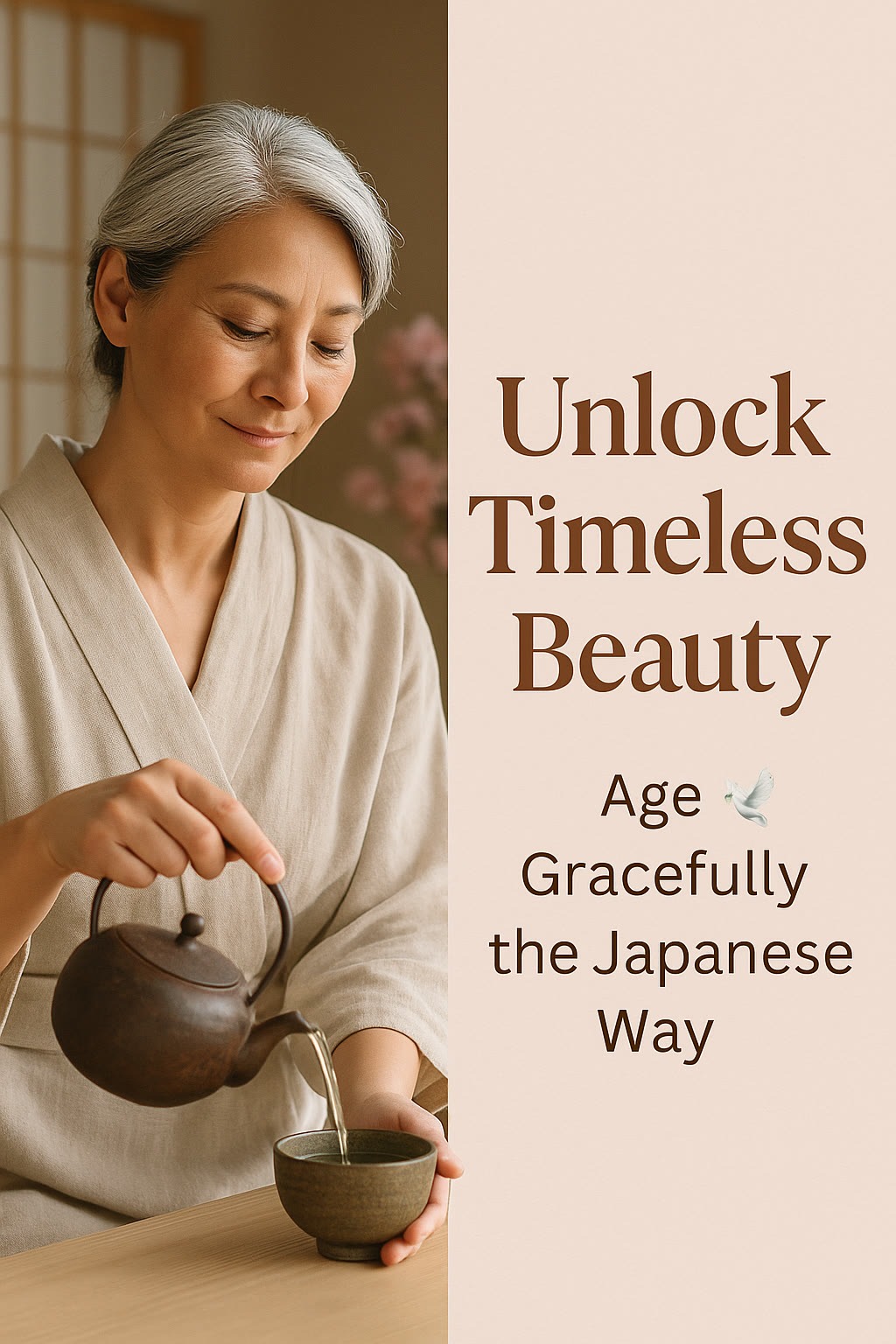
🍵 1. Sado (The Way of Tea)
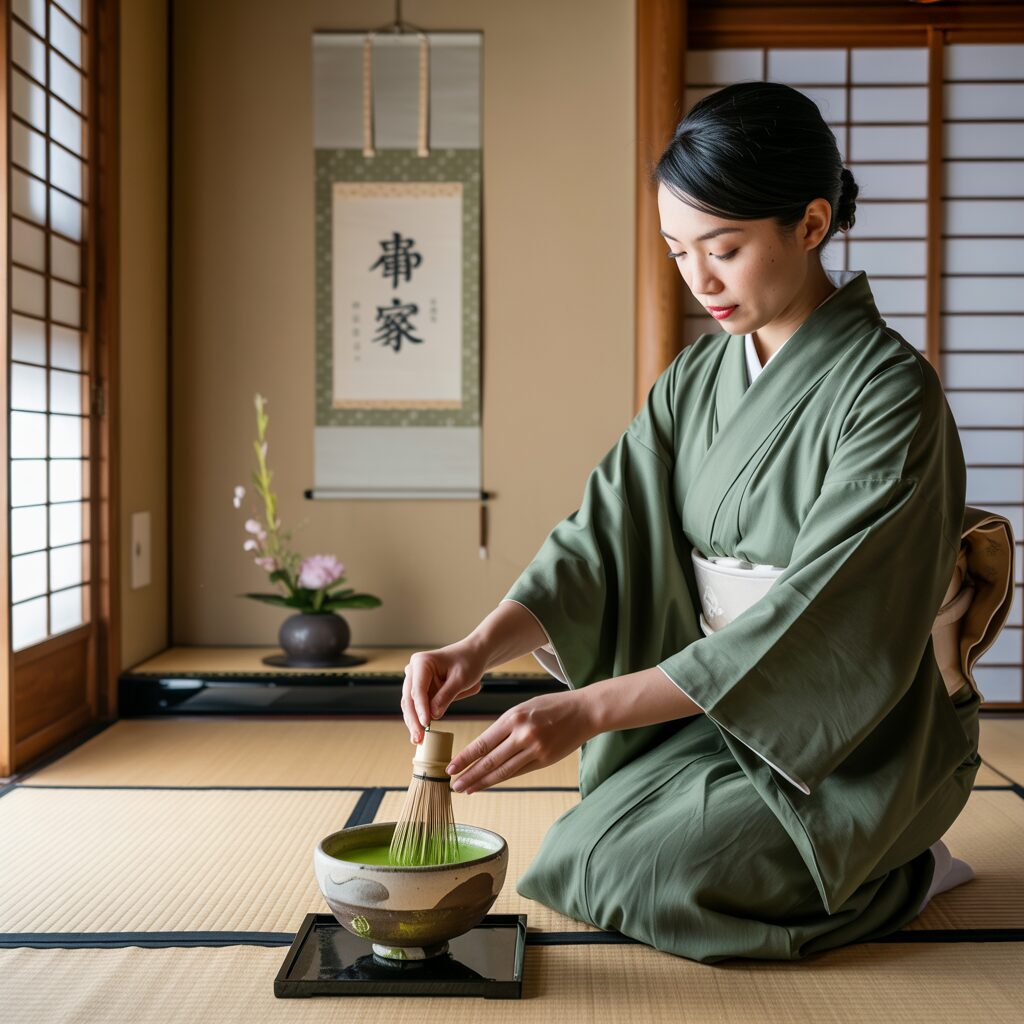
The Japanese tea ceremony is more than just making tea — it’s a ritual of stillness, mindfulness, and deep respect.
You can practice a simple version at home: clear a quiet space, warm your hands around a matcha bowl, and let the slow rhythm calm your mind.
🧵 2. Sashiko (Decorative Stitching)
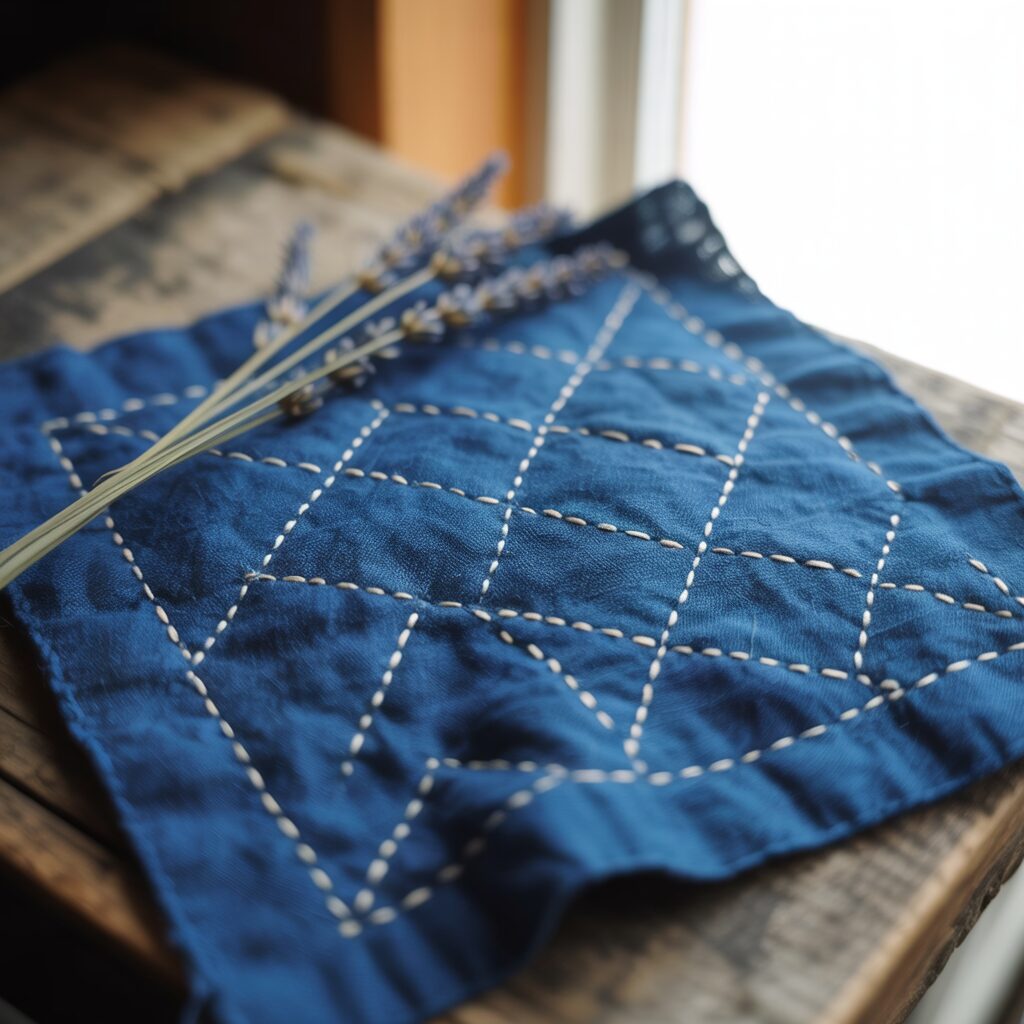
Sashiko is a traditional embroidery style using white thread on indigo cloth. Originally used for mending clothes, it’s now a meditative form of slow crafting.
Even 10 minutes of stitching can feel grounding, like sewing a bit of calm into your day.
🪴 3. Kokedama (Moss Ball Gardening)
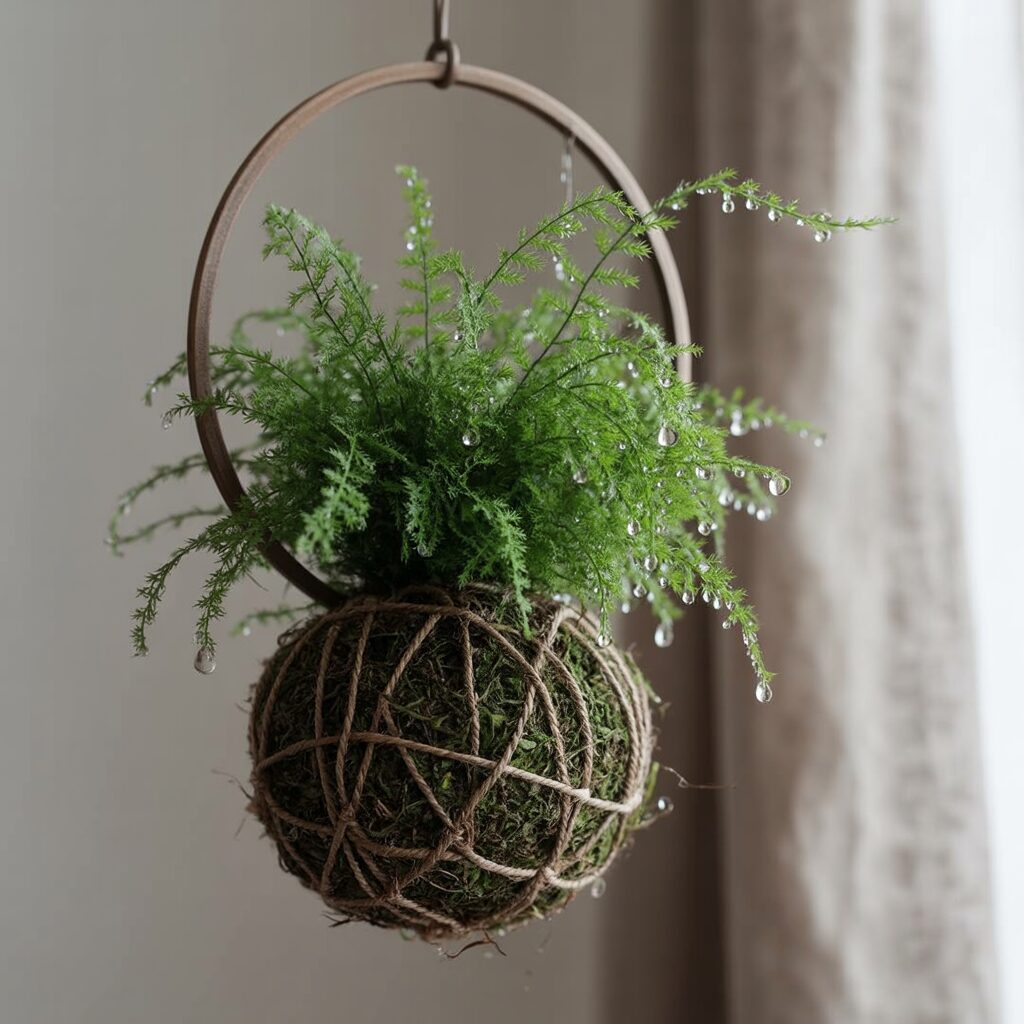
Think of kokedama as bonsai’s quirky cousin — a plant wrapped in a ball of moss and displayed like living art.
You don’t need much: some moss, soil, string, and your favorite small plant. It’s messy in the best way and satisfying to create.
📖 4. Haiku Writing
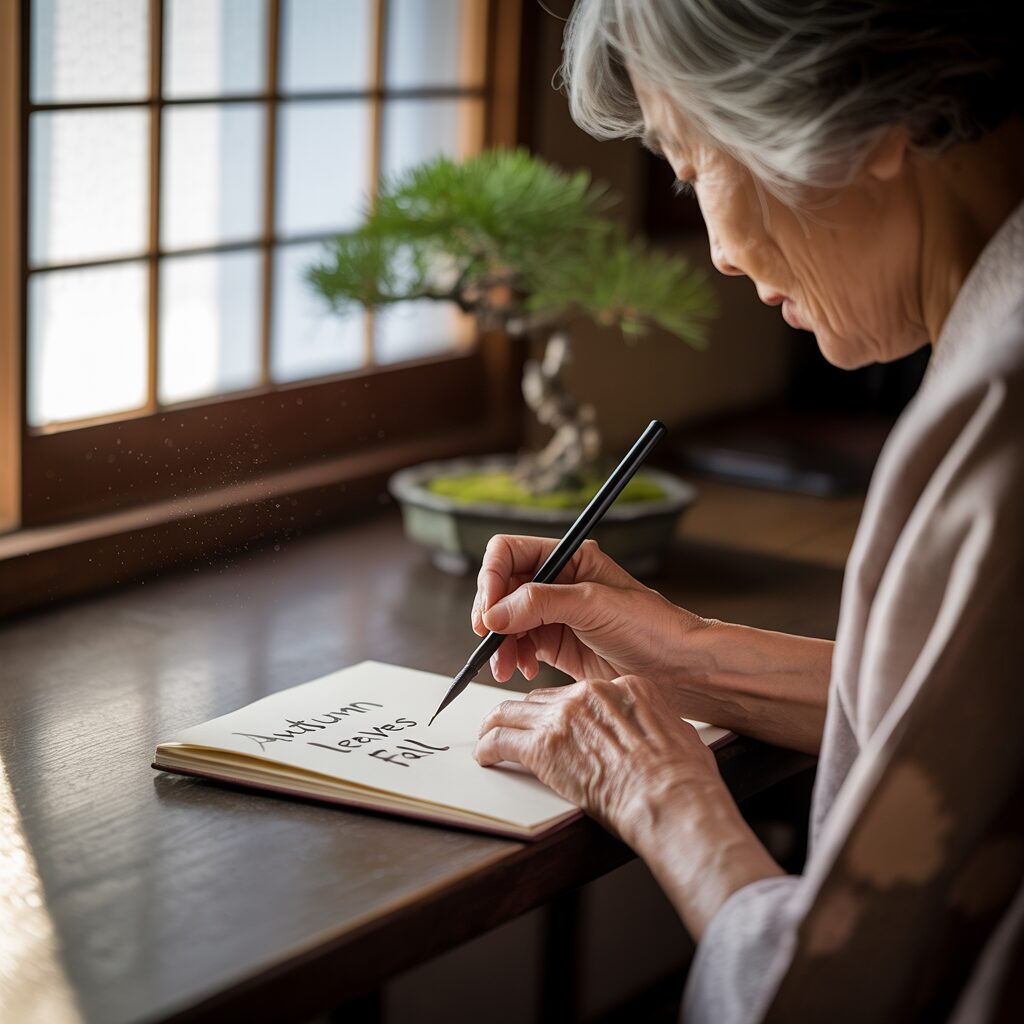
Short and thoughtful, haiku invites you to notice the small things — like a breeze, a shadow, or a sudden smile.
Try writing one haiku a day. Just three lines. You’ll start seeing poetry everywhere.
📷 5. Komorebi Walks
“Komorebi” means sunlight filtering through leaves.
Going on a walk just to notice the light, the textures, and shifting shadows can be a hobby in itself. No phone, no rush — just quiet noticing.
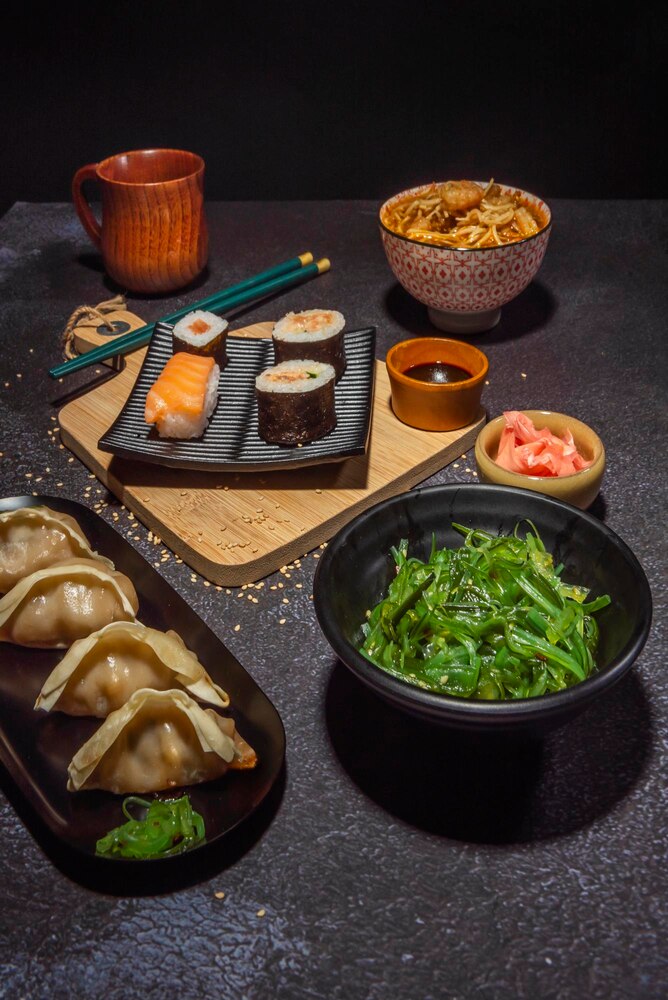
🍙 6. Bento Making
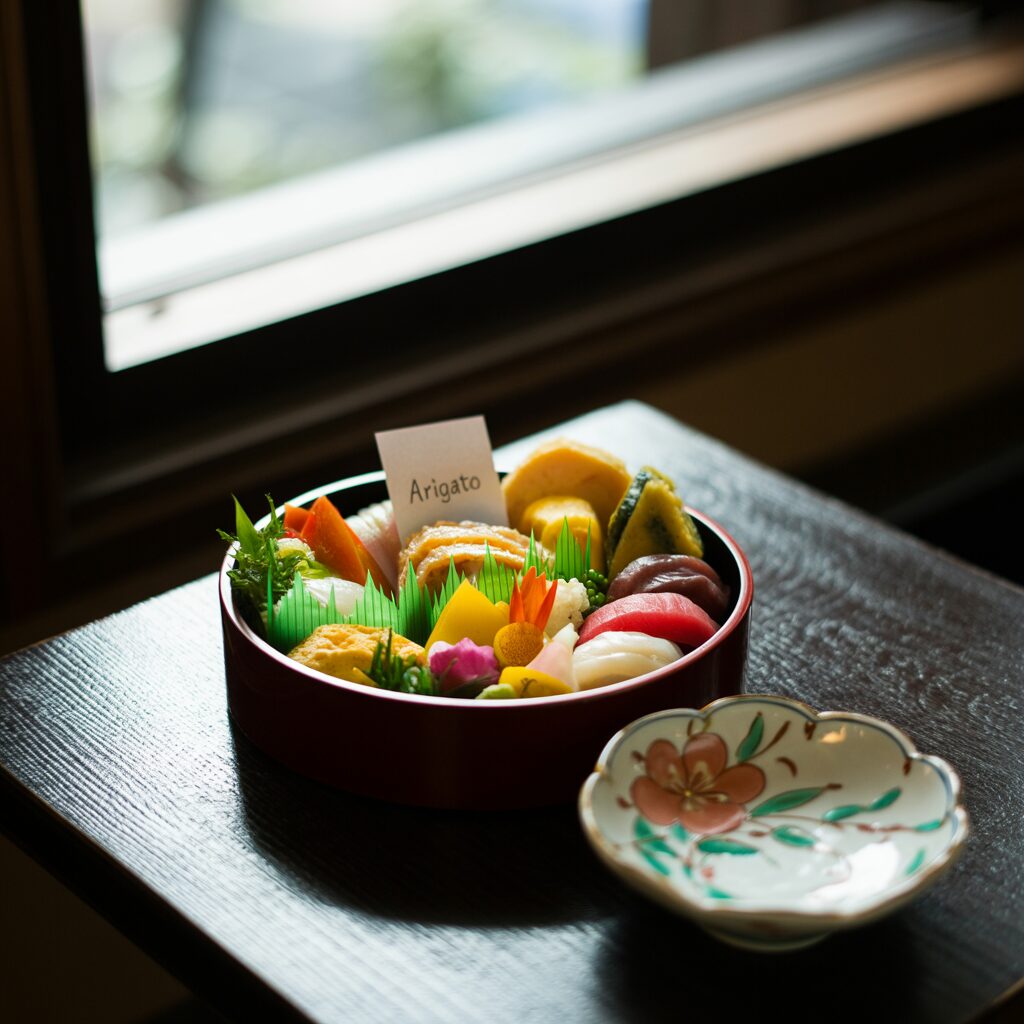
Crafting a bento (Japanese lunch box) turns an everyday meal into an art form.
It’s not about perfection. Even arranging simple rice, veggies, and a boiled egg with care can become a creative ritual.
🎴 7. Karuta (Poetry Card Game)
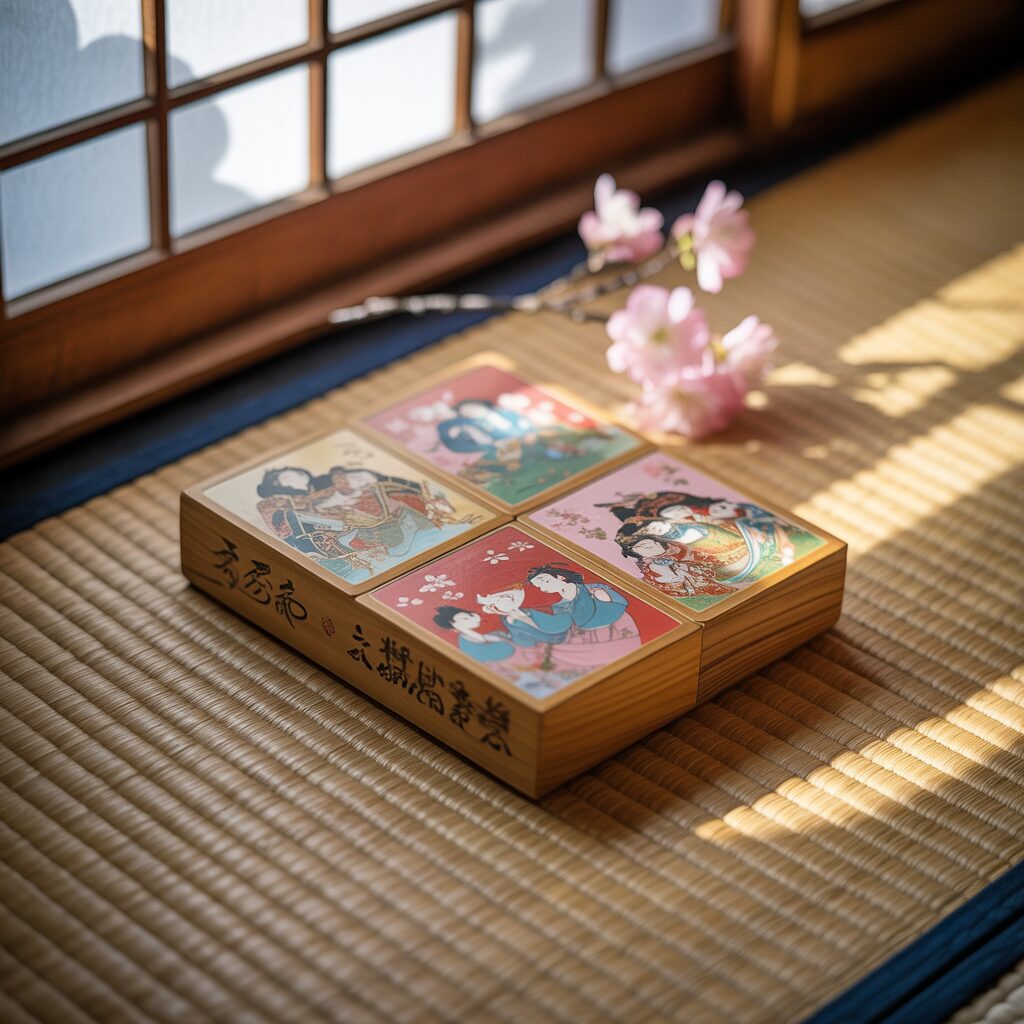
Karuta is a traditional game where players match the beginning and end of Japanese poems.
Try a modern version with quotes or affirmations. Spread them on a table and match beginnings and endings. It’s surprisingly calming and fun.
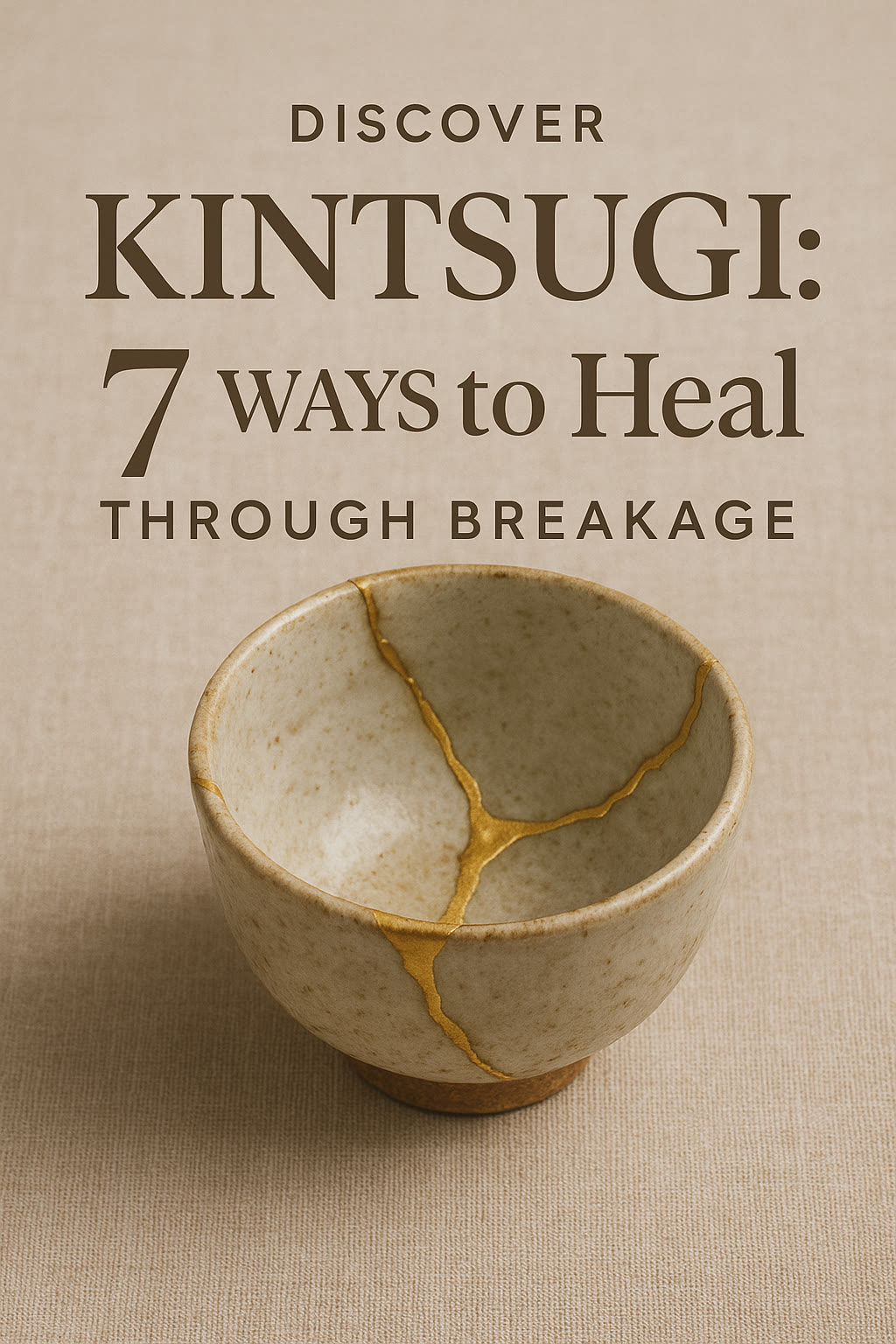
🪡 8. Kintsugi (Golden Repair)
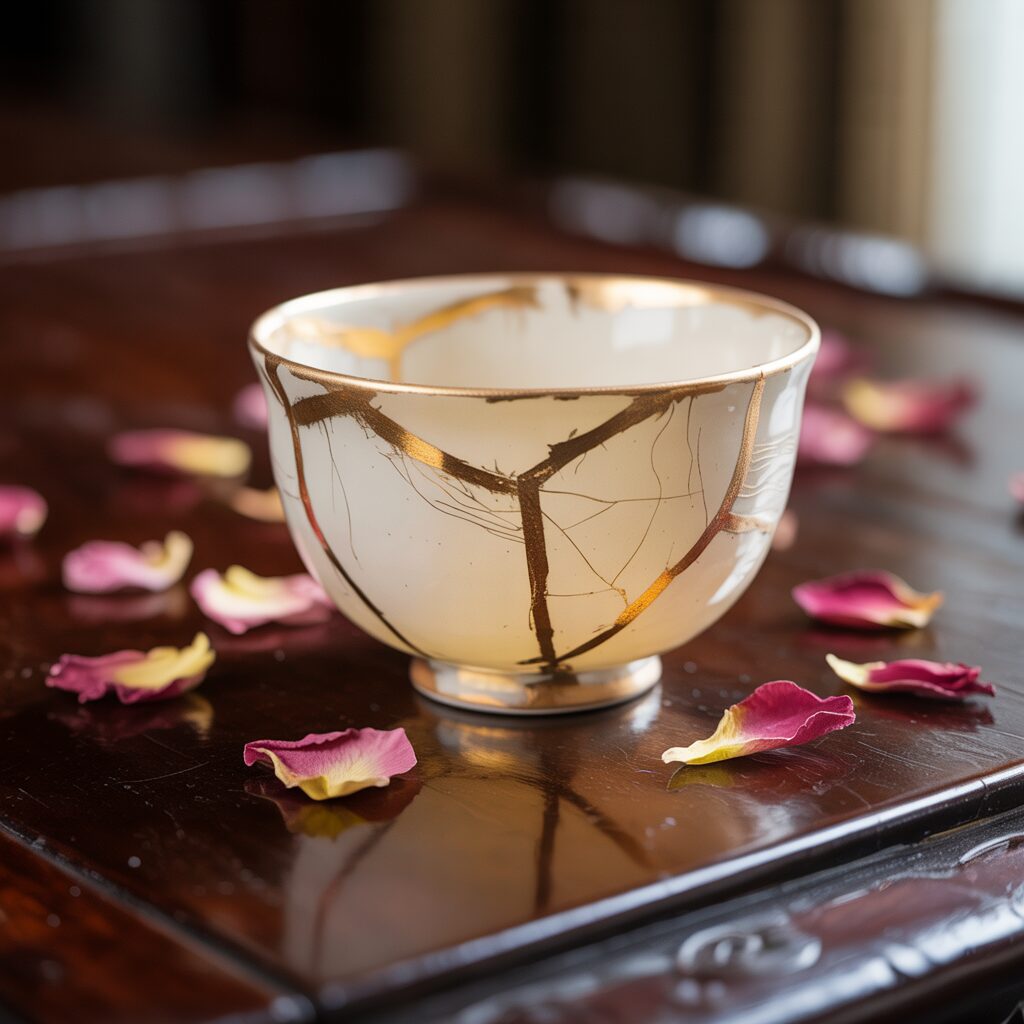
The art of kintsugi repairs broken pottery with gold lacquer, embracing flaws as part of the story.
Even if you don’t have real ceramics, you can reflect on the idea — that cracks can become beauty. A journal exercise, maybe?
🎍 9. Ikebana (Flower Arrangement)
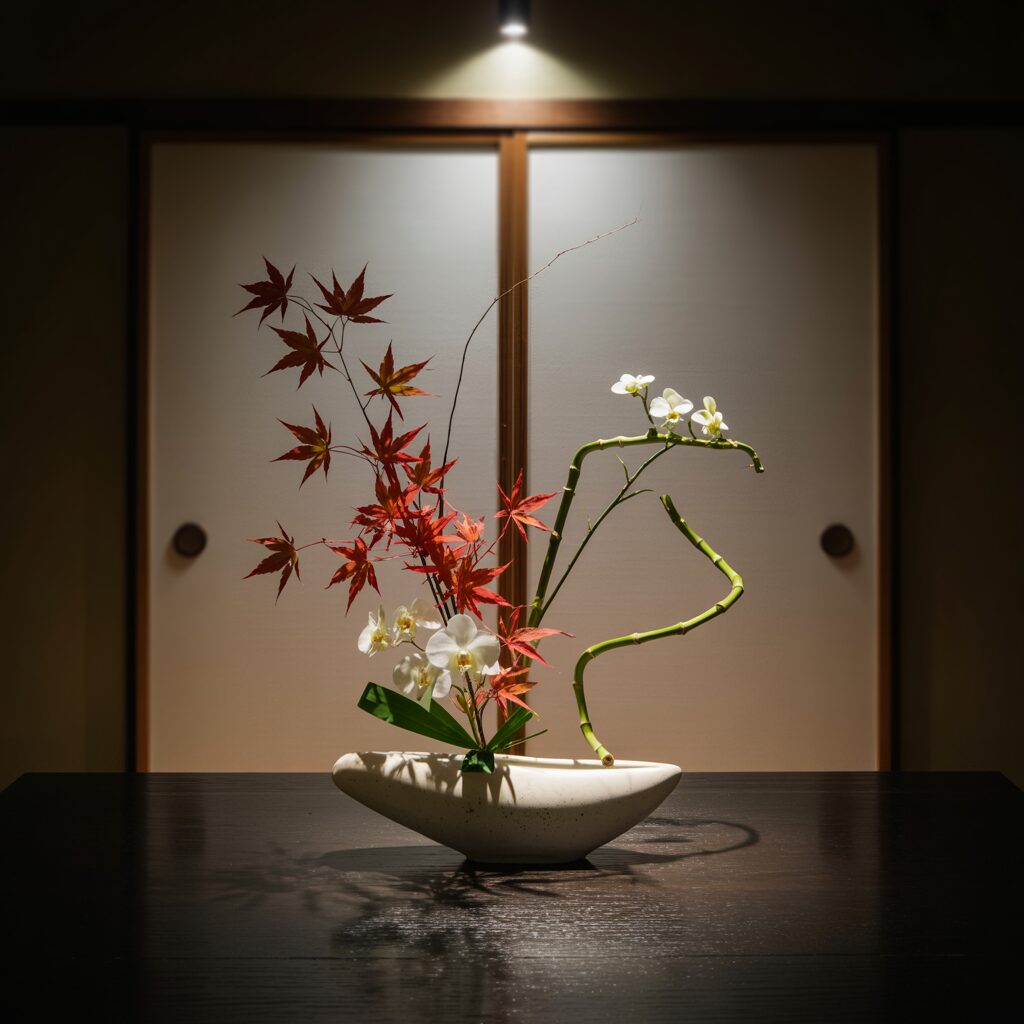
Ikebana isn’t about big bouquets. It’s about balance, shape, and intentional space.
Try arranging just three stems — one tall, one medium, one short. Notice how the space around the flowers feels just as important as the flowers themselves.
🎐 10. Listening to Furin (Wind Chimes)
In summer, the soft sound of glass wind chimes is a staple of Japanese homes.
You can hang one by a window and let the breeze play. It’s a tiny soundtrack for moments of pause.
🎭 11. Origami (Paper Folding)
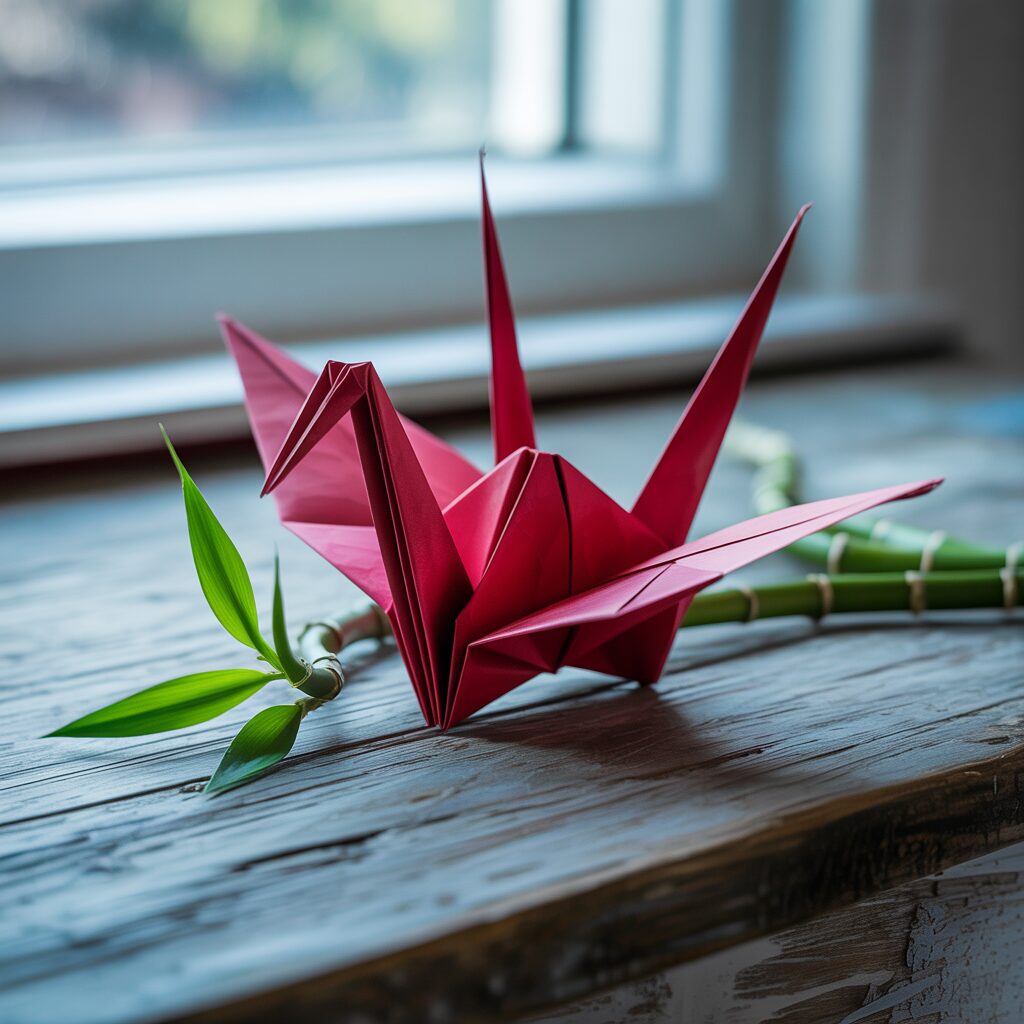
Folding paper slowly, with purpose, is like meditation with your hands.
Start with cranes or simple boxes. Let your fingers follow the folds, and your thoughts unfold too.
Whichever one you try, the goal isn’t mastery — it’s presence.
Let these hobbies be small invitations to slow down, breathe, and return to yourself.