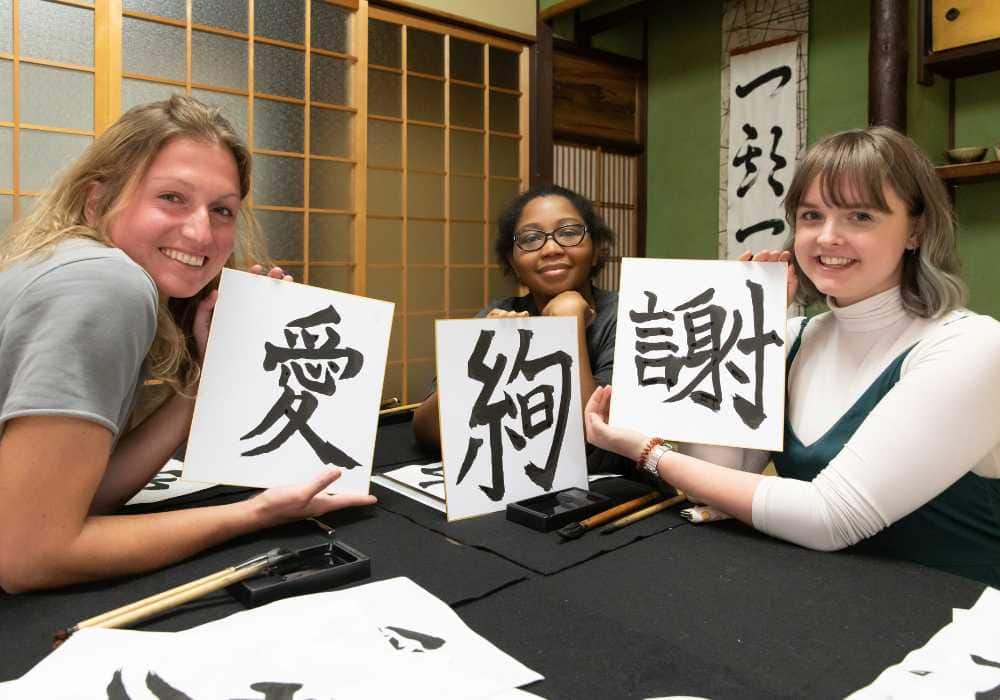
Kintsugi is more than just a technique; it’s a philosophy of embracing imperfection. Let’s dive into how this ancient Japanese art can transform not only broken pottery but also our perspective on life. 🌟
✨ Tip 1: Celebrate Imperfections
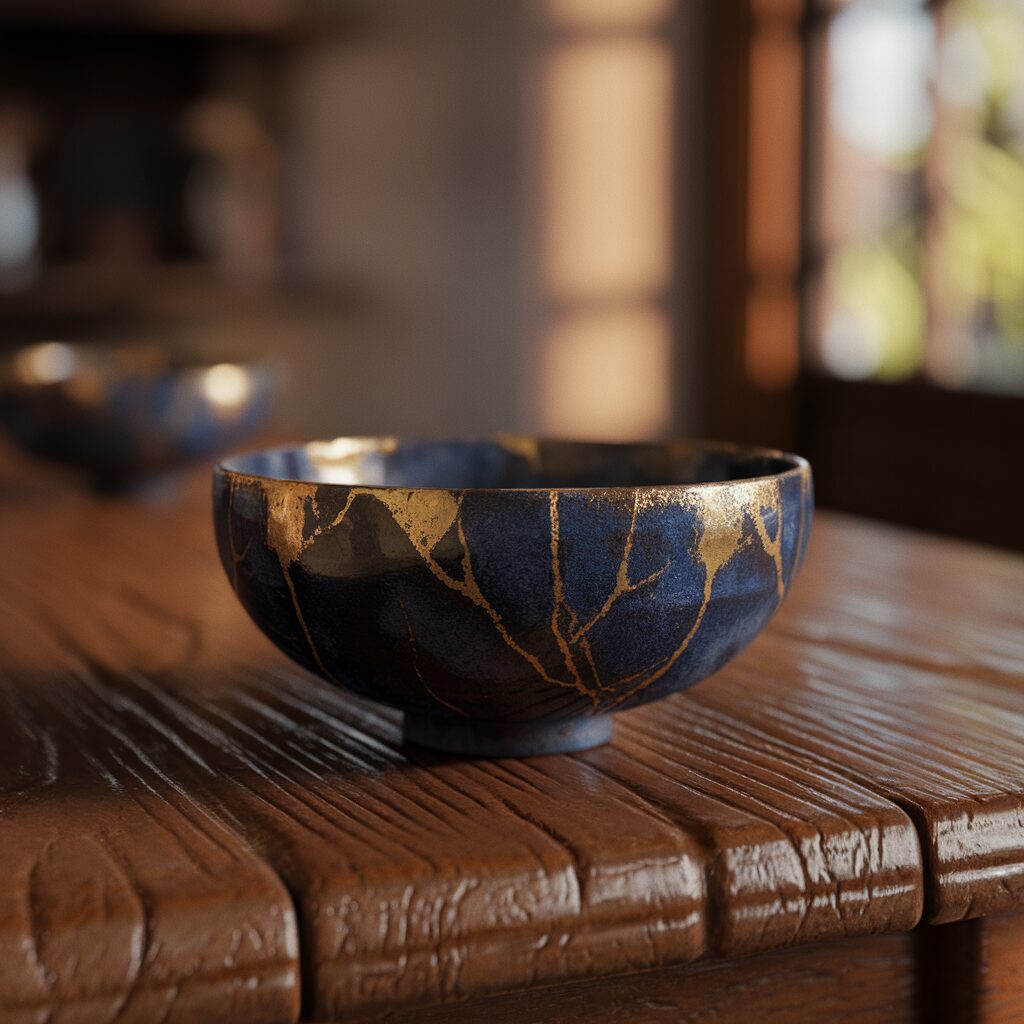
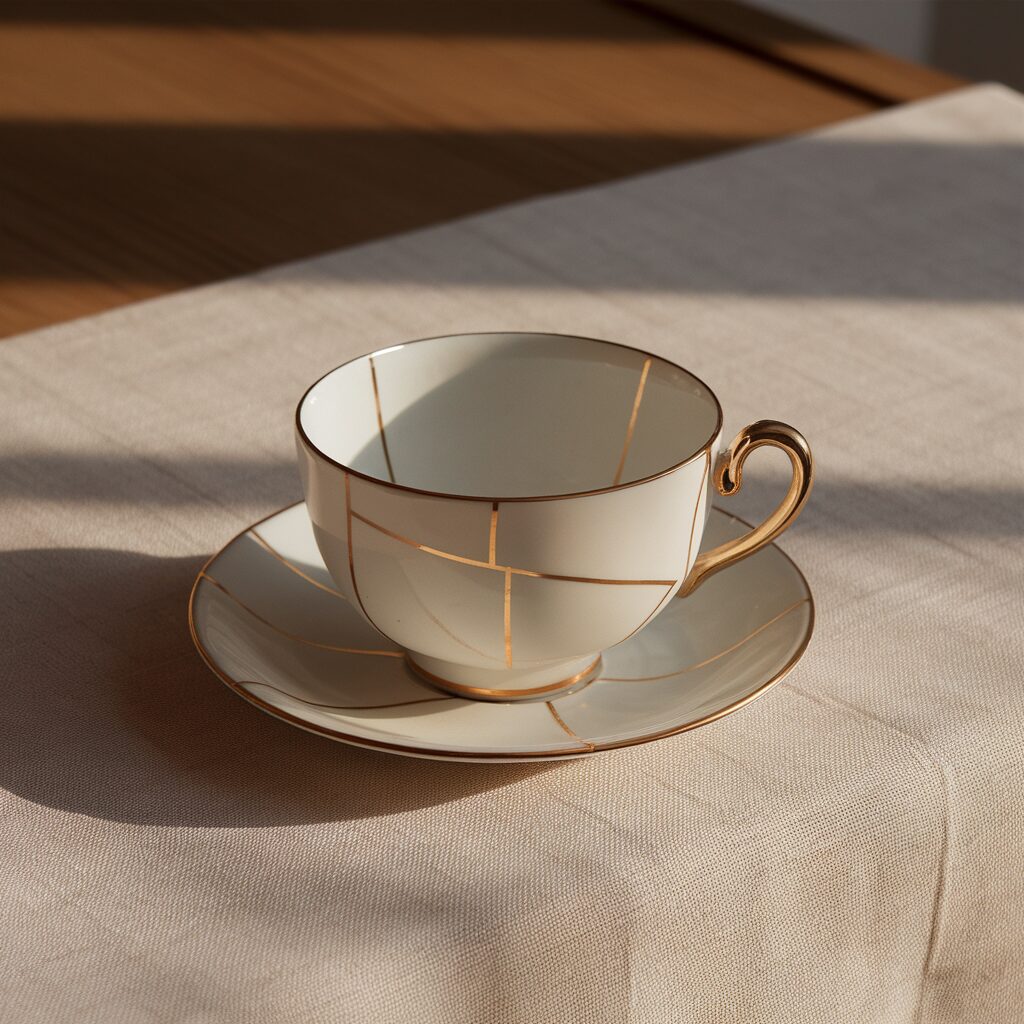
Kintsugi teaches us to see beauty in flaws. Instead of hiding cracks, highlight them with gold.
🌿 Tip 2: Practice Mindful Repair
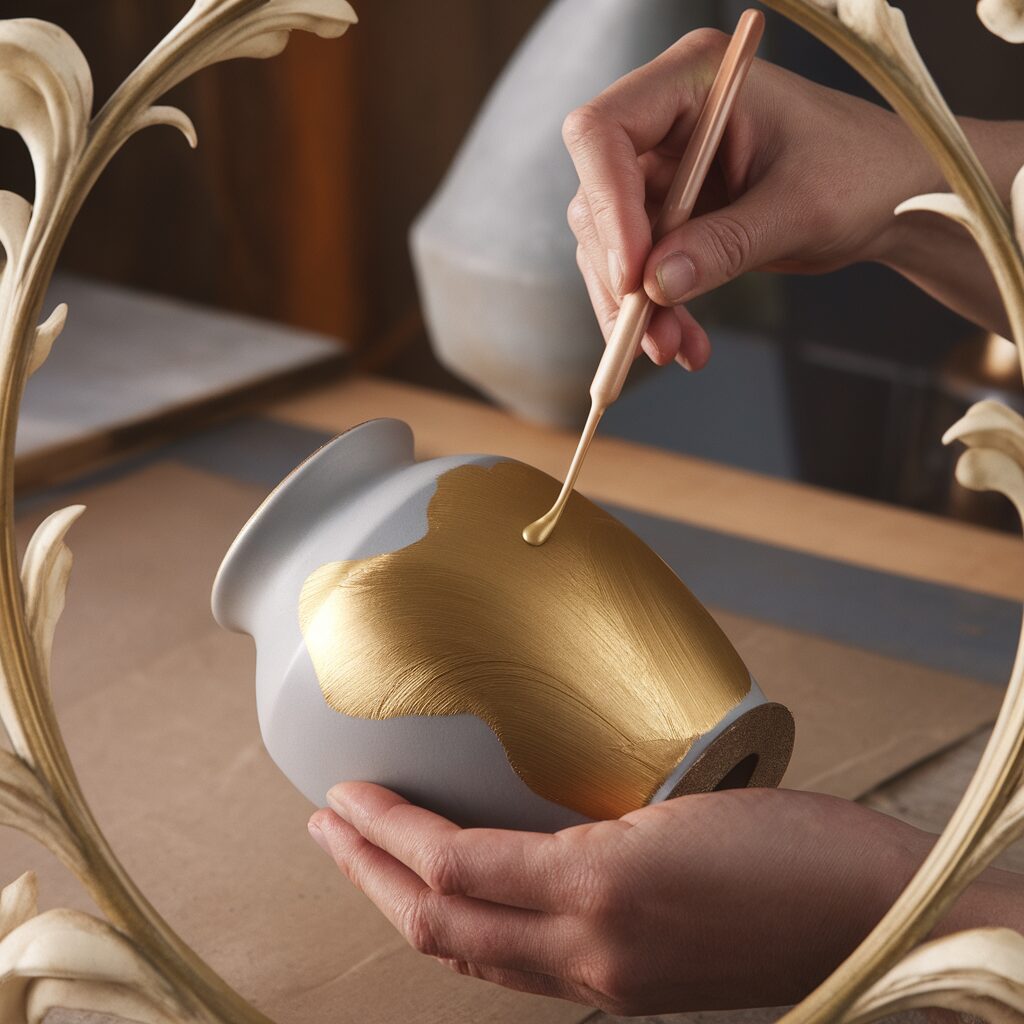
Repairing something with care can be a meditative act. Take time to restore with intention and presence.
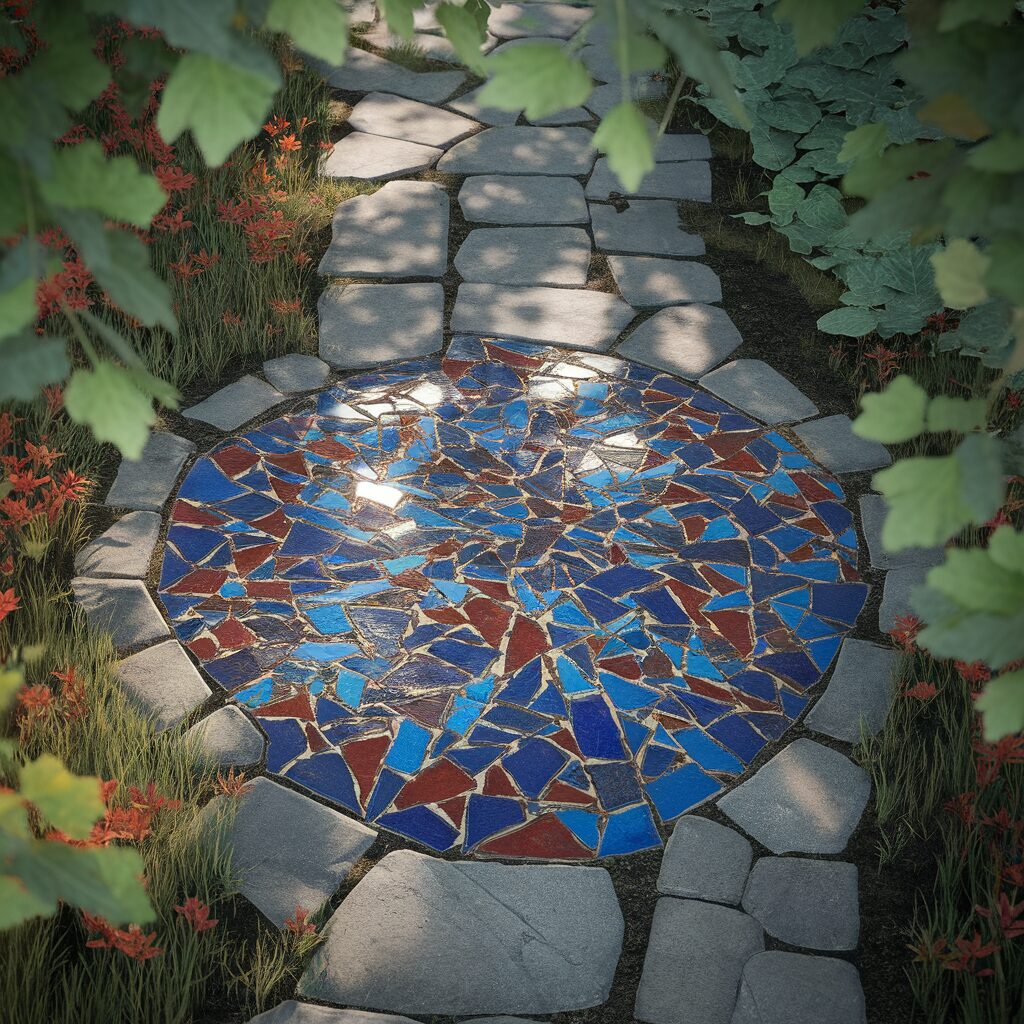
🌸 Tip 3: Use Broken Pieces Creatively
Turn broken pieces into something new, like a mosaic or a garden ornament. Creativity knows no bounds!
☀️ Tip 4: Find Beauty in Resilience
A repaired object has a story of strength and endurance. Appreciate its journey and resilience.
🌟 Tip 5: Apply Kintsugi to Life
Embrace life’s imperfections and learn to grow from them. Just like the art, life’s cracks can be filled with gold.

Embrace the art of Kintsugi in your life. Try these ideas, and let the beauty of transformation inspire you. Share your experiences and let’s celebrate our golden cracks together! 🌟