Tranquility, simplicity, and serenity — all in one room.
The world feels louder than ever — which is probably why Japanese minimalist design is having a moment in 2025. Clean lines, natural materials, soft lighting, and intentionality: this style isn’t just about how your bedroom looks — it’s about how it feels.
If you’re dreaming of a space that calms your mind, declutters your spirit, and makes it easier to sleep at night, a Japanese-inspired minimalist bedroom might be exactly what you need.
Here’s how to create your own peaceful escape, step by step.
🌿 1. Start With a Neutral, Nature-Inspired Color Palette
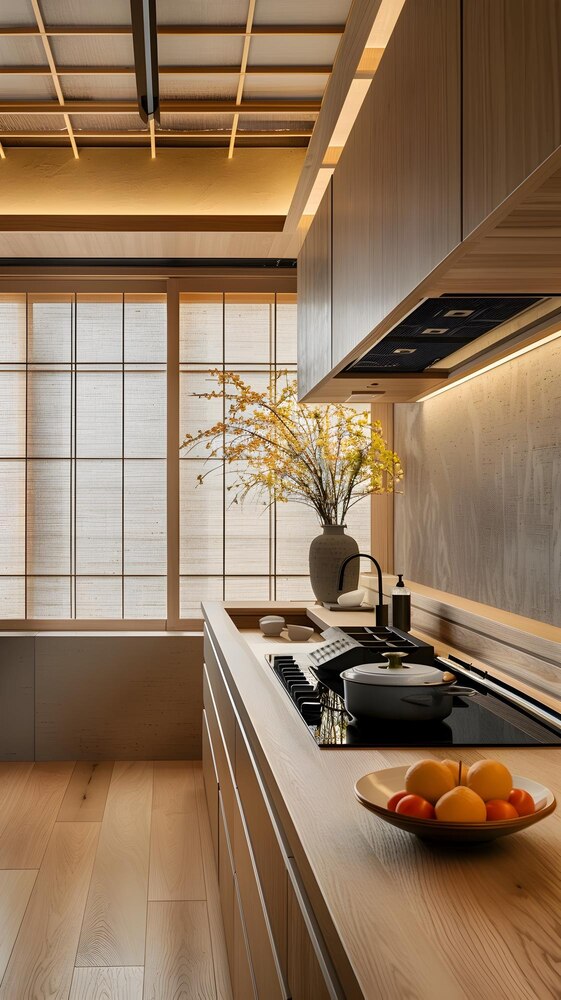
Japanese minimalism leans into tones found in nature: soft whites, warm wood, gentle greys, and earthy beiges.
• 🎨 Think: Tatami straw, rice paper, cedar wood, river stones
• 💡 Bonus tip: Avoid stark black-and-white contrast — opt for harmony over high drama
📍 Perfect for: Setting a calming tone the moment you walk in
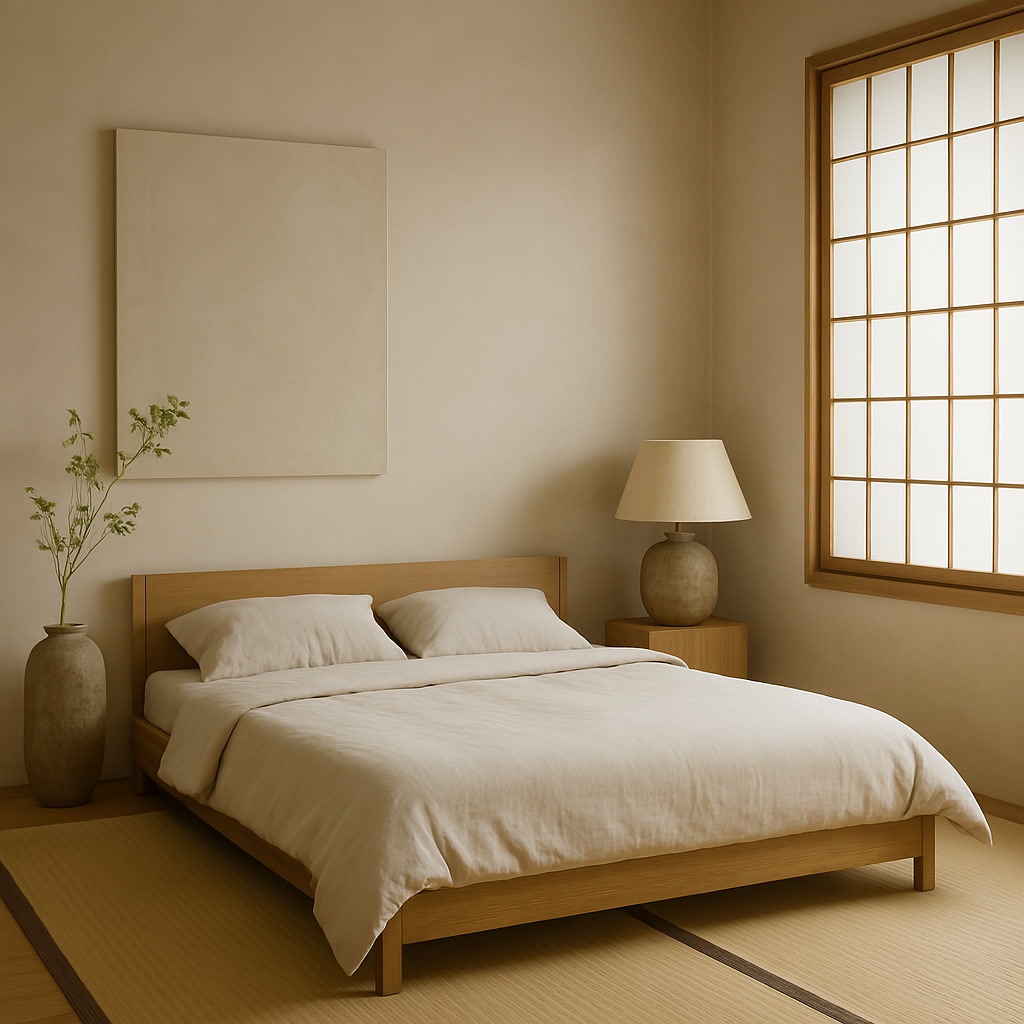
🛏️ 2. Embrace Low Furniture — Especially the Bed
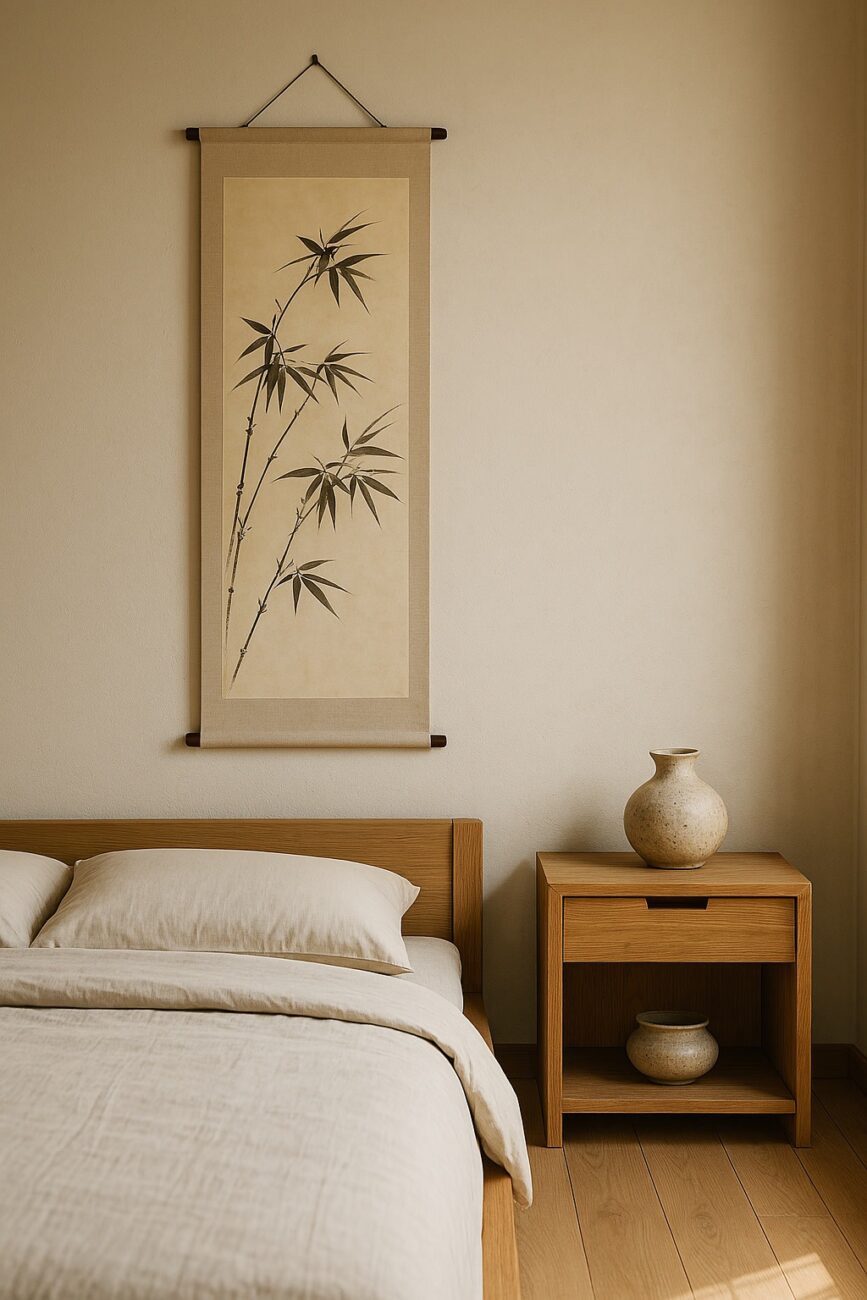
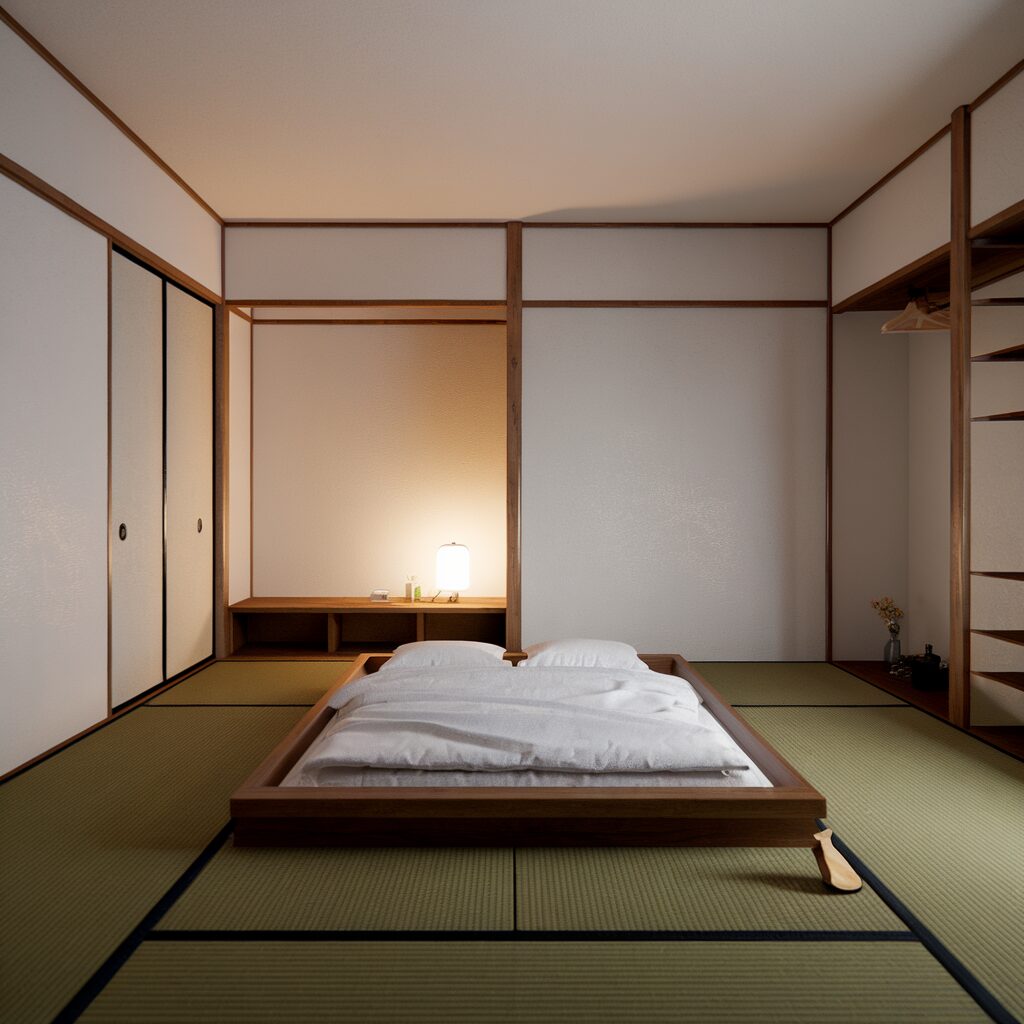
Japanese bedrooms often feature low or even floor-level beds to create a grounded, peaceful aesthetic.
• 🛏️ Options: A futon mattress, tatami platform, or low wood frame
• 🧘 Why it works: Creates visual openness and a feeling of closeness to the earth
📍 Perfect for: Tiny rooms that feel instantly more spacious
🍃 3. Let Natural Light Be the Star
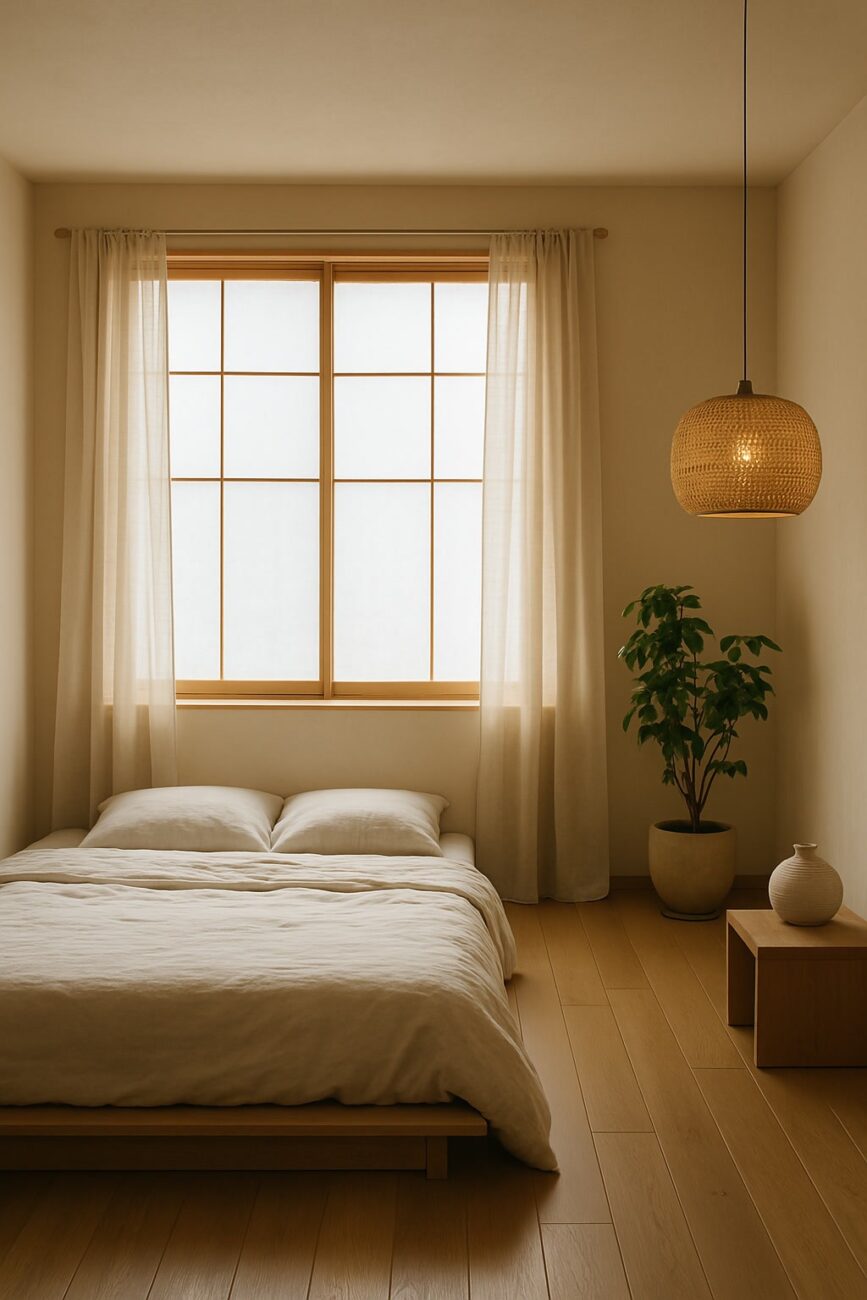
Maximize soft, indirect light with sheer curtains or shoji-style window coverings.
• ☀️ Try: Rice paper lamps, linen drapes, or a single pendant bulb with a bamboo shade
• ✨ At night: Use warm bulbs — no harsh overhead lighting
📍 Perfect for: Morning peace and moody evenings
🧺 4. Declutter With Intention
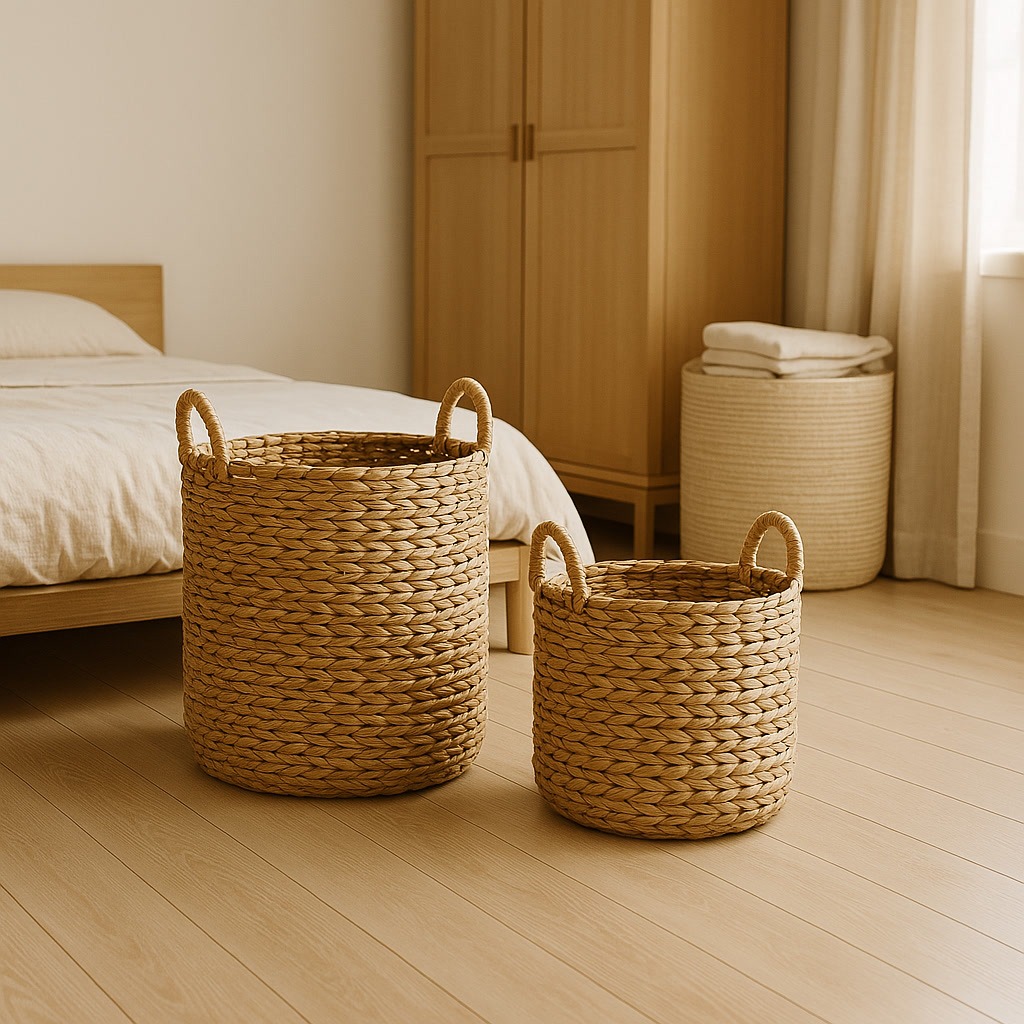
In true Japanese minimalist fashion, every item should have a purpose — and often, a hidden home.
• 🧺 Use: Under-bed storage boxes, neutral woven baskets, sliding wardrobe doors
• 🧘 Mindset: Keep only what’s useful or sparks calm — not just joy
📍 Perfect for: Turning your bedroom into a retreat, not a catch-all space
🎍 5. Add Natural Textures and Materials
Japanese interiors celebrate imperfection (wabi-sabi) and the beauty of organic elements.
• 🌾 Incorporate: Wood grain, linen, stoneware, tatami mats, raw ceramics
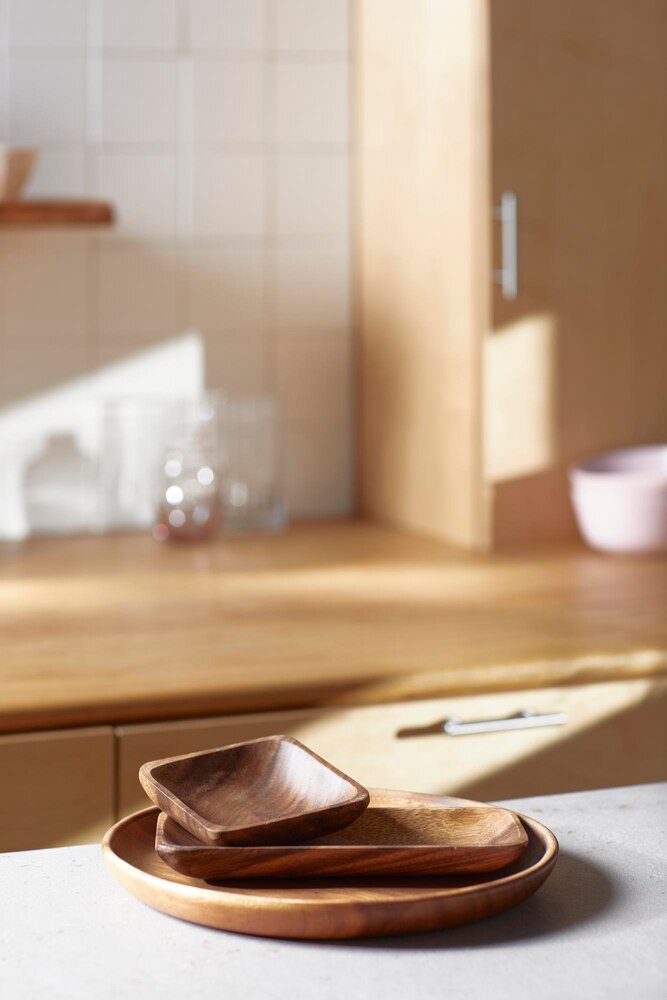
• 🌱 Accents: A single bonsai, a minimal ikebana flower arrangement, or a bamboo tray
📍 Perfect for: Creating visual warmth without clutter
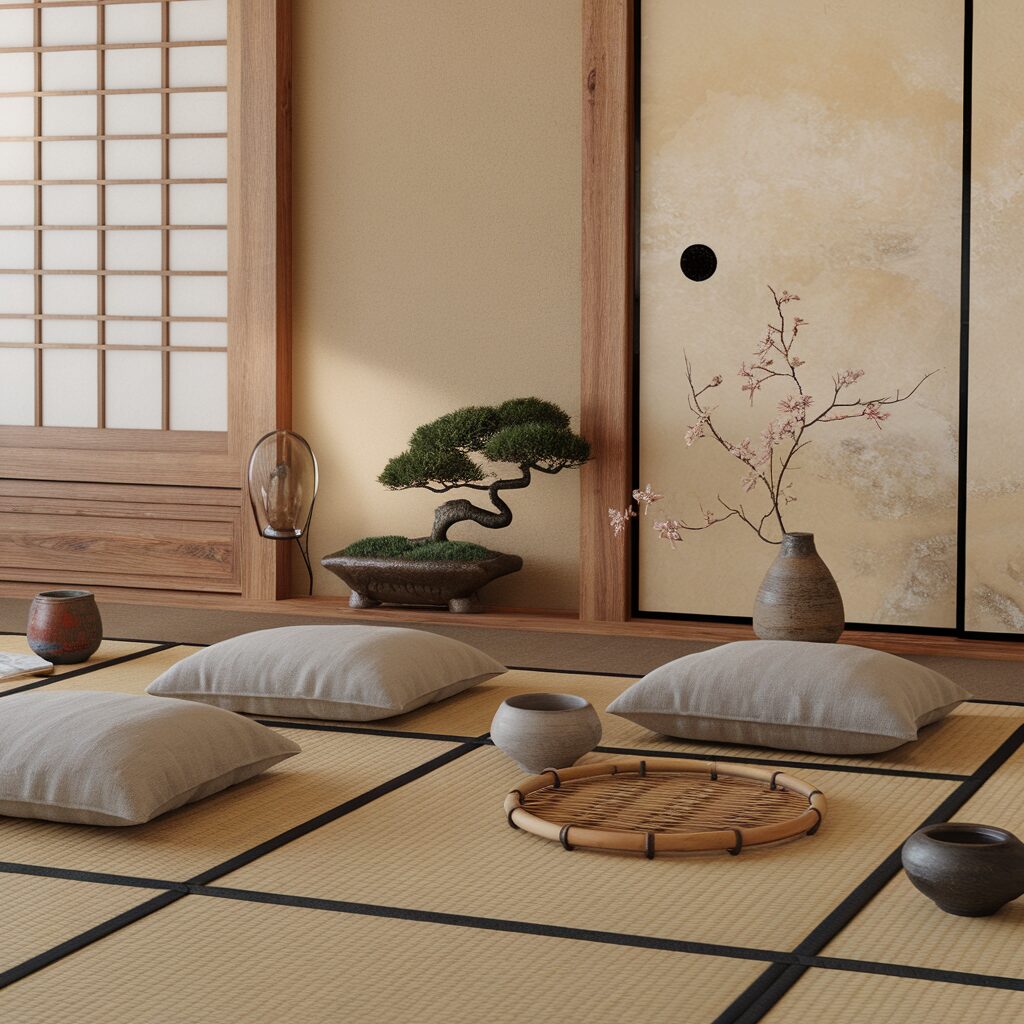
🧘♀️ 6. Design for Ritual, Not Just Aesthetic
A minimalist bedroom should support how you want to feel and live. Create rituals that help you slow down.
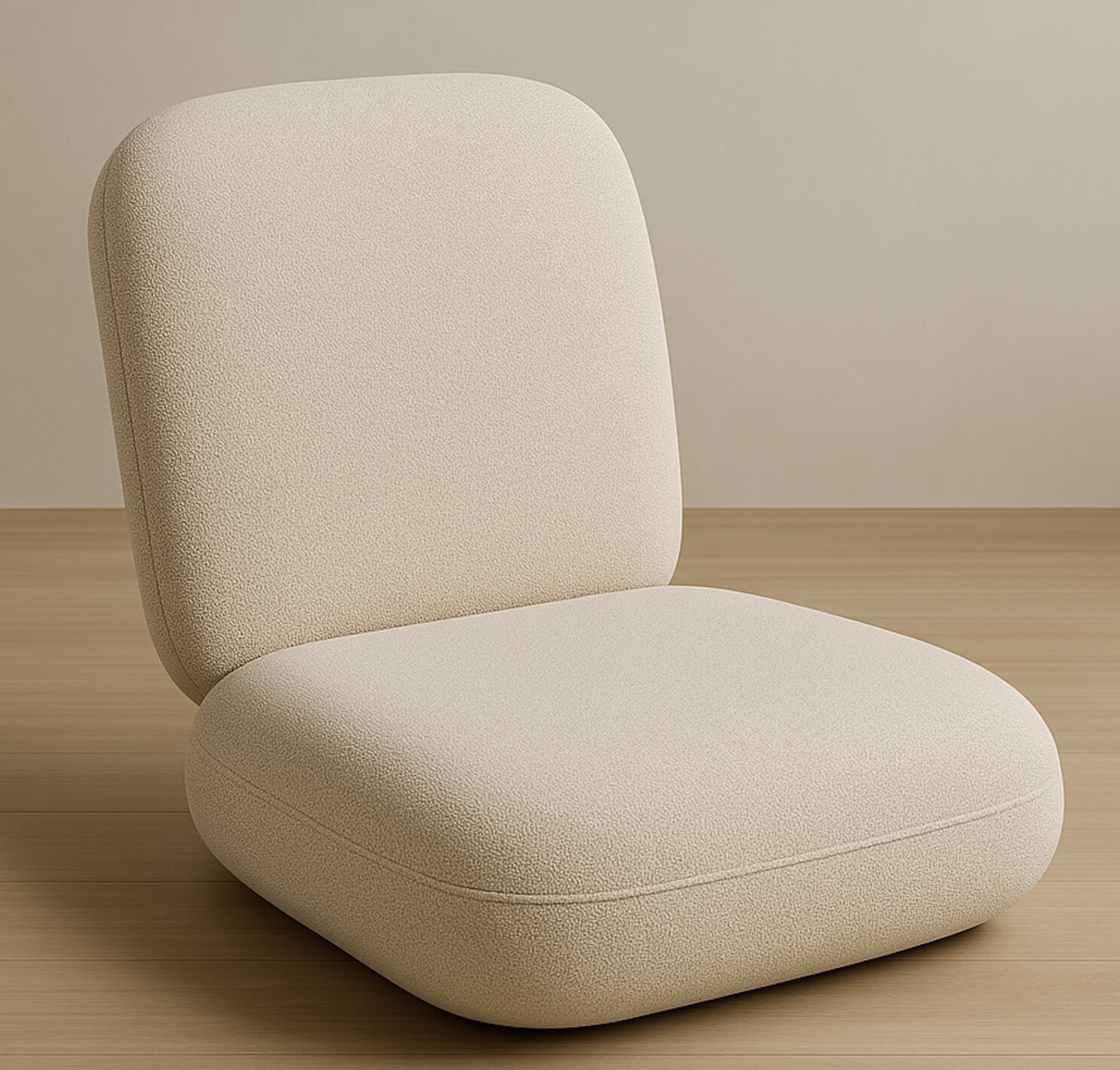
• 📖 Ideas: A floor cushion for reading, a tea corner, a guided meditation space
• 🛏️ Routine: A nightly wind-down ritual with soft music, essential oils, or matcha
📍 Perfect for: Making your room more than just a place to sleep
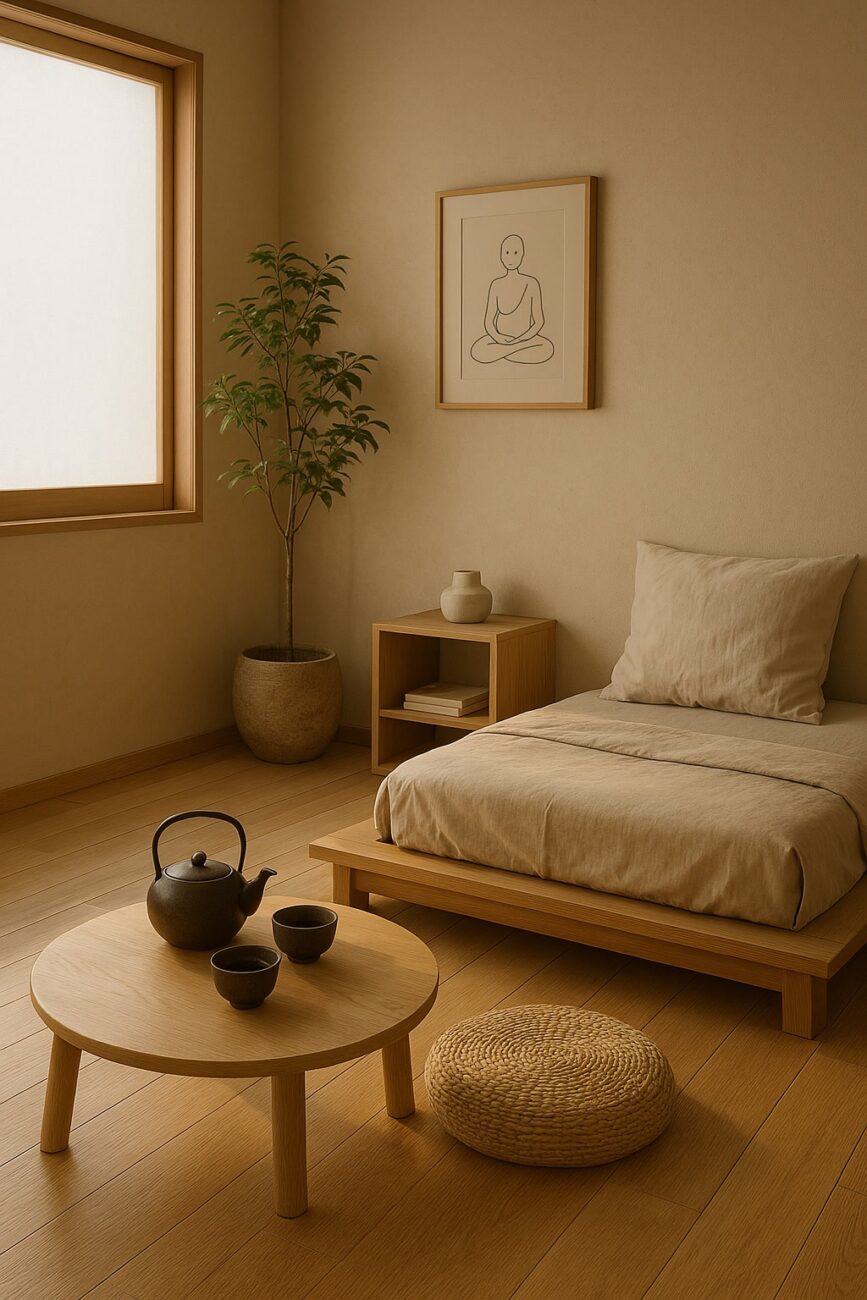
🪞 7. Use Space With Purpose — Not to Fill It
Empty space is intentional in Japanese design. Don’t rush to “fill” every wall or corner.
• 🎯 Tip: Leave negative space between furniture or under windows
• 🪑 Optional: A single chair or folded zabuton cushion in an empty corner is more powerful than clutter
📍 Perfect for: Encouraging calm and quiet in your surroundings
🖼️ 8. Choose Meaningful, Minimal Decor
Minimalist doesn’t mean cold — just intentional. Choose one or two statement pieces that inspire peace.
• 🖼️ Ideas: A black ink scroll, a hand-thrown vase, or a single hanging branch
• 🔥 What to skip: Generic prints, loud patterns, or anything that doesn’t make you feel something
📍 Perfect for: Creating visual poetry without the noise