Ever thought about how some people seem to defy age? With a sprinkle of Japanese wisdom, I’ve discovered that longevity isn’t just a luck thing—it’s an art.
I’ll share 21 incredible practices that include everything from mindful eating to the magic of forest bathing. So grab your favorite drink and let’s dive into these age-defying gems!
Mindful Eating Habits
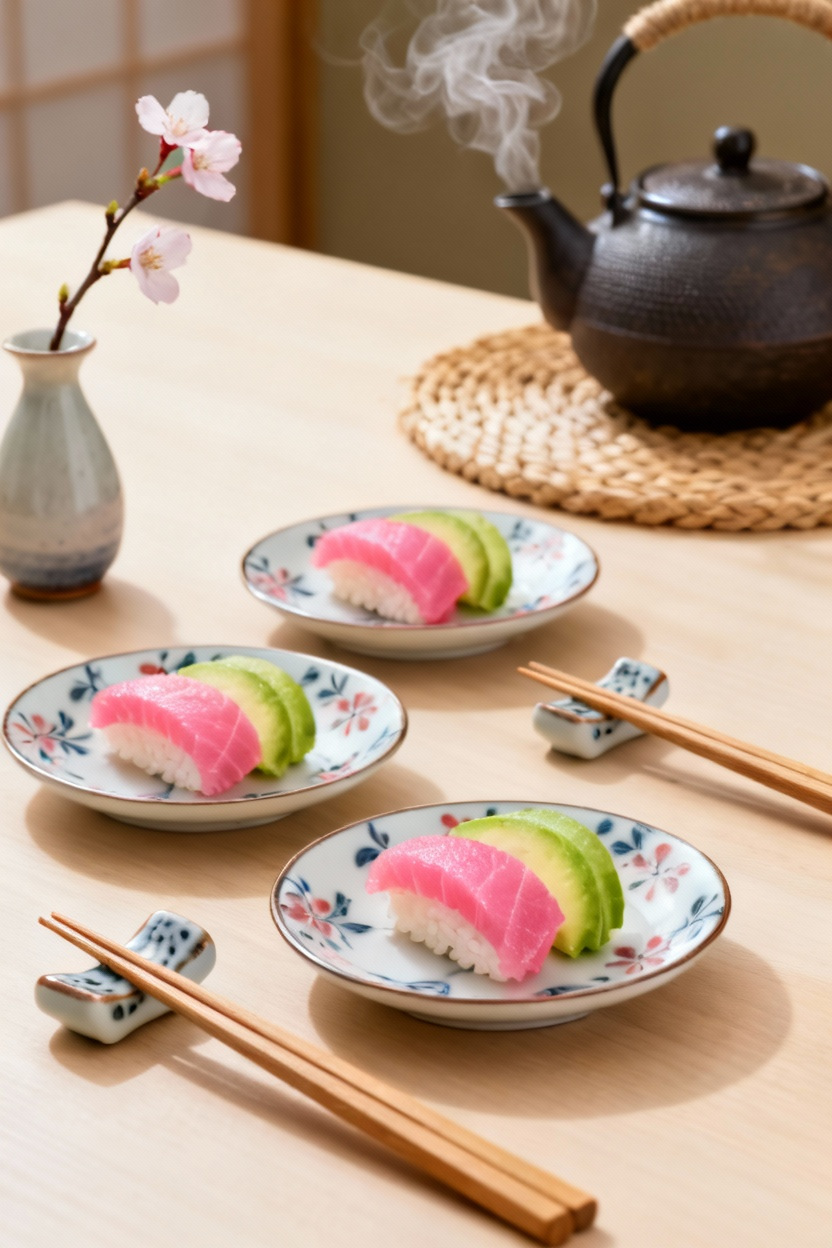
Japanese culture embraces mindful eating, and you should too! They savor food, turning meals into mini celebrations. Ever tried eating with chopsticks? It slows you down, making each bite count. Plus, it’s a fun way to channel your inner sushi chef.
Portion sizes in Japan? Smaller plates mean smaller portions, so you never feel stuffed. You eat until you’re satisfied, not until you can’t move. The motto is “hara hachi bu,” which means eat until you’re 80% full. It’s like a built-in stop sign for your stomach. Who knew eating could be such an art? 🙂
Forest Bathing Benefits
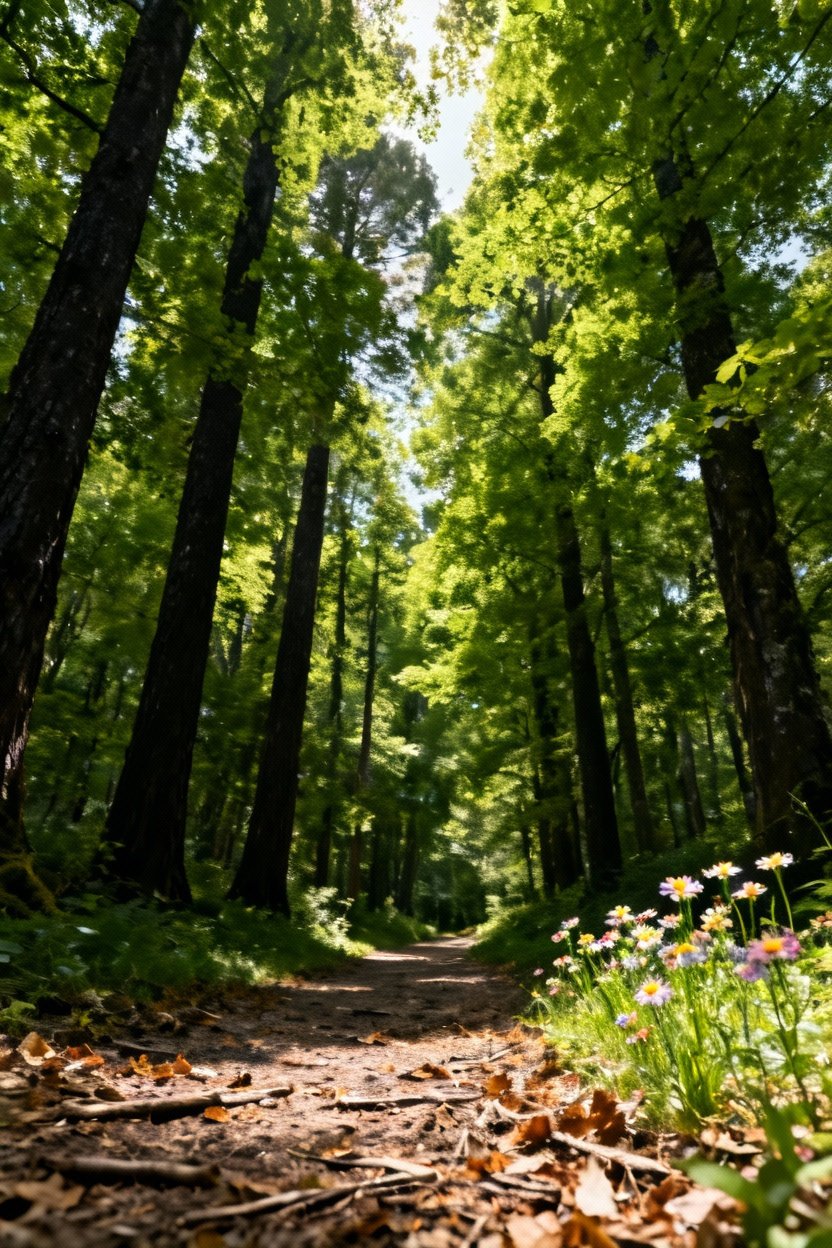
Ever heard of forest bathing? It’s not just a fancy term for a walk in the woods! This Japanese practice encourages you to immerse yourself in nature, soaking in the sights, sounds, and smells around you. It’s like a spa day for your mind and body.
Studies show that spending time among trees can reduce stress, lower blood pressure, and boost immunity. Who knew trees could be your best buddies? So, next time you’re feeling overwhelmed, grab a friend and head outside. Your body—and your sanity—will thank you for it! 🌳
Daily Gratitude Practices
Practicing daily gratitude can work wonders for your well-being. Japanese culture emphasizes appreciation for the little things, like a warm cup of tea or a beautiful sunset. It’s all about shifting your focus—ever thought how a simple “thank you” can boost your mood?
Try jotting down three things you’re grateful for each day. This could be anything from a cozy blanket to a good hair day. You’ll find that even the mundane becomes a reason to smile. Plus, it’s a great way to wind down at night. Who doesn’t love a little positivity before bed?

Emphasis on Fresh Ingredients
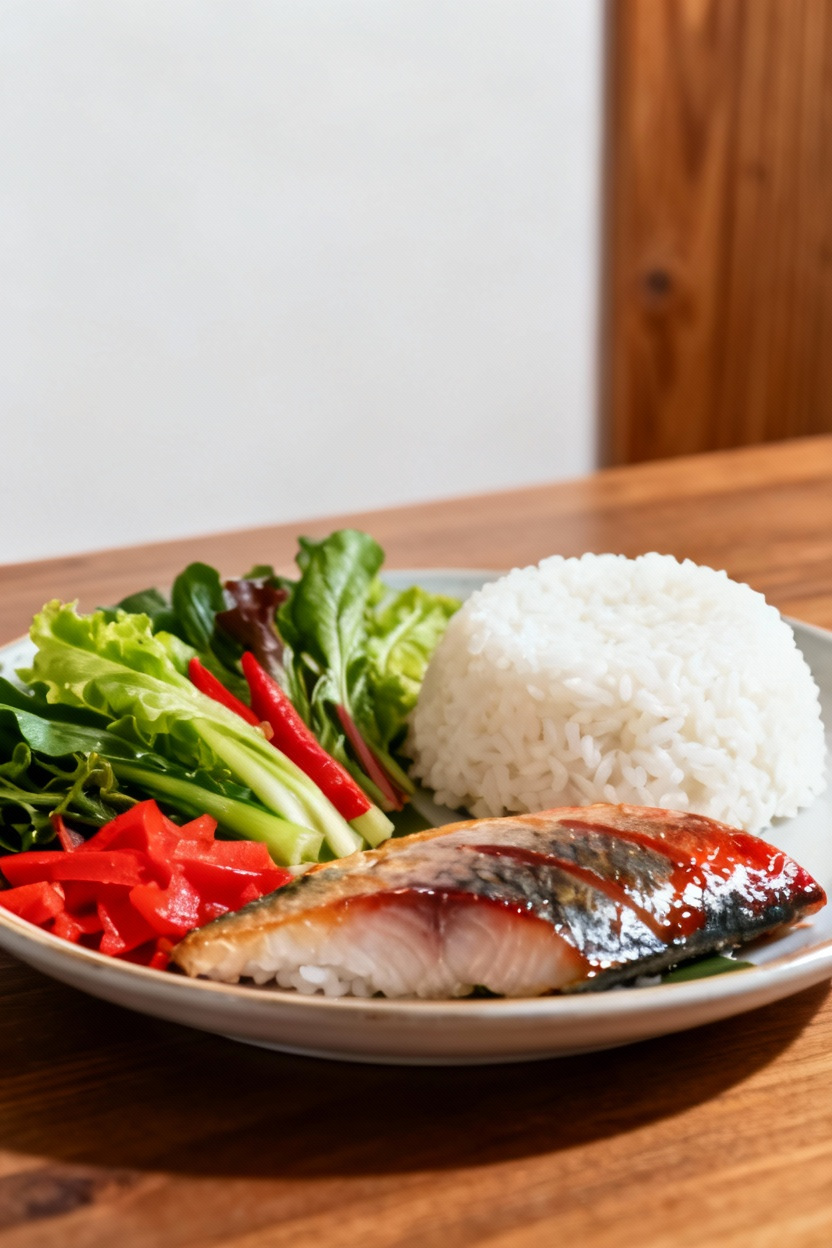
Japanese cuisine shines when it comes to using fresh ingredients. Meals often feature seasonal veggies, fish, and rice. Ever been to a sushi place where the fish practically swims onto your plate? That’s the magic of freshness!
They believe in eating what’s in season. This not only tastes better but keeps your body happy. Think about it: fresh ingredients are packed with nutrients, unlike that sad, wilted salad hiding in your fridge. So, if you want to live longer, consider swapping out those frozen meals for something fresh. Your taste buds—and your body—will thank you!
Active Lifestyle Integration
Incorporating an active lifestyle into your daily routine works wonders. Ever notice how many Japanese people walk everywhere? They embrace movement, using stairs instead of elevators. It’s like they’re training for the Olympics while grabbing sushi.
Consider adding activities that you enjoy. Try gardening, biking, or even a dance-off in your living room! You’ll be surprised how much fun you can have.
Plus, staying active can keep your mind sharp. So, why not make it a game? Challenge yourself to reach those 10,000 steps. Your future self will thank you with a hearty “arigato!”
Importance of Community
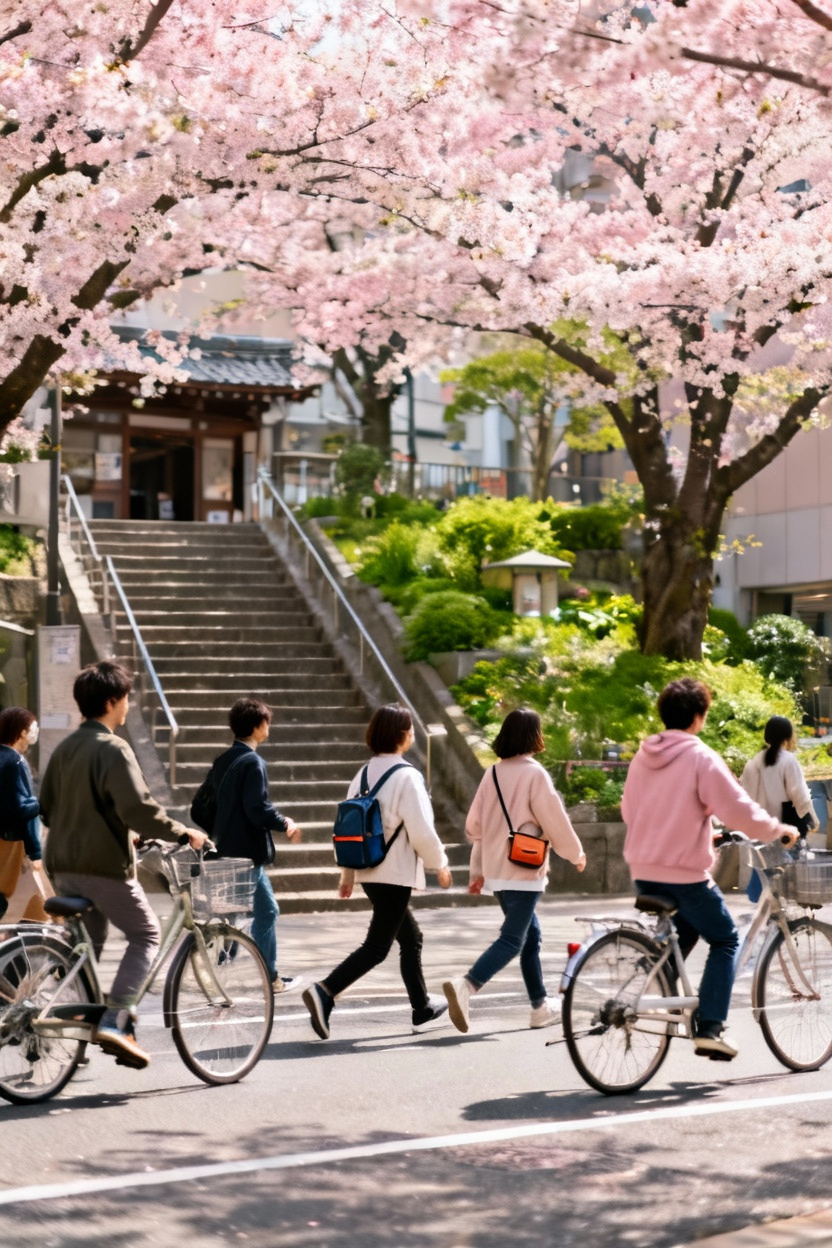
In Japan, community plays a huge role in longevity. People thrive in their connections, whether it’s through local clubs or simply chatting with neighbors. Ever noticed how a friendly wave can brighten your day?
Social engagement keeps spirits high, which is crucial for health. Joining a community group can lead to new friendships and activities. You might even find a hobby you love!
Plus, having a support system is like having a safety net for life’s ups and downs. So, don’t underestimate the power of a good chat over tea or a stroll in the park with friends.
Embracing Minimalism
Japanese minimalism isn’t just a decor style; it’s a lifestyle. Imagine living in a space that feels calm and organized. You might ask, “How does this help me live longer?” Well, less clutter equals less stress.
Focus on quality over quantity. Choose a few beautiful items that spark joy. You know, like that quirky teapot you love!
Also, consider multifunctional furniture. It saves space and keeps things tidy. You’ll find your zen quickly when your home feels open and serene. So, why not embrace a simpler life? Your future self will thank you!
Regular Health Check-Ups
In Japan, regular health check-ups are as common as sushi for lunch. These tests help catch health issues before they turn into something more serious. Just think of it as your body’s annual tune-up. Who wouldn’t want to feel like a well-oiled machine?
Japanese folks often schedule these check-ups and follow up on their results. It’s a proactive approach that can lead to a longer, healthier life. Plus, you get to impress your friends with your knowledge of your cholesterol levels! So, why not book that appointment? Your future self will thank you for it!
Traditional Tea Ceremonies
Participating in a traditional Japanese tea ceremony is like stepping into a time machine. It’s not just about sipping tea; it’s a full-on experience! You appreciate the art of tea preparation and the calming atmosphere. Seriously, ever tried sipping a warm cup while practicing mindfulness?
The ritual involves precise movements and an appreciation for the moment, promoting relaxation. Plus, you get to enjoy matcha, which is packed with antioxidants. Who knew tea could be a wellness booster? So, if you’re looking for a delightful way to unwind, grab a friend, brew some tea, and channel your inner Zen master!
The Art of Napping
In Japan, the art of napping is a national treasure. Seriously, have you ever seen a cat nap? That’s basically how the Japanese embrace their zzz’s. A quick power nap, or inemuri, helps recharge your brain. Who doesn’t need that during a long day?
They often sneak in these mini snoozes during lunch breaks or even on public transport. Imagine waking up refreshed instead of feeling like a zombie. It’s like hitting the reset button! So, the next time you feel sluggish, why not consider a little cat-style nap? Your body will thank you!
Deep Breathing Techniques
Japanese culture embraces deep breathing as a key to longevity. It helps calm your mind and reduce stress. Ever felt overwhelmed? Just a few minutes of focused breathing can work wonders.
Incorporate diaphragmatic breathing into your routine. Inhale deeply through your nose, letting your belly expand. Then, exhale slowly through your mouth. Repeat this for five minutes. You’ll feel like a new person!
Also, try practicing deep breaths while enjoying your favorite tea. It’s a perfect way to unwind and boost your health. Who knew sipping tea could be a mini spa day? 🙂
Connection with Nature
In Japan, connecting with nature is a key to longevity. Imagine sipping tea while gazing at cherry blossoms or taking a stroll through serene gardens. Sounds peaceful, right? Nature not only calms the mind but also boosts your mood. Plus, who wouldn’t want to enjoy fresh air instead of staring at four walls?
Try incorporating daily walks in a park or even tending to some plants at home. Your green thumb might surprise you! Remember, spending time outside isn’t just for the birds. It’s a vital part of a long, happy life. So, go on, get outside and soak it all in!
Ritual of Hot Springs
Hot springs, or onsen, are more than just a cozy soak. They’re a key part of Japanese culture, promoting relaxation and overall health. Imagine yourself unwinding in steamy, mineral-rich waters while surrounded by nature. Sounds dreamy, right?
Regular visits can boost circulation and relieve stress. Plus, the minerals work wonders for your skin. If you haven’t tried it yet, you might be missing out on a little slice of heaven. Just don’t forget your towel! 😉 Enjoying an onsen is like a spa day, but with a gorgeous view and a side of zen.
Respect for Elders
In Japan, showing respect for elders isn’t just polite; it’s a way of life. This cultural norm fosters strong family ties and community connections. Ever notice how older folks often seem to have that secret sauce for longevity? They do!
By valuing their wisdom, younger generations learn healthy habits and lifestyles. You can adopt this too!
- Spend time with older relatives.
- Ask them for advice on health and happiness.
- Share meals and stories.
It’s a win-win—plus, you might hear some wild family tales while you’re at it! How cool is that?
Healthy Portion Control
In Japan, portion control is an art. They often use smaller plates, which tricks the brain into thinking you’re eating more. Ever heard of the term “hara hachi bu”? It means eat until you’re 80% full. It’s like a polite way of saying, “Hey, put down that last dumpling!”
Another tip? Fill your plate with colorful veggies. Not only do they look great, but they also help you stay satisfied with less. Plus, who doesn’t love a rainbow on their plate? So, next time you serve dinner, think small and vibrant!
Seasonal Cooking Practices
In Japan, seasonal cooking isn’t just a trend; it’s a way of life. They believe in using ingredients that match the season, which keeps meals fresh and exciting. Ever tried cooking with spring vegetables or autumn squash? It’s a game-changer!
Here’s a fun idea: try making ichiju-sansai, a traditional meal featuring one soup and three side dishes. It’s balanced, colorful, and downright delicious. Plus, you can brag to your friends about how you’re basically a culinary ninja.
Seasonal cooking keeps you connected to nature and helps promote longevity. Who knew being a foodie could be good for you?
Emphasis on Playfulness
In Japan, playfulness isn’t just for kids—it’s a vital part of staying youthful. Ever notice how Japanese people embrace fun in daily life? Whether it’s a spirited game of karuta or a lively karaoke night, they know how to let loose!
This light-hearted approach reduces stress and boosts happiness. Plus, it invites social connections, which we all know are key to a long life. So, why not join in? Try a new hobby, challenge your friends to a game, or simply laugh more. After all, who wouldn’t want to age like a fine sake? 🍶
Stress-Relief Techniques
In Japan, stress relief is an art form. One popular method is shinrin-yoku, or “forest bathing.” You simply walk in nature, soaking in the sights and sounds. It’s like a spa day, but free!
Another favorite is tea ceremonies. This isn’t just sipping tea; it’s about being present and mindful. Ever tried it? You might find it oddly calming.
Lastly, consider kintsugi, the art of fixing broken pottery with gold. It teaches you to embrace imperfections. Who knew you could learn life lessons from a teacup?
Cultural Celebrations
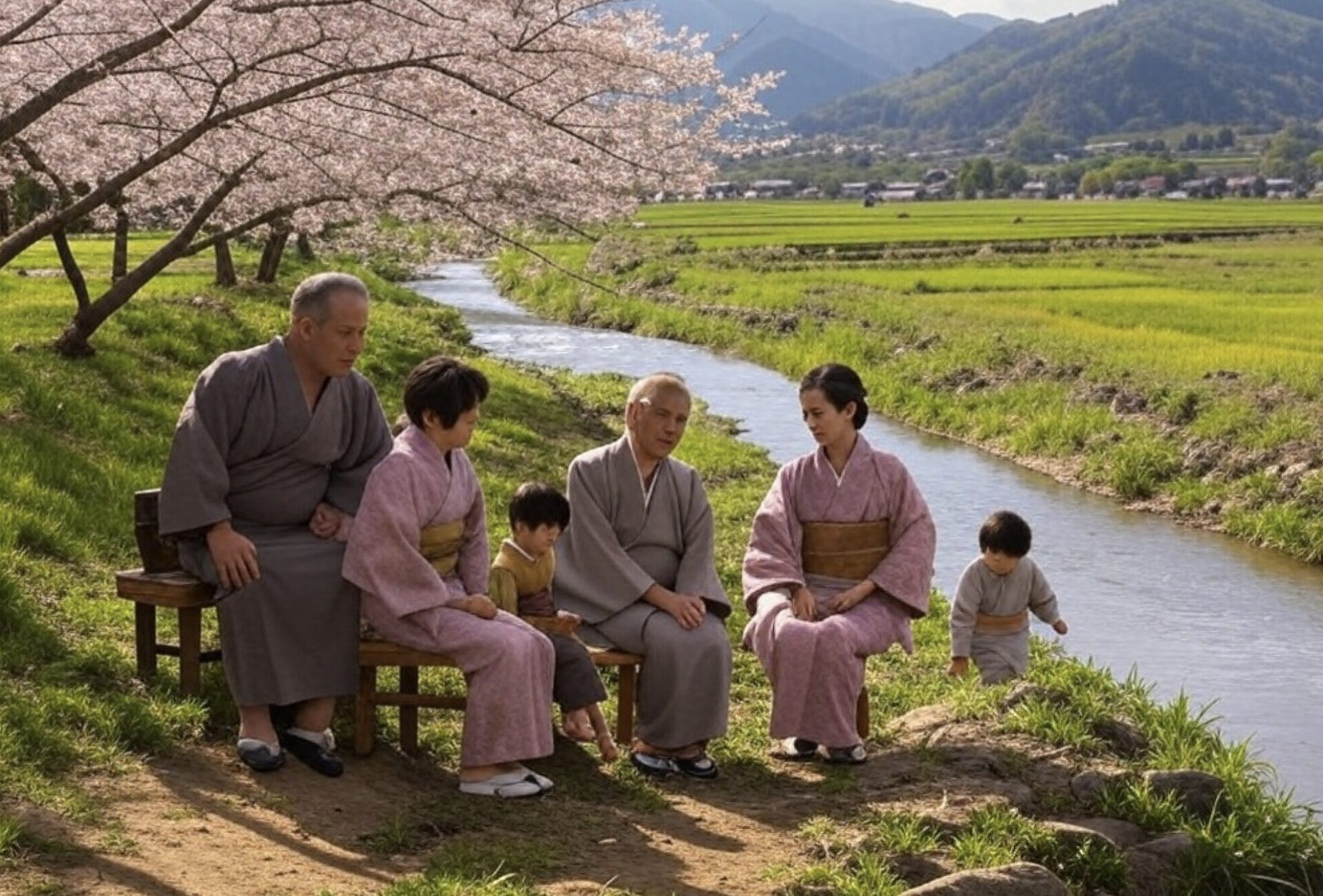
In Japan, cultural celebrations are more than just parties; they’re a way of life! From Hanami (flower viewing) to Obon (honoring ancestors), these events bring communities together. They remind you to appreciate nature and family, two big ingredients for longevity.
Imagine gathering with friends under cherry blossoms, sipping sake, and sharing laughter. Sounds dreamy, right? Plus, these celebrations often involve healthy, traditional foods. Think fresh sushi and seasonal veggies. So, why not embrace a bit of Japanese culture? It might just keep you feeling youthful and vibrant!
Learning New Skills
Learning new skills can add spice to life and keep you feeling young. The Japanese often engage in activities like calligraphy or flower arranging. These aren’t just hobbies; they promote mindfulness and creativity. Ever tried to master the art of sushi-making? It’s a fun challenge! Plus, it keeps your brain active, which is a bonus for longevity.
So, why not pick up that guitar or start painting? You’ll not only gain a new skill but also create a sense of accomplishment. You may even surprise yourself with hidden talents. Let the fun begin! 🎨
Embracing Change and Adaptability
In Japan, embracing change is like a national sport. People adapt to life’s twists and turns with a grace that leaves you wondering if they’ve got a secret playbook. Ever heard of the concept kaizen? It’s all about continuous improvement. You’ll find folks tweaking their routines, whether it’s adding a morning stroll or swapping out bad snacks for matcha cookies (yum!).
Staying flexible helps reduce stress. Plus, it’s a great way to keep your mind sharp as you age. So, the next time life throws a curveball, channel your inner Japanese wisdom and roll with it. Change can be a good friend!