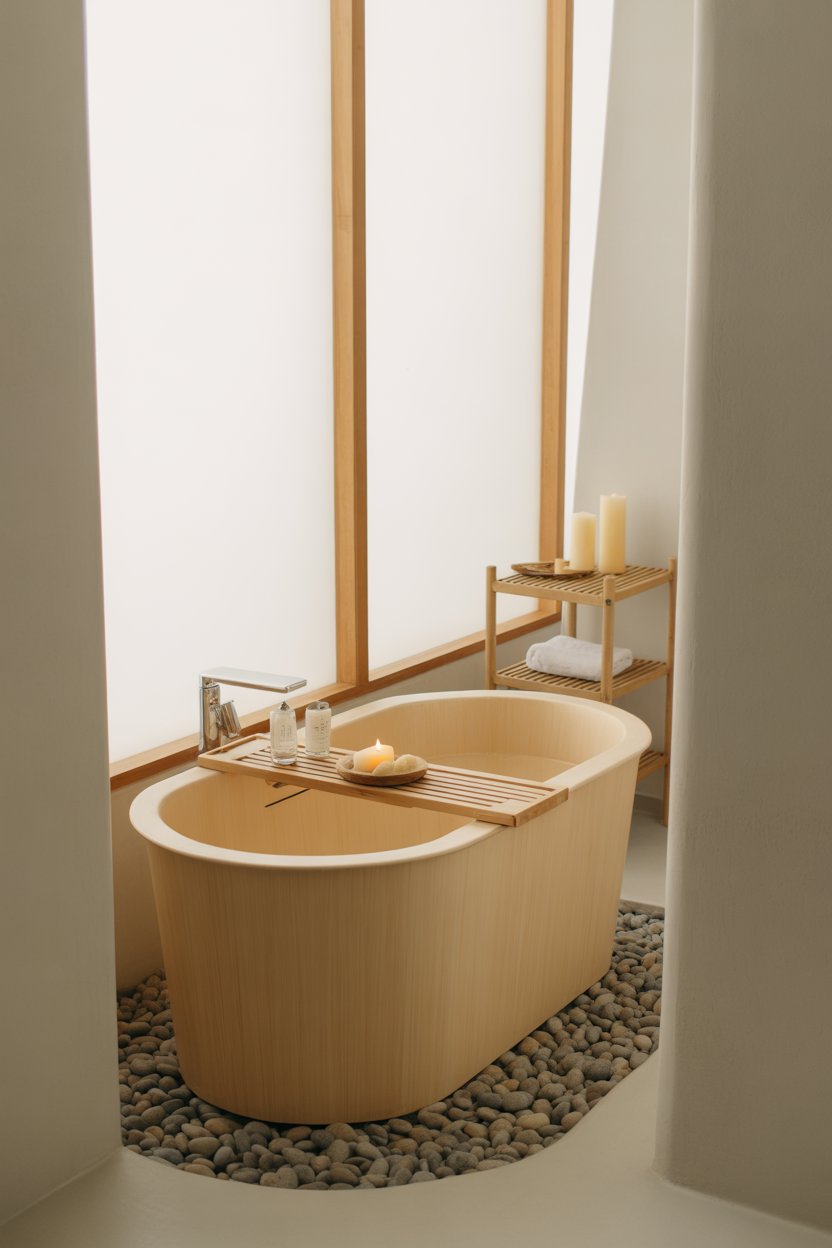
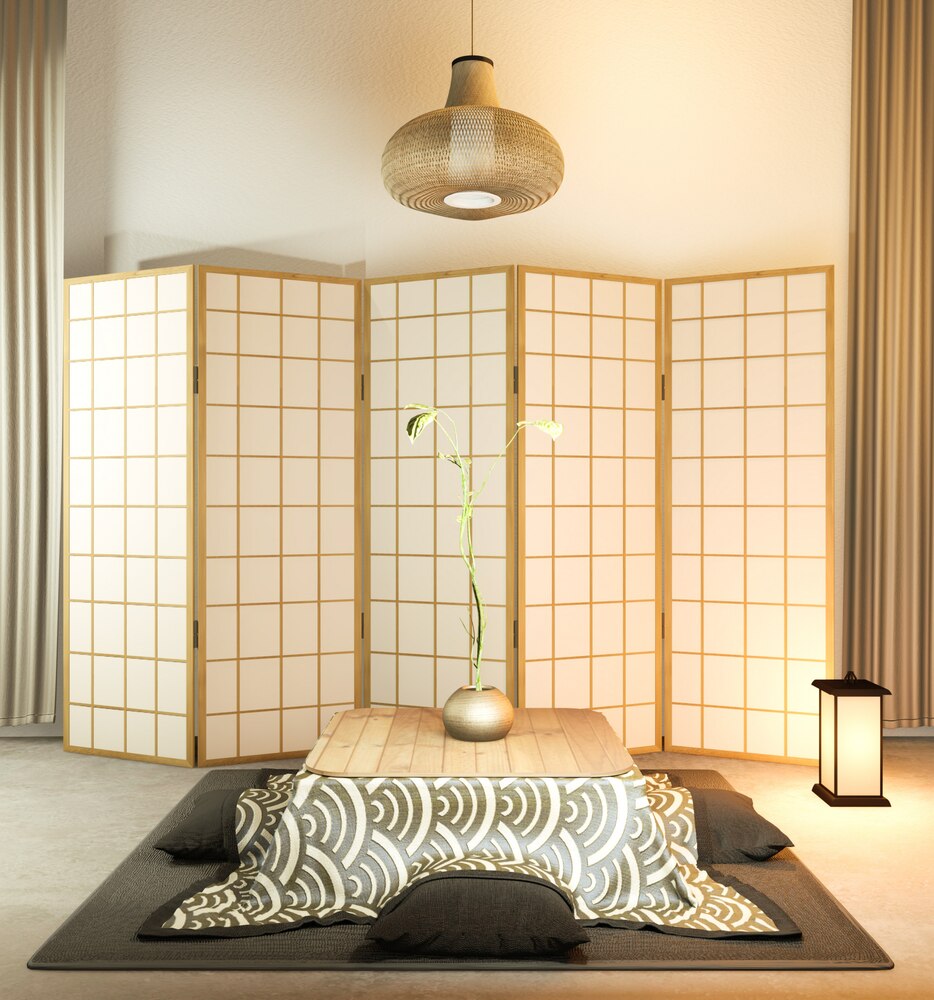
In a world consumed by speed, the essence of Japanese concepts invites us to embrace stillness. This approach encourages a profound appreciation for the present moment, revealing a path toward mindfulness and tranquility.
In this article, we will cover 10 transformative ideas, including the art of Wabi-Sabi and the practice of Ikigai. These concepts will guide you to not just slow down, but truly savor the beauty of life’s fleeting moments.
Wabi-Sabi Philosophy
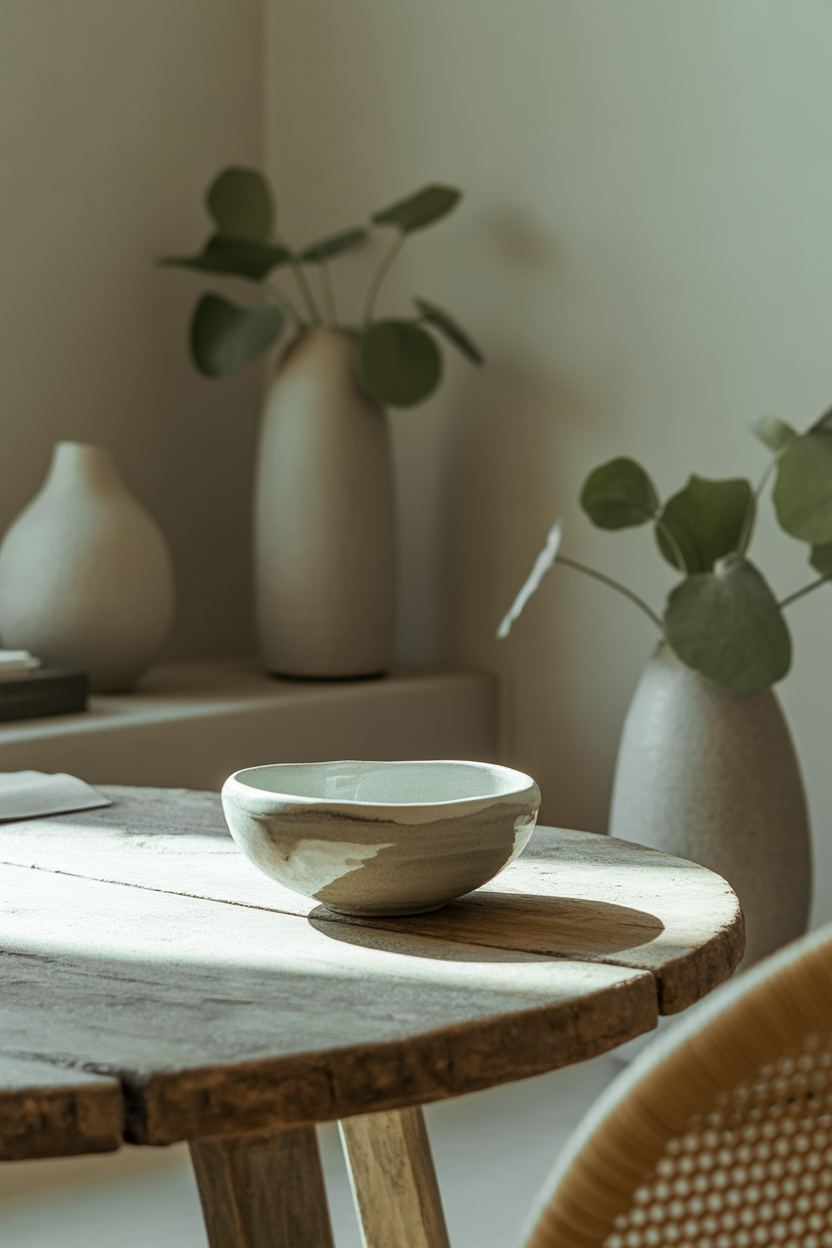
The concept of wabi-sabi celebrates the beauty of imperfection and transience in home decor. You might notice a handmade ceramic bowl, its uneven surface reflecting light beautifully, reminding you that flaws can enhance charm. A weathered wooden table adds character, telling stories of time and use. Incorporating wabi-sabi into your space means embracing simplicity and natural materials. Consider soft, muted colors and organic shapes that evoke a sense of calm. Plants with irregular leaves or asymmetrical vases can also highlight this philosophy, creating a serene atmosphere that encourages you to slow down and appreciate the moment.
The Art of Shinrin-Yoku
Shinrin-yoku, or “forest bathing,” is a practice that immerses you in nature’s beauty. You might find yourself surrounded by tall trees, gentle rustling leaves, and the sweet scent of pine. This experience encourages you to engage your senses fully, feeling the cool breeze and hearing birds chirping.
As you walk slowly along forest paths, take note of vibrant moss and delicate wildflowers. Each step invites you to appreciate the world around you. The calming atmosphere of the forest helps reduce stress and increase mindfulness, allowing you to reconnect with nature and yourself.

Embracing Mono No Aware
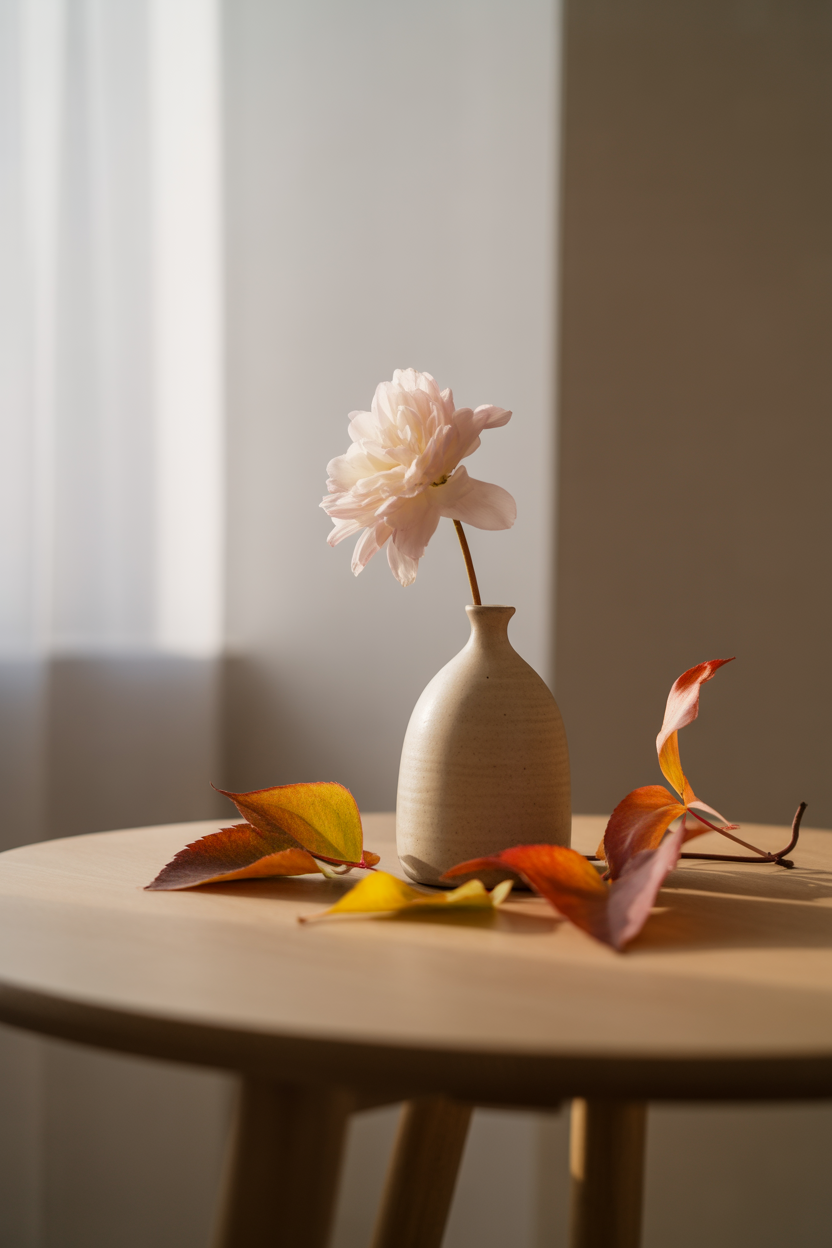
Mono No Aware cherishes the beauty in transience. This concept encourages you to appreciate moments as they come and go. A simple vase with a single blossom evokes a sense of fragility, inviting you to pause and reflect.
Incorporating this into your home can be as easy as displaying seasonal items. A bowl of vibrant autumn leaves or a collection of delicate, fading flowers can remind you of nature’s cycles. Each piece tells a story, urging you to slow down and savor the present.
Embrace the fleeting qualities of life, and transform your space into an oasis of mindfulness.
Practicing Ikigai
To practice Ikigai, find a quiet space to reflect on what you love, what you’re good at, what the world needs, and what you can be paid for. Create a cozy nook with soft lighting and comfortable seating to encourage deep thought. Surround yourself with inspiring visuals, like art or nature, to spark creativity.
Write down your thoughts in a journal, allowing ideas to flow freely. This practice helps clarify your purpose and brings a sense of calm. Embrace the process, and remember that it’s about enjoying the journey, not just reaching a conclusion.
The Ritual of Tea Ceremony
The Japanese tea ceremony is a beautiful ritual that celebrates mindfulness and simplicity. Each movement is deliberate, from the precise pouring of the tea to the careful arrangement of utensils. The atmosphere is serene, often enhanced by the sound of boiling water and the gentle clinking of cups.
As participants engage, they focus on the flavors and textures of the tea, fostering a deep appreciation for the moment. The room is often adorned with minimal decor, allowing the process to take center stage. This ritual invites tranquility and a sense of connection to nature and each other.
Mindful Kintsugi
Kintsugi is the art of repairing broken pottery with lacquer mixed with gold, silver, or platinum. This technique not only mends the item but highlights its history by making the cracks visible. Each piece becomes unique, embracing imperfections instead of hiding them.
In home decor, incorporating kintsugi pieces can create a striking visual contrast. Displaying a beautifully repaired bowl or vase can serve as a conversation starter while adding character to your space. It encourages a mindset of appreciation for the past, making your environment feel more personal and inviting.
Simplicity of Zen Gardens
A Zen garden offers a tranquil space, characterized by carefully raked gravel that mimics the flow of water. Smooth stones are artfully placed, representing islands or mountains, creating a harmonious landscape. The simplicity of these gardens encourages mindfulness, inviting you to focus on the present moment.
Each element is thoughtfully chosen, from the size of the rocks to the pattern of the gravel. This attention to detail transforms the area into a meditative retreat. By incorporating a Zen garden into your home, you cultivate a peaceful atmosphere that promotes relaxation and a slower pace of life.
The Value of Tsundoku
Tsundoku refers to the practice of acquiring books and letting them pile up without reading them. This concept encourages a slower pace, allowing time to enjoy the presence of books in your space. A stack of colorful covers on a cozy table can create a warm atmosphere, inviting you to pause and reflect.
Instead of rushing through a reading list, embrace the idea of having books around you, ready for whenever you feel inspired. This practice turns your home into a sanctuary of ideas, promoting a serene environment that fosters curiosity and relaxation.
Slow Cooking Techniques
In Japanese culture, slow cooking techniques emphasize patience and care. Traditional methods like nimono, or simmering, focus on enhancing flavors over time. Ingredients like root vegetables and fish meld together, creating a rich, comforting dish.
Another technique is kamado cooking, using a clay stove for even heat distribution. This method allows for slow-roasting meats, resulting in tender cuts infused with smoky flavors.
By embracing these styles, you not only savor delicious meals but also appreciate the art of cooking itself, transforming meal preparation into a mindful ritual.
The Power of Natsukashii
Natsukashii embodies a nostalgic feeling that arises from cherished memories. It can be triggered by familiar scents, sounds, or images that transport you back to simpler times. Incorporating items that evoke this sentiment into your space can create a soothing atmosphere.
Consider adding vintage photographs or heirlooms to your decor. Soft, warm lighting can enhance this feeling, making the space feel inviting and reflective. You might also play gentle music from your past to further evoke memories.
Creating a corner in your home dedicated to natsukashii can transform your environment into a peaceful retreat.