Here’s a fuller breakdown of how much it costs to move to Japan — specifically for expats and remote workers — plus tips to make the transition smoother 🌸
✈️ 1. Flight Costs: $500–$1,200 (one-way)
Prices vary by location and time of year.
- From the U.S. or Europe: ~$700–$1,200
- From nearby Asia-Pacific: ~$300–$700
Tips for digital nomads
Use flexible dates + low-fare calendars on Skyscanner or Momondo. Consider flying into Osaka or Fukuoka — less touristy and often cheaper than Tokyo.
🏡 2. Rent & Housing Setup: $2,000–$5,000 upfront
Japan’s housing market is different from what you may be used to.
Initial costs (known as “move-in fees”) often include:
- First month’s rent
- Security deposit (“shikikin”)
- Key money (“reikin”) — essentially a gift to the landlord
- Real estate agent fees
- Guarantor fees (if you don’t have a Japanese co-signer)
For digital nomads or short-stay expats:
✅ Monthly rentals (no key money):
Try sites like:
- Sakura House (Tokyo)
- Monthly Mansion
- Leo Palace
- Airbnb with monthly discounts
✅ Shared housing / coliving:
- Borderless House
- Share House Japan
- These often include furniture, Wi-Fi, and community support — great for solo expats
📦 3. Furnishing Costs: $0–$1,500
If you go for a furnished apartment or share house, you may not need to buy anything.
But for unfurnished places:
- Fridge: $100–$300
- Washer: $100–$200
- Bed, desk, shelves: $200–$500
- Kitchen basics: $50–$100
Tip: Buy secondhand or browse “Sayonara Sales” (expats leaving the country and selling furniture cheap). Look on Facebook Marketplace, Craigslist Tokyo, or local expat forums.
🌏 4. Visa Options & Costs: Varies by type
Japan is gradually becoming more digital nomad–friendly.
Here are some common visa paths:
🖥️ Digital Nomad (NEW in 2024)
- Valid for up to 6 months
- Must be a citizen of eligible countries (e.g., US, UK, EU)
- Income requirement: ~$70,000 USD/year
- Not extendable or renewable (but good for mid-term stays)
💼 Work Visa (Sponsored)
- Handled by a company hiring you in Japan
- You can switch jobs while on the visa, but need a sponsor
🎓 Student Visa
- For long-term Japanese language programs
- Often comes with work rights (28 hrs/week)
💑 Spouse Visa
- If married to a Japanese national or permanent resident
- Allows full work rights and long-term stay
Visa costs: ~$50–$600 depending on type + processing
🧘 5. Cost of Living: $1,200–$2,500/month
Japan can be very affordable, especially outside Tokyo.
Monthly breakdown for a solo expat:
| Expense | Low Budget | Mid-range |
|---|---|---|
| Rent | $400 | $1,000 |
| Utilities + Wi-Fi | $100 | $200 |
| Food (groceries + eating out) | $300 | $500 |
| Transportation | $50 | $150 |
| Health Insurance | $100 | $300 |
| Coworking/phone/etc | $50–$150 |
Tip: Many nomads live comfortably on $1,500–$1,800/month in cities like Fukuoka, Sapporo, or Hiroshima.
🖥️ 6. Remote Work & Internet Setup
Japan has excellent internet.
- Pocket Wi-Fi (rental): ~$30–$50/month
- SIM cards with data: ~$20–$40/month
- Fixed Wi-Fi (for long stays): ~$30–$60/month
Coworking spaces:
- Tokyo: WeWork, Blink, or The Hive
- Fukuoka: Engineer Cafe, Co-Work&Share
- Kyoto: Len Kyoto or Impact Hub
🩺 7. Health Insurance: ~$150–$300/month
Japan’s National Health Insurance (NHI) is available to long-term residents and very affordable.
You’ll pay monthly premiums based on your income (expats with low declared income often pay under $100/month). It covers 70% of most medical costs — with high quality, efficient care.
📍 8. Best Cities for Digital Nomads
Not all expats head straight to Tokyo. Here are some peaceful, budget-friendly alternatives:
- Fukuoka – Chill vibe, great food, beachside coworking
- Osaka – Cheaper than Tokyo, big city energy with Kansai charm
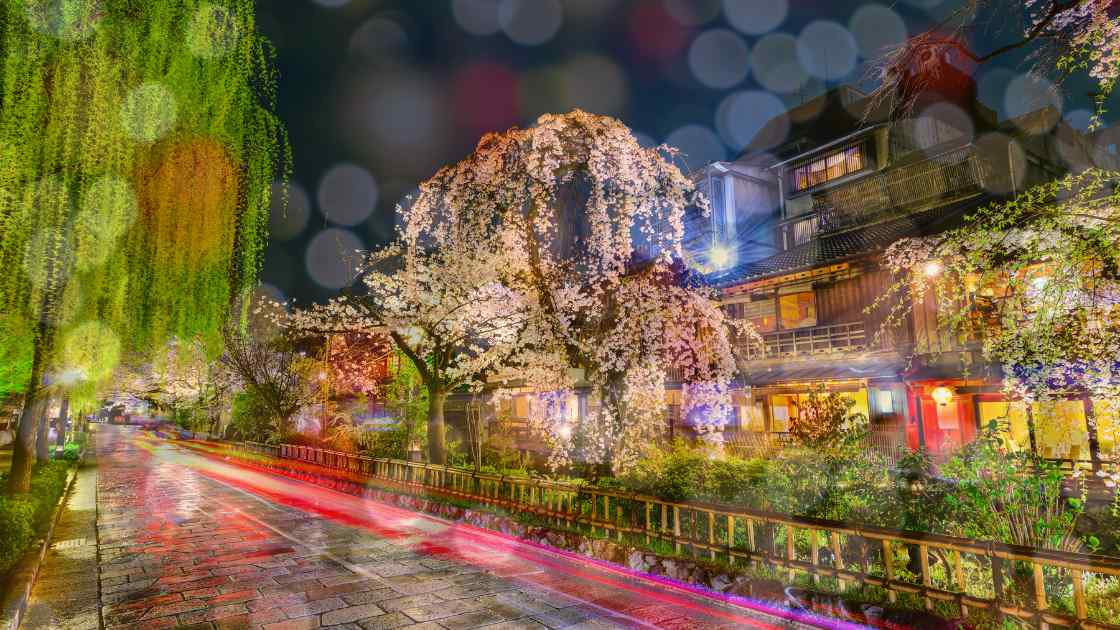
- Kyoto – Beautiful, quiet, inspiring for creatives
- Sapporo – Nature, skiing, and cool summers
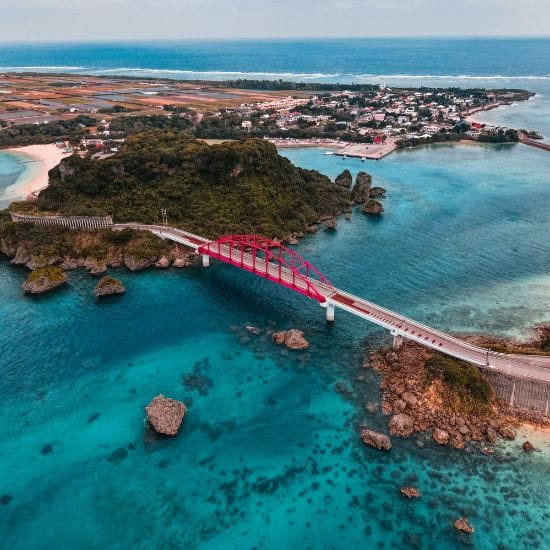
- Okinawa – Island life, remote-friendly, subtropical weather
🌿 Final Thoughts
Estimated total cost to move (solo expat/digital nomad):
👉 $5,000–$8,000 upfront
👉 $1,200–$2,000/month to live
Yes, it’s a big shift — but once you arrive, the pace of life slows down.
Vending machines hum quietly, trains run on time, and even the smallest moments (like sipping tea under a maple tree) start to feel sacred.
Take your time. Travel light. Learn a little Japanese.
And let Japan surprise you — softly, patiently, beautifully.