Overview of Tokyo’s Coffee Scene
Tokyo’s coffee environment is steeped in history, buzzing with modern vigor, and being shaped by the third-wave coffee movement. The city has transformed from a place of traditional sips to a hub of innovation where every cup tells a story.
History and Current Coffee Trends in Tokyo
Coffee first entered the Tokyo scene in the late 1800s, making it relatively young in the city’s rich history. I’ve seen it evolve from a novel drink enjoyed by the upper class to a household staple.
Cafés like Kayaba Coffee, established in 1938, stand as testaments to Tokyo’s enduring love for the brew. They have survived turbulent times and changed hands while retaining their retro charm and appeal to locals and tourists alike.
Modern roastery have also emerged, blending tradition with innovation, offering freshly prepared coffee beans and unique experiences to the city’s ever-growing community of coffee enthusiasts.
Influence of Third-Wave Coffee Movement
The third-wave coffee movement, with its focus on the best coffee possible – think high-quality beans, skilled preparation, and meticulous preparation methods – has left a strong imprint on Tokyo’s culture.
The arrival of companies like Blue Bottle and Allpress Espresso has pushed local coffee shops to elevate their craft. This resulted in a surge of specialty coffee shops throughout the city, turning neighborhoods like Kiyosumi-Shirakawa into trendy destinations for coffee aficionados.
Renowned Coffee Shops in Tokyo
Tokyo is home to some iconic coffee shops that are a must-visit for anyone looking to experience the city’s vibrant cafe culture.
Koffee Mameya
Koffee Mameya is a specialty coffee shop in bustling Shibuya, located a short walk from Omotesando Station, that treats coffee beans with the respect of an artisan.
My personal experience with their selection was nothing short of amazing. They offer expert advice on choosing beans and provide a tailored experience.
- Location: 4-chōme-15-3 Jingūmae, Shibuya City, Tokyo 150-0001, Japan
- Beans: A wide range from international roasters.
- Brewing Method: They take brewing seriously, with precise techniques for each cup.
Blue Bottle Coffee
Blue Bottle Coffee in Kiyosumi-Shirakawa gained a lot of attention when it opened. I remember the hype around their arrival. Their light-filled café and meticulous attention to detail make it a standout.
The Blue Bottle Coffee in Kiyosumi Shirakawa, Tokyo, is the brand’s flagship cafe. The company has other stores across Tokyo, including ones in Aoyama, Roppongi, Shinjuku, Shinagawa, Sangenjaya, Ikebukuro, Ebisu, Takeshiba, Shibuya, and Ginza. It also has stores in Kanagawa and Gunma.
- Ambiance: Modern and open, perfect for enjoying a slow cup of coffee.
- Specialty: Renowned for their pour-over coffee and espresso-based drinks.
Onibus Coffee
When I visited this cafe, I was impressed by their dedication to coffee. Nestled within a quieter area, this shop offers a tranquil spot to enjoy a high-quality mixture.
- Location: The flagship store is at 2 Chome-14-1 Kamimeguro, Meguro City, Tokyo.
- Roasting: They prepare their beans on-site, ensuring freshness.
Atmosphere: Small and cozy, it’s a place where you can feel the passion for coffee in every detail.
Specialty Coffee Offerings
Tokyo has embraced the craft of specialty coffee, offering a variety of unique and high-quality options. Coffee enthusiasts can indulge in an array of single-origin coffees, distinctive boutique blends, and exclusive limited-edition beans that highlight the complexity of specialty coffee.
Single-Origin Selections
I have discovered that Tokyo’s coffee stores take great pride in their single-origin coffee offerings. These shops typically feature a rotating selection of beans from various countries, each with its own distinct flavor profile. For example:
- Nozy Coffee: Offers a range of single-origin coffees that can have bright acidity and fruity notes. It’s flagship store is in Harajuku/Shibuya area of Tokyo.
- Onibus Coffee: Known for carefully selecting and preparing beans, providing a taste of the bean’s origin.
Boutique Blends
The city’s coffee stores often create their boutique blends, a mix of beans from different origins to produce a unique flavor. These blends are crafted to offer a consistent taste, balancing acidity, sweetness, and body. Notable mentions include:
- Streamer Coffee Company: Their blends are designed to deliver a smooth and balanced cup. They have stores in Tokyo, Osaka, Saitama, and Okayama.
- Leaves Coffee Roasters: This shop creates blends meant to appeal to various palates. It has two stores in Tokyo, in Sumida and Taito, and another in Nakijin Village, Okinawa Prefecture.
Limited-Edition Roasts
Limited-edition roasts in Tokyo are a treat for those looking to experience rare and exceptional coffee flavors. Roasters often release these special batches during specific seasons or events. Examples include:
- Sarutahiko Coffee: Sometimes offers limited-time roasts that highlight the roaster’s artistry. As of November 1 last year, it has a total of 15 stores all over Japan, including those in Harajuku, Ebisu, and Akihabara.
The Local Coffee Stand: Features unique roasts from Japan and international roasters on occasion.
Authentic Japanese Coffee Shop Experiences
In Tokyo, coffee lovers can savor the charm of traditional kissaten, the artistry of siphon brewing, and specialized tasting events that showcase diverse Japanese coffee culture.
Kissaten-Style Coffee Houses
I find the kissaten, Japan’s traditional coffee house, a blend of cultural heritage and a unique experience. These small coffee establishments often feature retro Showa-era decors, offering a serene atmosphere. They typically serve meticulously prepared coffee alongside classic sweets like anmitsu or toast.
- Atmosphere: Calm, retro vibe with Showa-era furnishings.
- Menu Highlights:
- Hand-dripped coffee
- Japanese sweets and toasts
Kissaten are not just coffee houses but a peek into Japan’s past.
Siphon Coffee Specialists
Tokyo is renowned for its siphon coffee specialists, who elevate coffee-making into performance art. I’ve observed that the siphon method, involving a glass apparatus and open flame, produces a clean and aromatic cup of coffee. It’s both mesmerizing to watch and delightful to taste.
- Technique: Delicate, precise, and visually captivating.
- Taste Profile: Clean, aromatic, with a unique texture and clarity
Patrons often visit these specialists to appreciate the craft as much as the final product.
Japanese Coffee Tasting Events
Coffee tasting events in Tokyo are where I explore the subtleties of various regional beans and roasting styles. These events are educational, allowing enthusiasts to learn about the diversity of flavors and the stories behind each cup.
- Experience: Educational and palate-expanding.
- Focus:
- Regional Japanese beans
- Roasting techniques and flavor notes
Through these events, I deepen my appreciation for Japan’s rich coffee landscape.
Innovative Coffee Shops
Tokyo’s cafes are not just places to grab a quick caffeine fix; they are hubs of innovation where baristas experiment with preparation methods and drink recipes and where the setting itself contributes to the overall coffee experience.
Experimental Brewing Methods
Nozy Coffee and Onibus have gained recognition for their mastery of the craft. My visit to these cafés revealed a wide array of techniques:
- Pour-over
- Aeropress
- Siphon
Each method extracts distinct flavor profiles from the beans, offering a unique tasting experience.
Fusion Coffee Drinks
Over at Yazawa Coffee Roasters, I discovered coffee drinks that merge traditional flavors with inventive twists. The menu includes:
- Matcha Espresso
- Hojicha Latte
- Coffee Jelly Tonic
These combinations create new taste sensations while staying true to the quality of the coffee.
Concept-Themed Cafés
Fuglen Tokyo not only serves top-notch coffee but also operates as a cocktail bar at night, showcasing a seamless blend of Norwegian and Japanese design.
At The Local Coffee Stand, every corner of the café speaks to the local creative scene with its:
- Minimalistic decor
- Selection of beans from Japanese and overseas roasters
- Focus on community and collaboration
The unique themes of these cafés make them standout destinations in Tokyo’s vibrant culture.
Coffee Shop Design and Ambience
In Tokyo, cafes reflect a tapestry of design philosophies, from serene minimalism to the comfort of local hangouts and the edgy appeal of industrial aesthetics.
Minimalist Japanese Aesthetics
I find minimalist design to be rooted in the essence of traditional Japanese aesthetics. These cafes in Japan feature clean lines, natural materials, and a focus on open space that invites calmness. For instance:
- Material Use: Wood, stone, and paper.
- Color Palette: Neutral tones with occasional splashes of green from indoor plants.
Cozy Neighborhood Cafés
Local coffee spots in Tokyo excel at creating a warm, inviting atmosphere. They often feature:
- Seating: Comfortable sofas and small tables.
- Decor: Soft lighting and bookshelves.
- Community Engagement: Bulletin boards showcasing local events.
Industrial Chic Spaces
These venues blend functionality with style. Key elements include:
- Structure: Exposed beams and ductwork.
- Furnishings: Metal chairs and reclaimed wood tables.
- Texture: Concrete floors paired with soft leather seatings.
Sustainability and Ethical Practices

In Tokyo, cafes that focus on sustainability and ethical practices are creating a positive impact. These establishments are not only about serving great coffee but also about promoting a healthier environment and supporting local communities.
Eco-Friendly Coffee Shops
My visit to various Tokyo cafes opened my eyes to the breadth of eco-friendly initiatives they embrace. For instance, some cafes use biodegradable materials for their cups and packaging, reducing waste and carbon footprint.
One such place is the BIKAS COFFEE in Bunkyo. With its sustainable approach, this cafe proves that enjoying a cup of coffee can go hand-in-hand with caring for the planet.
Moreover, cafes like HIROCOFFEE extend their commitment by obtaining various eco-friendly accreditations and by meticulously choosing their suppliers.
Support for Local Coffee Farmers
I’ve discovered that Tokyo’s best cafes often include beans sourced directly from local farmers. This practice ensures fresher coffee for customers and fair compensation for the farmers.
Verve Coffee Roasters stands out with its dedication to ethical sourcing practices. By partnering with farmers, they help to boost local economies and bring customers a taste of Japan’s diverse coffee-producing regions.
Besides unveiling rich flavors, these partnerships are telling of the shop’s commitment to social responsibility.
Barista Craftsmanship
In Tokyo, the dedication to the craft of coffee is evident in the meticulous preparation methods and the visually stunning latte art that adorns your cup.
Coffee Brewing Techniques
When I prepare coffee, precision and attention to detail are my top priorities. Whether it’s the temperature of the water, the grind size of the beans, or the timing of the extraction, each plays a critical role in crafting the perfect cup.
Here’s how I ensure consistency and quality:
- Water Temperature: 90-96°C for optimal extraction
- Grinding: Fine for espresso, medium for drip, coarse for French press
- Extraction Time:
- Espresso: 25-30 seconds
- Pour-over: 3-4 minutes
- French press: 4 minutes
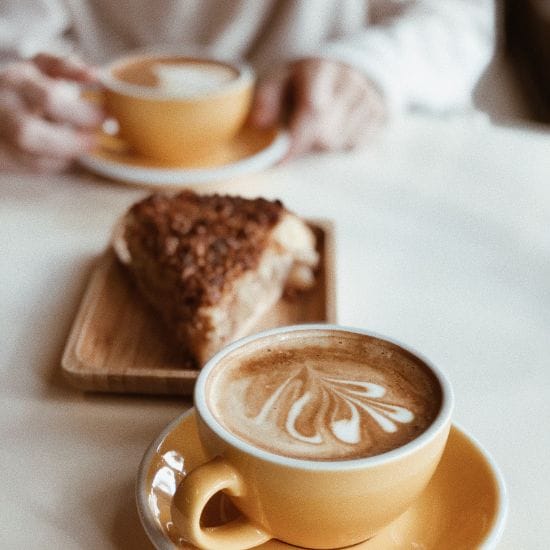
Artistry of Latte Art
Latte art is more than just a visual treat; it’s a sign of a well-pulled espresso and perfectly steamed milk. My technique involves:
- Espresso: Starting with a rich, crema-topped shot
- Milk: Steaming to achieve microfoam with velvety consistency
- Pouring: Creating designs with controlled movements and pouring height
From simple hearts to intricate rosettas, each design I pour is a personal touch that adds to the coffee experience.
Pairing Food and Coffee

When exploring coffee shops in Tokyo, the delight is not only in the coffee itself but also in finding the perfect snack to enhance the experience.
Pastry and Coffee Combinations
For a sweet companion to my cup of coffee, I often consider the texture and flavor of pastries. Croissants, with their buttery layers, match well with the smooth taste of a latte.
If I opt for something with a bit more character, like an ultra-light single-origin roast, a lemon tart offers a refreshing zing that balances the coffee’s complexity.
- Chocolate pastries and espresso: The richness of chocolate complements the intensity of espresso.
- Fruit scones and iced coffee: A fruity scone pairs nicely with the cool and more subtle flavors of an iced coffee.
Savory Options for Coffee
I like to balance my palate with savory snacks when sipping my coffee. A ham and cheese quiche can stand up to a robust dark roast without overpowering the drink.
For those who prefer lighter roasts, I find an avocado toast seasoned with pepper and lemon is subtle enough to enhance rather than compete.
- Artisanal cheeses and medium roast: The nutty and sweet notes of a medium roast engage well with the depth of good cheese.
Toast with smoked salmon and Americano: The smokey flavors of the salmon are the perfect match for the straightforward taste of an Americano.
Navigating Tokyo’s Coffee Shops
As someone who’s explored Tokyo’s coffee scene, I’ve discovered that finding your way to the best spots and ordering can be a breeze with the right resources and language tips.
Coffee Shop Maps and Guides
Finding the Ideal Cafe:
- Use Digital Maps: Apps like Google Maps often have an extensive list of shops. Users leave reviews and photos that can give you a good idea of what to expect.
- Pick Up a Local Guidebook: Bookstores in Tokyo carry guidebooks dedicated to cafes. These can be particularly useful for discovering hidden gems.
Coffee Shop Districts:
- Explore Neighborhoods: Certain areas like Kiyosumi-Shirakawa and Ginza are known for their concentration of specialty cafes. Walking these neighborhoods can offer a variety of choices.
While You’re There:
- Bookmark Favorites: When you find a cafe that intrigues you, save them on your map app or note them in your guide for future reference.
Language and Order Tips
Communicating with Baristas:
- Learn Basic Coffee Terminology in Japanese: Knowing words like “コーヒー” (kōhī – coffee), “ミルク” (miruku – milk), “砂糖” (satō – sugar), and “ホット” (hotto – hot) or “アイス” (aisu – ice) can help.
- Pointing Helps: If you’re unsure how to pronounce something, pointing to the menu item is universally understood.
Ordering with Confidence:
- Simple is Better: Start with basic orders and as you get more comfortable, try more complex ones.
- Cash or Card: Some cafes might only take cash, so always have some yen on hand just in case.
My experiences have taught me that a little preparation goes a long way. With these resources and communication strategies, you can confidently navigate Tokyo’s diverse coffee culture.
Frequently Asked Questions
Tokyo’s coffee culture is vibrant and eclectic, offering everything from world-renowned specialty roasters to cozy spots perfect for work or study.
Each of these cafes not only delivers a memorable coffee experience but has also been highlighted as a must-visit for any coffee enthusiast in the bustling city.
What are the top-rated coffee shops in Tokyo for quality brews?
I’ve come to learn that Nozy Coffee and Onibus Coffee stand out amongst the plethora of coffee stores in Tokyo for their quality brews. These shops focus on meticulously roasted beans, offering rich and flavorful cups of coffee that have garnered a loyal following. On top of that, they offer free wifi connection so you can stay online while sipping that delicious cup of coffee.
Where can you find unique or themed cafes in Tokyo?
Tokyo is well-known for its unique themed cafes, ranging from anime to animal-themed spaces. One such place with a longstanding reputation is Kayaba Coffee in Yanaka. It’s known for its retro charm and cozy atmosphere, making it a delightful haven for coffee lovers and those seeking a thematic ambiance.
Are there any famous coffee shops recommended by locals in Tokyo?
Koffee Mameya is a name that often comes up when locals recommend coffee shops. Little Nap Coffee Stand is also prized, reflecting the heart of the city’s coffee scene, loved for its welcoming vibe and exceptional coffee. Yanaka Coffee in Yoyogi is another name locals trust. They carry around 30 types of coffee beans.
Can you recommend some cafes in Tokyo known for their specialty blends?
Yazawa Coffee Roasters comes highly recommended for those seeking specialty blends. They take pride in their roasting process, ensuring that each cup highlights the complex flavors of their quality beans.
Is it possible to find cafes in Tokyo suitable for studying or working?
Yes, many cafes in Tokyo cater to students and professionals looking for a place to work. Fuglen Tokyo is an example where the atmosphere allows for productivity along with the enjoyment of high-quality coffee.
What is the average price for a cup of coffee in Tokyo?
The cost for a cup of coffee in Tokyo averages around 400 JPY, which is approximately 2.50 USD, though prices can vary depending on the establishment and the complexity of the coffee beverage.