Overview of Traveling from Osaka to Kyoto
Given their proximity, traveling between Kyoto and Osaka is easy and convenient.
I often recommend that visitors leverage Japan’s excellent public transport system, especially rail services. They offer a reliable and efficient way to cover the short distance between these two cities.
By Train:
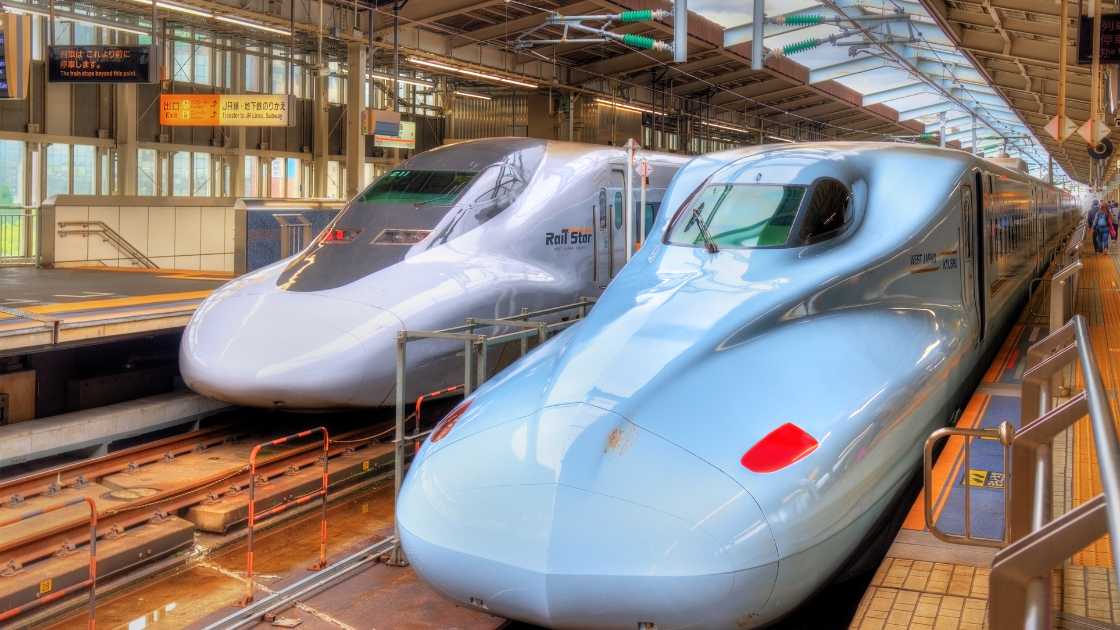
The Shinkansen, Japan’s bullet train, is the fastest option. The journey takes about 15 minutes from Shin-Osaka Station to Kyoto Station.
I’m also aware of the convenient regular trains on the JR Kyoto Line, where you can use a JR Pass.
Meanwhile, travelers departing from Hankyu Umeda Station can access the Hankyu Kyoto Line, another rail option for reaching Kyoto.
This line offers convenience and efficiency, with regular train services connecting Osaka and Kyoto. Passengers can use various ticketing options, such as the Hankyu Tourist Pass or ICOCA card, for seamless travel.
This station is a convenient departure point for travelers in the bustling Umeda area of Osaka. It provides easy access to the Hankyu Kyoto Line for their journey to Kyoto.
Cost Comparison:
- Shinkansen: Higher fare, but it’s remarkably fast.
- Regular Trains: These are more economical and still quite prompt.
Local Insights:
I might choose the Shinkansen if I’m short on time. However, for a more leisurely sightseeing trip to Kyoto or on a budget, the regular trains provide a great balance between cost and travel duration.
Here’s a straightforward list detailing the departure station in Osaka:
- Shinkansen: Depart from Shin-Osaka Station
- JR Kyoto Line: Depart from Osaka Station
- Hankyu Kyoto Line: Depart from Umeda Station
In my experience, Kyoto’s rich culture, history, and culinary delights are well worth the brief trip from Osaka. Whether I opt for speed or economy, the journey has always been part of the adventure.
Transportation Options

When planning a trip to Kyoto from Osaka, I consider the various transportation methods that cater to different preferences and budgets.
Shinkansen (Bullet Train)
I recognize that the Shinkansen, or bullet train, is the fastest way to travel between Osaka and Kyoto, taking about 15 minutes.
Depending on the type of Shinkansen, the fare varies, typically between ¥1,420 and ¥3,220 for a one-way ticket to get to Kyoto.
Local Trains
For economical travel, I often choose local trains. The JR Kyoto Line connects Osaka and Kyoto in roughly 30 minutes, costing around 560 yen.
Alternatively, the Hankyu Railway and Keihan Railway offer routes to central Kyoto at similar prices and take about 45 minutes.
Buses
I occasionally use buses for their scenic routes. They’re cheaper but slower, taking about an hour from Osaka going to Kyoto. The cost starts from ¥500 for a one-way trip. The Raku Bus in Kyoto is popular for tourists visiting major attractions.
Private Vehicles
When I prefer comfort and flexibility, I sometimes rent a car. The journey takes about an hour, depending on traffic. Rental and fuel costs vary, but the convenience of traveling on my schedule is often worth the price.
Taxis
I opt for a taxi for direct and private transport. The fare from Osaka to Kyoto is typically around ¥13,000 to ¥18,000, and the journey takes approximately 55 minutes. This option is convenient but more costly than trains or buses.
Travel Time and Distance

When I consider the journey between Osaka and Kyoto, I find several options vary in speed and cost. Traveling by train is among the most popular methods for this route. The distance between the two cities is approximately 55 kilometers.
I can take the Shinkansen (bullet train) from Shin-Osaka Station to Kyoto Station, which is the fastest option available. It takes around 14 to 15 minutes to cover the distance.
It suits travelers on a day tour with a Japan Rail Pass. Take note you cannot use the JR Pass for the Nozomi Shinkansen as it is not part of the coverage.
Alternatively, I may choose limited express trains on the Hankyu Kyoto Line. It’s a cost-effective choice, taking me from Osaka-Umeda Station to central Kyoto in roughly 40 minutes at a fare of 400 yen. Frequent departures make this a convenient option.
The cheapest route costs merely ¥913, though the travel duration might vary. Driving is also viable, taking approximately 45 minutes under normal traffic conditions.
Here’s a summary of the travel times and costs:
| Mode of Transport | Travel Time | Cost |
| Shinkansen | 14-15 minutes | ¥1,420 |
| Limited Express Train | 40 minutes | ¥410 |
| Cheapest Alternative | Variable | ¥913 |
| Car | 45 minutes | — |
There’s a range of options that cater to different needs, whether I prioritize speed, cost, or the experience of the journey itself.
Ticketing and Costs
When planning a trip to Kyoto from Osaka, it’s important to consider the various transportation options and their associated costs.
Below, you’ll find detailed information on train tickets, bus fares, and taxi rates to help you budget your journey effectively.
Train Tickets
Travelers departing from JR Osaka Station can access the JR Kyoto Line, which offers standard train services to Kyoto.
The cost of tickets on the JR Kyoto Line can vary based on factors such as reserved or unreserved seating.
- Unreserved Seat: Costs about ¥1,420.
- Reserved Seat: Starts at ¥2,810.
- Green Car (First Class): Approximately ¥3,740.
JR Train services offer travelers flexibility with up to 34 daily departures, making it a convenient choice for those exploring Kyoto at their own pace.
Bus Fares
Bus travel is generally more economical compared to trains. For a one-way trip to Kyoto from Osaka:
- Standard Bus: A ticket may cost about ¥500-¥1,000.
The bus journey might take longer than the train, typically just over an hour, depending on traffic conditions.
Taxi Rates
Taking a taxi is the most expensive choice, yet it provides door-to-door service.
- Standard Taxi: The fare can start around ¥10,000 and up, depending on your exact starting and ending locations.
Best Time to Visit Kyoto

When I plan to visit Kyoto, I consider several factors like climate, festivals, and the peak travel seasons. Kyoto showcases distinct seasonal attractions; hence, timing the visit can enhance the experience.
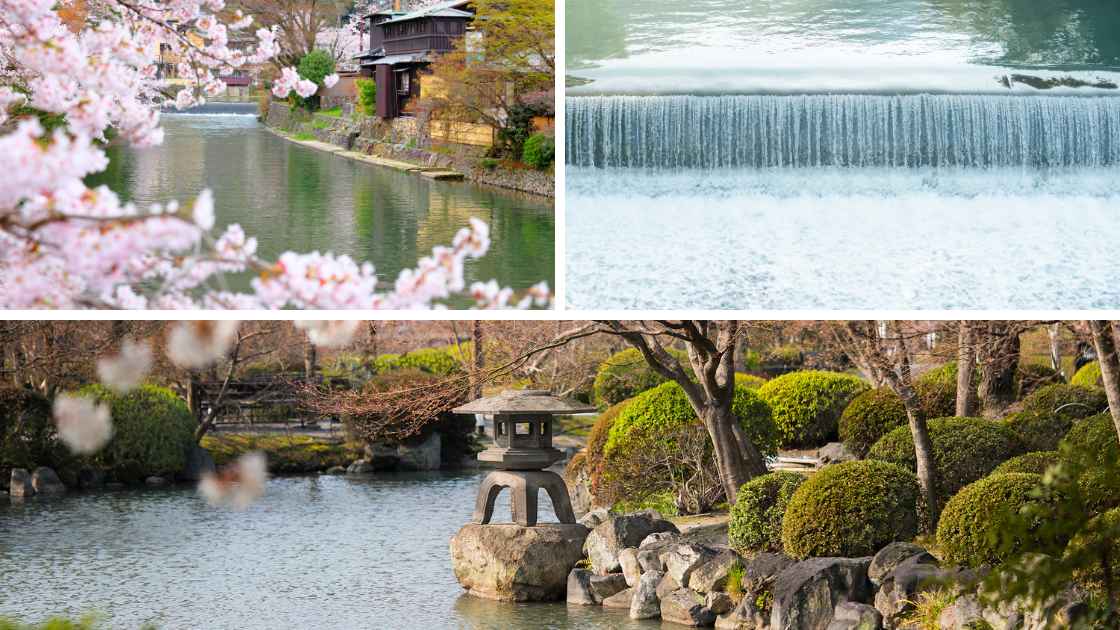
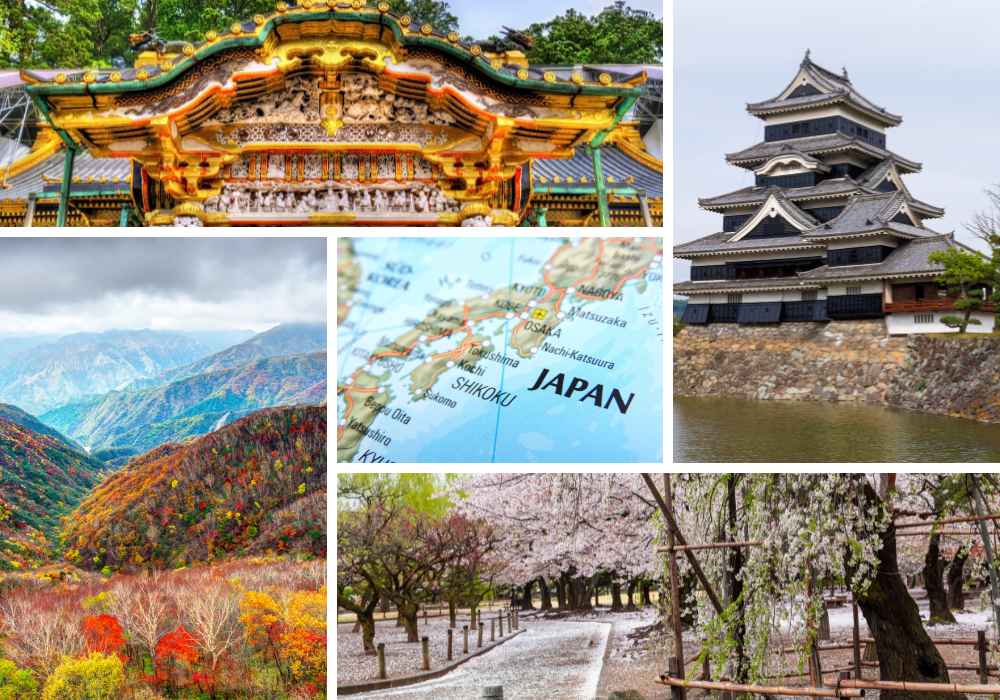
Spring (March to May): I find spring exceptionally beautiful, especially when cherry blossoms (sakura) bloom. Early April is famous for this spectacle, although it also means larger crowds and higher prices.
Autumn (October to November): I believe autumn rivals spring in beauty with its vibrant foliage. The weather during November is mild, offering some of the best travel conditions.
| Month | Climate | Notes |
| Spring | Mild with occasional rain | Crowded due to cherry blossoms |
| Autumn | Cool and pleasant | Ideal for viewing autumn leaves |
I avoid summer (June to August) as it gets quite hot and humid, which might be uncomfortable for some travelers.
To experience Kyoto’s majestic beauty without the extreme weather, I recommend spring and autumn as the ideal seasons to explore the ancient city.
Must-See Attractions in Kyoto
Kyoto is a Japanese city imbued with history and culture. It is replete with attractions catering to a wide range of interests, from historical landmarks and traditional arts to scenic spots.
Here are some wonderful places to visit in Kyoto:
Historical Sites
Kinkaku-ji: The Golden Pavilion, a Zen temple with the top two floors completely covered in gold leaf, is a spectacle of historical elegance.
I find it embodies Japan’s penchant for combining natural beauty with architectural prowess.
Fushimi Inari Shrine: With its iconic array of vermilion torii gates stretching along winding paths through the sacred Mount Inari’s wooded expanse, this shrine is a testament to Japan’s rich Shinto heritage.
A revered site, it invites visitors to immerse themselves in centuries-old traditions amidst the serene beauty of nature.
Cultural Experiences
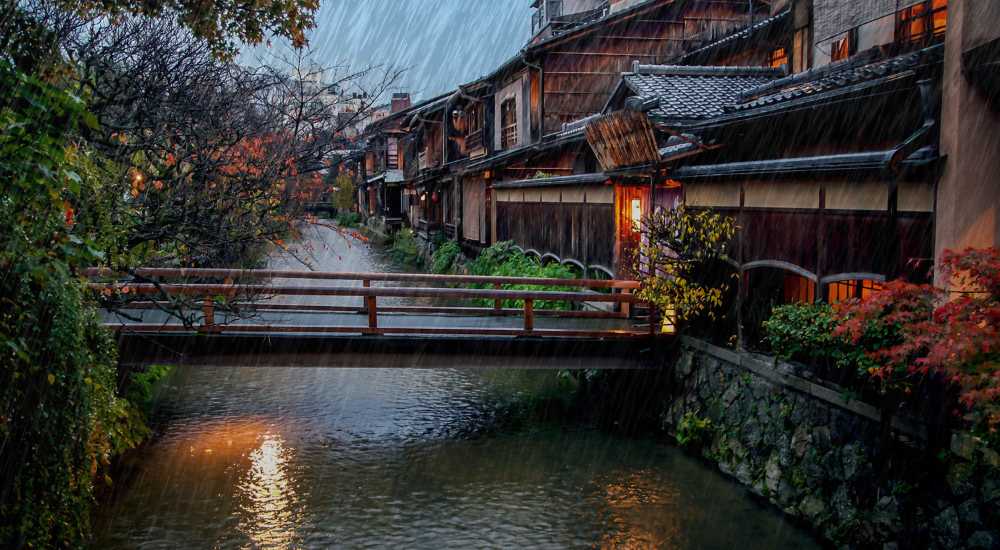
Gion District: As the heart of Kyoto’s geisha culture, the Gion district is where I witness the traditional tea houses and sometimes catch a glimpse of a geiko (geisha) or maiko (apprentice geisha) in their exquisite attire.
Kyoto Imperial Palace: It’s where Japanese history unfolds with each step through its expansive grounds and well-maintained gardens. It’s a place to immerse oneself in the historical narrative of Japan’s imperial family.
Natural Beauty
Arashiyama Bamboo Grove: Within Arashiyama, the Bamboo Grove is a natural forest that seems otherworldly.
Walking through the towering stalks of bamboo, I’m enveloped in serenity, particularly in the hush of early morning.
Philosopher’s Path: Named after the esteemed philosopher Nishida Kitaro, who once took his daily meditative walks here, this stone path, beside a canal, is magnificent during cherry blossom season.
It is a place where natural beauty and reflective quiet coexist.
Suppose you have ample time and are interested in exploring nearby areas. In that case, you may want to include visiting the ancient temples and deer park in Nara.
There is also the vibrant culture and delicious cuisine in Kobe. Don’t forget the serene temples and bamboo forests in Western Kyoto. They all offer memorable experiences.
Dining Options

When I travel between Osaka and Kyoto, a wide range of dining experiences awaits me. Kyoto is known for its traditional Japanese cuisine, featuring dishes perfected over centuries.
Here’s a brief guide to what you can expect to find:
Local Specialties:
- Kaiseki Ryori: a multi-course meal that emphasizes seasonality.
- Yudofu: simmered tofu, a specialty of Kyoto’s Buddhist temples.
- Kyoto-style Sushi: often sweeter and seasoned with Kyoto’s unique sushi vinegar.
Budget Eating:
- Conveyor Belt Sushi: a quick, fun, and cost-effective way to enjoy sushi.
- Ramen Shops: scattered throughout the city, perfect for a quick, delicious meal.
- Convenience Stores: offering a surprisingly good selection of pre-packaged meals.
Mid-Range and Fine Dining:
- Izakayas: Japanese pubs where I can enjoy small plates with a drink.
- Tempura Restaurants: where expert chefs fry seafood and vegetables to perfection.
- Kaiseki Establishments: for a more upscale traditional experience.
Desserts and Teahouses:
- Traditional tea is served with wagashi (Japanese sweets).
- Modern cafes offer interpretations of classic Japanese flavors.
Street Food:
- Takoyaki: battered balls with octopus, a famous Osaka street food in Kyoto.
- Matcha Treats: like ice cream and parfaits align with Kyoto’s tea culture.
These options showcase Kyoto’s culinary range, underscoring the city’s deep gastronomic heritage.
Whether looking for quick eats or a luxurious meal, travelers can be confident in finding something that suits both taste and budget.
Accommodation Choices

When I plan to visit Kyoto from Osaka, I carefully consider my accommodation options to guarantee a convenient and enjoyable experience.
Both cities provide a range of places to stay, and the following factors often influence my selections:
- Budget: Osaka generally offers more affordable options. A single room averages around $40 in Osaka, while it might be closer to $50 in Kyoto.
- Atmosphere: Kyoto’s accommodations have a semi-urban to urban character, allowing me to immerse myself in a historical context. Osaka’s urban vibe brings me closer to its modern, energetic nightlife.
Here’s my breakdown of accommodation choices between the two cities:
| Aspect | Kyoto | Osaka |
| Style | Traditional and refined | Modern and cosmopolitan |
| Avg. Cost | $50 (single), $100 (double) | $40 (single), $80 (double) |
| Experience | Cultural immersion | Urban excitement |
I also consider the sights I plan to visit. Kyoto is one of those cities with more spread-out sights, so I might prefer staying in Kyoto for less travel time.
However, if I plan day trips, staying in Osaka could be more cost-effective.
Whether I opt for Kyoto’s more historical ambiance or Osaka’s dynamic buzz, I ensure my accommodation aligns with my itinerary, expectations, and budget.
Cultural Etiquette and Tips

When I visit Kyoto, I ensure that I’m well-versed in local customs to show respect for the culture. Here are some tips that I’ve learned and recommend:
Dress Appropriately: Temples and shrines call for modest dressing. I avoid sleeveless tops and short shorts, opting for more conservative options.
- Shoes Off Indoors: If there’s a tatami mat floor, it’s a clear sign for me to remove my shoes.
Quietness is Key: I speak softly when visiting sacred places to maintain a tranquil atmosphere.
- Photography: I always look for ‘No Photography’ signs, especially regarding indoor spaces.
- Proper Bowing: A slight bow is my way of expressing thanks or greeting locals.
- Handling Cash: When I pay for something, I use the small tray provided to hand over money respectfully.
- Trash Disposal: I carry my trash until I find the right place to dispose of it, as public trash bins are rare.
- Conduct on Public Transport: I avoid talking on my phone and ensure it’s silent when using trains or buses.
- Understanding Queue Culture: I always stand in line and wait for my turn, whether boarding a train or buying a ticket.
I believe that being mindful of these points helps me appreciate the beauty of Kyoto’s culture more deeply.
Language and Communication
Traveling from Osaka towards Kyoto presents minimal language barriers for English speakers despite Kyoto being less cosmopolitan than Osaka or Tokyo.
My experiences and resources confirm that key tourist spots, restaurants, and hotels often offer English-speaking staff and menus. Expect English signage at transportation hubs and main attractions as well.
Communicating in English:
- Restaurants & Hotels: English menus and staff available.
- Tourist Spots: Information is typically provided in English.
- Transportation: English signs and announcements are common.
Knowing some basic Japanese phrases is helpful when traveling from Kyoto to Osaka and back. This enriches my travel experience and displays courtesy to residents.
However, even with my limited Japanese, the hospitality in both cities ensures a smooth journey. A smile and polite gestures go a long way in bridging any language gaps.
Local transportation options include:
- Shinkansen (Bullet Train): The fastest option with English instructions.
- JR Line: Cost-effective and efficient; takes around 30 minutes.
I recommend downloading a translation app or carrying a phrasebook for additional support. Transportation staff can usually assist in English if needed, and locals are often willing to help tourists navigate.
Remembering that body language and non-verbal cues are universal, they’ve been an asset in my travels. Gesturing, pointing, and simple nods can convey much without using words.
Despite language differences, the journey remains accessible and enjoyable.
Safety and Emergency Information

When I travel to Kyoto from Osaka, safety is a top priority. Kyoto, being a well-visited destination, generally maintains high safety standards.
In Case of Emergency:
- Contact Numbers: It’s vital to have emergency numbers ready. The police can be reached at 110, and the fire department and ambulance services at 119.
- Medical Facilities: Kyoto has numerous hospitals and clinics. I always get a list of the nearest medical facilities.
- Disaster Preparedness: In the event of natural disasters like earthquakes, Kyoto offers guidance and assistance for travelers.
Personal Safety Measures:
- Transport Safety: I stay alert and secure my belongings to avoid pickpocketing or theft when using public transport.
- Travel Insurance: I should have travel insurance that covers theft, loss, and medical emergencies.
- Cultural Norms: Respecting cultural norms and local laws helps avoid inadvertent offense.
Stay Informed:
- Local Resources: I check local resources, such as the Kyoto City Official Travel Guide, for the latest safety information.
- Japan Visitor Hotline: The Japan Visitor Hotline provided by JNTO is available for assistance in English.
Staying informed and prepared allows me to enjoy my visit to Kyoto from Osaka with peace of mind regarding safety and emergencies.
Frequently Asked Questions
When considering a trip from Osaka to Kyoto or vice versa, travelers typically have a handful of common questions regarding the journey. I will address those here to aid in planning your visit efficiently.
How do you get from Osaka to Kyoto?
I find the Shinkansen (bullet train) the fastest mode of transport between Osaka and Kyoto, taking only about 15 minutes from Shin-Osaka Station to Kyoto Station. Additional options include local and express trains that are frequently available and provide a cost-effective alternative.
What is the train price from Osaka to Kyoto?
The cost of a train ticket from Osaka to Kyoto varies depending on the type. A ticket for the Shinkansen typically costs around 1,420 yen, whereas local and rapid trains can cost between 560 and 800 yen for a one-way trip.
How far is Osaka from Kyoto by train?
The distance between the two cities is approximately 50 kilometers, and it takes a mere 15 minutes by Shinkansen or around 30 minutes by local train to cover this distance.
Is it better to stay in Osaka when visiting Kyoto?
Osaka can be a practical base for exploring Kyoto due to the cities’ proximity and the frequency of trains. Osaka often offers a more vibrant nightlife, while Kyoto is known for its cultural and historical attractions.
Can you visit Kyoto and Osaka in one day?
Yes, it is possible to visit both Kyoto and Osaka in one day during your trip to Japan. However, given the abundance of attractions in both cities, I recommend dedicating more time to each if your schedule allows.
Should I visit Osaka or Kyoto first?
Whether to visit Osaka or Kyoto first depends on personal preference and the nature of one’s itinerary. Kyoto is rich in historical significance, while Osaka offers a more modern, cosmopolitan experience.