A Japanese garden transcends mere aesthetics—it’s a sanctuary for the soul, inviting a profound connection with nature. By embracing the essence of simplicity and harmony, one can cultivate a space that nurtures tranquility and mindfulness.
In this guide, we will cover 10 essential elements, including the art of stone arrangement and the significance of water features. This is not just a garden, but truly a peaceful retreat that fosters serenity and reflection.
Incorporate Natural Stone Pathways
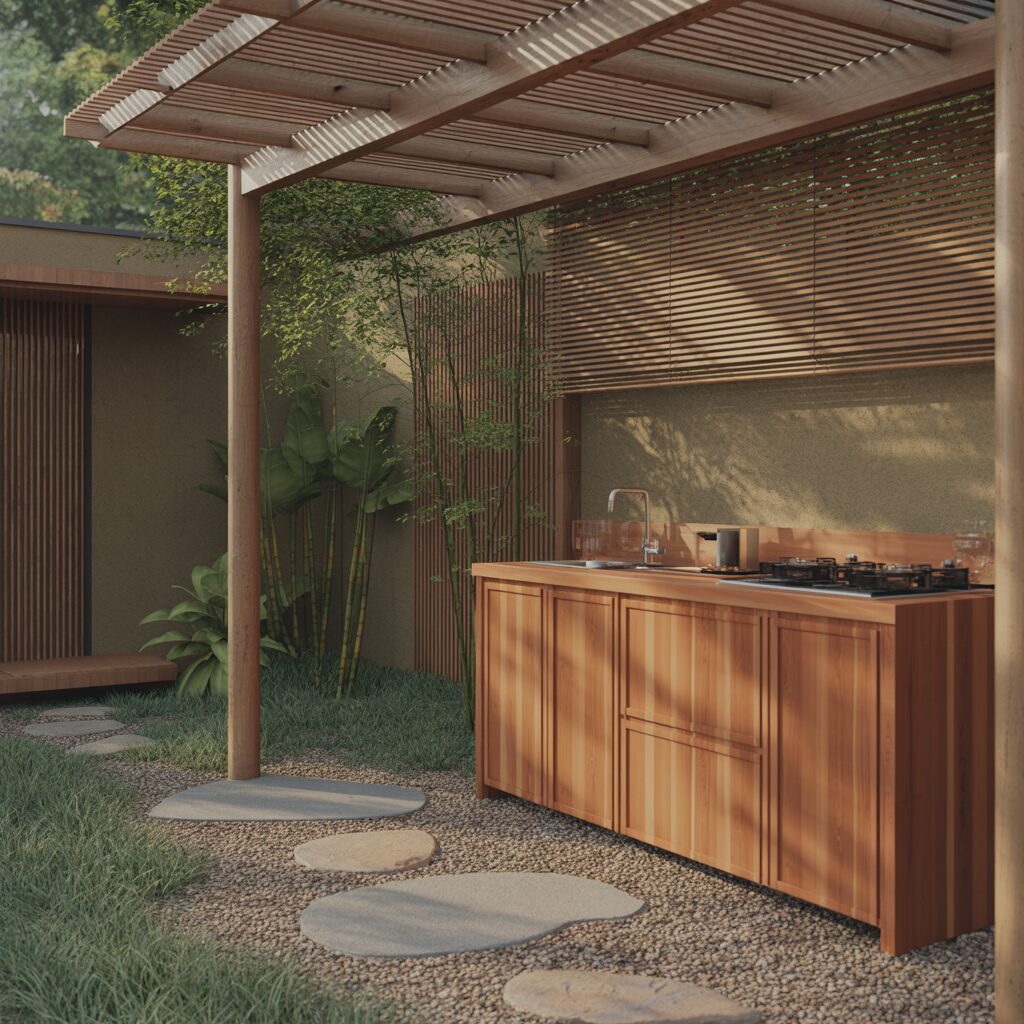
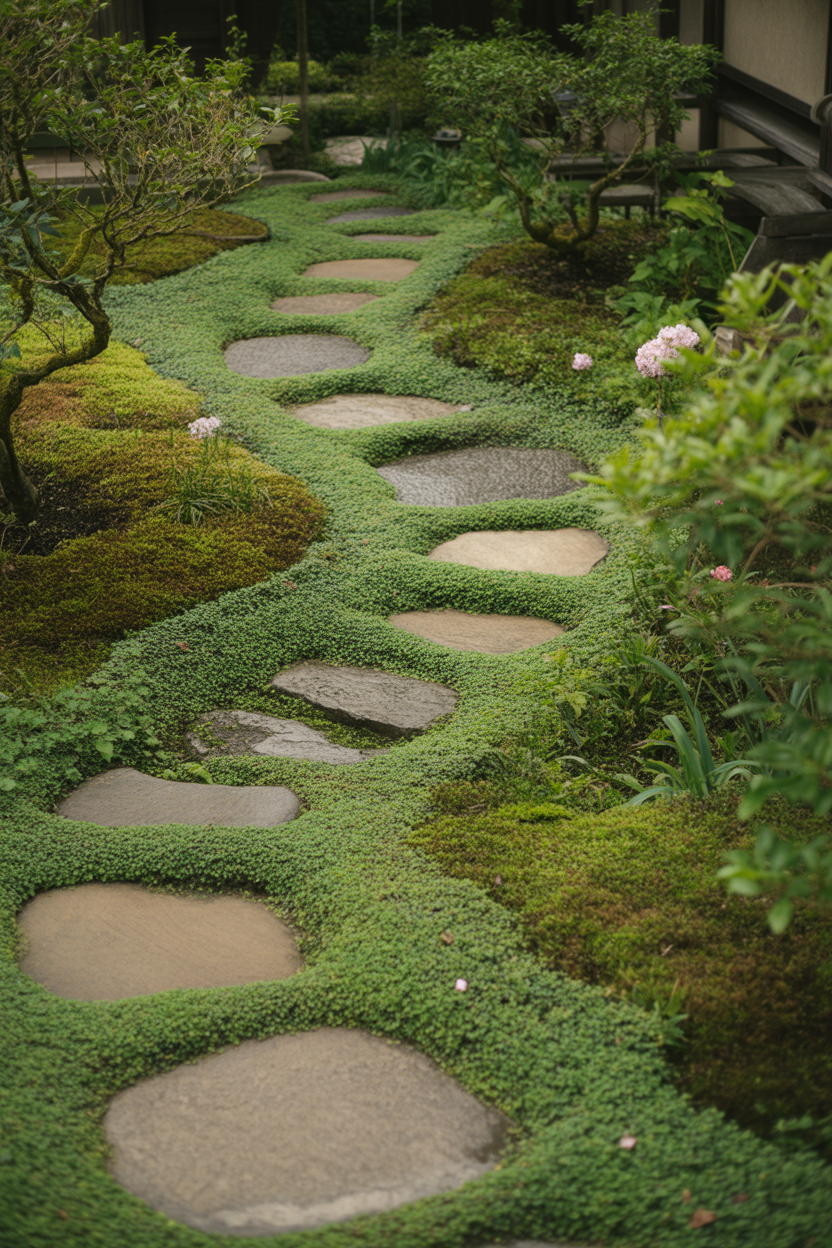
Natural stone pathways create a serene flow in your Japanese garden. Choose stones with various shapes and textures to enhance visual interest. Each step along the path invites exploration, leading through lush greenery and blossoming plants.
Incorporate moss or creeping ground covers between the stones for a soft, natural look. This combination adds a touch of tranquility, making the pathway feel like a part of nature.
Additionally, consider curving the pathway to mimic organic lines found in nature. This design encourages a leisurely stroll, allowing you to appreciate the beauty of your garden fully.
Create a Tranquil Water Feature
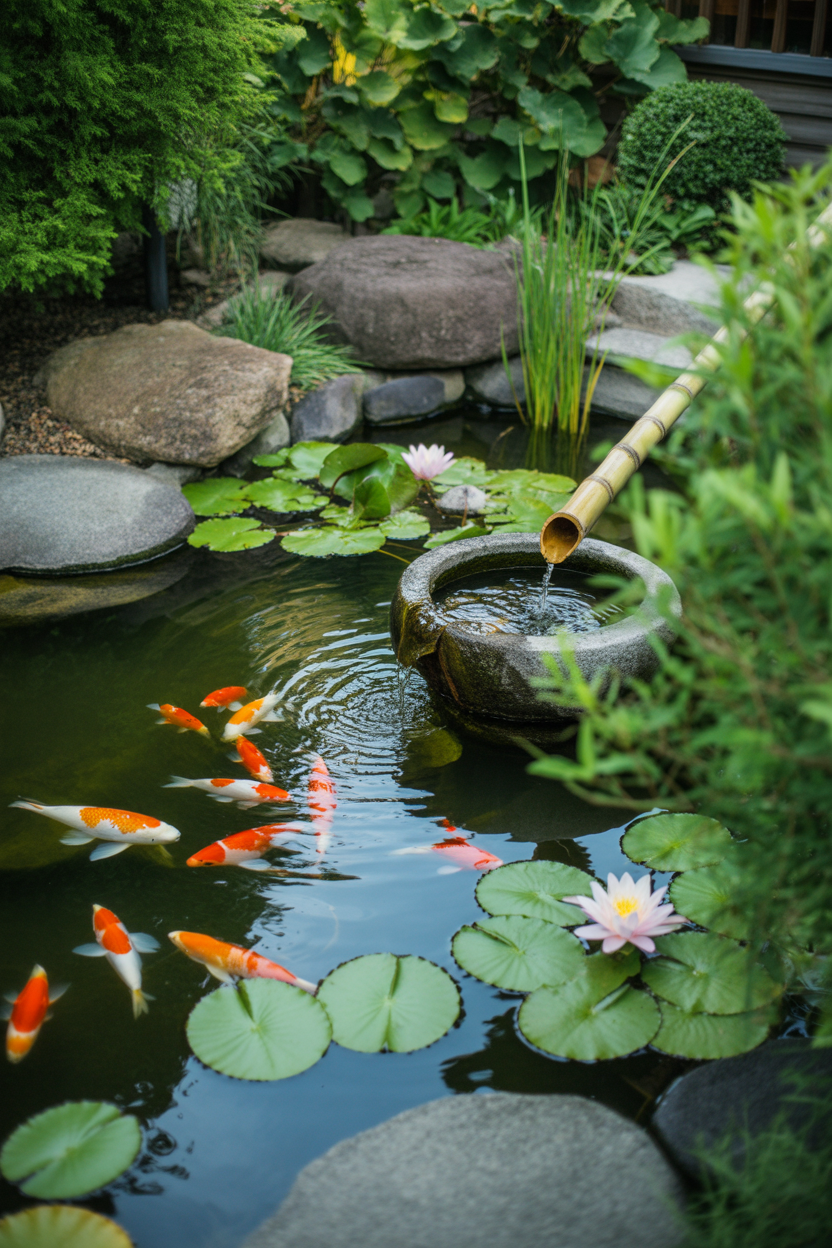
A tranquil water feature enhances the beauty of a Japanese garden. Consider a small pond filled with koi fish, surrounded by smooth stones and lush greenery. The gentle sound of flowing water creates a soothing atmosphere. Add a bamboo fountain for an authentic touch, allowing water to trickle softly into a basin. This captures the essence of traditional Japanese design. Incorporate water plants like lotus or water lilies to introduce color and life. A well-placed water feature not only attracts wildlife but also encourages relaxation, making it a focal point for quiet reflection in your backyard oasis.
Select Meaningful Plants
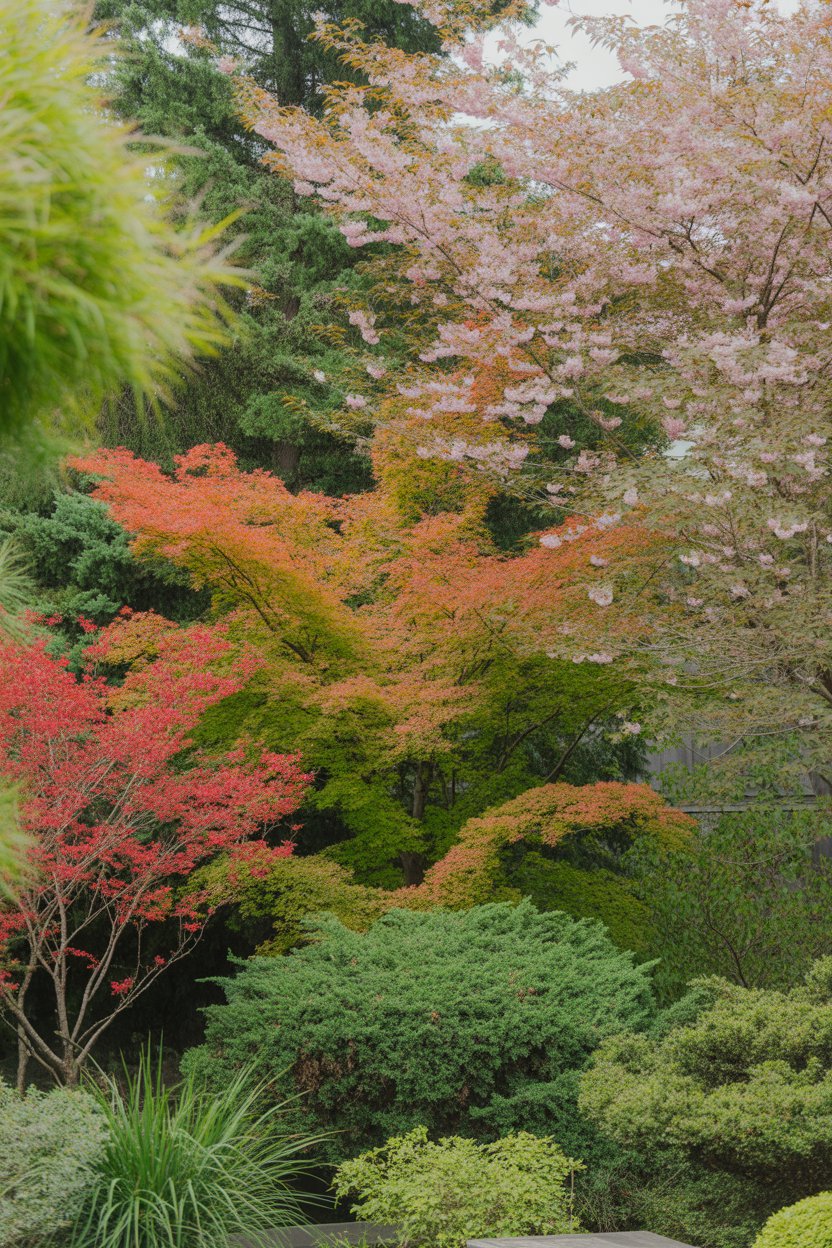
Choosing the right plants is essential for your Japanese garden. Consider using maple trees for their striking red and orange foliage in the fall. Pair these with evergreen shrubs that maintain their color year-round, creating a balanced look.
Incorporate ornamental grasses for texture, swaying gently in the breeze. Cherry blossom trees add a seasonal touch, providing stunning blooms in spring.
Each plant should serve a purpose, enhancing the garden’s overall harmony. By selecting meaningful plants, your backyard transforms into a peaceful retreat that reflects the beauty of nature.
Utilize Minimalist Design Principles
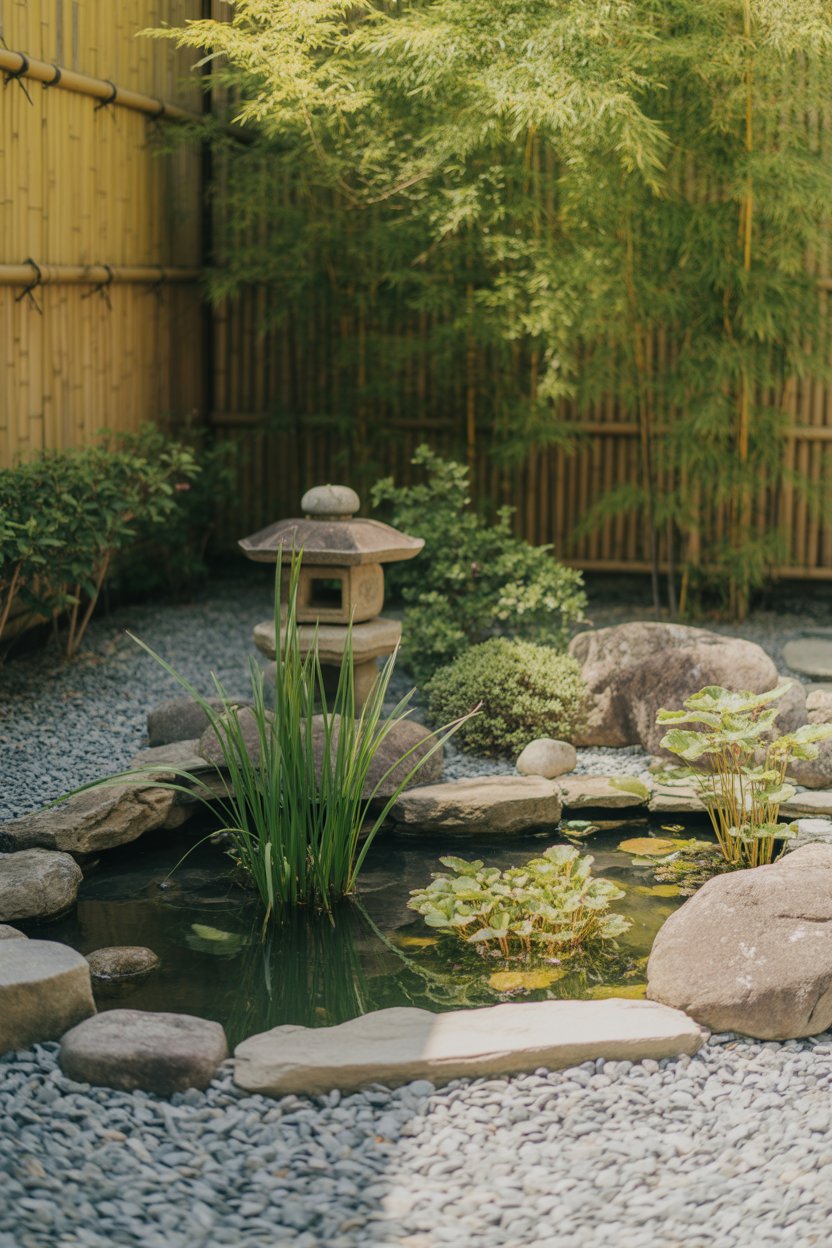
In a Japanese garden, minimalism shines through uncluttered spaces and natural elements. Use simple stones, gravel, and a few carefully selected plants to create a tranquil atmosphere. Each element should have a purpose, contributing to the overall harmony of the garden.
Consider adding a small pond or a stone lantern as focal points, ensuring they blend seamlessly into the design. Bamboo fencing can provide subtle boundaries, enhancing the garden’s calm feel without overwhelming it.
By focusing on key features and avoiding excess, you achieve a serene outdoor retreat that invites relaxation and reflection.
Add Bamboo for Serenity
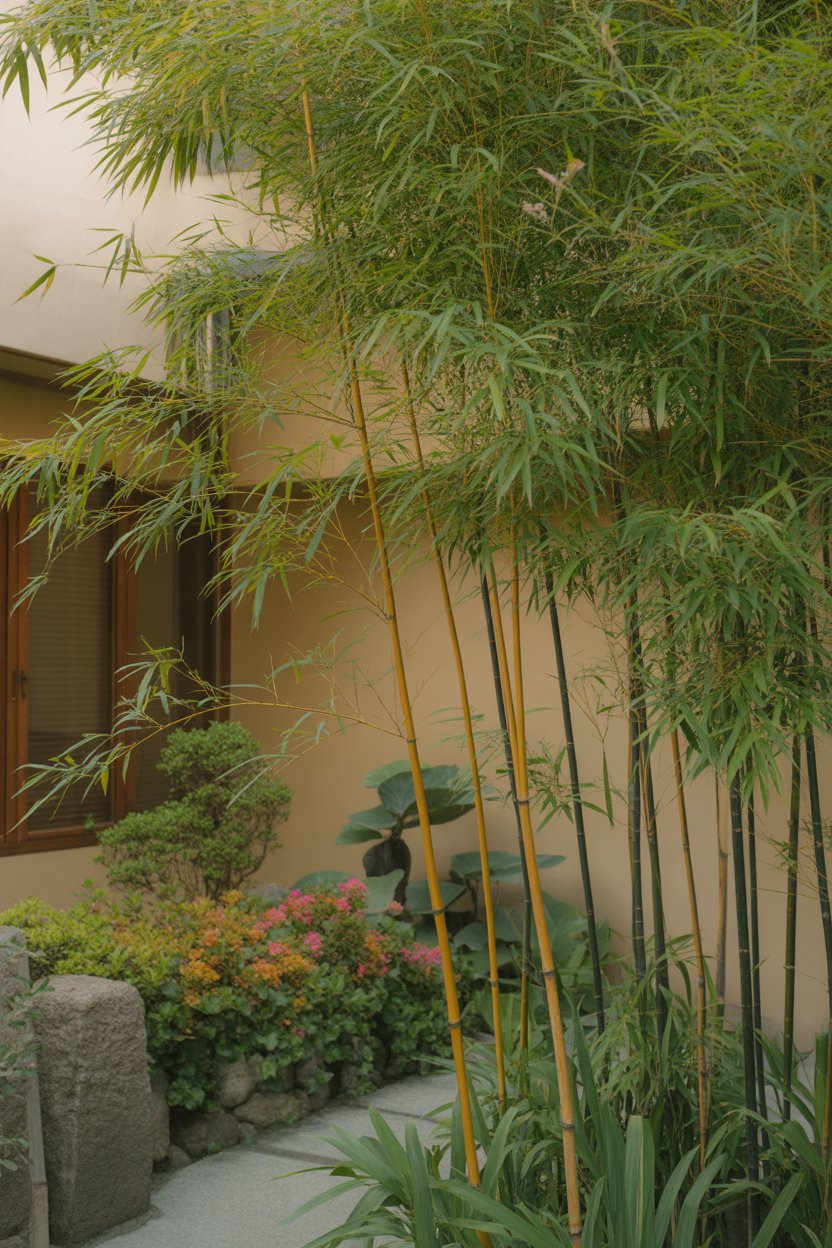
Adding bamboo to your backyard creates a calming atmosphere. The tall, slender stalks sway gently in the breeze, producing a soothing rustle. You can plant bamboo along pathways or as natural privacy screens, enhancing both beauty and tranquility.
Consider using clumping bamboo varieties for easier maintenance and limited spread. Their lush green leaves provide a perfect backdrop for colorful flowers or stone features. Additionally, bamboo thrives in various soil types, making it a versatile choice.
Incorporate bamboo accents, such as fences or trellises, to complete your Japanese garden aesthetic. This natural element effectively promotes relaxation.
Implement a Zen Sand Garden
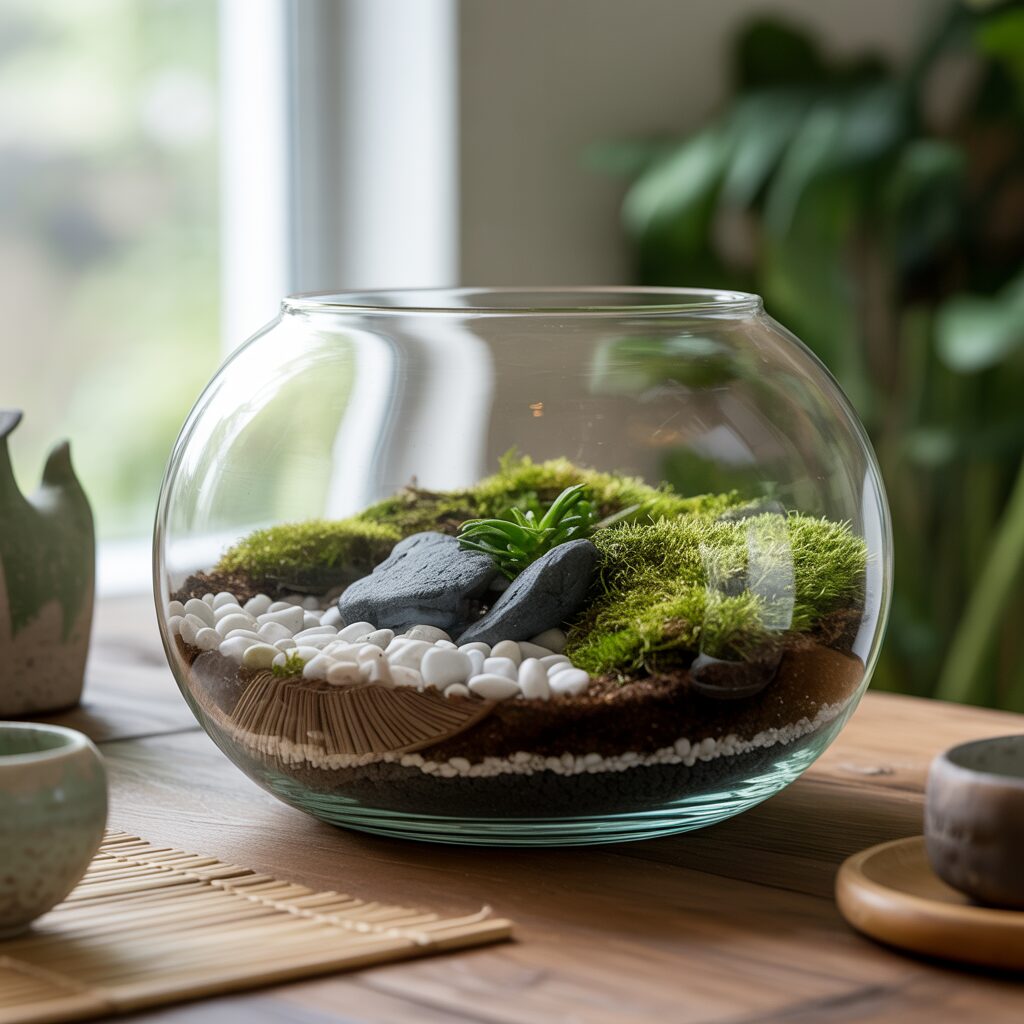
A Zen sand garden creates a serene spot in your backyard. Use fine, soft sand to form gentle waves and patterns, symbolizing water ripples. Surround the sand with smooth stones, which represent mountains or islands, adding texture and contrast to the scene.
Incorporate a few carefully placed boulders to serve as focal points. These natural elements enhance the garden’s tranquility, making it an ideal place for meditation. Consider adding a small bench nearby for relaxation and reflection.
Finally, maintain the garden by raking the sand regularly, allowing you to create new designs and enjoy the calming effects of this peaceful space.
Design a Peaceful Seating Area
A peaceful seating area in your Japanese garden enhances relaxation. Consider a simple wooden bench placed on a stone or gravel path, surrounded by lush greenery. Add a small table for tea or books, creating a cozy nook. Incorporate soft cushions in muted colors for comfort and style. Nearby, a shaded pergola can provide respite from the sun, adorned with climbing vines. Include a few lanterns to illuminate the space softly at night. This setup encourages quiet moments, whether for reading or enjoying nature, fostering a serene atmosphere in your backyard garden.
Embrace Seasonal Changes
In a Japanese garden, seasonal changes create a dynamic display. In spring, cherry blossoms burst into bloom, painting the landscape in soft pinks. Summer brings lush greenery and vibrant flowers, inviting tranquility. As autumn arrives, maples transform, showcasing fiery reds and oranges. The crisp air encourages walks along stone paths, where fallen leaves whisper underfoot.
Winter introduces a serene stillness, with snow blanketing the ground and branches. Carefully placed lanterns glow softly in the evening light, enhancing the peaceful atmosphere. Each season offers a unique experience, allowing for reflection and appreciation of nature’s beauty throughout the year.
Integrate Japanese Lanterns
Japanese lanterns add a captivating touch to any backyard. You can place them along pathways or cluster them around garden beds to create a serene atmosphere. Made from materials like stone or metal, these lanterns often feature intricate designs, enhancing the overall aesthetic.
During the evening, their warm glow illuminates the space, inviting relaxation. Choose lanterns in varying sizes for visual interest, or opt for a matching set for a cohesive look. Incorporating lanterns not only highlights your Japanese garden elements but also provides a calming ambiance, perfect for quiet evenings spent outside.
Establish a Sense of Balance
Creating a sense of balance in your Japanese garden requires careful placement of elements. Consider using symmetrical designs with pathways that lead to a focal point, like a stone lantern or a small pond. Incorporate natural materials such as wooden benches and boulders to enhance harmony. Use plants of varying heights, like low shrubs paired with taller trees, to create visual interest without overwhelming the space. Finally, maintain open areas for tranquility, allowing the eye to rest. Every detail contributes to the overall balance, reflecting the serene beauty of traditional Japanese gardens.