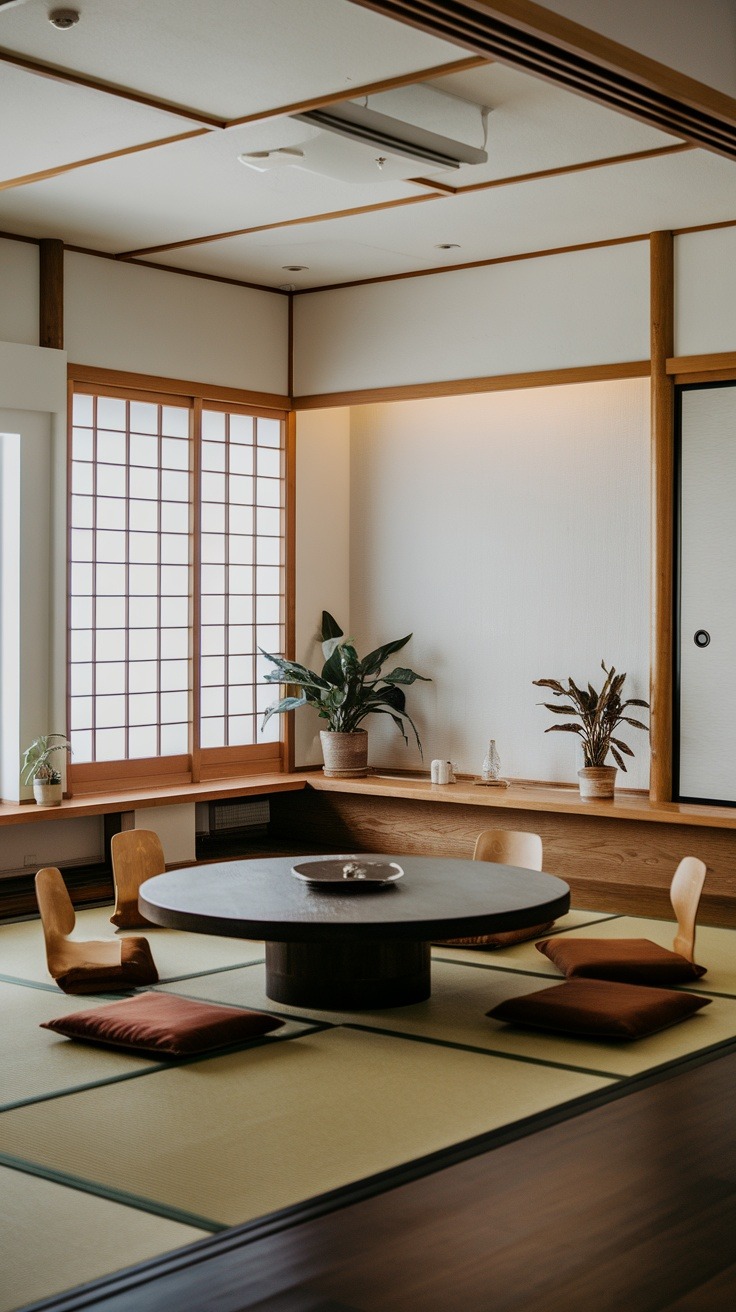
A tidy kitchen doesn’t just look good – it feels calming, too. In Japan, home-keeping is often seen as a form of care: for the space, the people in it, and even for the tools used every day.
Here are 7 beautiful and practical Japanese kitchen cleaning habits that bring simplicity and clarity to your space — and might just shift how you see cleaning altogether.
🧂1. Rice Water as a Natural Cleaner
Don’t throw out that cloudy water after rinsing rice! In Japan, this starchy rinse water (called tōgi-jiru) is often saved and reused to clean greasy pots, cutting boards, and even stovetops.
It’s gentle but effective — especially for loosening oily residue.

Try this: Pour cooled rice water onto a greasy pan, let sit for 10 minutes, then scrub with a soft cloth.
🍵2. Daily Wipe-Downs with Simple Tools
Instead of deep-cleaning once a week, many Japanese households practice “little and often.” A quick wipe after each meal keeps grime from building up.
Microfiber cloths or soft fukin (Japanese dishcloths) are used for this — no harsh sprays, just warm water or a vinegar solution.

Mindset shift: Think of cleaning as a closing ritual after cooking, like saying thank you to your kitchen.
🧽3. Baking Soda Magic for Sinks
Baking soda (jūso) is a Japanese cleaning staple. It’s used to keep stainless steel sinks shining and odor-free.

How to use it: Sprinkle a little in your sink, scrub with a damp sponge, and rinse. For drains, pour in baking soda followed by vinegar, then hot water — it fizzes up and clears mild clogs naturally.
🌿4. Repurposed Tea for Deodorizing
Used tea leaves — especially green tea — are often saved and sprinkled into trash bins or sink strainers to neutralize odors.
The tannins in tea help absorb smells and bacteria. Plus, it adds a calming scent to your kitchen.

Try this: After your cup of tea, let the leaves dry slightly and drop them into your bin liner or compost pail.
🥢5. Chopstick-Corner Cleaning Trick
Have a sticky corner or crumb-filled crevice? Grab a chopstick.
Wrap it with a cloth and you’ve got the perfect slender tool for tight spots — like under the stove, fridge edges, or faucet bases.

Simple and effective — no fancy gadgets required.
🔥6. Oil Before the Mess
In Japanese kitchens, some people lightly oil their stovetop or range hood after cleaning. Why? It creates a barrier that makes future grease easier to wipe away.
Use a tiny amount of cooking oil on a cloth and buff it over clean surfaces.

Bonus: It gives stainless steel a subtle glow.
🌸7. Seasonal Deep Cleaning with Intention
In Japan, it’s traditional to do a thorough house cleaning before the New Year (ōsōji). It’s not just about dust — it’s about clearing old energy and welcoming freshness.
Bringing that mindset to kitchen cleaning can be surprisingly uplifting.
Try this: Pick one season each year to reset your kitchen — inside drawers, behind appliances, shelves. Light incense or open a window afterward to let in new air.
A clean kitchen doesn’t need harsh chemicals or perfection.
Just gentle habits, a little presence, and the belief that small actions matter.
Happy cleaning 🍃