Tokyo is a paradise for sushi lovers. Whether you’re seeking Michelin-star restaurants or hidden gems, the city offers a wide range of sushi experiences. Wandering through Tokyo’s neighborhoods, I discovered several spots that left a lasting impression on my taste buds.

Finding the best sushi spots can elevate your dining experience in Tokyo. In this article, I’ll share my top five choices that showcase the artistry and tradition of sushi-making. These recommendations are perfect for anyone looking to enjoy the finest sushi in the city.
1) TOKYO SUSHI ITAMAE SUSHI Akasaka
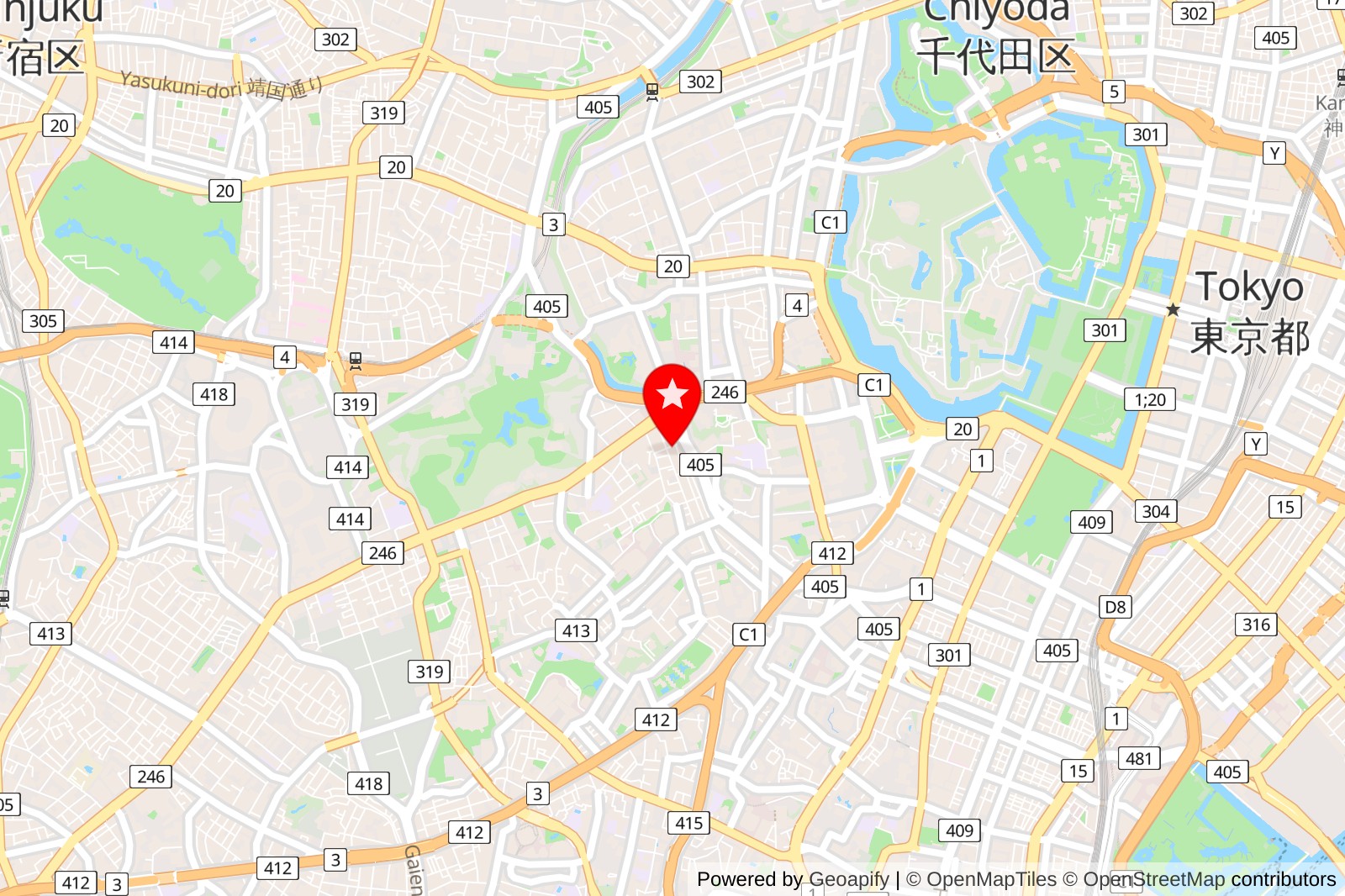
I recently visited TOKYO SUSHI ITAMAE SUSHI Akasaka and was genuinely impressed. The sushi here is exceptional, with a focus on fresh and high-quality ingredients. The atmosphere is warm and welcoming, making it a great spot for both casual outings and special occasions.
One of the highlights was the shell-on sea urchin. It was incredibly fresh and flavorful. The oyster sampler, featuring two different types of Japanese oysters, was also a standout. Each bite was a delightful experience, full of oceanic richness.
Their boiled surf clam, pickled in soy sauce, had a unique taste that really stood out. The special sea urchin was delicious too. This place really knows how to highlight the natural flavors of the seafood.
The staff at ITAMAE SUSHI are friendly and attentive. They genuinely care about providing a great dining experience. It all adds up to a wonderful visit every time.
Rating: 4.2 (1400 reviews)
Location: 3 Chome-10-1 Akasaka, Minato City, Tokyo
Website: Visit Website
2) Sushi no Midori
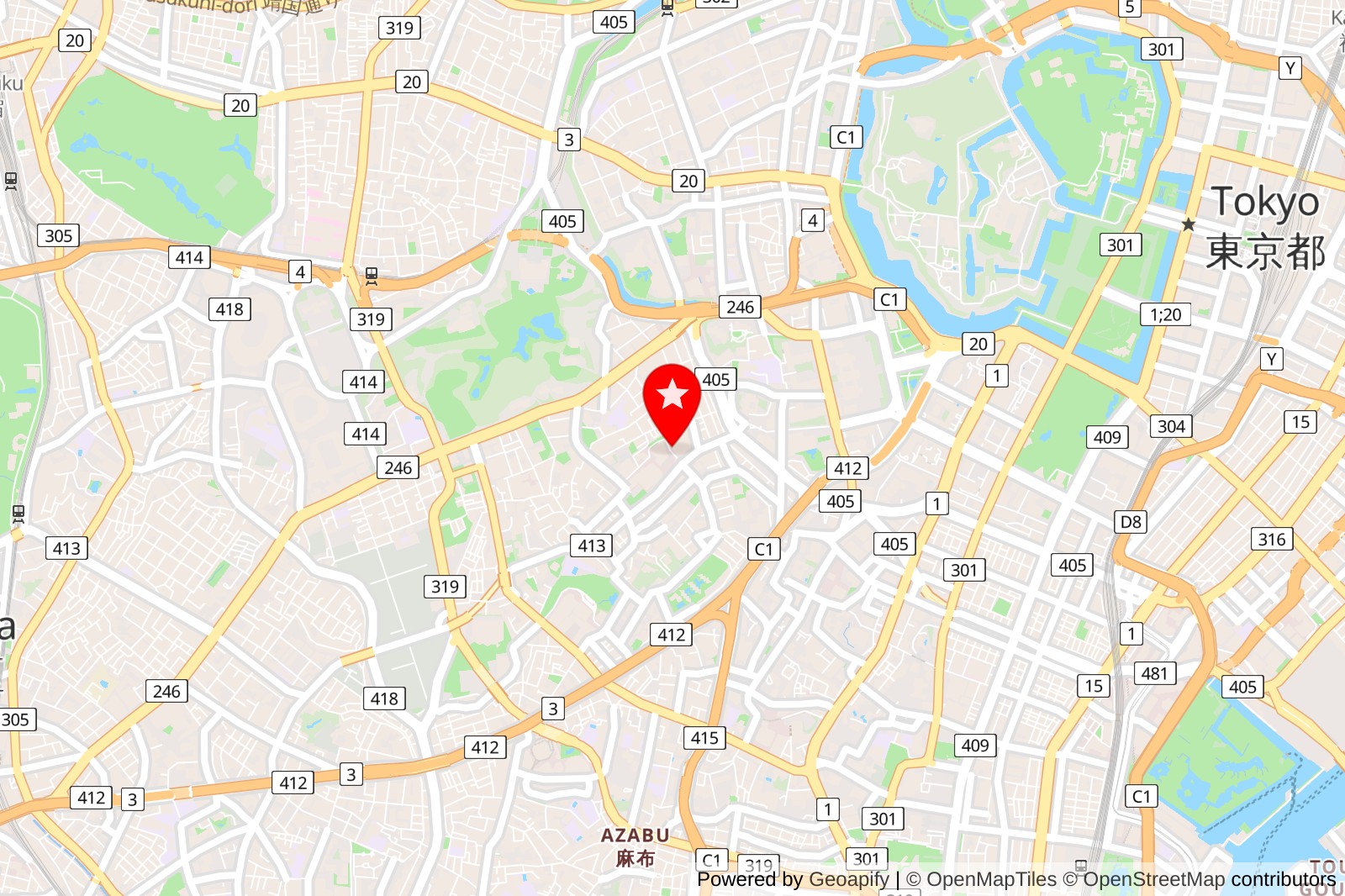
I recently visited Sushi no Midori in Tokyo, and it was quite an experience. Located on the second floor of Akasaka Biz Tower, the ambiance was both inviting and traditional. The staff was welcoming and prompt, making it a smooth dining experience.
The sushi here stands out for its freshness and flavor. Every piece felt like a work of art, with high-quality fish and perfect rice balance. I especially enjoyed their tuna and salmon sushi, which melted in my mouth.
I noticed the restaurant gets quite busy, so plan to arrive early. They start taking orders at 11 AM and close by 10 PM. You have to pick a number from the kiosk at the entrance, which helps manage the crowd. This place is popular for good reasons.
For parking, you can use the Akasaka Biz Tower’s parking lot. They even offer a discount if your bill is over a certain amount. Payment is easy, accepting cash and credit cards, making it convenient for everyone.
Rating: 4.1 (1200 reviews)
Location: Sushi no Midori
Contact: 03-5545-5516
Website: Visit Website
3) Omakase
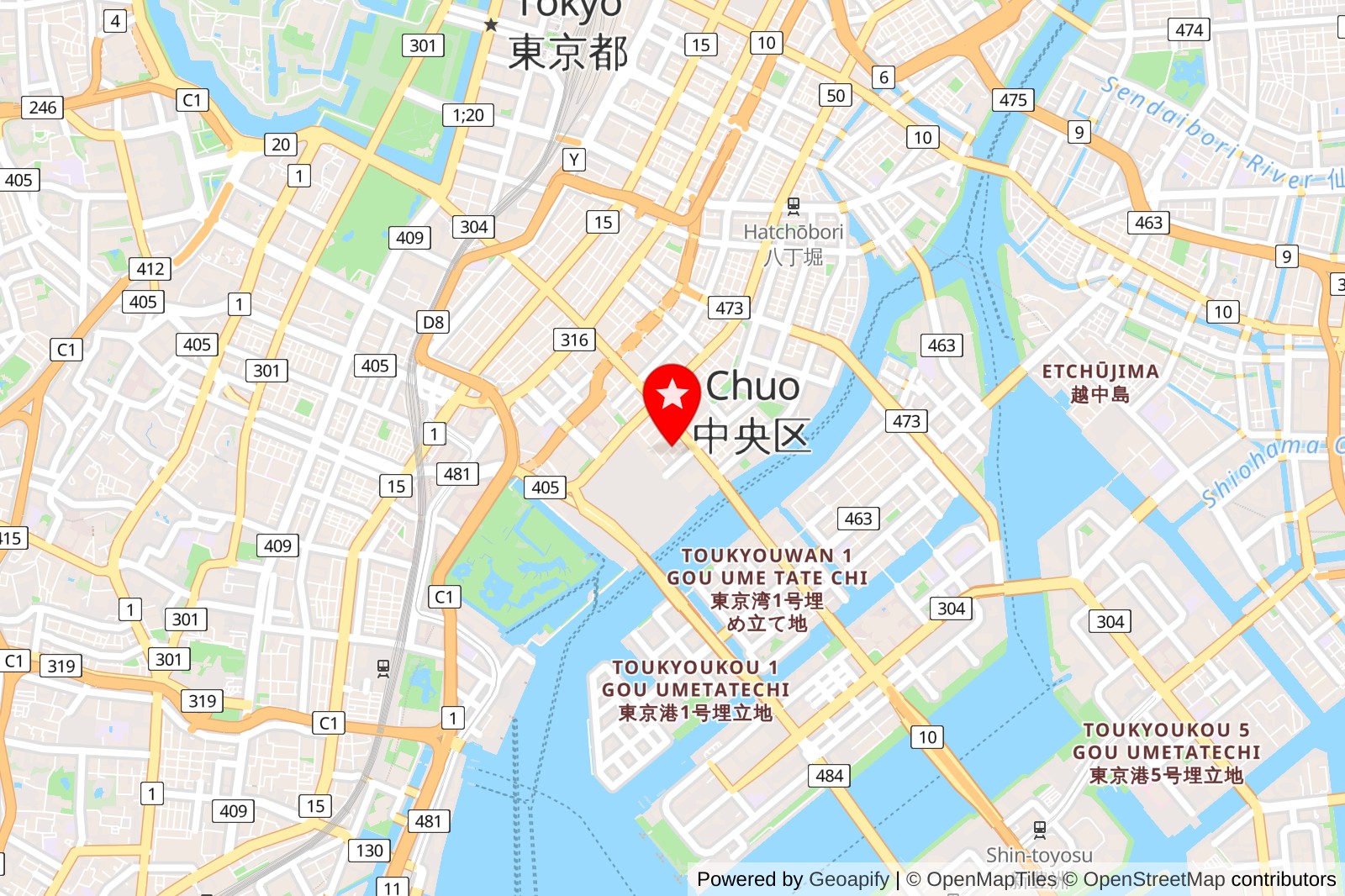
I recently visited Omakase in Tokyo. The restaurant is seven minutes on foot from Tsukiji Station. The atmosphere is very refined and high-quality, perfect for enjoying sushi. The menu changes monthly, featuring over twenty different types of sushi.
Kenichiro Azuma, a master with over 20 years of experience, ensures that each dish is special. He and his selected chefs prepare each piece with great care. The ingredients are sourced from well-known suppliers, ensuring the best seafood.
The sushi not only looks beautiful but also tastes exceptional. The experience is like that of high-end Ginza places but at a fraction of the price. The courses include sushi, grilled items, and soups, among other delights. I was impressed with the flavors and quality.
Rating: 4.7 (333 reviews)
Location: 6 Chome-24-8 Tsukiji, Chuo City, Tokyo 104-0045, Japan
Contact: 03-6260-6416
Website: Visit Website
4) Sushi KOURIN
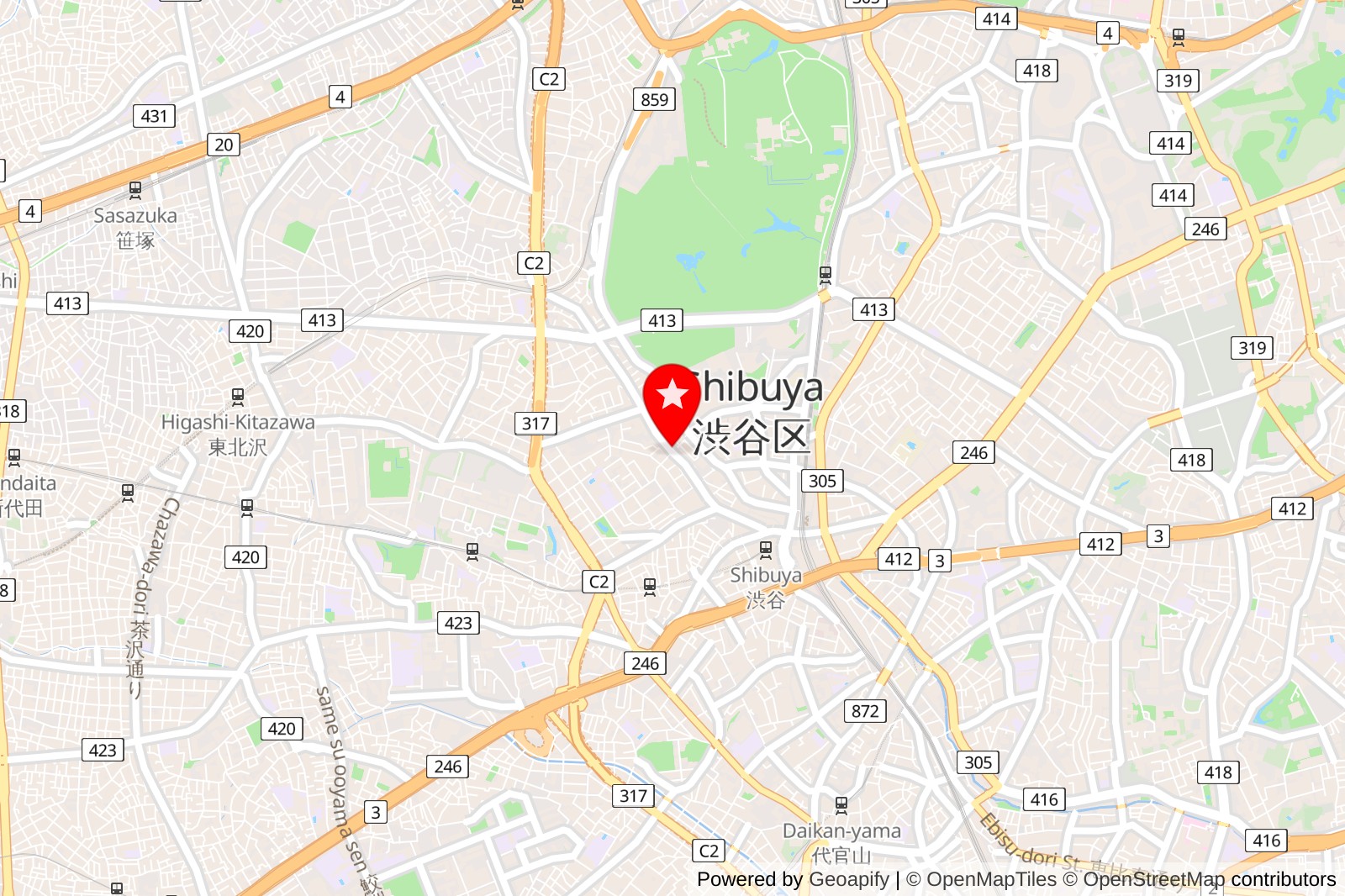
When I visited Sushi KOURIN, I was immediately struck by its cozy and inviting atmosphere. Nestled in Shibuya City, this spot offers a mix of traditional and creative sushi options. The chefs clearly take pride in their craft, delivering beautifully presented dishes.
One highlight for me was the freshness of the seafood. Each piece of sushi seemed to melt in my mouth, bursting with flavor. Their menu includes both classic and innovative sushi options, allowing for a diverse dining experience.
The intimate setting makes it great for a quiet meal. Though it’s located in a busy area, Sushi KOURIN feels like a hidden gem. The service is attentive and friendly, which only adds to the positive experience.
Rating: 4.1 (173 reviews)
Location: 梅沢ビル, B1 11-10, Kamiyamacho, Shibuya City, Tokyo 150-0047, Japan
Website: Visit Website
5) Oban-zushi
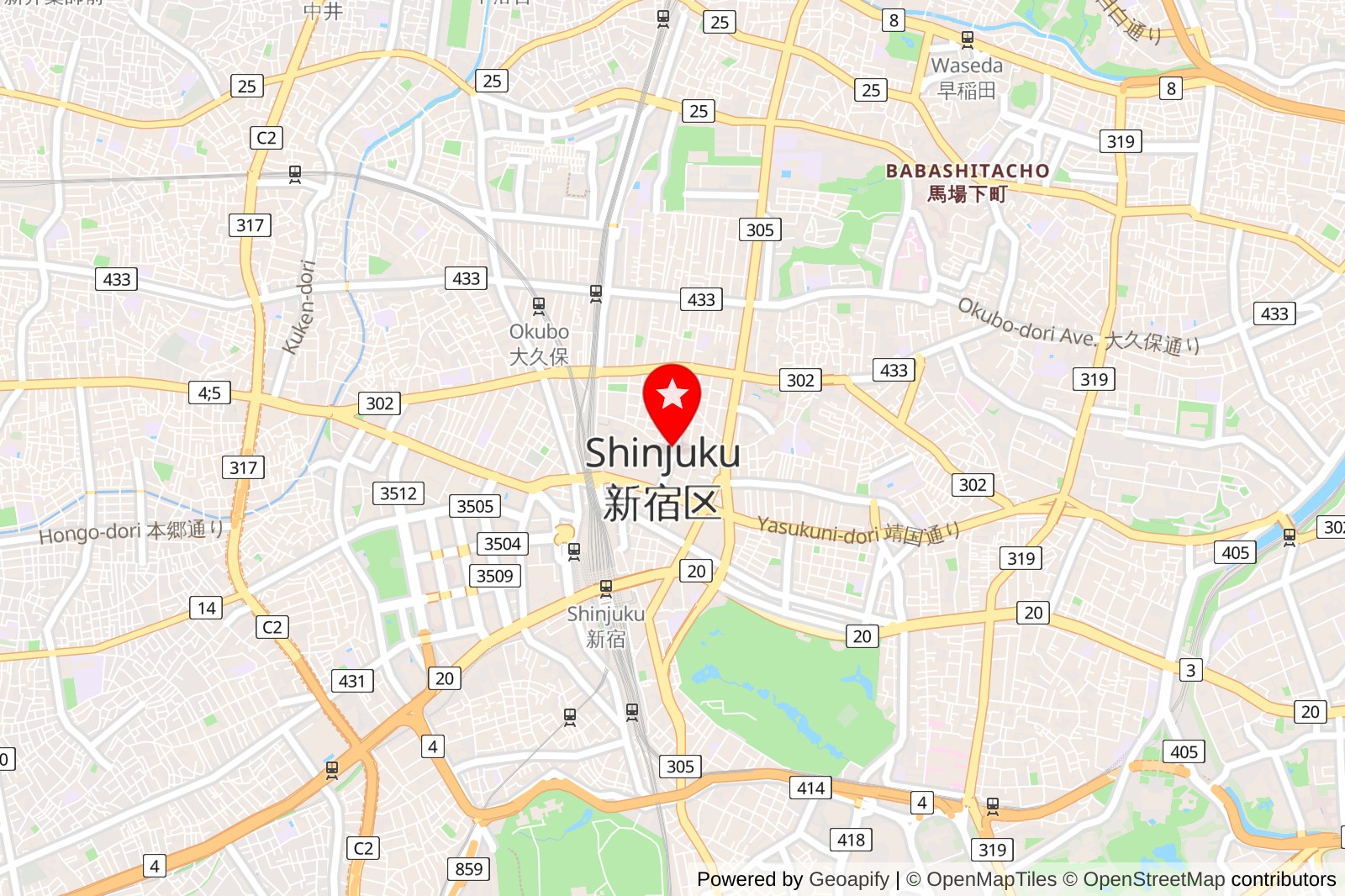
I recently visited Oban-zushi in Tokyo, and it’s a spot worth checking out. Located in the lively Shinjuku area, the atmosphere is cozy and inviting. It’s a hidden gem ideal for a date with its private rooms for 2-4 people.
Their sushi is top-notch. I had the “Ōban burumai set,” which was both delicious and affordable. For 4500 yen, it includes 10 pieces of sushi, a roll, steamed egg custard, soup, and a drink. It’s perfect for first-time visitors.
The lunch menu is a fantastic deal too. I enjoyed a hearty sushi or chirashi bowl lunch for just 900 yen. The quality of the fish and the rice, made from premium grains, was exceptional.
The restaurant stays open until the early morning, great for late-night sushi cravings. The staff speaks multiple languages, making it easy for international tourists to feel welcome. It’s a non-smoking place, which is a big plus for me.
Rating: 4.1 (311 reviews)
Location: 1 Chome-3-11 Kabukicho, Shinjuku City, Tokyo 160-0021, Japan
Contact: 050-5486-0328
Website: Visit Website
Sushi Etiquette in Japan
Knowing proper sushi etiquette will enrich your dining experience and show respect to the culture. Here are fundamental practices and common errors to avoid while enjoying sushi in Japan.
Basic Dos and Don’ts
When eating sushi, handle with care. Sushi can be picked up with chopsticks or, in traditional settings, with your hands.
Use soy sauce sparingly. Lightly dip the fish side, not the rice, in soy sauce. This prevents the rice from soaking up too much sauce and falling apart.
Always start with lighter-tasting pieces like white fish, moving to richer flavors like fatty tuna. This way, you can appreciate the delicate flavors.
Show appreciation by saying “Itadakimasu” before eating and “Gochisousama deshita” after finishing your meal.
Common Mistakes
A common error is rubbing chopsticks together. This can imply the restaurant provides cheap utensils. Instead, separate them gently.
Don’t leave rice behind. Avoid taking more rice than you can eat. Leaving grains can offend the chef’s effort in preparing the sushi.
Another mistake is applying wasabi directly to soy sauce. Rather, put a small amount on the fish itself if not pre-applied by the chef.
Avoid ordering ala carte at busy times. Opt for set menus or recommendations. This respects the flow of service and doesn’t overwhelm the chef.
Lastly, don’t mix different drinks indiscriminately. Choose sake, tea, or water as they pair well with the flavors of sushi.
Types of Sushi
Sushi in Tokyo is diverse with different styles and preparation methods. Each type offers a unique experience in both taste and presentation. Here are the main types you should know about.
Nigiri
Nigiri is perhaps the most recognized form of sushi. It consists of hand-pressed rice topped with a slice of fish or seafood. The rice is sometimes seasoned with vinegar. Examples include salmon nigiri, tuna nigiri, and shrimp nigiri.
The fish can be raw, cooked, or even seared. Wasabi is often placed between the rice and the topping. Proper nigiri should balance the flavors of the fish and the rice. It’s traditionally eaten with the hands and dipped lightly in soy sauce, fish side down.
Sashimi
Sashimi is all about pure, unadulterated seafood. There’s no rice involved. It’s thinly sliced and served fresh. Common types include tuna, salmon, and octopus. The focus here is on the natural flavors and texture of the fish.
I often see it paired with soy sauce, wasabi, and pickled ginger. It’s essential for the fish to be incredibly fresh. Chefs in Tokyo prepare sashimi with utmost precision, ensuring every piece is a perfect cut.
Maki
Maki rolls consist of rice and ingredients like fish and vegetables, wrapped in nori (seaweed). They are sliced into bite-sized pieces. Popular varieties include tuna maki and cucumber maki.
There are different styles, such as hosomaki (thin rolls), futomaki (thick rolls), and uramaki (inside-out rolls). Hosomaki typically has one ingredient, while futomaki is filled with several. Uramaki has rice on the outside and is sometimes topped with sesame seeds or fish roe.
Each type offers a different combination of flavors and textures.
Complementary Dishes and Drinks
When enjoying sushi in Tokyo, having the right complementary dishes and drinks can elevate your dining experience. Misoshiru and sake pairings are two such essentials.
Misoshiru (Miso Soup)
Misoshiru, or miso soup, is a traditional Japanese soup made with fermented soybean paste called miso. I often start my sushi meals with misoshiru because it cleanses the palate and enhances the flavors of the sushi.
Ingredients in misoshiru can vary but often include tofu, seaweed, and scallions. In high-end sushi restaurants, chefs may add unique ingredients like clams or shrimp to the soup. The rich, umami flavor of miso soup pairs well with the subtle flavors of sushi, making it a staple during sushi meals.
Sake Pairings
Sake, a traditional Japanese rice wine, is another complement to sushi. In Tokyo’s finest sushi restaurants, there are extensive sake lists to choose from. I find that different types of sake pair better with certain kinds of sushi. For instance, dry sake enhances the taste of lighter fish, while rich, aged sake pairs well with fatty tuna.
When selecting sake, consider the temperature. Cold sake is refreshing and clean, ideal for summer. Warm sake is often comforting, perfect for cooler months. Some recommendations include Junmai (pure rice sake) for a smooth taste and Daiginjo, which is more aromatic and complex.
Using these complementary dishes and drinks, your sushi experience in Tokyo will be even more enjoyable and authentic.
Frequently Asked Questions

Here, I’ll share essential information about some of the best sushi experiences you can have in Tokyo.
What are some top-rated yet affordable sushi restaurants in Tokyo?
For delicious yet budget-friendly sushi, Sushi no Midori is a great choice. Known for its high-quality ingredients without breaking the bank, it is popular among locals and tourists alike.
Where can one find Michelin-starred sushi in Tokyo?
Tokyo is home to several Michelin-starred sushi bars. You can experience exceptional sushi at places like Omakase, which provides an intimate dining setting and carefully crafted sushi pieces.
Can you list the most popular sushi establishments in Tokyo as of 2024?
Some of the highly favored sushi spots in 2024 include TOKYO SUSHI ITAMAE SUSHI Akasaka, Sushi KOURIN, and Oban-zushi. These places are known for their exceptional quality and unique dining experiences.
Which sushi restaurants in Tokyo are known for their fresh, market-sourced ingredients?
Sushi KOURIN is celebrated for its market-sourced freshness. Each day, ingredients are handpicked to ensure the highest quality and best taste.
How much does an average meal cost at Tokyo’s premier sushi spots?
A meal at top-tier sushi restaurants in Tokyo can vary widely. While places like Omakase might cost upwards of $200 per person, more accessible spots like Sushi no Midori offer meals starting around $40-$50.
What are the famous conveyor belt sushi experiences available in Tokyo?
For a fun and quick sushi fix, conveyor belt sushi spots like Oban-zushi are perfect. These spots allow diners to pick and choose their sushi from a constantly moving selection of plates.