Cultural Richness
Japan’s cultural landscape is a tapestry woven from millennia of history and innovation. This richness manifests strikingly in its ancient traditions, arts and crafts, and diverse cuisine.
Ancient Traditions
Japan’s ancient traditions offer a window into the rich tapestry of the country’s cultural heritage and history.
One aspect that stands out is how these traditions remain integral to modern Japanese life. This seamless blend of the past and present creates a unique experience for locals and visitors alike.
The tea ceremony, or sado, is a prime example of this fusion. It’s not just about brewing and drinking tea—it’s an immersive experience emphasizing harmony, respect, purity, and tranquility.
The meticulous preparation and presentation elevate the ceremony into a meditative and profound art form.
I love how this tradition encourages participants to slow down, appreciate the moment, and connect with the deeper aspects of life.
Sumo wrestling is another captivating tradition that intertwines with Shinto rituals. As one of Japan’s oldest sports, sumo embodies physical prowess and spiritual significance.
From the purification rites performed before matches to the respect shown between wrestlers, the sport is steeped in ancient customs that provide a sense of continuity with the past.
What I appreciate most about these traditions is how they highlight the Japanese reverence for detail, respect for the natural world, and commitment to preserving cultural practices.
They remind us of the value of taking time to engage deeply with the world around us and to honor our heritage.
Arts and Crafts
Japanese arts and crafts showcase the country’s deep respect for meticulous craftsmanship and profound symbolism.
What I admire most about these artistic traditions is their deep connection with nature and commitment to maintaining centuries-old techniques.
Ikebana, the art of flower arranging, is a beautiful example. It’s not just about arranging flowers; it’s a meditative practice that honors the natural world and seeks harmony and balance in every composition.
Practitioners carefully consider each element’s color, shape, and form, creating serene displays that embody the season’s essence.
Another striking aspect of Japanese artistry is traditional kimono weaving. These textiles are renowned for their intricate designs and exceptional quality.
The skillful blending of colors, patterns, and fabric choices tells a story of the wearer’s identity and the culture they come from.
The craft has been refined over generations, resulting in exquisite garments that are works of art themselves.
What resonates most with me about Japanese arts and crafts is the dedication to precision and the emphasis on finding beauty in simplicity.
These traditions inspire a sense of mindfulness and appreciation for the intricacies of everyday life, inviting us to see the world through a different lens.
Cuisine Diversity
The diversity in Japanese cuisine reflects the regional and seasonal variations of the country.
What I appreciate most about Japanese food tradition is its emphasis on local ingredients and cooking techniques, which creates a unique gastronomic experience in each region.
For instance, the cuisine of the northern island of Hokkaido is defined by the abundance of fresh seafood. The cold waters surrounding the island provide a wealth of delicacies such as crab, salmon, and scallops.
They are prepared with skill and care to preserve their natural flavors when making ramen, tempura, sushi, and other dishes.
Moving to Kyoto, the focus shifts to vegetable-centric kaiseki ryori.
This traditional multi-course meal emphasizes the beauty of seasonal ingredients, often sourced locally and presented in a way that showcases their colors and textures. Kaiseki dining is an art form that balances taste, presentation, and harmony.
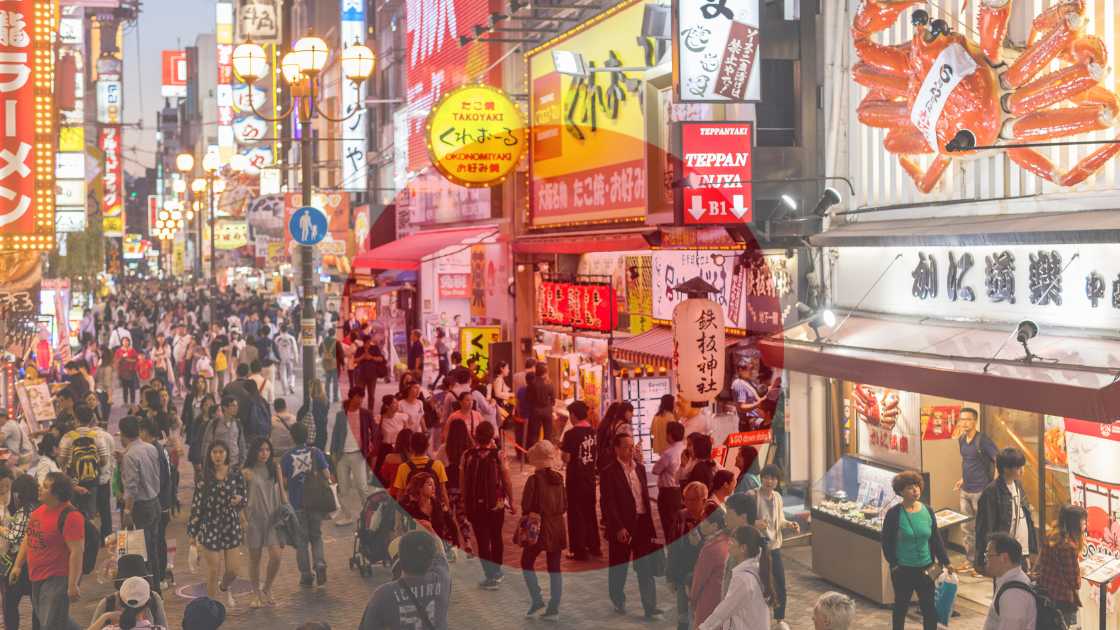
The diversity of Japanese cuisine extends beyond these regions, with each area contributing its specialties and cooking styles. From the robust flavors of Osaka’s street food to the delicate tastes of Tokyo’s sushi, every part of Japan offers a unique culinary journey.
What stands out most about Japanese cuisine is the reverence for fresh, seasonal ingredients and the emphasis on careful preparation by Japanese people.
This approach creates meals that are not only delicious but also a reflection of the time and place they come from, making every dish a profoundly enriching experience.
Breathtaking Landscapes

Japan’s landscapes are more than just a feast for the eyes; they symbolize the nation’s profound connection to nature. I’ll guide you through the country’s stunning natural scenery, seasonal beauty, and urban architecture that make people love Japan.
Natural Scenery
My travels across Japan have shown me that each region boasts distinct natural wonders.
The combination of mountainous terrains and open fields in Hokkaido creates a photographer’s paradise, while the south offers lush, subtropical islands. I’ve observed places like the ancient forests of Yakushima, where the weight of centuries seems to hang from moss-covered trees.
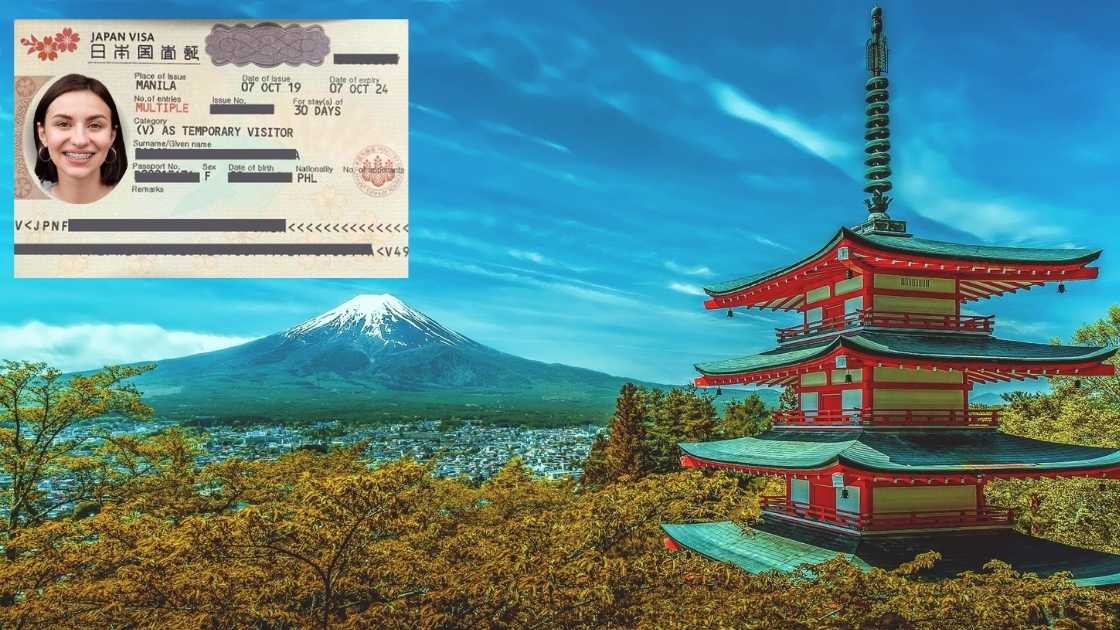
One of Japan’s most iconic sights is the majestic Mount Fuji. Standing tall against the sky, it is a source of inspiration for artists, poets, and travelers alike.
Witnessing the sun rise or set behind its snow-capped peak is an unforgettable experience that encapsulates the serene beauty of Japan’s natural landscape.
Seasonal Beauty
From the iconic cherry blossoms in spring to the vibrant foliage in autumn, Japan’s natural beauty is deeply woven into its culture and daily life.
Summer brings lush greenery and traditional festivals like Obon, where lanterns light up the night sky in memory of ancestors.
Winter transforms the landscape into a serene, snow-covered wonderland, especially in regions like Hokkaido, where ice sculptures and snowy scenes create a magical atmosphere.
Urban Architecture
I find Japan’s urban architecture astonishingly complementary to its landscapes. Cities like Tokyo and Kyoto showcase skylines that merge modern design with traditional elements.
The elegance of Himeji Castle, with its stark white walls and intricate woodwork, underlines Japan’s architectural prowess and its respect for aesthetics amidst the urban sprawl.
These wonders are the reasons why most people fall in love with Japan.
Technological Advancement

Japan’s remarkable fusion of tradition with cutting-edge innovation has positioned it as a global leader in technology. It is what I love about Japan.
Innovation Hub
Japan’s dedication to continuous improvement, embodied by the “Kaizen” philosophy, is a cornerstone of the country’s success. This approach emphasizes constant refinement and incremental progress, which drives Japanese companies to excel in technological innovation.
The commitment to innovation can be seen across a variety of industries.
For example, Japan leads the world in robotics and automation with significant AI and machine learning advancements. In addition, the automotive and electronics industries continue to produce cutting-edge products that set global standards.
Japan’s focus on innovation also extends to everyday life, as evidenced by its world-renowned high-tech toilets.
These advanced toilets offer features like heated seats, bidet functions, and self-cleaning capabilities, reflecting Japan’s dedication to enhancing user experiences through technology.
This culture of continuous improvement ensures that Japan remains at the forefront of global innovation.
Transport Efficiency
It’s impossible to overlook Japan’s efficient transportation systems. The nation pioneered the bullet train, an emblem of its engineering and logistical planning prowess.
My experience with these trains reveals punctuality and speed as cornerstones of transportation technology in Japan, easing the lives of commuters and travelers.
Robotics and Automation
Turning my attention to robotics, it’s evident Japan has embraced automation to address societal challenges and labor shortages.
Notable advancements in this field have placed Japan amongst the top innovators, integrating robots into manufacturing, healthcare, and customer service industries.
In addition to these sectors, vending machines are a prime example of Japan’s inventive approach to automation. These machines go beyond dispensing snacks and drinks; they offer various products, from electronics to clothing and fresh produce.
Their widespread use showcases Japan’s ability to leverage technology to enhance convenience and cater to diverse consumer needs.
Safety and Cleanliness
When I explore Japan, two aspects consistently stand out: the extremely low crime rate and the exceptional public cleanliness.
Low Crime Rate
Japan’s reputation for safety is well-deserved, and is often regarded as one of the safest countries to visit.
The country has one of the lowest crime rates in the world, making it a welcoming destination for travelers. Crimes like theft and burglary are rare, even in major cities like Tokyo and Osaka.
People in Japan often feel comfortable leaving their belongings unattended, which speaks volumes about high trust in society. This cultural trust, emphasizing respect and consideration for others, provides a safe environment for locals and tourists.
Foreigners visiting Japan can enjoy exploring the country with a sense of security, even in busy urban areas and at night.
Public Cleanliness
Cleanliness is not just an act. It’s a deep-rooted part of Japanese culture. I’ve observed that streets and public spaces are remarkably free of litter.
This reflects the cultural importance of purity, especially influenced by practices from Shinto and Buddhism.
One can hardly find trash cans in public places, yet the streets remain pristine. This speaks to the personal accountability the Japanese hold towards maintaining public spaces.
Polite Society
One of the most compelling aspects of Japanese culture is its unwavering commitment to politeness. This adherence to a respectful and considerate demeanor is deeply ingrained in the social fabric.
Etiquette and Manners
In Japan, etiquette is not just a formal practice; it reflects character and societal values. Every interaction, whether a bow or the exchange of business cards, carries weight and meaning.
- Greetings: Often involve a bow, with the angle and duration reflecting the relationship’s formality.
- Thank-You Notes: I’ve noticed that sending a handwritten note is common after receiving a gift.
- Public Behavior: It’s important to speak softly on public transport and adhere to the queuing system.
Customer Service
Japanese customer service is excellent throughout the country. The culture values omotenashi, which means treating guests well and anticipating their needs.
- Attention to Detail: Every service includes meticulous attention to detail. This is true even at convenience stores.
- Proactive Help: As a customer, I received help without feeling bothered. They go out of their way to assist without being bothersome
| Scenario | Typical Service Response |
| Dining Out | Quick, attentive server presence without hovering |
| Shopping | Detailed product explanations and careful packaging |
| Hotel Stay | Anticipation of needs, such as providing additional amenities |
Japan’s polite society is not just a surface-level practice. It is a profound expression of the collective consciousness aimed at maintaining harmony and respect in every aspect of life.
Historical Significance

When exploring Japan’s charm, I can’t miss its deep historical roots. Many sites and monuments reveal Japan’s rich heritage. They tell a timeless story that attracts historians and travelers.
World Heritage Sites
Japan is home to an impressive number of UNESCO World Heritage sites. Each site preserves exceptional testimony to its civilization, from ancient to more recent.
- Cultural Sites: As of my last update, there were 23 cultural world heritage sites listed by UNESCO, including:
- The Historic Monuments of Ancient Kyoto (Kyoto, Uji, and Otsu Cities) showcase the country’s architectural and artistic heritage.
- Himeji Castle is an exemplar of traditional Japanese castle architecture.
- Hiroshima Peace Memorial (Genbaku Dome), symbolizing the desire for peace and the perils of war.
- The Historic Monuments of Ancient Kyoto (Kyoto, Uji, and Otsu Cities) showcase the country’s architectural and artistic heritage.
- Natural Sites: Japan has 4 natural world heritage sites known for their biodiversity and natural beauty. These include the Shirakami-Sanchi and Yakushima forests.
Historical Monuments
Historical monuments in Japan provide tangible links to eras that shaped the nation.
- Shrines and Temples: Their importance cannot be overstated, as they often date back hundreds of years. For instance:
- The Ise Grand Shrine is said to be built in honor of the sun goddess Amaterasu. It is rebuilt every 20 years to keep ancient building techniques alive.
- Nikko’s Toshogu Shrine, lavishly adorned, honors Tokugawa Ieyasu, founder of a shogunate that ruled for over 250 years.
- The Ise Grand Shrine is said to be built in honor of the sun goddess Amaterasu. It is rebuilt every 20 years to keep ancient building techniques alive.
- Castles and Fortifications: Many Japanese castles and forts, such as Kumamoto Castle, showcase military history. They also reflect feudal architecture and aspects of society.
My accounts here only scratch the surface of Japan’s storied past, yet they are critical in understanding why so many cherish this land.
Pop Culture Influence
Japanese pop culture has a profound global impact. The nation has become a trendsetter in various entertainment sectors. It has significantly shaped worldwide preferences and interests.
Anime and Manga
My fascination with Japan’s anime and manga is shared worldwide. These art forms offer captivating storytelling and unique visual styles. Anime series like “Naruto” and “Dragon Ball Z” have international fanbases, while manga sales continue to climb globally.
- Popular Anime
- “Attack on Titan”
- “My Hero Academia”
- Influential Manga
- “One Piece”
- “Demon Slayer”
Fashion and Trends
I acknowledge Japan’s fashion scene for its innovative and impactful trends. Harajuku style demonstrates Japan’s vibrant street fashion, with youth often leading the trendsetting. High-end brands take note, frequently drawing inspiration from Japan’s fashion-forward creativity.
- Noteworthy Trends
Video Games
The role of Japanese video games is central to the industry.
Giants like Nintendo and Sony have led the market. Meanwhile, franchises such as “Final Fantasy” and “Pokémon” are cornerstones of my gaming experiences.
Japan’s innovation in gaming technology continues to influence game design and player engagement.
- Renowned Video Game Franchises
- “Super Mario”
- “The Legend of Zelda”
Education and Work Ethic

I’ve observed that Japan’s dedication to education and strong work ethic are central to its cultural identity.
Scholarly Achievements
Academic Excellence: In Japan, students are often expected to excel academically. They are taught the value of hard work and dedication early on. Highlights of their education system emphasize:
- Rigorous studying and discipline
- High-stakes testing, such as entrance exams for prestigious schools
- An environment that fosters competition and perseverance
Diligent Work Culture
Workplace Loyalty: I’ve noticed a profound commitment to employers in the Japanese work culture. Key features include:
- Lifelong employment at a single company is still a respected ideal.
- Employees often exhibit strong loyalty and a sense of responsibility toward their jobs.
Group Harmony: In many Japanese organizations, I see a focus on teamwork and collective achievement over individual accolades. This often translates to:
- A group-oriented approach to problem-solving
- Harmonious work relationships supported by respect for hierarchy and authority
Health and Longevity
When discussing what draws people to Japan, the nation’s remarkable health and longevity stand out. This is rooted in lifestyle, dietary habits, and healthcare provisions.
Life Expectancy
Japan boasts one of the highest life expectancies globally, averaging 84.6 years. Contributing factors include:
- A diet rich in fish, rice, vegetables, and fermented foods that promote health.
- Cultural practices such as Ikigai engender a sense of purpose.
- Obesity rates are low in Japan. This is partly because of a dietary norm called “hara hachi bu.” It suggests stopping eating when you’re 80% full to avoid overeating.
Healthcare System
My exploration reveals a robust healthcare system in Japan characterized by:
- Universal coverage ensures all residents have access to healthcare services.
- A focus on preventative care to mitigate common diseases preemptively.
- Efficient public health management contributes to fewer deaths from heart disease and cancer.
Traveler-Friendly
Japan’s reputation for hospitality makes it an exceptionally traveler-friendly destination. Japan helps non-Japanese speakers and has a strong tourism infrastructure. This makes it easy for visitors to explore the country.
English Accessibility
When I traveled to Japan, I saw that major tourist spots often have English signs and menus. This makes it easy for English speakers to get around.
Train stations and airports provide announcements and information in English. At least one staff member usually speaks basic English and can answer questions in these places.
Tourist Infrastructure
Japan’s strong tourist infrastructure includes dependable public transportation and many information centers. It is known for:
- Shinkansen (Bullet Trains): These high-speed trains efficiently connect major cities.
- Local Transports: Buses and local trains have clear signage and are punctual.
- Japan Rail Pass: This cost-effective pass is tailored for tourists and offers unlimited travel on most JR trains over a fixed period.
- Information Centers: Provide maps, guides, and personal assistance. I’ve always found it invaluable in planning my day.
Moreover, tourist-specific facilities like ryokans (traditional Japanese inns) and onsen (hot springs) often provide visitors with additional amenities and information to ensure a comfortable stay.
Frequently Asked Questions
I’ve gathered some of the most frequent inquiries about Japan, providing a clear insight into what draws visitors to the country.
What aspects of Japanese culture are most appealing to foreigners?
Foreigners are often drawn to Japan’s blend of traditional customs like tea ceremonies and geisha performances. They also find modern subcultures in areas such as Tokyo’s Akihabara fascinating.
What makes Japan a unique destination for travelers?
Japan offers a unique travel experience with its ancient temples among tall skyscrapers. This blend of old and new is unlike any other.
What are the best things about living in Japan as perceived by visitors?
Visitors often commend Japan for its excellent public transportation, cleanliness, and polite people. These factors significantly improve the quality of life.
How does Japan’s history and tradition attract international interest?
Japan’s deep history, from samurai traditions to its beautiful castles, attracts history lovers and casual travelers. They are eager to explore the country’s fascinating past.
What elements of the Japanese lifestyle resonate with people worldwide?
The meticulous attention to detail in everyday life often leaves a lasting impression on people from around the globe. Be it culinary presentation or orderly urban planning, they do it regularly.
In what ways do Japanese technology and innovation influence global admiration?
Japan’s forward-thinking approach to technology and innovation is impressive. It constantly expands the possibilities of what can be achieved. It can be seen in its cutting-edge robotics and efficient bullet trains.