Understanding Kyoto’s Geography
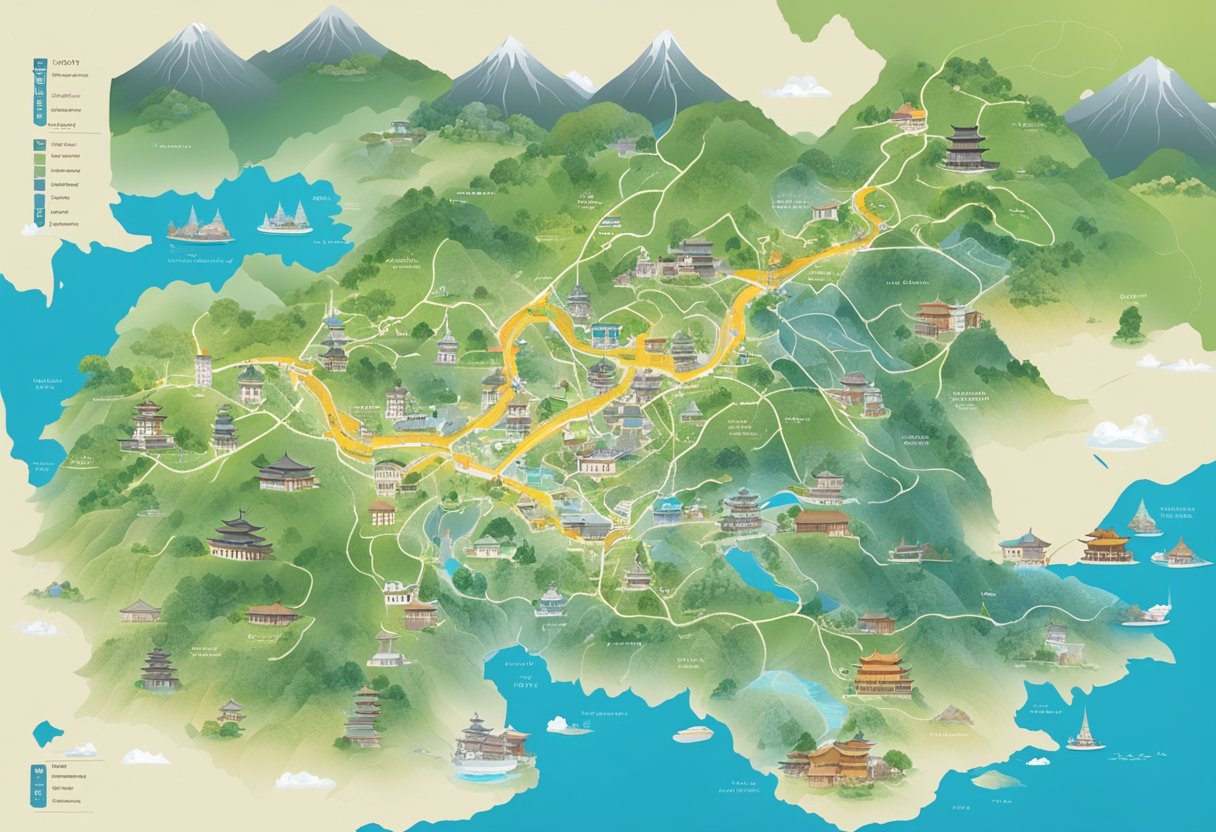
Kyoto is divided into different areas, each offering unique attractions and characteristics. Whether exploring the best place to stay in Kyoto or looking for things to do around Kyoto, from bustling downtown streets to tranquil riverside strolls, every part of the city promises a distinct and memorable experience.
Central Kyoto and Accessibility
Central or downtown Kyoto is the best area to stay in Kyoto. It offers a perfect blend of modern amenities and historical sites, making it ideal for first-time visitors. This area boasts numerous hotels, restaurants, and shops, ensuring convenience and accessibility.
The centrally located Kyoto Railway Station provides easy access to explore the city and its surroundings.
Downtown Kyoto has popular attractions such as Nijo Castle and the Kyoto Imperial Palace, which are also easily reachable from downtown Kyoto. It’s the perfect area to stay in if you want to be close to the action and well-connected to all the city offers.
Northern Kyoto’s Serenity
When deciding where to stay and seeking a peaceful retreat from the city’s hustle and bustle, Northern Kyoto is an excellent choice.
Known for its serene temples and beautiful gardens, this area offers a tranquil atmosphere for quiet exploration. Highlights include the iconic Kinkaku-ji, or Golden Pavilion, renowned for its breathtaking beauty.
A short walk from Kyoto Station, Northern Kyoto also features the serene Kamigamo Shrine and the scenic Ryoan-ji rock garden. If you’re looking to unwind and enjoy tranquility during your stay, Northern Kyoto provides the perfect setting.
Southern Kyoto’s Historic Charm
When deciding where to stay while exploring Japan, Southern Kyoto offers a captivating experience with its rich history and tradition. It’s home to iconic sites such as Fushimi Inari Taisha, renowned for its thousands of red torii gates, and the historical Tofuku-ji Temple.
The traditional charm of Southern Kyoto is ideal for immersing oneself in Kyoto’s heritage. While slightly removed from bustling city centers, this area includes serene neighborhoods and unique attractions like the vibrant Fushimi sake district and the tranquil Uji River.
Additionally, Kyoto Station is conveniently located nearby, providing easy access to transportation for those who wish to maximize their time in Kyoto.
Eastern Kyoto’s Cultural Richness
Eastern Kyoto is an ideal area to stay during your trip to Japan. Packed with cultural landmarks, the Gion district is famous for its geisha and traditional wooden machiya houses, offering delightful narrow streets to explore.
If you choose to stay here during your trip to Kyoto, you’ll find the picturesque Dera Temple perfect for experiencing traditional Japanese culture. For peaceful contemplation, the Philosopher’s Path, a scenic walk along a canal, provides a serene setting to reflect on the area’s beauty.
Western Kyoto’s Natural Retreats
Western Kyoto offers a delightful combination of natural beauty and historical significance, making it a must-visit area.
One of the highlights is the Arashiyama district, renowned for its enchanting bamboo groves. Walking through these towering bamboo stalks is a serene experience, offering a unique photo opportunity.
The Tenryu-ji Temple is a major attraction in Arashiyama. This UNESCO World Heritage site boasts a beautifully landscaped garden that perfectly complements the temple’s tranquil ambiance.
Not far from here is the iconic Togetsukyo Bridge, which provides picturesque views over the Katsura River. These views are especially stunning during cherry blossom season and the vibrant autumn months.
For those who enjoy wildlife, the Iwatayama Monkey Park offers a fun and interactive experience. Here, you can observe Japanese macaques up close while enjoying panoramic views of Kyoto.
Overall, the west of Kyoto is a great sightseeing area. Natural landscapes and cultural heritage create an ideal retreat from the bustling city center. It’s perfect for travelers looking to connect with nature and immerse themselves in Kyoto’s serene and historical atmosphere.
Top Areas for Accommodations
When visiting Japan, the Kyoto area offers various districts catering to different interests and travel needs. Many hotels provide easy access to attractions and amenities for those who want to stay in downtown Kyoto.
Each area has unique features, from Gion’s traditional charm to Kyoto Station’s convenience. Whether looking for the best Kyoto in terms of history, culture, or modern comforts, you’ll find plenty of options to suit your preferences.
Gion District: Geisha and Tradition
Gion is Kyoto’s famous geisha district. It is located in the Higashiyama area and is known for its traditional wooden machiya houses. Visitors often come here to see geiko and maiko (Kyoto’s geisha).
Staying in Gion lets you experience Kyoto’s traditional side. You can walk along Hanami-koji Street, which has tea houses and traditional restaurants. Don’t miss out on the Yasaka Shrine and the historic Gion Corner.
For an authentic stay, Gion also offers various ryokan (traditional Japanese inns). Explore the picturesque Shirakawa Minami-dori, where small canals and willow trees create a serene atmosphere.
Downtown Kawaramachi: Shopping and Entertainment
Downtown Kawaramachi is Kyoto’s bustling shopping and entertainment hub. It’s perfect for tourists who want to be in the center of the action. This area is packed with department stores, boutiques, and dining options.
The Nishiki Market, also known as “Kyoto’s Kitchen,” is a must-visit spot. Here, you can sample local foods and buy unique souvenirs. In the evening, Pontocho Alley offers a vibrant nightlife scene with traditional and modern bars and restaurants.
Accommodation here ranges from luxury hotels to budget-friendly hostels. Being centrally located, it’s easy to access other parts of Kyoto from here.
Kyoto Station Area: Convenience and Connectivity
Kyoto Station area, or Shimogyo, is ideal for travelers who prioritize convenience. It’s the transport hub of Kyoto, making it easy to get around the city and visit nearby attractions.
The area around the station boasts several large shopping malls, including the Kyoto Station Building itself. It’s also home to many affordable hotels.
Staying in this area means you’ll have quick access to trains and buses. Popular sites like Fushimi Inari Shrine and Arashiyama are just a short train ride away. The Kyoto Tower is another nearby attraction, offering panoramic views of the city.
Arashiyama Area: Scenic Beauty and Tranquility
Arashiyama is known for its stunning natural beauty. Located on Kyoto’s western outskirts, this area is famous for the Bamboo Grove and the Togetsukyo Bridge.
It’s one of the best places to experience Japan’s lovely seasonal changes. Cherry blossoms in spring and vibrant autumn leaves are major draws.
Staying in Arashiyama provides a peaceful contrast to central Kyoto. There are several ryokan and traditional inns that offer a quiet retreat. Don’t miss the Tenryu-ji Temple and its surrounding gardens, which are beautiful and serene.
Arashiyama is also a nice spot for boat rides along the Hozu River. This area provides a perfect escape into nature while still being accessible to the city center.
Staying in Kyoto on a Budget
Kyoto can be an affordable travel destination if you choose the right areas to stay in and the right types of accommodations. Here are some options to consider to save money while enjoying your trip.
Affordable Areas: Northern and Western Wards
The northern and western areas of Kyoto offer excellent budget-friendly options. Northern Kyoto, known for its peaceful atmosphere and fewer luxury hotels, is ideal for travelers seeking a quieter experience. This area features more budget-friendly accommodations, including business hotels for economical stays.
Western Kyoto, particularly around Arashiyama, showcases picturesque natural scenery and traditional inns. With its slightly removed location from the city center, this area provides a more relaxed atmosphere and affordable lodging options.
Both northern and western Kyoto benefit from convenient access to public transportation, ensuring easy connections to central Kyoto and popular attractions.
For those seeking a blend of affordability and convenience, other parts of the city offer upscale amenities and easy access to Kyoto’s vibrant city life.
Guesthouses and Hostels
If you don’t want to stay in hotels in Kyoto, you can always opt for guesthouses and hostels, which are excellent for budget travelers.
Kyoto has many of these, offering clean and comfortable stays at a fraction of hotel prices. You’ll often find hostels with communal kitchens, where you can save additional money by preparing meals.
Guesthouses are similar but offer a bit more privacy than hostels. They provide a good mix of traditional Japanese style and modern convenience. Staying in guesthouses can also be a cultural experience as many are run by local families who can give insight into Kyoto’s rich history and culture.
Look for accommodations near Kyoto Station or in areas like Gion and Higashiyama for easy access to the subway and main tourist sites.
Budget Hotels and Ryokan
Several budget hotels and Ryokan (traditional Japanese inns) in Kyoto provide fantastic value. Central Kyoto and the area near Kyoto Station have many budget hotels. These often include basic amenities, Wi-Fi, and breakfast, which add to the convenience of staying there.
Ryokan can also be more affordable than you might expect, especially family-run ones located outside the busiest areas. They offer a unique experience with tatami mat rooms, futons, and often communal baths.
Checking online reviews and booking sites can help you find the best deals and understand what each place offers. This way, you can experience the charm of Kyoto without breaking the bank.
Luxurious Stays in Kyoto
Kyoto offers a range of luxurious accommodations, from five-star hotels to exclusive boutique lodgings. Whether you prefer a high-end hotel’s elegance or a boutique experience’s unique charm, Kyoto has something to offer.
Five-Star Hotels and Ryokan
Some of the best five-star hotels in downtown Kyoto combine modern luxury with traditional Japanese aesthetics. For example, the Ritz-Carlton Kyoto is known for its riverfront views, exquisite dining, and spacious rooms. The hotel blends contemporary design with local craftsmanship.
Meanwhile, the Hyatt Regency Kyoto and Kyoto Hotel Okura are considered luxury five-star hotels in Kyoto. They offer upscale accommodations, top-notch amenities, and exceptional service, catering to guests looking for a luxurious experience during their stay in Kyoto.
Another top choice is the Four Seasons Kyoto. This hotel features a serene pond garden, a splendid spa, and rooms that offer views of the historic city’s vibrant scenery. These hotels provide not just rooms but an entire luxury experience.
For a traditional experience, consider staying in a luxury ryokan like Gion Yoshiima. This ryokan offers a traditional Japanese setting with tatami rooms, sliding paper doors, and attentive service. The blend of cultural immersion and high-end comfort makes it a unique option.
Exclusive Boutique Lodgings
For a more intimate and unique luxury experience in Kyoto, boutique lodgings like Noku Kyoto and Hoshinoya Kyoto offer personalized service and stylish settings.
The Junei Hotel Kyoto Imperial Palace West is another outstanding boutique option. It’s small, with only a handful of rooms, ensuring privacy and a customized stay.
Another recommended boutique is the Ryokan Inn Yoshida-sanso. Nestled in Northern Higashiyama, this inn offers authentic Japanese hospitality, beautiful views, and a peaceful atmosphere. The boutique setting allows for a personal touch that large hotels might not match.
These boutique establishments provide a more personalized and often more culturally immersive experience. They focus on the details that make each stay memorable, ensuring guests fully immerse themselves in Kyoto’s rich cultural heritage.
Cultural Stays for a Unique Experience
Staying in Kyoto offers a chance to immerse yourself in traditional Japanese culture. Temple lodgings (Shukubo) and traditional Machiya townhouses provide unique experiences you won’t find in modern hotels.
If you plan to explore beyond Kyoto, consider the Japan Rail Pass for convenient and cost-effective travel across the country’s extensive rail network.
Temple Lodgings (Shukubo)
Temple lodgings, known as shukubo, allow you to stay in a Buddhist temple. I find these places deeply peaceful. You often take part in meditation, morning prayers, and vegetarian meals called shojin ryori.
The atmosphere is calm, and you may stay in simple, tatami-matted rooms. Many temples, such as those in the Northern Higashiyama area, offer these unique stays. They provide a glimpse into the spiritual side of Kyoto.
For example, Eikan-do Zenrin-ji has serene gardens and traditional architecture. These lodgings are perfect for a quiet retreat with a cultural twist.
Traditional Machiya Townhouses
Machiya townhouses are traditional wooden homes from the Edo period. Staying in one of these houses offers a blend of old-world charm and modern amenities. I love how these homes make you feel like you’ve returned in time.
You can find many machiya in the Gion and Southern Higashiyama areas. These houses often feature wooden beams, paper screens, and small inner gardens. Many have been beautifully restored and offer a cozy, authentic experience.
For example, staying in Gion’s machiya lets you explore nearby historic streets and catch a glimpse of geisha culture. These townhouses offer a more intimate, home-like experience compared to hotels.
By staying in either temple lodgings or a machiya townhouse, you can enjoy a unique and culturally rich stay in Kyoto.
Best Areas for Dining
Kyoto offers a variety of excellent dining experiences. For fine dining and traditional izakayas, head to Pontocho Alley. Nishiki Market is the place to be for street food and local specialties.
Pontocho Alley: Fine Dining and Izakayas
Pontocho Alley is known for its narrow lanes filled with traditional restaurants and cozy izakayas. Many of these eateries have a long history and offer a taste of Kyoto’s rich culinary past. In Pontocho, you can enjoy kaiseki, an elaborate multi-course meal focusing on seasonal ingredients.
Several restaurants also offer delightful views of the Kamo River. This makes for a memorable dining experience, especially in the evening when lanterns light up the alley. Yakitori (skewered chicken) and sashimi (raw fish) are popular dishes here.
Pontocho’s ambiance is one of its main draws. Walking through the alley feels like stepping back in time. The area is vivacious during the Gion Matsuri, Kyoto’s largest festival.
Nishiki Market: Street Food and Specialties
Nishiki Market is often called “Kyoto’s Kitchen” and is a must-visit for food lovers. This long, covered market street is filled with stalls and small shops selling various local foods and specialties.
There’s something for everyone, from fresh seafood and seasonal vegetables to Japanese sweets and pickles.
One of the highlights is the grilled seafood, particularly octopus on a stick, which is tasty and visually interesting. Don’t miss the tamago-yaki (Japanese omelet) either; it’s a local favorite. Many vendors offer free samples, so you can taste a variety of foods as you walk through.
Nishiki Market is also great for food-related souvenirs, such as yuzu (a type of citrus fruit) products and Kyoto-style miso. The hustle and bustle of the market, combined with the mouth-watering aromas, make this an unforgettable experience.
Ideal Locations for Sightseeing
Kyoto is a city full of history and culture. Choosing the right area to stay in is crucial for tourists looking to experience the best of Kyoto.
Southern Higashiyama is a favorite spot for those visiting Kyoto for the first time. This area includes many popular tourist destinations, such as historic temples and the Kyoto National Museum. Walking through the narrow streets feels like stepping back in time.
Downtown Kyoto offers a mix of modern conveniences and traditional charm. It’s perfect for visitors who want to be close to shopping, dining, and entertainment. You can explore markets, try local foods, and find many cultural sites.
Arashiyama is ideal for nature lovers. Known for its bamboo groves and scenic beauty, Arashiyama provides a relaxing escape. You can visit Tenryu-ji Temple and the iconic Togetsukyo Bridge while enjoying the peaceful surroundings.
Central Kyoto is perfect for travelers who prefer a central location. This area provides easy access to various parts of the city. You can visit Nijo Castle and the Kyoto Imperial Palace, which is rich in history.
Northern Higashiyama also offers beautiful temples and gardens, making it an excellent choice for sightseeing. The Silver Pavilion and Philosopher’s Path are must-visit spots that offer stunning views and serene walks.
In each of these areas, there are plenty of ryokans (traditional Japanese inns), hotels, and hostels to choose from, ensuring a comfortable stay while you explore Kyoto.
Frequently Asked Questions

Choosing where to stay in Kyoto can be challenging. Each area has unique attractions, accommodations, and accessibility. Here are some common questions to guide your decision.
What is the best area for first-time visitors to stay in Kyoto?
For first-timers, Southern Higashiyama is ideal. It boasts famous tourist spots like Kiyomizu-Dera and Gion. Staying here provides an authentic Kyoto experience, with access to temples, traditional streets, and cultural landmarks.
Which neighborhoods in Kyoto are most suitable for families?
Central Kyoto is great for families. It has larger hotel rooms and plenty of accommodation options. Plus, it offers easy access to shopping districts, parks, and family-friendly attractions.
Where can I find traditional Ryokan accommodations in Kyoto?
For a traditional Ryokan stay, check out the Northern Higashiyama area. This area features beautiful temples and gardens, offering a serene, authentic Japanese experience with many well-kept Ryokans.
Can you recommend centrally located hotels in downtown Kyoto?
Downtown Kyoto has numerous centrally located hotels. This area is very convenient, with many restaurants, shops, and cultural sites within walking distance. It’s easy to navigate and has a vibrant nightlife.
What parts of Kyoto should travelers avoid staying in?
Travelers might want to avoid the outskirts of Kyoto. While these areas offer quiet, they lack the convenience and quick access to major sites, making travel more cumbersome.
How walkable is Kyoto, and which areas offer the best pedestrian access?
Kyoto is quite walkable, especially in Downtown and Southern Higashiyama. These areas have well-maintained pedestrian paths, with many attractions and amenities close to each other, making it easy to explore on foot.