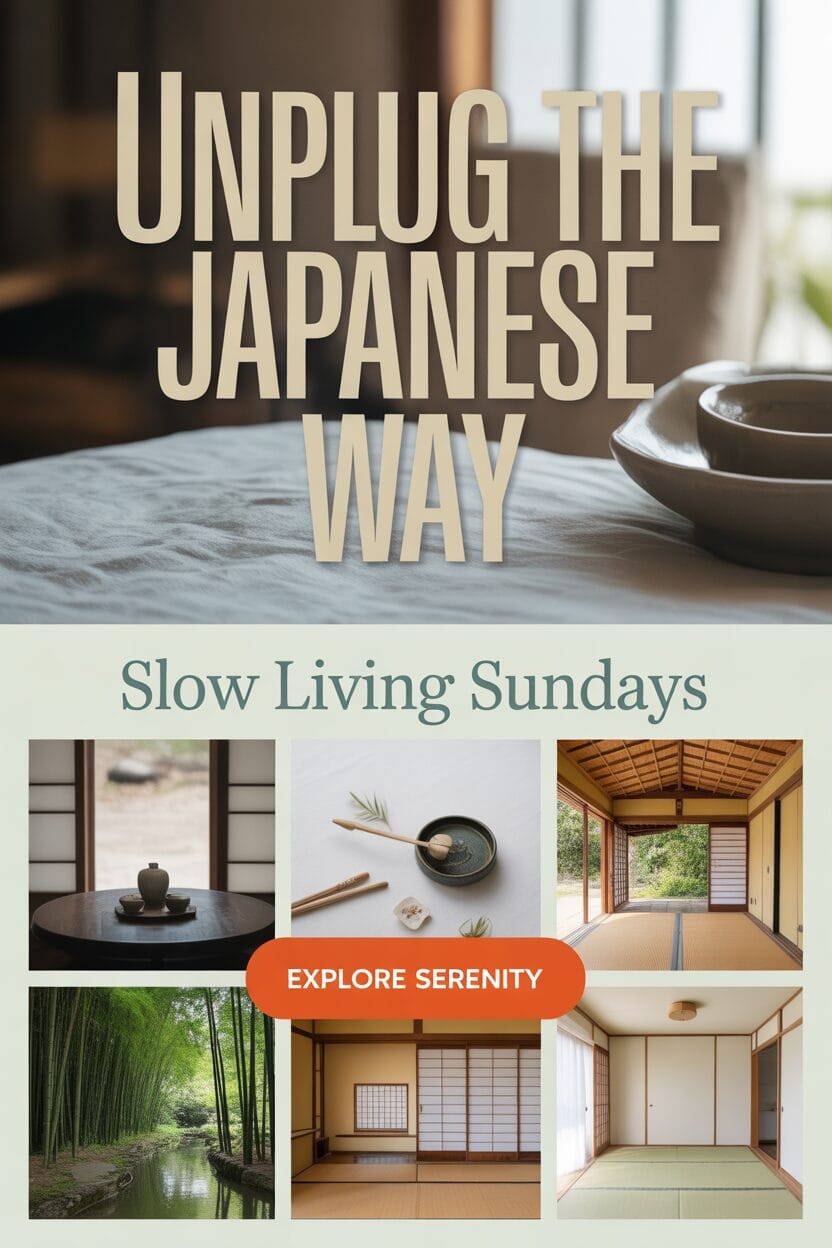
Step into a Japanese home, and you’ll be asked to step out of your shoes.
It’s a quiet gesture — simple, respectful, and deeply meaningful.
But why do the Japanese remove their shoes indoors?
It’s not just about cleanliness.
It’s about culture, mindfulness, and a certain kind of beauty that lives in small, intentional acts.
Let’s explore the hidden meaning behind this gentle tradition 👣
🏡 1. A Boundary Between Outside and In
In Japan, the outside world (soto) and the inside (uchi) are clearly separated.
Your home is considered a sacred, clean space — a place to rest, reconnect, and restore.
Shoes carry the dust and energy of the outside world, and removing them is a way to symbolically leave all that behind.
Try this: Create a welcoming entry space. A mat, a bench, a place for slippers. Let it signal: You’re home now.
🧽 2. Cleanliness Is a Form of Respect
Japanese homes are often kept spotlessly clean — not just for hygiene, but as an expression of care.
Taking off your shoes is a sign of respect for the space and for the people who live there.
It keeps floors clean, yes — but more importantly, it shows that you’re present and considerate.
Try this: When you visit someone’s home, pause and notice how you arrive. It’s not just about your feet — it’s about your mindset.
🧘 3. It Encourages Slowing Down
Removing your shoes creates a small pause.
A moment to stop, breathe, and transition.
It’s a subtle reminder that home is different from the outside world.
It invites you to leave behind the rush and settle into a slower rhythm.
Try this: When you take off your shoes, also take a deep breath. Let that be your cue to slow down.
🥿 4. Slippers Tell Their Own Story
Once inside, most people slip into indoor shoes or slippers.
There are even toilet slippers specifically for the bathroom — to keep that space separate too.
It may seem excessive, but it’s all about intention.
Each space has its own energy, and honoring that helps maintain harmony.
Try this: Try indoor slippers for comfort and mindfulness. They help your feet (and mind) feel at ease.
🌱 5. A Tradition Rooted in Nature
Traditional Japanese homes often had tatami mats — woven from natural straw.
They’re soft underfoot, but also delicate. Shoes could damage them.
This practice of removing shoes preserves not only the mats, but the connection to earth, texture, and tradition.
Try this: Walk barefoot or in socks at home. Feel the floor beneath you. Notice how it changes your pace.
🌸 6. It’s About More Than the Floor
At its heart, this custom is about entering with care.
It’s a quiet ritual that says: “I honor this space. I leave behind the noise.”
It turns something ordinary into something sacred.
Try this: Treat your home like a temple. Not in grandeur — but in the small ways you care for it and how you arrive each day.
🕊️ Home Is Where You Unlace and Unwind
Taking off your shoes might seem like a small act.
But it’s a doorway — into stillness, simplicity, and respect.
Let it remind you to soften.
To leave the rush at the door.
To come home, not just with your body… but with your whole self.