Overview of Tokyo Steakhouse Cuisine
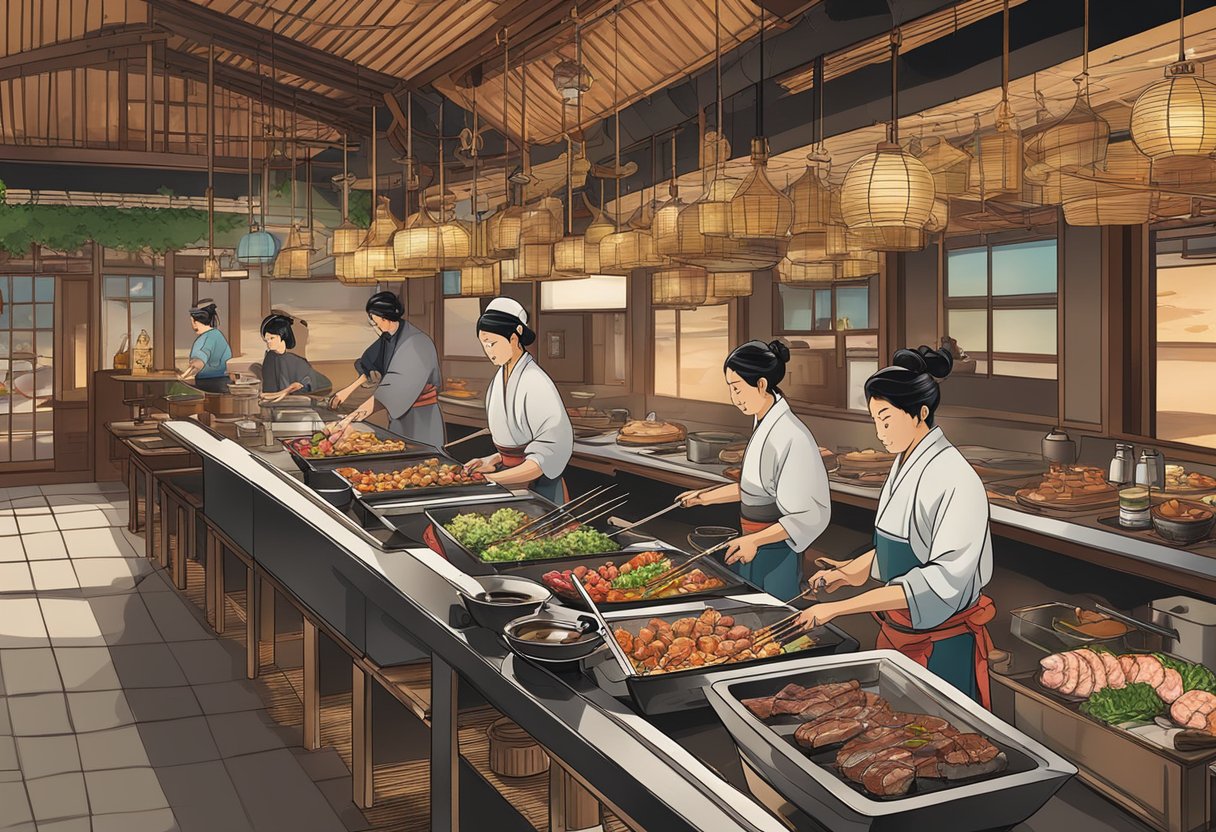
Tokyo steakhouses blend Japanese culinary traditions with modern techniques to create unique dining experiences centered around premium beef and theatrical preparation.
History and Cultural Significance
Japanese steakhouse culture emerged in Tokyo during the 1960s. The style combined traditional teppanyaki cooking with theatrical elements to appeal to both local and international diners.
These restaurants gained popularity by showcasing high-quality Japanese beef, especially wagyu, prepared with masterful technique. Many establishments feature counter seating around flat iron grills where skilled chefs prepare meals.
The dining experience emphasizes both the quality of ingredients and the entertainment value of watching expert chefs at work. This style has become a significant part of Tokyo’s fine dining scene.
Key Ingredients and Flavors
Premium beef stands at the center of Tokyo steakhouse menus. Japanese wagyu, particularly from regions like Kobe and Ozaki, offers exceptional marbling and texture.
Chefs season steaks simply with salt and pepper to highlight the natural meat flavors. Some restaurants add classic accompaniments like garlic chips, wasabi, or ponzu sauce.
Common side dishes include:
- Grilled seasonal vegetables
- Garlic fried rice
- Miso soup
- Fresh wasabi
The cooking method uses intense heat on flat iron grills to create a crispy exterior while maintaining a tender center. Each cut receives careful attention to achieve the perfect temperature and doneness.
Popular Tokyo Steakhouse Dishes
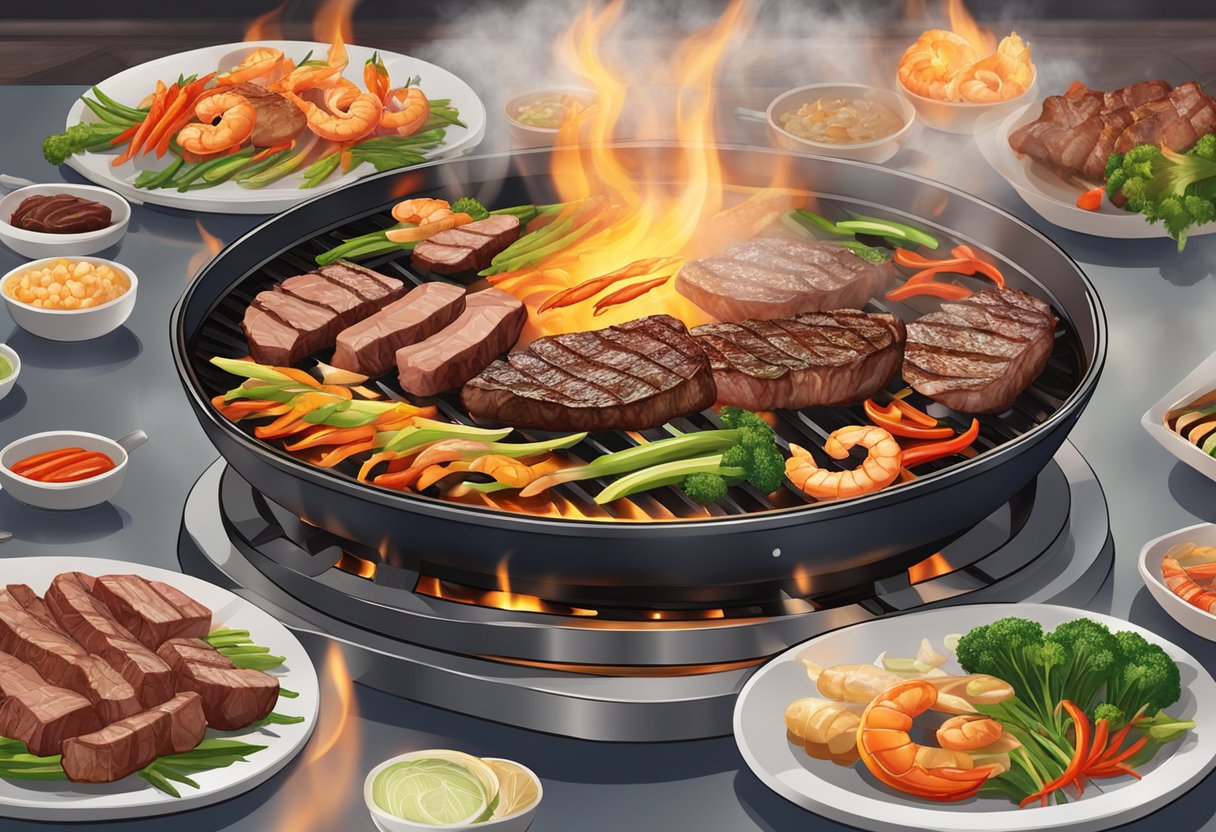
Tokyo steakhouses serve premium cuts of meat with expert preparation methods and traditional side dishes that create memorable dining experiences.
Wagyu and Kobe Beef
A5-grade Wagyu beef represents the highest quality beef available in Tokyo steakhouses. This meat shows intense marbling throughout and melts in your mouth.
Kobe beef, a specific type of Wagyu, comes from specially raised cattle in Hyogo Prefecture. I’ve seen it served as thick-cut steaks, tender slices for shabu-shabu, and even as luxurious sushi.
Steakhouses often offer different cuts like sirloin, ribeye, and tenderloin. Each cut gets careful attention to highlight its unique qualities.
Signature Grilling Techniques
Teppanyaki is a popular cooking style where chefs grill meat on flat iron surfaces right at your table. The performance adds excitement to the meal.
Many steakhouses use special charcoal grills that seal in juices while creating a perfect crust. Chefs control temperatures precisely to achieve the desired doneness.
Salt and pepper remain the primary seasonings. This simple approach lets the meat’s natural flavors shine through.
Accompaniments and Side Dishes
Fresh wasabi and soy sauce complement the meat’s rich flavors. Many places make their own signature dipping sauces too.
The spinning salad is a classic steakhouse tradition in Tokyo. Chefs toss fresh greens in a rotating bowl with house-made dressing.
Common sides include:
- Garlic fried rice
- Grilled seasonal vegetables
- Miso soup
- Japanese mushrooms
- Fresh bread
Each steakhouse puts its own spin on these classic accompaniments to create a complete meal.
Dining Experience at Tokyo Steakhouses
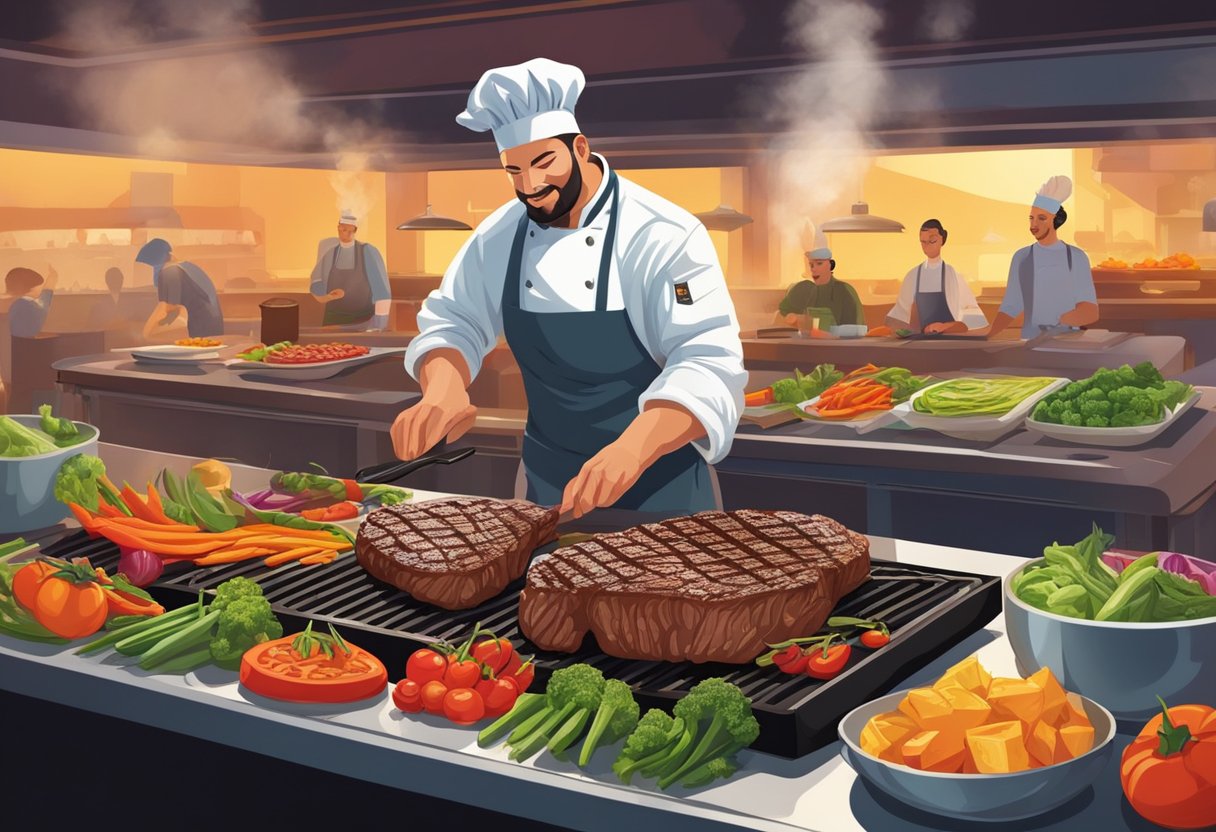
Tokyo steakhouses blend Japanese precision with world-class beef preparation, creating memorable dining experiences for meat lovers. Both modern and traditional settings offer unique ways to enjoy premium cuts.
Atmosphere and Setting
Traditional Japanese steakhouses feature teppanyaki grills where skilled chefs cook right at my table. The sizzle of meat and the chef’s showmanship add excitement to my meal.
Many upscale Tokyo steakhouses have elegant dining rooms with soft lighting and private areas. Some spots mix Western steakhouse comfort with Japanese minimalist design.
I’ve noticed most places maintain a calm, refined atmosphere. The spacing between tables gives me privacy while I dine.
Etiquette and Dining Tips
I always make reservations at least a few days ahead, especially for high-end steakhouses. Many top spots fill up quickly.
It’s polite to remove shoes if the restaurant has tatami seating areas. The staff will provide slippers.
When dining at teppanyaki spots, I sit back and let the chef work their magic. It’s fine to ask questions about cooking methods or meat grades.
Key dining customs:
- Bow slightly when greeting staff
- Use chopsticks or provided cutlery as needed
- Signal when finished by placing utensils together
Regions and Variations

Tokyo’s steakhouse scene varies greatly across different districts and regions, with each area offering its own unique take on steak preparation and dining atmosphere.
Famous Steakhouse Districts in Tokyo
The Ginza district stands out as Tokyo’s premium steakhouse destination, featuring high-end establishments that serve top-grade wagyu beef.
Roppongi attracts both locals and tourists with its mix of traditional Japanese steakhouses and Western-style establishments. Many spots here stay open late to cater to the nightlife crowd.
Nihonbashi maintains some of the oldest steakhouses in Tokyo, where traditional teppanyaki cooking methods remain unchanged for generations.
Regional Differences in Steakhouse Offerings
Eastern Tokyo steakhouses often focus on more casual dining experiences, with many spots offering lunch specials and set menus at reasonable prices.
Western Tokyo, especially around Shinjuku and Shibuya, blends Japanese and international steakhouse styles. I’ve noticed many restaurants here serve fusion dishes that combine local and Western cooking methods.
The beef cuts and preparation styles change by area too. Northern districts prefer thicker cuts, while southern areas often serve thinner slices suited for yakiniku-style cooking.
Different areas also specialize in specific beef sources. Minato ward’s steakhouses often feature Kobe beef, while Shinjuku has more options for Matsusaka beef.
Frequently Asked Questions

Tokyo Steakhouse restaurants serve authentic Japanese cuisine with both traditional dishes and modern fusion options. Guests can enjoy hibachi-style dining, sushi, and specialty items in multiple U.S. locations.
What are the menu options available at Tokyo Steakhouse?
The menu features hibachi entrees like steak, chicken, and seafood. Sushi rolls and sashimi are also available.
Fresh appetizers include miso soup, edamame, and gyoza dumplings.
Vegetarian options include tofu steaks and vegetable tempura.
How do I make a reservation at Tokyo Steakhouse?
I recommend calling the specific location directly to book a table. Many locations also accept online reservations through their website.
For large groups of 8 or more, advance reservations are needed.
Are there Tokyo Steakhouse locations near Chicago?
Multiple Tokyo Steakhouse restaurants operate in the Chicago area. Locations include downtown Chicago and several suburbs.
The most popular location is Tokyo Steakhouse II in the city.
Can I find the menu prices for Tokyo Steakhouse online?
Menu prices are listed on the official website. Each location may have slight price variations.
Delivery apps like Uber Eats also show current menu prices.
Does Tokyo Steakhouse offer any specialty dishes or exclusive menu items?
Signature dishes include the Tokyo Special Roll and Filet Mignon hibachi.
The chef’s special menu changes seasonally with unique fusion creations.
What are the operating hours for Tokyo Steakhouse in Tinley Park?
The Tinley Park location opens daily at 11:30 AM for lunch service.
Dinner hours run from 4:30 PM to 10:00 PM Monday through Thursday, and until 11:00 PM on Friday and Saturday.
Sunday hours are 12:00 PM to 9:00 PM.