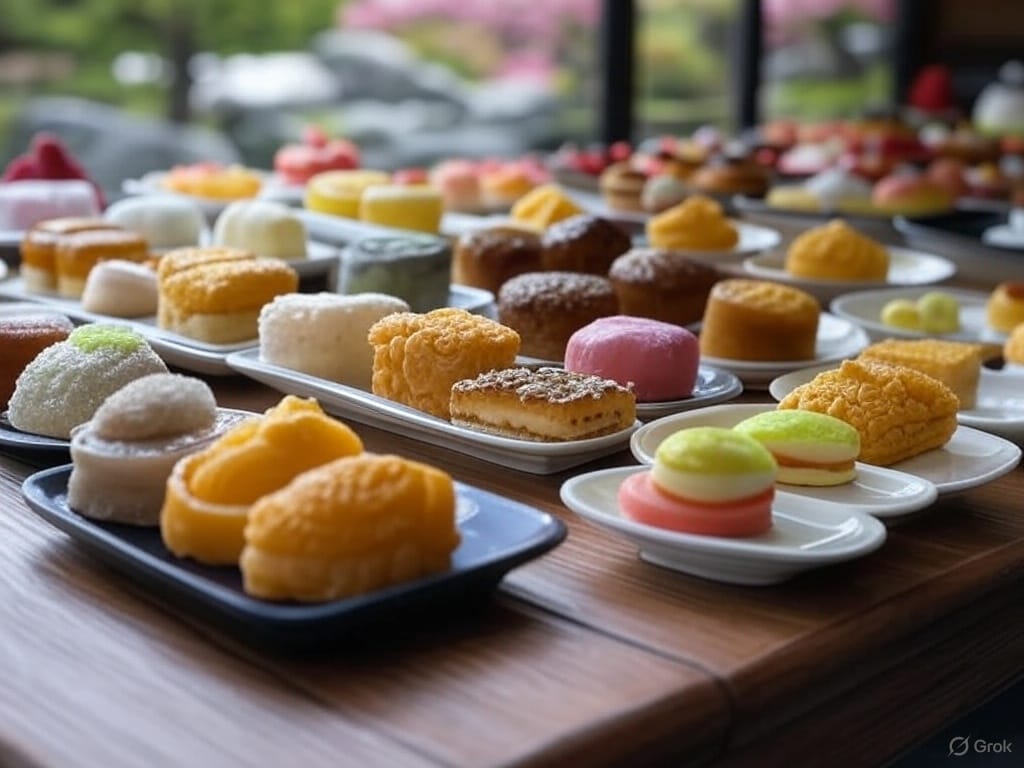
Japan offers a culinary world that’s both fascinating and diverse. One might immediately think of sushi or ramen when contemplating Japanese food, but the rich tradition of Japanese breakfast rituals should not be overlooked.
A typical morning meal in Japan is a delightful dance of flavors, textures, and ingredients that reflect cultural influences and time-honored practices.
A glance at the basics: steamed rice and miso soup
In many cultures, breakfast is celebrated with sweet pastries and rich coffees. In contrast, a traditional Japanese breakfast centers around steamed rice and miso soup. These two staples are the soul of the meal, embraced for their simplicity and nutritional benefits.
Steamed rice serves as the perfect vessel to accompany various dishes, absorbing sauces and enhancing other flavors. Meanwhile, miso soup offers a gentle umami taste, often enriched with tofu, seaweed, or vegetables. Both elements create a light yet satisfying start to the day, unique to Japanese culture.
Exploring the side dishes
No Japanese breakfast would be complete without a variety of intriguing side dishes. Each adds its own flair, transforming the meal into a balanced culinary experience. Traditional side dishes include grilled fish, pickled vegetables (tsukemono), and an egg dish like tamagoyaki.
Grilled fish is a source of protein, commonly featuring varieties like salmon, mackerel, or saury. It’s usually seasoned with soy sauce or salt, highlighting the natural flavors of the fish. Alongside it, tamagoyaki, a sweet rolled omelet, provides something soft and comforting to balance the flavor profiles on the plate.
Pickled vegetables: tsukemono
The art of tsukemono, or pickled vegetables, showcases how preserving methods have become gastronomic treasures. Made from simple seasonal vegetables such as cucumbers, daikon radishes, or even carrots, these pickles offer a refreshing, tangy bite that cleanses the palate.
Tsukemono not only enhances the breakfast platter visually with vibrant colors but also contributes essential vitamins and minerals. They’re beloved for their ability to bring a touch of sourness and crisp texture, which contrasts beautifully with softer components like rice or eggs.
Egg dishes: tamagoyaki and beyond
An egg dish during breakfast can range from a neatly rolled tamagoyaki to a raw egg cracked over steaming hot rice, known as tamago kake gohan. Each preparation method brings out different qualities of the egg, emphasizing either its sweetness, richness, or delicacy.
Tamagoyaki’s layers are meticulously cooked with a hint of dashi broth, creating a silky texture layered with subtle flavors. On the other hand, serving a raw egg emphasizes the freshness and quality of local produce, turning simplicity into elegance.
Diving into natto: the polarizing delight
Natto, fermented soybeans with a distinct aroma and sticky texture, takes a special place in Japanese breakfasts. While it has gained a reputation for being one of the more challenging items for newcomers due to its acquired taste, it is cherished for its health benefits.
Rich in protein, fiber, and probiotics, natto is often combined with soy sauce and mustard before being mixed into rice. Its strong pungency may not appeal to everyone, but those who acquire a taste for it extol its unique combination of flavors and textures. For adventurous eaters looking to explore authentic Japanese cuisine, natto offers an unforgettable experience.
Vegetable dishes in a balanced breakfast
Japanese cuisine consistently emphasizes harmony and balance, principles clearly evident in the incorporation of vegetable dishes within each meal. Vegetables can be served fresh, sautéed, boiled, or as part of salads, contributing vital nutrients while complementing richer dishes like grilled fish.
A popular choice is ohitashi, where green leafy vegetables such as spinach or komatsuna are lightly blanched and marinated in a savory soy-based dressing. The result is a delicate side that brings out the pure essence of the vegetables themselves, aligning perfectly with the foundational philosophy of respecting natural flavors.
Protein powerhouses for energy
Beyond fish and eggs, incorporating a variety of proteins ensures the body receives needed energy right at the day’s beginning. Options abound, ranging from tofu in miso soup to small servings of chicken or beef simmered in teriyaki sauce.
These proteins are typically portion-controlled, maintaining a fine line between meeting dietary needs and sticking to the traditional concept of moderation. Harmoniously melded with the ensemble of sides, they create a nutritionally robust meal absent of the heaviness found in some Western counterparts.
The modern take on japanese breakfast
As the world evolves and changes, so does Japanese cuisine. Younger generations and urban dwellers may opt for quicker alternatives, combining traditional elements with convenience foods or Western-inspired selections. However, one can still observe an underlying allegiance to rooted customs, keeping the spirit of the traditional Japanese breakfast alive.
Bento-style breakfasts might layer leftovers from dinner, including stir-fried vegetables or teriyaki meat, alongside classic elements like rice or eggs. Restaurants and cafes offering all-day Japanese breakfast options allow both locals and visitors to indulge in this nourishing meal format whenever desired. As interest in global fusion continues rising, these adaptations tell the story of cultural integration, showcasing adaptability and creative use of available resources.
Concluding remarks on embracing japan’s breakfast traditions
To fully appreciate Japan’s breakfast culture requires tasting and experiencing it firsthand. From the humble offerings of steamed rice and miso soup to the nuanced joy of a well-crafted side dish, every component tells a tale steeped in history and pride. Each morning meal is not merely about sustenance; it’s an engagement with centuries-old customs thoughtfully preserved by generations past.
Whether enjoyed casually at home, sampled at a family-run inn, or ordered at a city cafe, exploring these treasured breakfasts reveals a new perspective on what makes Japanese cuisine such an extraordinary part of the global culinary landscape. It’s about savoring moments, appreciating artistry, and welcoming the opportunity to understand deeper cultural narratives through everyday rituals.