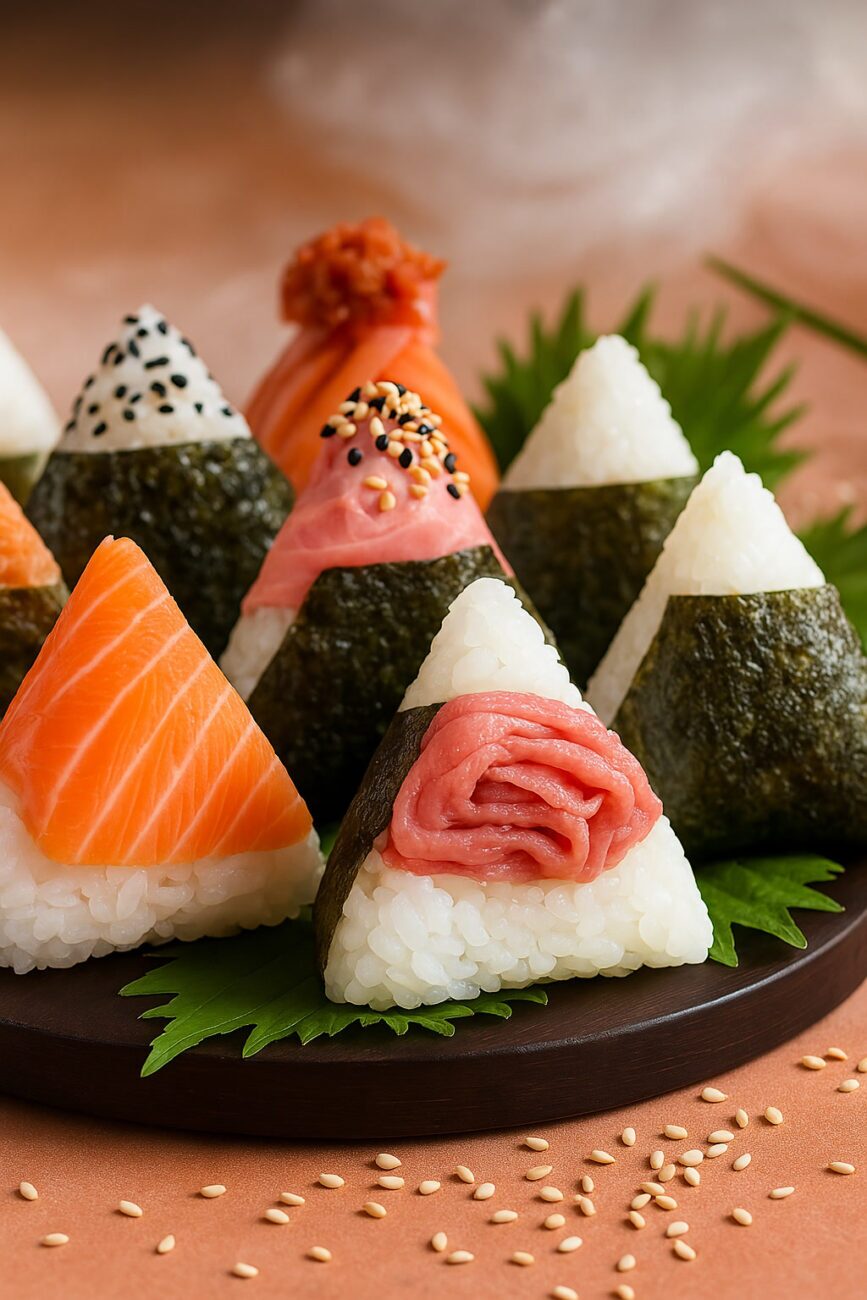
Onigiri (おにぎり), also known as omusubi, are Japanese rice balls that have been a staple in Japanese cuisine for centuries.
These portable, delicious snacks are the perfect balance of simplicity and flavor, making them ideal for lunch boxes, picnics, or quick meals on the go.
Unlike sushi, onigiri are shaped by hand into triangular or round forms and typically filled with savory ingredients that complement the subtle flavor of Japanese rice.
The Cultural Significance of Onigiri
Onigiri have deep cultural roots in Japan, dating back to the Heian period (794-1185). Originally called “tonjiki,” these rice balls were a convenient way to preserve and transport rice.
Samurai warriors carried them during battle, travelers took them on journeys, and farmers ate them in the fields.
Today, onigiri remain a symbol of Japanese food culture and maternal care, often associated with the comforting notion of a mother’s homemade lunch.
The Aesthetics of Onigiri
In Japanese cuisine, visual presentation is as important as flavor, and onigiri are no exception. While onigiri may appear simple, their aesthetic appeal follows several principles that elevate these humble rice balls to works of culinary art.
Traditional Shapes and Their Meaning
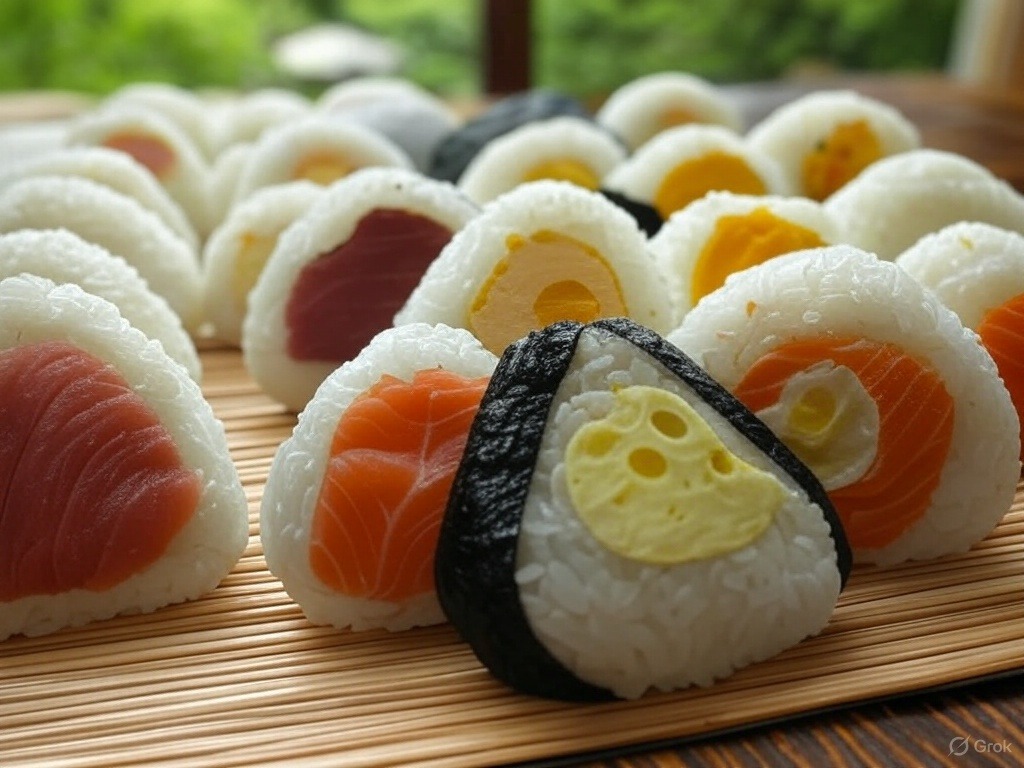
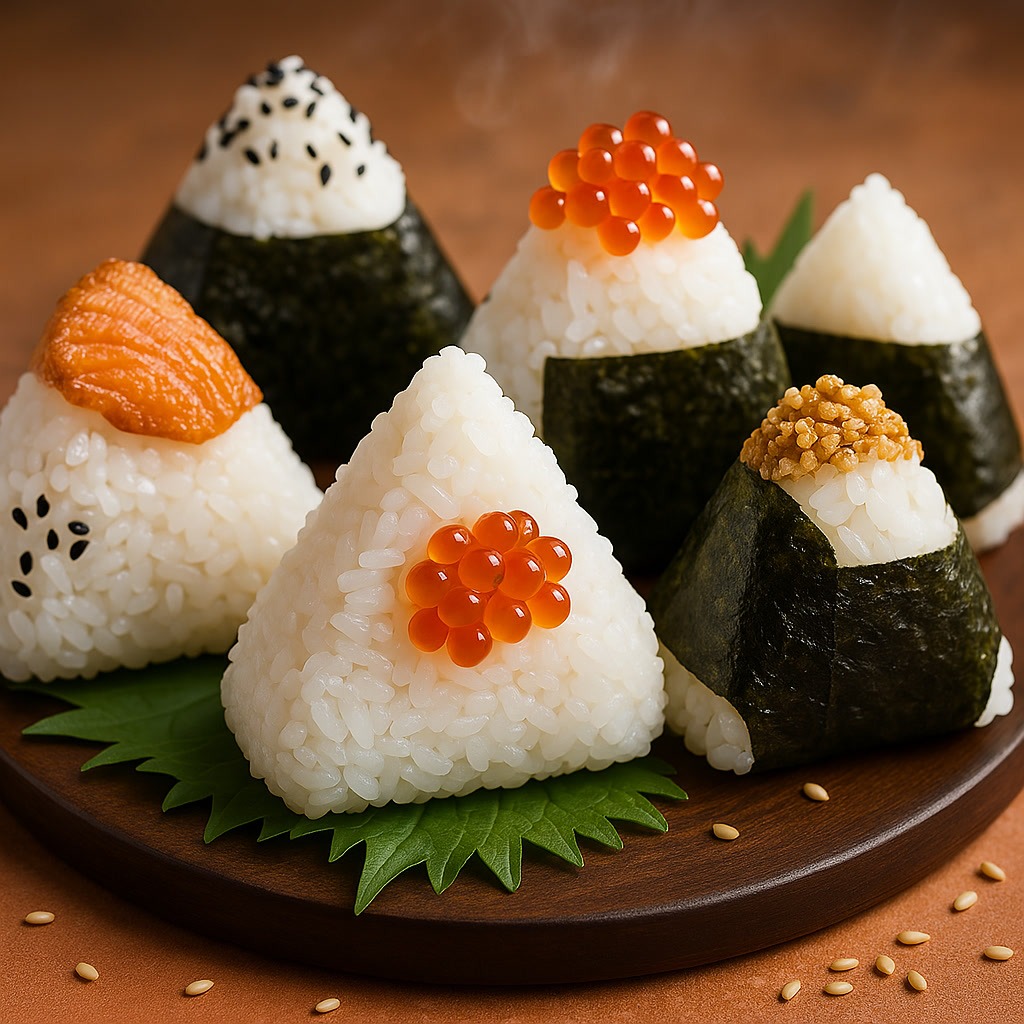
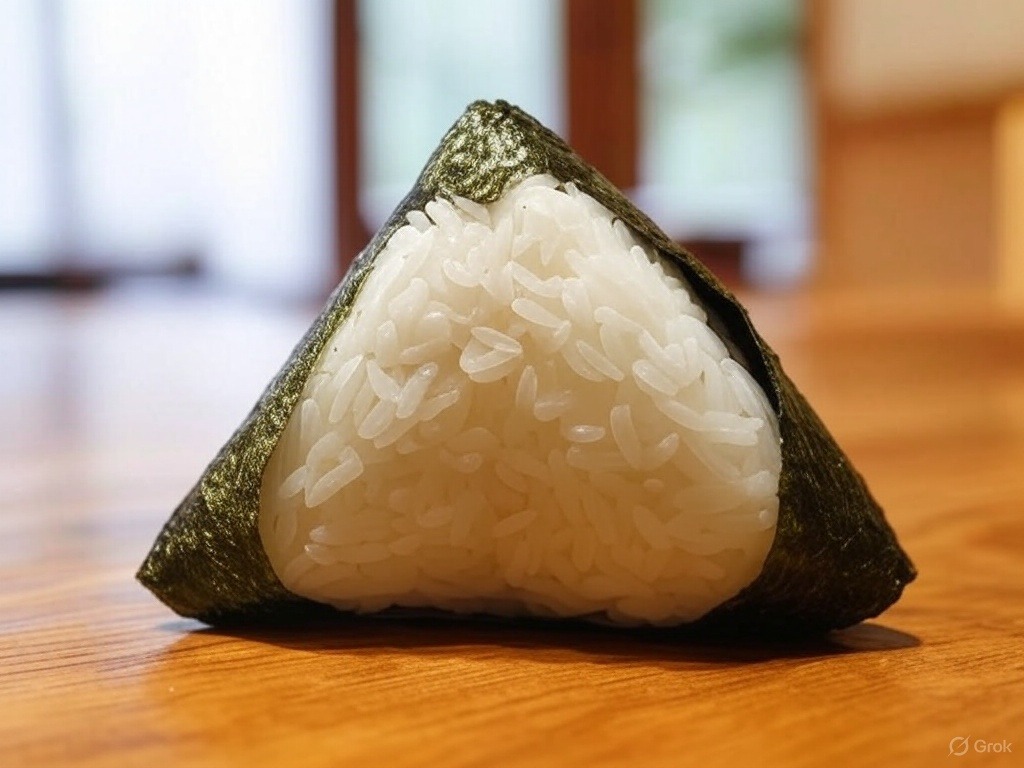
The triangle shape (sankaku) is most iconic for onigiri, thought to represent mountains in Japan’s landscape. This shape isn’t just visually appealing—it’s functional, creating three corners that make the onigiri easy to hold without touching the entire surface.
Round onigiri (maru) symbolize completeness and harmony, while cylindrical shapes (tawara) resemble traditional rice bales, connecting the food to its agricultural roots.
Color Harmony
Traditional onigiri showcase a subtle color palette:
- The pure white of polished rice
- The deep black-green of nori wrapping
- Delicate spots of color from fillings like pink salmon or red umeboshi
This restraint in color follows the Japanese aesthetic principle of “less is more,” allowing each element to be fully appreciated.
Seasonal Presentation
Like many aspects of Japanese cuisine, onigiri presentation often reflects the seasons:
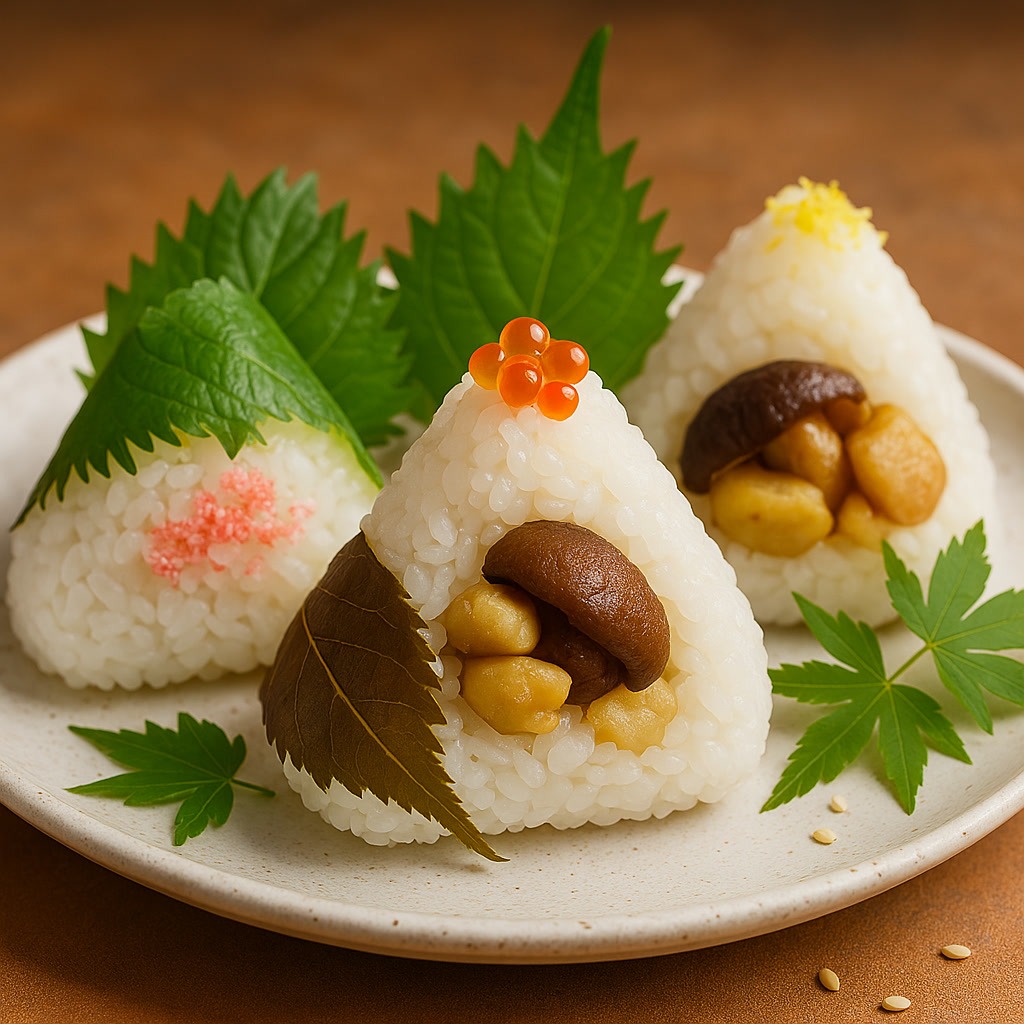
- Spring: Onigiri might include a sprinkle of sakura (cherry blossom) salt or be wrapped in pickled sakura leaves
- Summer: Bright, refreshing ingredients like shiso leaves may adorn the exterior
- Autumn: Onigiri might incorporate seasonal ingredients like chestnuts or mushrooms
- Winter: Heartier presentations with more substantial fillings and sometimes a dusting of yuzu zest
Character Onigiri (Kyaraben)
In contemporary Japanese culture, decorative “character onigiri” have become popular in bento boxes. These playful creations use:
- Nori cut into expressive facial features
- Natural food colorings to create different rice hues
- Additional ingredients like egg sheets, cheese, and vegetables to craft animal shapes and cartoon characters
Wrapping Techniques
The way nori is applied to onigiri carries aesthetic significance:
- Full wrap: Traditional and practical for travel, completely encasing the rice
- Partial wrap: The most common style, with nori covering just enough to provide a clean holding spot
- Decorated wrap: Nori cut into decorative patterns or shapes
- Hidden wrap: Placing the nori between the rice and filling, creating a surprise element of texture
Serving Context
How onigiri are presented contributes to their aesthetic appeal:
- Arranged on natural materials like bamboo leaves
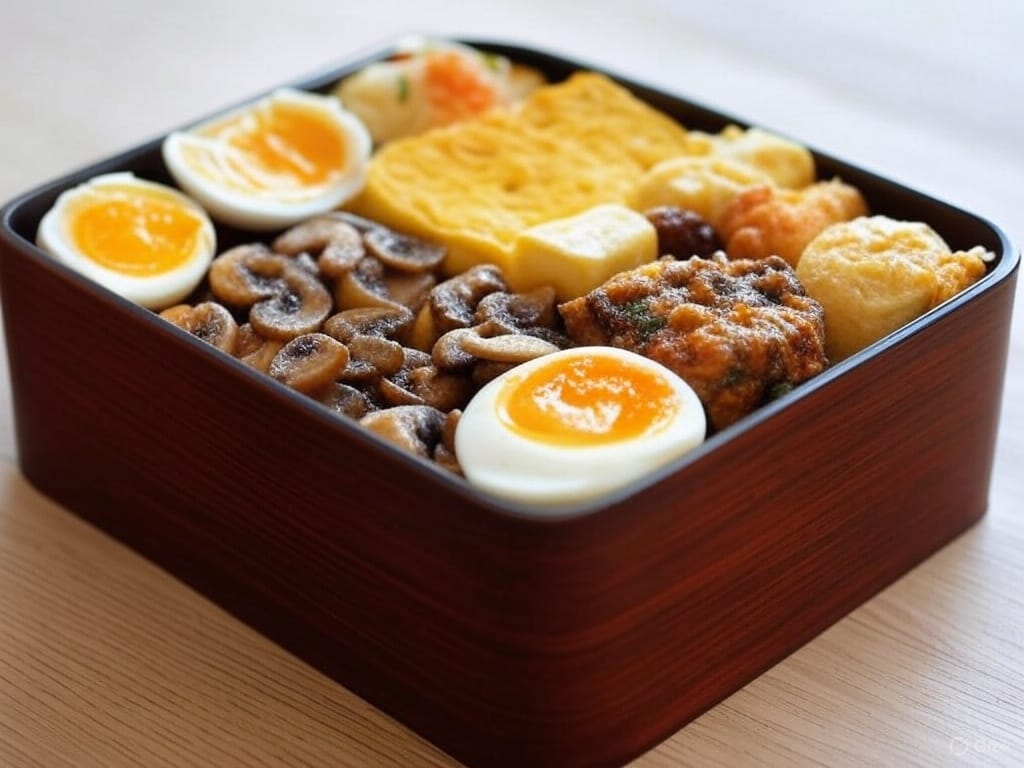
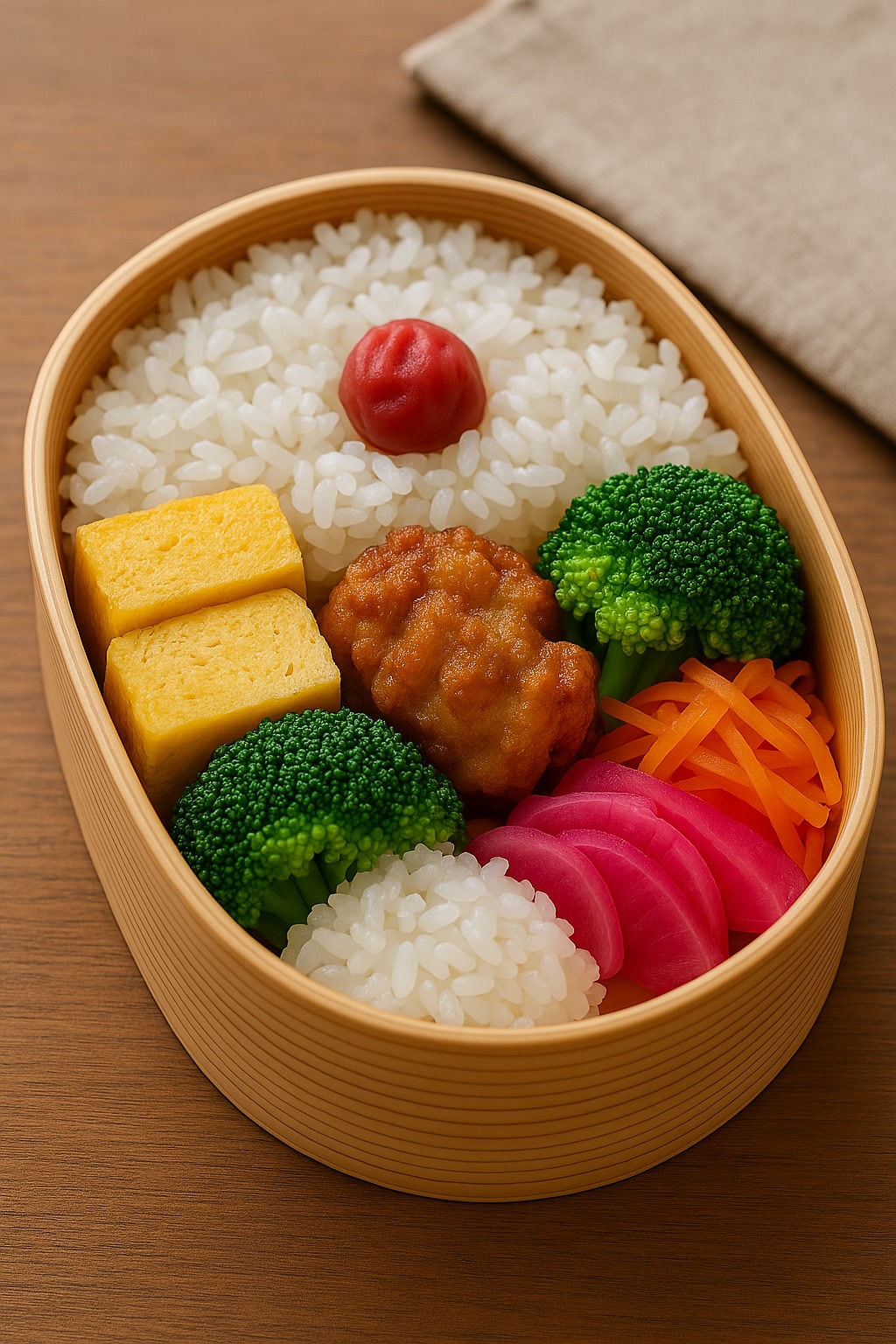
- Stacked in traditional lacquerware boxes
- Wrapped in specialized paper that keeps the nori crisp until eating
- Displayed with seasonal elements like maple leaves in autumn or sprigs of fresh herbs
Wabi-Sabi in Onigiri
Perhaps most importantly, onigiri embody the Japanese concept of wabi-sabi—finding beauty in imperfection. The slight irregularities of hand-formed onigiri tell the story of the hands that shaped them. Rather than striving for machine-like precision, traditional onigiri celebrate the human touch, making each one unique.
This aesthetic philosophy extends to the entire onigiri experience, honoring simplicity, natural materials, subtle flavors, and the beauty of food made with care rather than complexity.
Basic Onigiri Components
The Rice
- 2 cups Japanese short-grain rice (sushi rice or koshihikari)
- 2 cups water
- 1/2 teaspoon salt for mixing into cooked rice
- Additional salt for hands when shaping
Rice Cooking Steps:
- Rinse rice thoroughly in cold water until water runs clear
- Drain well (10-15 minutes)
- Combine rice and water in a rice cooker or pot
- If using a pot: bring to a boil, reduce heat, cover and simmer for 15 minutes, then let stand covered for 10 minutes
- Mix in 1/2 teaspoon salt while rice is still warm
- Allow to cool enough to handle, but use while still warm
Traditional Fillings
- Umeboshi (pickled plum)
- Salted salmon (shake)
- Tuna mixed with mayonnaise (ツナマヨ)
- Kombu (kelp)
- Tarako (salted cod roe)
- Mentaiko (spicy cod roe)
- Okaka (bonito flakes mixed with soy sauce)
For more filling ideas, check our article on onigiri fillings.
Wrapping
- Nori (seaweed sheets), cut into strips
- Ingredients can be fully wrapped or partially wrapped
Basic Onigiri Formation Technique
Triangle Shape Steps:
- Wet your hands with water and sprinkle with salt
- Take a handful of warm rice (about 1/2 cup)
- Create an indentation in the center with your thumb
- Place 1-2 teaspoons of your chosen filling in the indentation
- Close the rice around the filling
- Form into a triangle by pressing with your palms and fingers
- Apply gentle, even pressure to create firm onigiri that holds its shape
- Wrap partially with nori strip if desired
Round Shape Steps:
- Follow the same preparation as triangle shape
- Instead of forming angles, gently rotate the rice between your palms to create a smooth, round shape
- Press lightly to compact
Three Onigiri Variations to Try
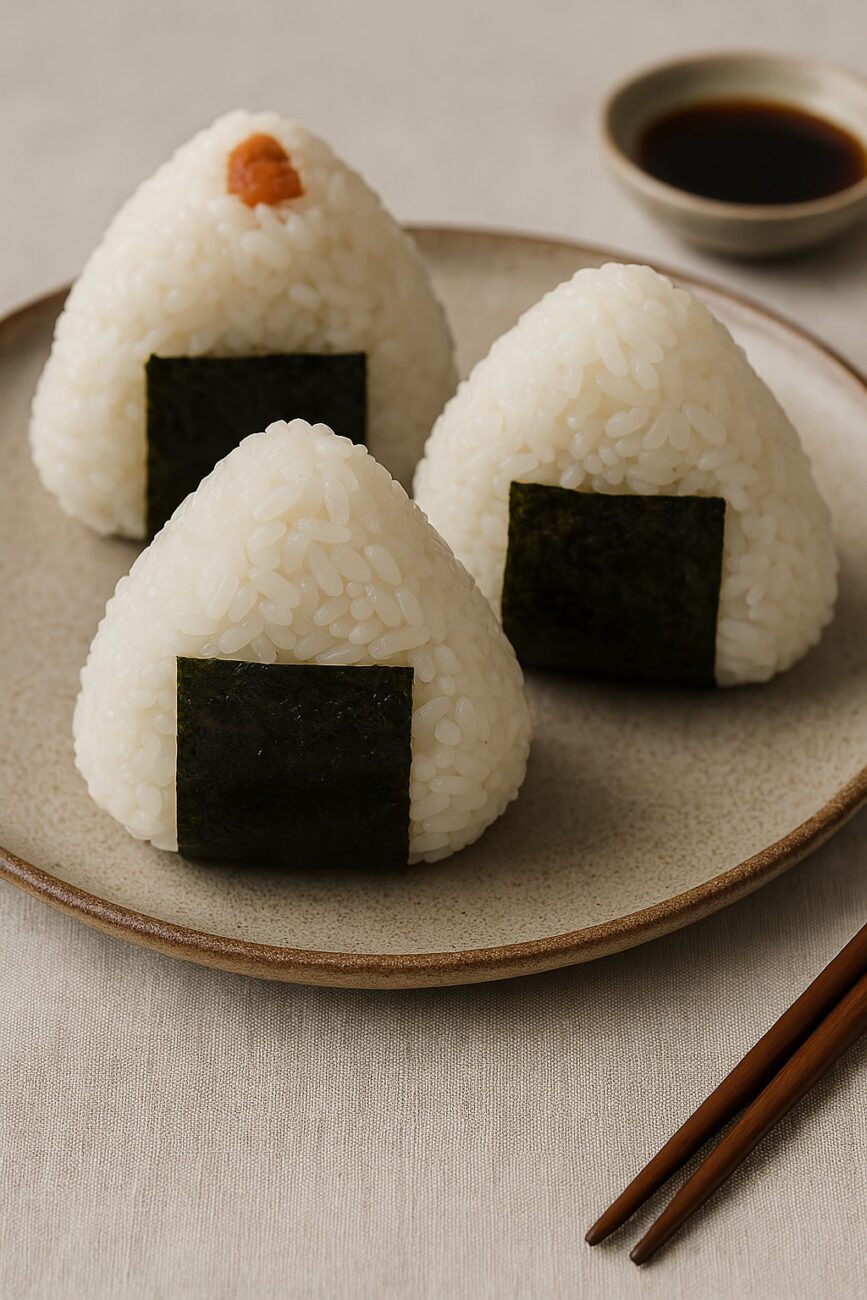
Classic Salmon Onigiri
Ingredients:
- 4 cups cooked Japanese rice
- 1 fillet salted salmon
- Nori sheets, cut into strips
- Salt for hands
Steps:
- Grill or broil salted salmon until fully cooked
- Remove skin and bones, then flake the fish
- Form onigiri with salmon flakes in the center
- Wrap with nori before serving
Tuna Mayo Onigiri
Ingredients:
- 4 cups cooked Japanese rice
- 1 can tuna, drained
- 3 tablespoons Japanese mayonnaise
- 1 teaspoon soy sauce
- Nori sheets, cut into strips
- Salt for hands
Steps:
- Mix tuna, mayonnaise, and soy sauce
- Form onigiri with the tuna mixture in the center
- Wrap with nori before serving
Yaki Onigiri (Grilled Rice Balls)
Ingredients:
- 4 cups cooked Japanese rice
- 2 tablespoons soy sauce
- 1 tablespoon mirin
- 1 teaspoon sugar
- Salt for hands
Steps:
- Form plain rice balls without filling
- Mix soy sauce, mirin, and sugar to make glaze
- Grill rice balls on each side until slightly crispy
- Brush with glaze during the last minute of grilling
- Serve hot
Modern Twists on Onigiri
Today’s onigiri have evolved beyond traditional flavors. Creative variations include:
- Korean-inspired kimchi and bulgogi fillings
- Western-inspired fillings like bacon and cheese
- Vegetarian options with avocado, cucumber, and umeboshi
- Onigirazu – sandwich-style onigiri with nori fully enclosing layers of rice and fillings
- Mixed rice onigiri (maze-gohan) where seasonings are mixed throughout the rice
Tips for Perfect Onigiri
- Use warm, freshly cooked rice for best shaping results
- Keep a bowl of water with salt dissolved in it nearby to wet your hands
- Don’t overfill the onigiri, as this can make them fall apart
- Use plastic wrap to help shape onigiri if you’re a beginner
- For best texture, consume within a few hours of making
- If packing for lunch, keep separate from other moist foods
Onigiri represent the beautiful simplicity of Japanese cuisine—humble ingredients transformed through care and technique into something both comforting and delicious.
Whether you stick to traditional fillings or experiment with global flavors, these rice balls offer endless creative possibilities while connecting you to centuries of Japanese culinary tradition.