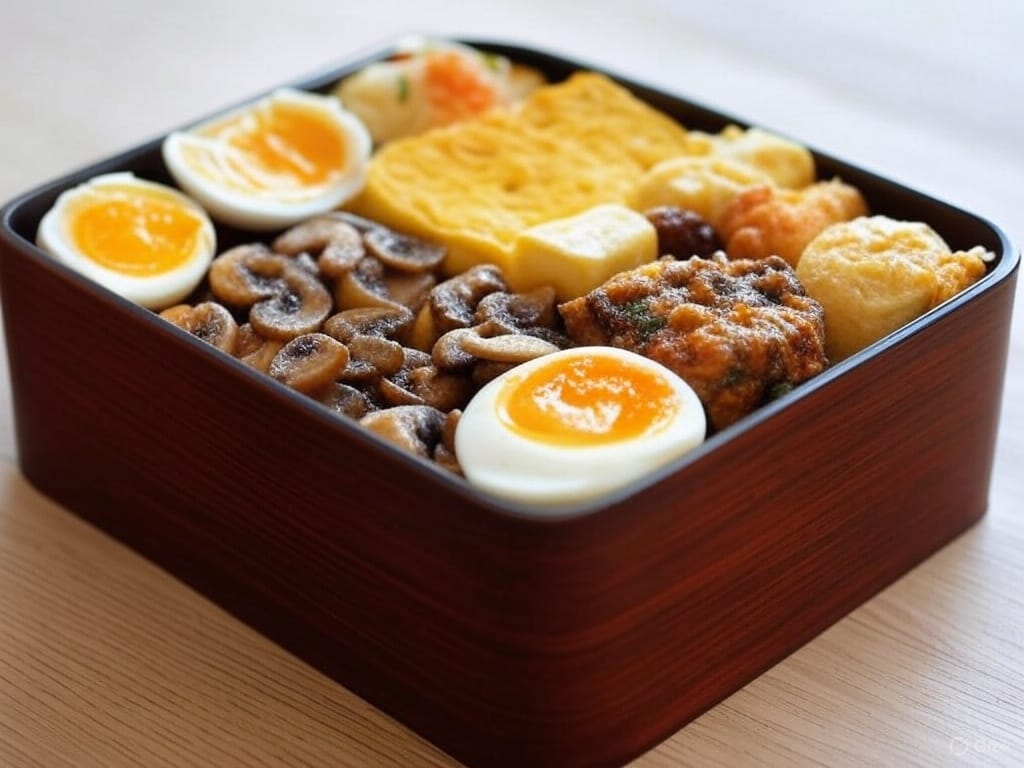
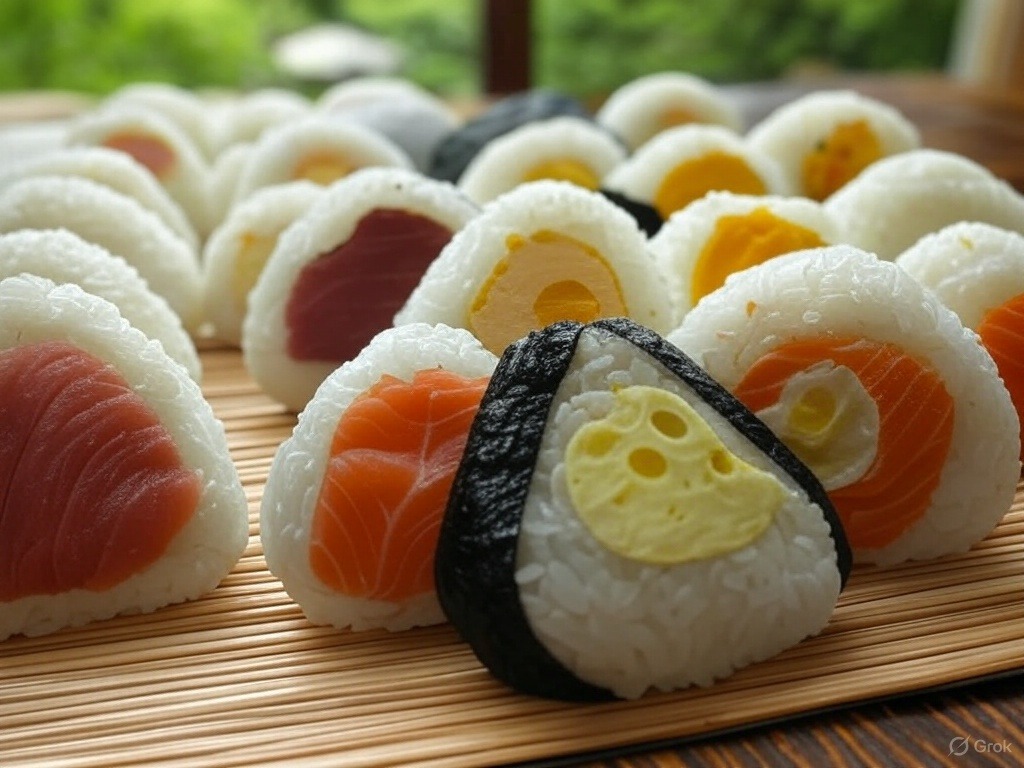
Bento boxes are much more than just packed lunches—they’re an edible art form that embodies Japanese cultural values of balance, presentation, and mindfulness.
These carefully arranged meal boxes have evolved from simple packed lunches to intricate culinary creations that delight both the eye and palate.
What Makes a Bento Special?
Japanese bento boxes typically feature a harmonious balance of components:
- Rice or other grain as the main carbohydrate
- Protein (fish, meat, eggs, or tofu)
- Vegetables (pickled, cooked, and fresh)
- Small side dishes or condiments
- Sometimes a sweet treat for dessert
The beauty of bento lies in its presentation—each component is arranged thoughtfully in compartments, creating a visually appealing meal that follows the Japanese concept of “eating with your eyes first.”
Types of Bento
Kyaraben (Character Bento): These playful bento boxes transform ordinary ingredients into cartoon characters, animals, or popular figures using food cutters, nori (seaweed), and colorful ingredients.
Makunouchi Bento: A traditional style featuring rice with an umeboshi (pickled plum), grilled fish, tamagoyaki (rolled omelet), and seasonal vegetables.
Ekiben: Sold at train stations across Japan, these regional specialty bentos showcase local cuisine, often in beautiful souvenir-worthy boxes.
Hinomaru Bento: A simple yet patriotic style featuring white rice with a single umeboshi in the center, resembling Japan’s flag.
Shōkadō Bento: An elegant lacquered box with refined dishes often served at high-end restaurants.
Creating Your Own Bento
Essential Components:
- Rice Base: Typically seasoned white rice, but brown rice or mixed grains work too
- Protein Options: Teriyaki chicken, salmon, karaage (fried chicken), tamagoyaki (Japanese omelet), or tofu
- Vegetable Sides: Blanched spinach with sesame, pickled vegetables, cucumber salad, or steamed broccoli
- Colorful Additions: Cherry tomatoes, colorful bell peppers, or orange slices for visual appeal
- Umami Elements: Pickled plums, furikake seasoning, or a small container of soy sauce
Preparation Tips:
- Cook components the night before and refrigerate
- Use food dividers or silicone cups to keep foods separate
- Consider food safety—cool hot foods completely before packing
- Pack tightly to prevent shifting during transport
- Add moisture-absorbing sheets under foods that might release liquid
Bento Culture and Etiquette
In Japan, a mother’s bento-making skills have traditionally been a point of pride, with many waking up early to prepare elaborate lunches for their children. While this cultural practice has evolved with modern lifestyles, the care put into bento preparation remains a way to show love and consideration.
Modern bento culture has expanded globally, with Instagram-worthy creations inspiring food enthusiasts worldwide. The bento philosophy of portion control, variety, and mindful eating has also influenced contemporary nutrition approaches.
Getting Started with Bento
You don’t need special equipment to begin—any container with compartments will do. Start simple and gradually incorporate more components and techniques as you become comfortable. The joy of bento is in the process as much as the result, embodying the Japanese concept of “kodawari”—the pursuit of perfection in even the smallest details.
Whether you’re packing lunch for yourself, your children, or simply exploring Japanese culinary traditions, the bento box offers a beautiful way to transform everyday meals into moments of mindfulness and artistic expression.