Sink into warmth and slow down.
Feel the gentle glow of history and hearth.
Let the kotatsu guide you to cozy comfort.
📜 A Glimpse into History
Back in the Muromachi period (1336–1573), Japanese homes were drafty and cold.
Families tucked coal braziers under low wooden tables, draping futons to trap warmth.
🔥 Irori vs. Kotatsu
The irori is a sunken hearth for cooking, light, and heat.
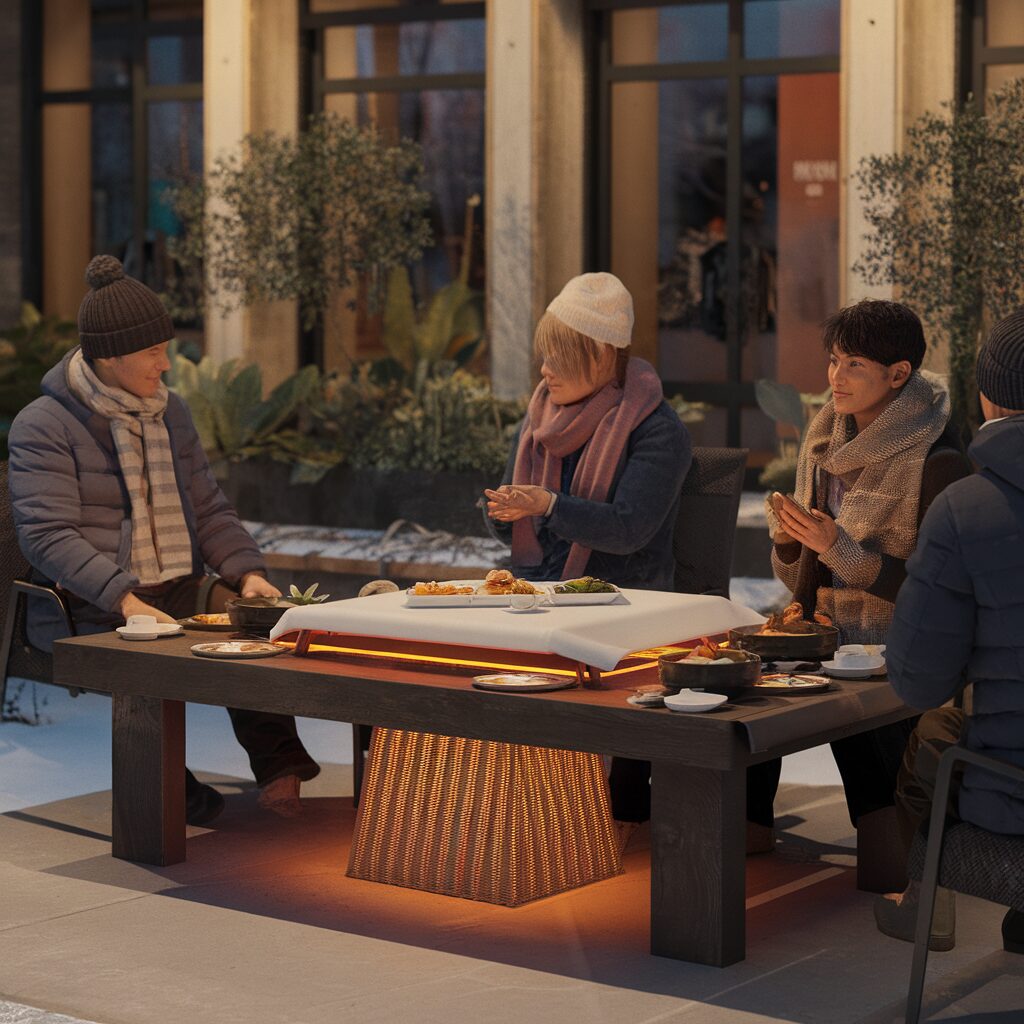
The kotatsu, by contrast, is a low table with a blanket and heater—made for snug relaxation.
🌱 From Hearth to Modern Home
Charcoal gave way to electric heaters for safety and ease.
Today’s kotatsu come in sleek frames, adjustable temps, and foldable designs.
💡 Customizing Your Cozy Corner
Pick a soft blanket in soothing hues—think moss greens or muted terracottas.
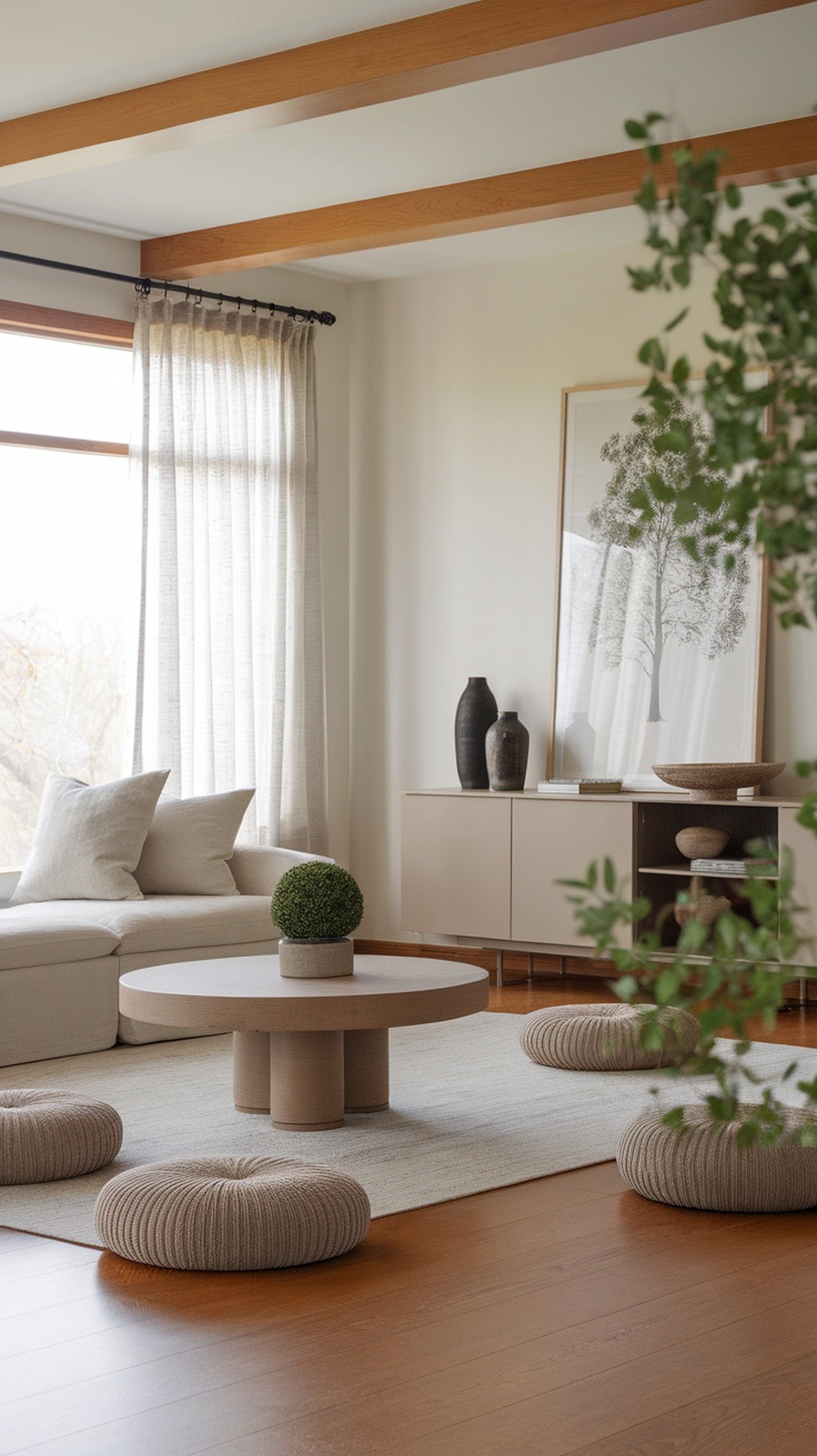
Frame your kotatsu with a neutral rug, floor cushions, or a simple zaisu chair.
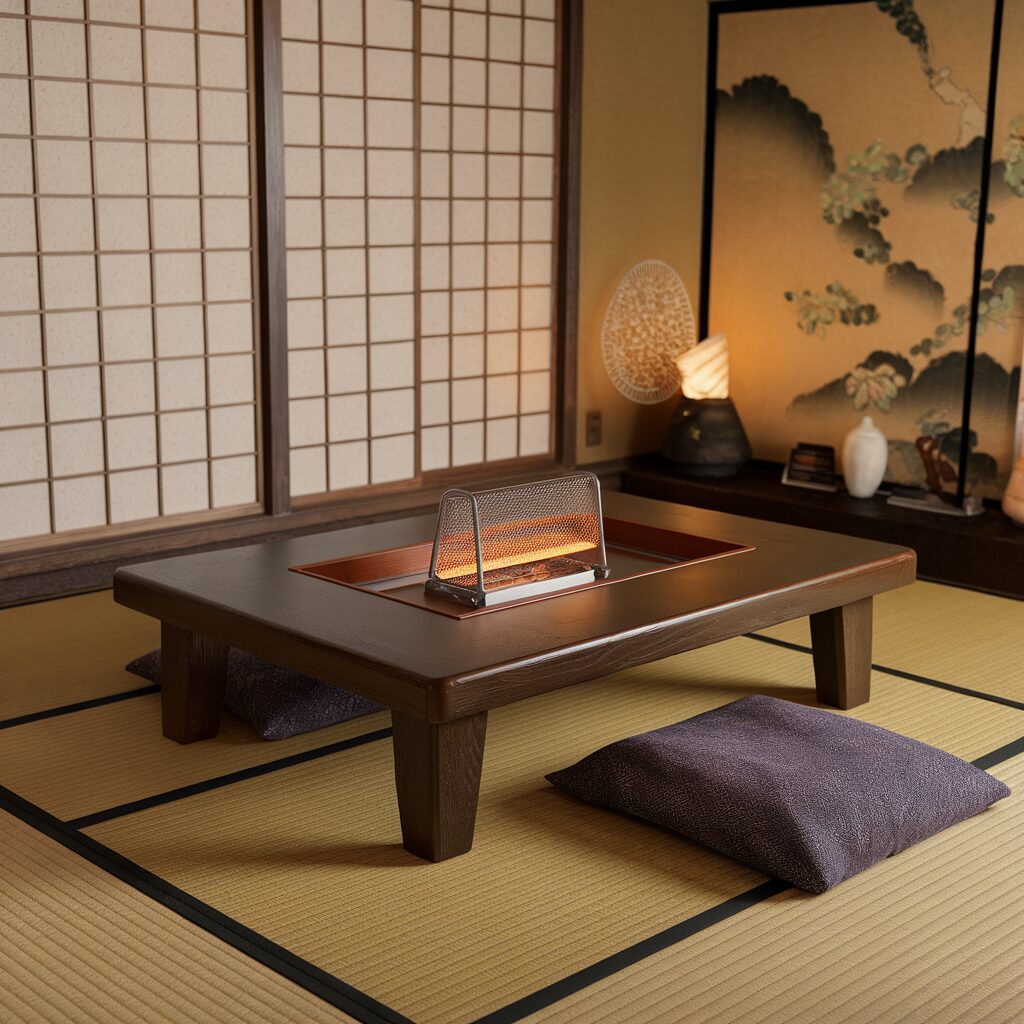
🛌 Sleeping Under the Kotatsu?
Its warmth can lull you to sleep—but beware bumping into the heater.
Curl up safely, or stick to your bed to avoid stray cords or heat damage to tatami mats.
⚡ Efficiency & Electricity
A kotatsu only heats the space you occupy, keeping bills low.
Compared to whole-home heating, it’s an eco-friendly hug for your legs.
🐱 Feline-Friendly Warmth
Cats adore the kotatsu’s cozy cocoon.
Just ensure blankets aren’t too heavy and cords stay out of playful paws.
☕ Personal Rituals & Tips
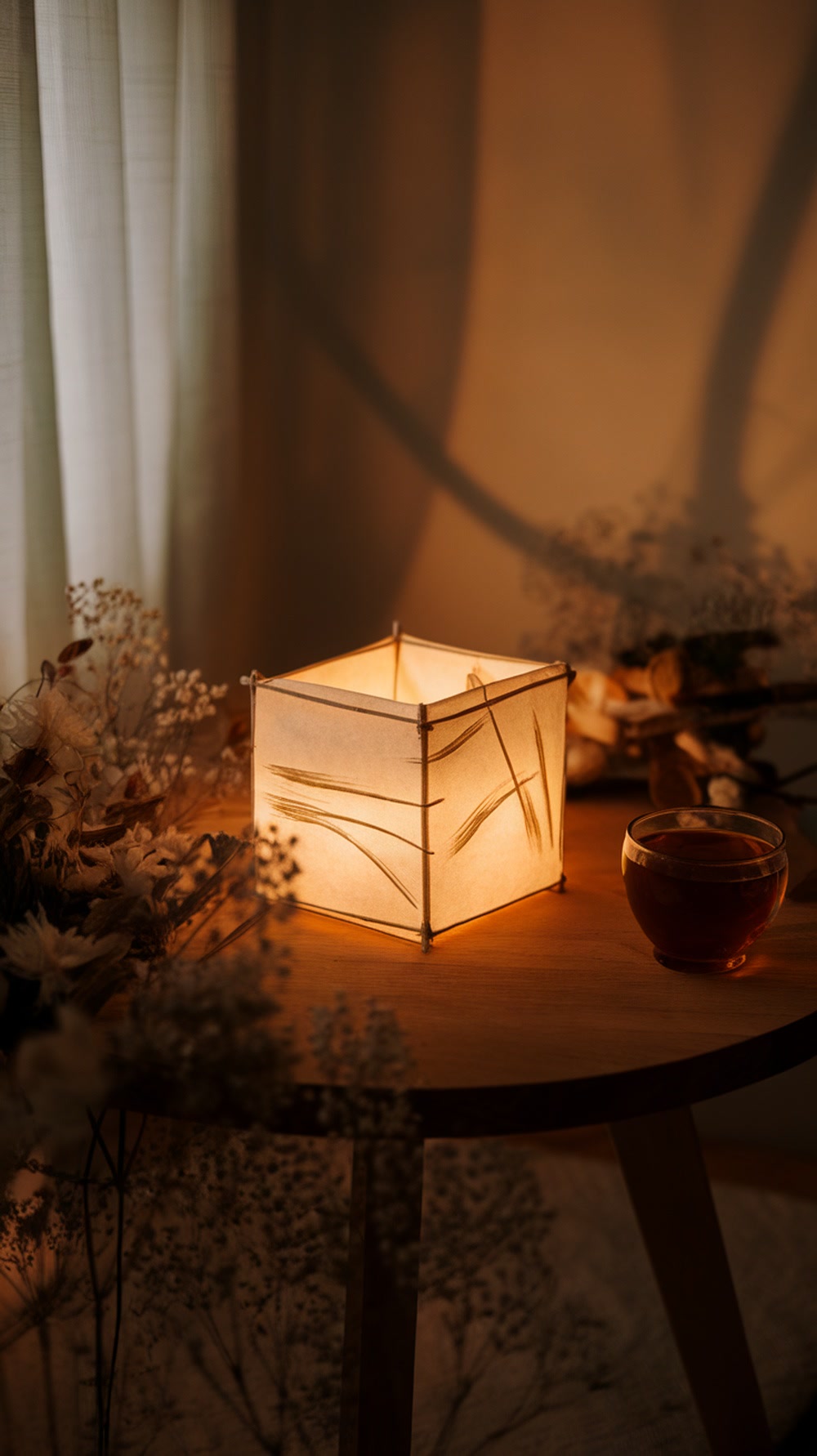
Dim the lights, light a candle, and steep your favorite tea.
Stretch now and then, and unplug when you’re not beneath its glow.
Let the kotatsu cradle you—and each chilly moment becomes an invitation to slow down and savor simple warmth.