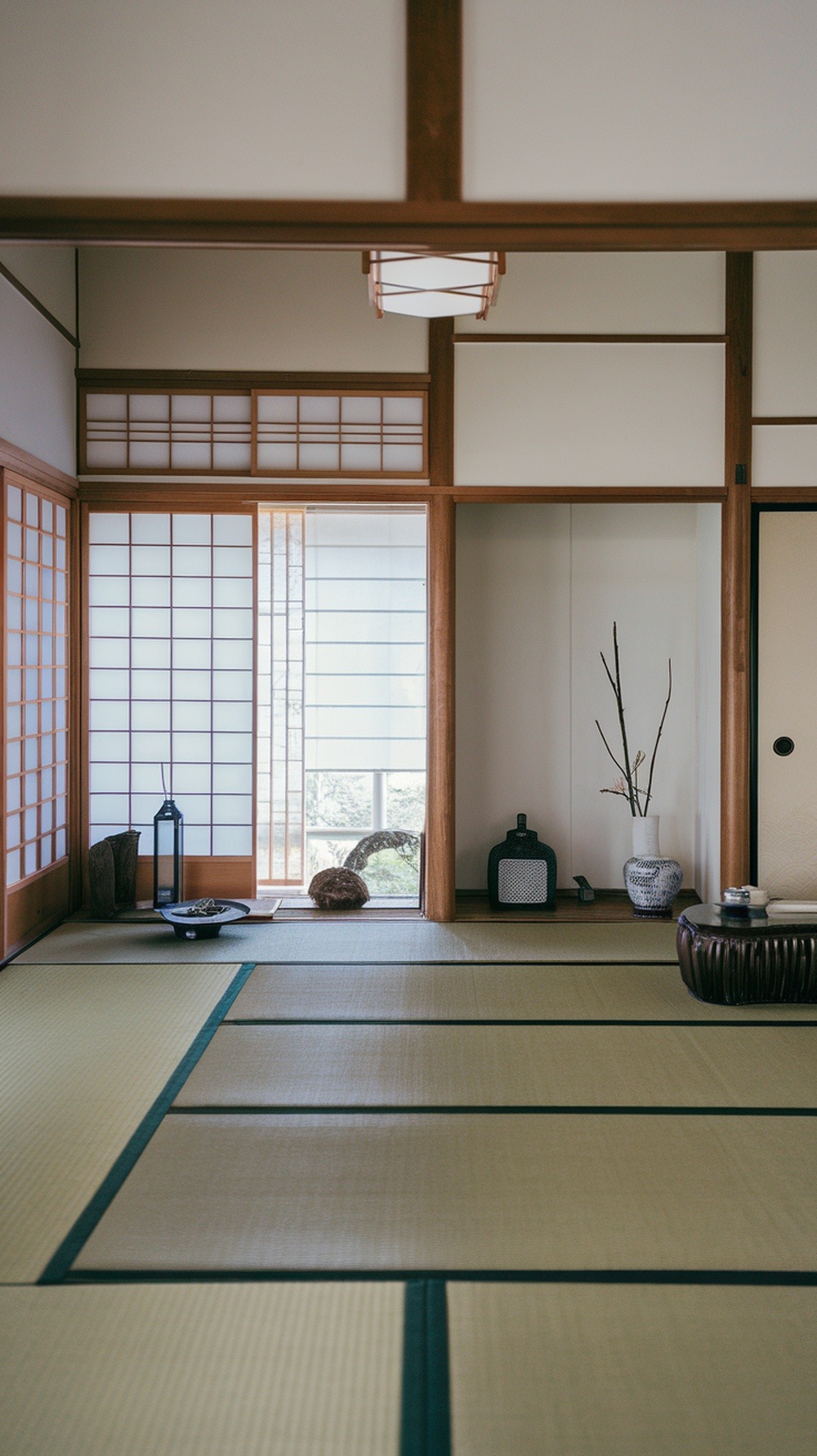
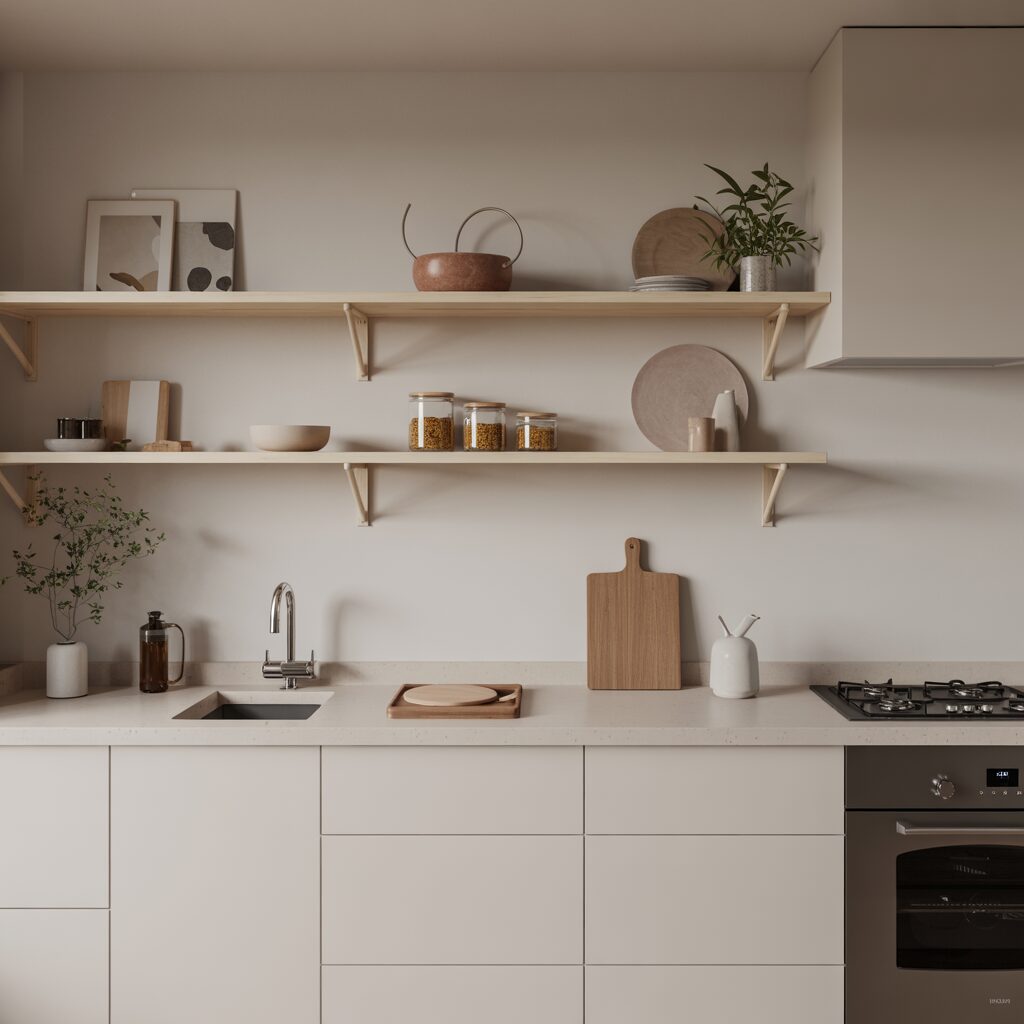
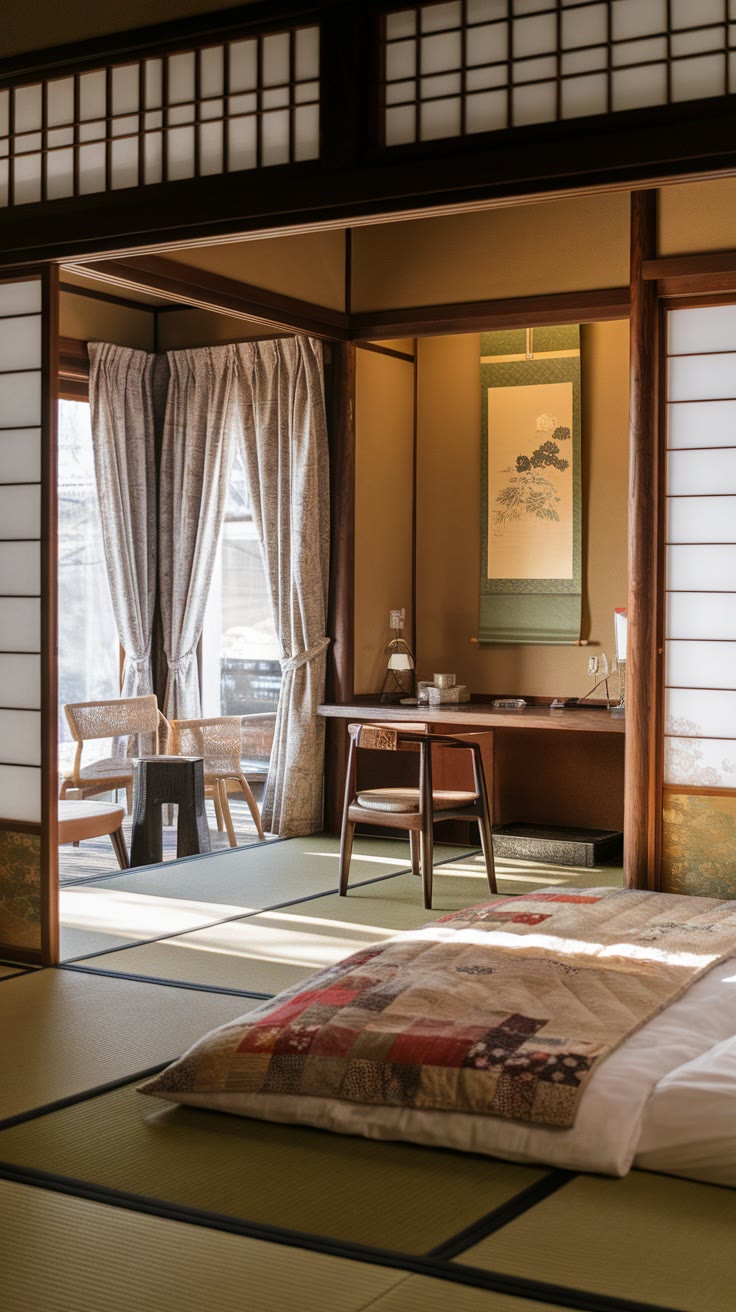
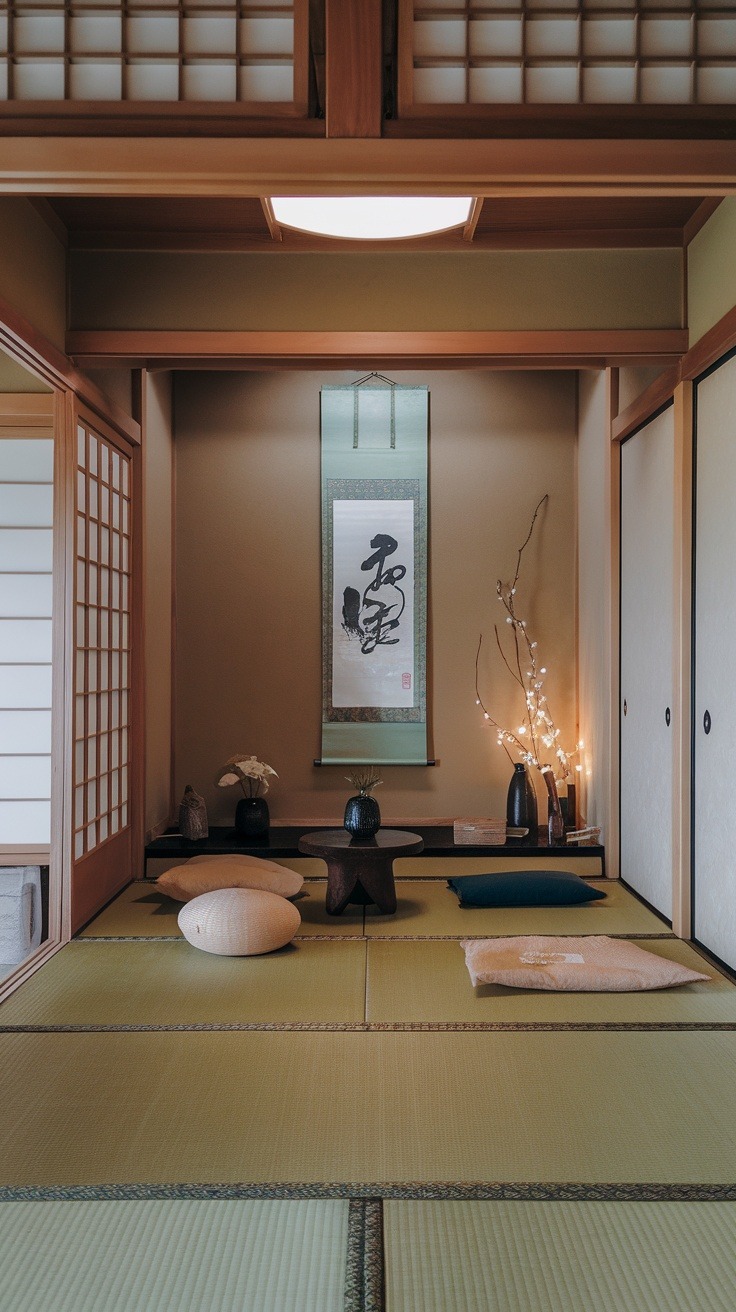
Feeling overwhelmed by clutter but unsure which tidying method fits your lifestyle best?
Two beloved Japanese approaches — KonMari and Ōsōji — offer peaceful yet powerful ways to reset your space. One is gentle and joy-focused. The other, bold and ritualistic.
Let’s explore how they differ — and how you can blend both for a home that feels truly alive.
Here are 7 key secrets to help you choose (or combine) them wisely:
✨ 1. Intent: Joy vs Renewal
KonMari invites you to ask: Does this spark joy? It’s about surrounding yourself with things that make your heart feel light.
Ōsōji, which means “big cleaning,” is less about joy and more about cleansing energy. It’s rooted in Japanese New Year traditions — clearing dust, mental fog, and stale vibes.
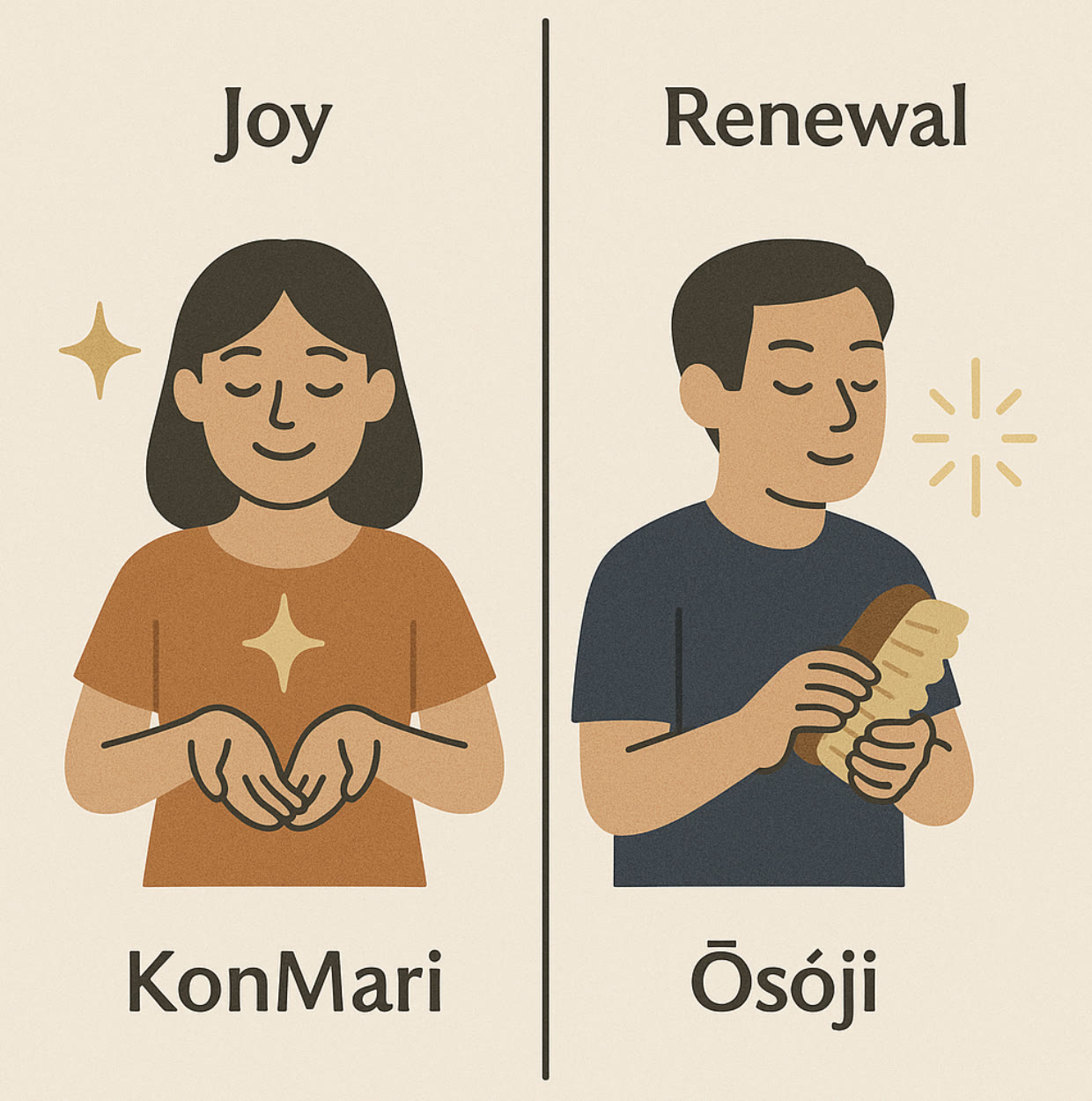
Try this: Use KonMari for sentimental sorting. Turn to Ōsōji when you’re craving a fresh start.
📦 2. Timing: Once-in-a-lifetime vs Annual Ritual
KonMari is designed as a one-time transformation. Tidy once, then maintain.
Ōsōji is seasonal. Traditionally done at the end of the year (like spiritual spring cleaning), but many now practice it seasonally.
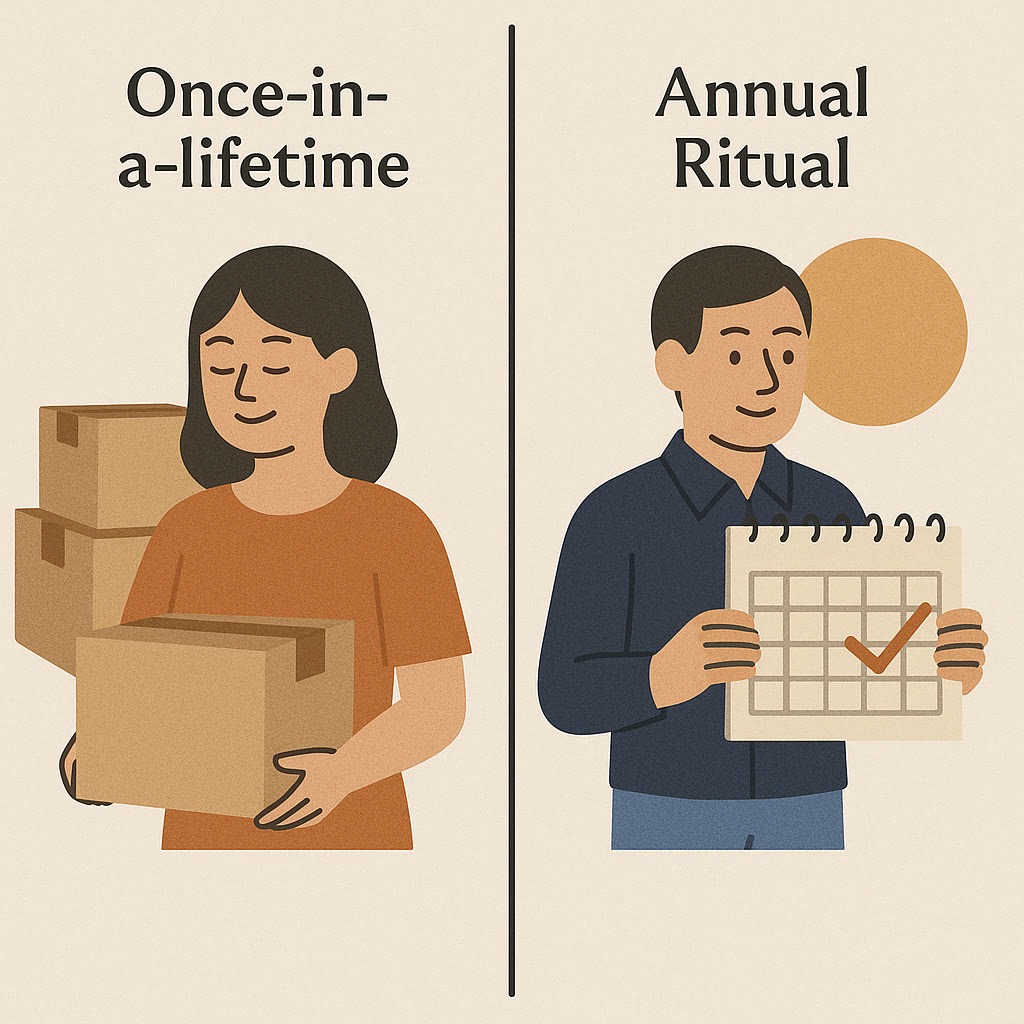
Mindset shift: KonMari brings order. Ōsōji brings rhythm.
🧤 3. Method: Gentle Spark vs Deep Scrub
KonMari feels like a personal ceremony. You greet your home, thank your clothes, and sort by category.
Ōsōji is a physical reset. Think gloves on, windows open, scrubbing corners, moving furniture.

Tip: When your space needs a mood shift and a deep clean — do both! Sort with KonMari, then clean with Ōsōji energy.
📚 4. What You Tidy: Belongings vs Entire Environment
KonMari is about your belongings — clothes, books, papers, etc.
Ōsōji includes everything: walls, floors, vents, light fixtures. Even your digital clutter or emotional buildup.
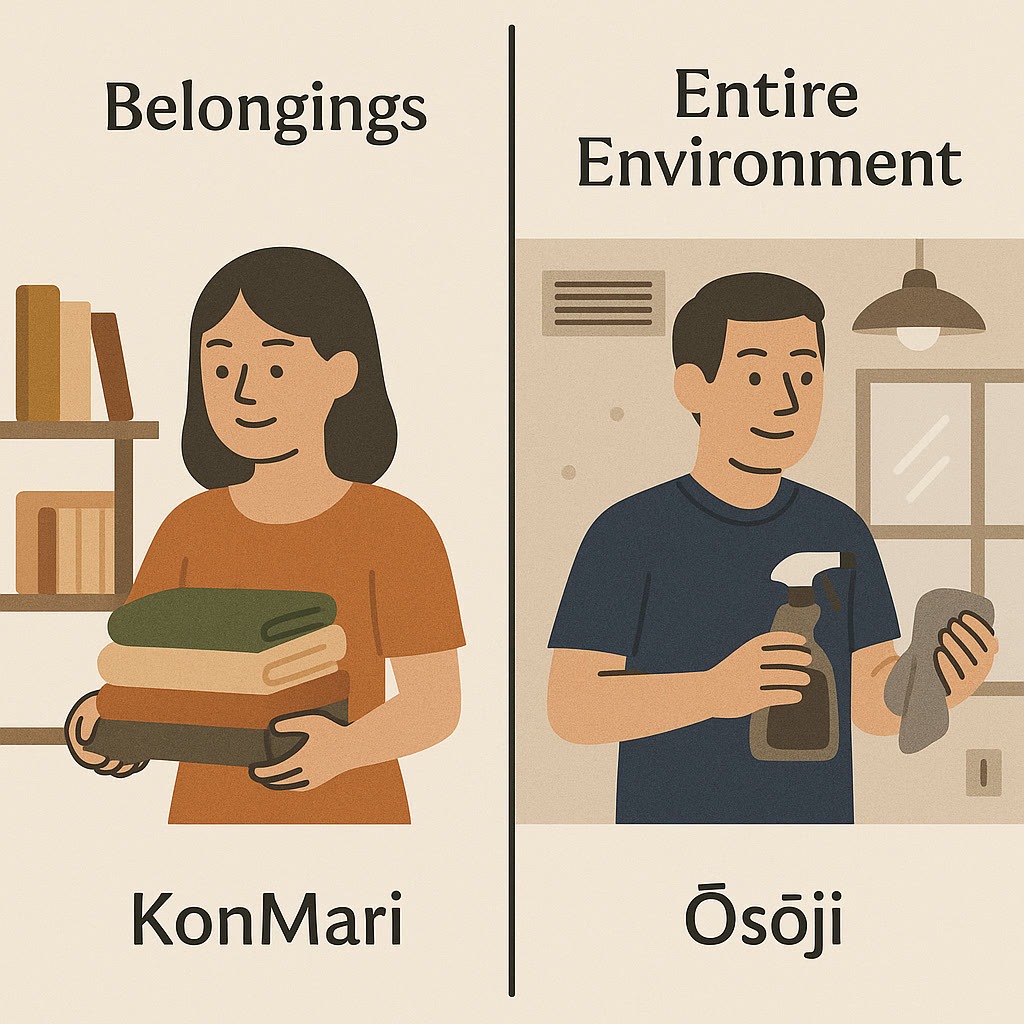
Idea: After KonMari-ing your stuff, Ōsōji your space. It’s like giving your home a soul shower.
🧘 5. Emotional Focus: Gratitude vs Purification
KonMari gently teaches you to thank your items and let them go.
Ōsōji is a release — of the year’s dust, regrets, and heaviness.
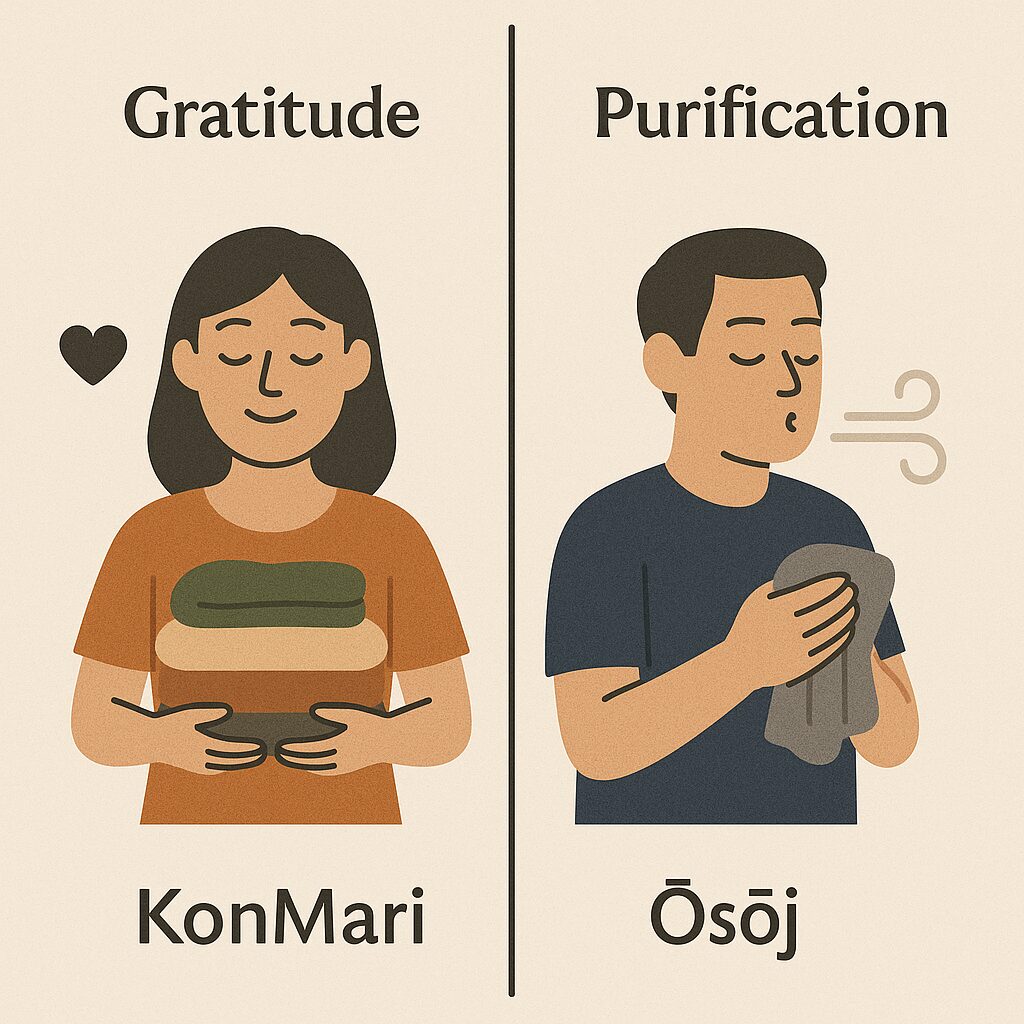
Try this ritual: While cleaning, reflect on the past season. Breathe in new intention. Exhale the old.
🧺 6. Family Involvement: Solo Practice vs Group Effort
KonMari often starts solo. It’s your relationship with your things.
Ōsōji is traditionally a family affair. Everyone pitches in. It becomes a bonding ritual — kids included.
Sweet idea: Set a family cleaning day with music, snacks, and shared intention.
🪞 7. The Result: A Joyful Life vs A Clear Start
KonMari gives you a home filled with what you love.
Ōsōji gives you a space cleared of what no longer serves.
Both create lightness — one through connection, the other through release.
Try this blend: KonMari in the spring to rediscover joy. Ōsōji in winter to renew.
Tidying doesn’t have to be cold or rigid. It can be a ritual of care — for yourself, your space, your spirit.
Choose what fits. Mix what feels right.
Let your home reflect who you’re becoming.