A kaiseki meal is a traditional multi-course Japanese dinner known for its elegance, seasonality, and artistry.
It’s less about getting full and more about experiencing harmony — between the ingredients, presentation, and even the tableware.
Here’s a gentle dive into what makes a kaiseki meal so special 🍵
🌿 Rooted in Nature
Kaiseki cuisine celebrates the seasons.
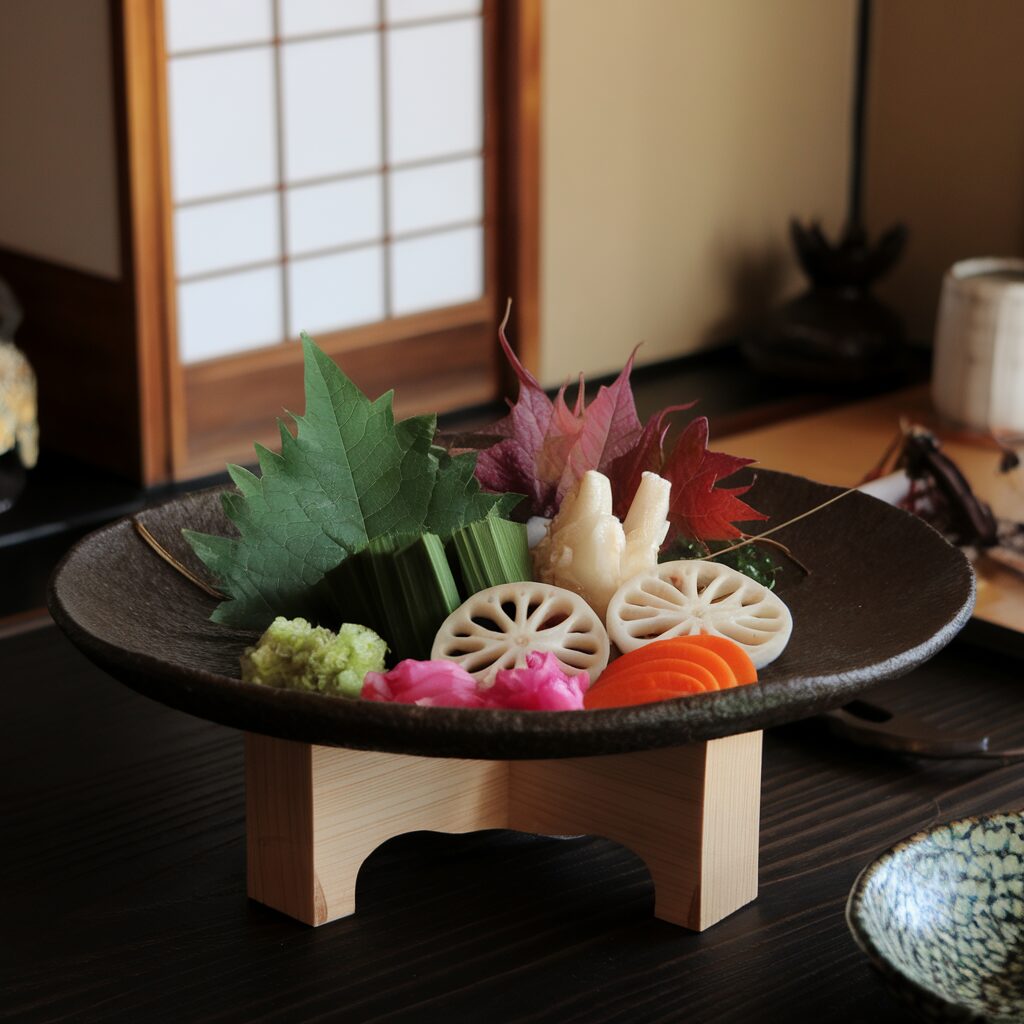
Each ingredient is chosen for its freshness and ties to nature — cherry blossoms in spring, bamboo shoots in early summer, mushrooms in autumn.
The chef creates a story of the current season through taste, color, and texture.
🍚 Course by Course
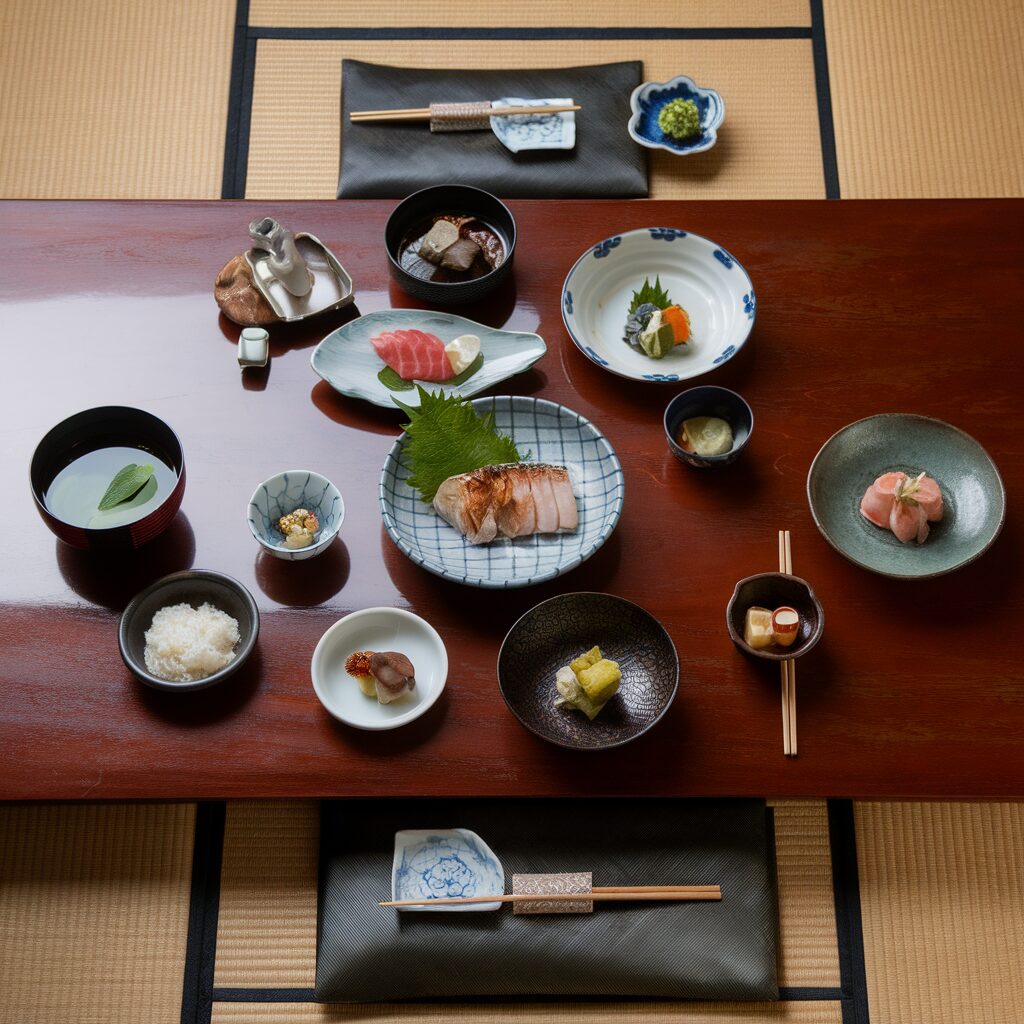
A typical kaiseki meal includes 8–12 small, beautifully prepared dishes.
You might enjoy:
- A clear soup (suimono)
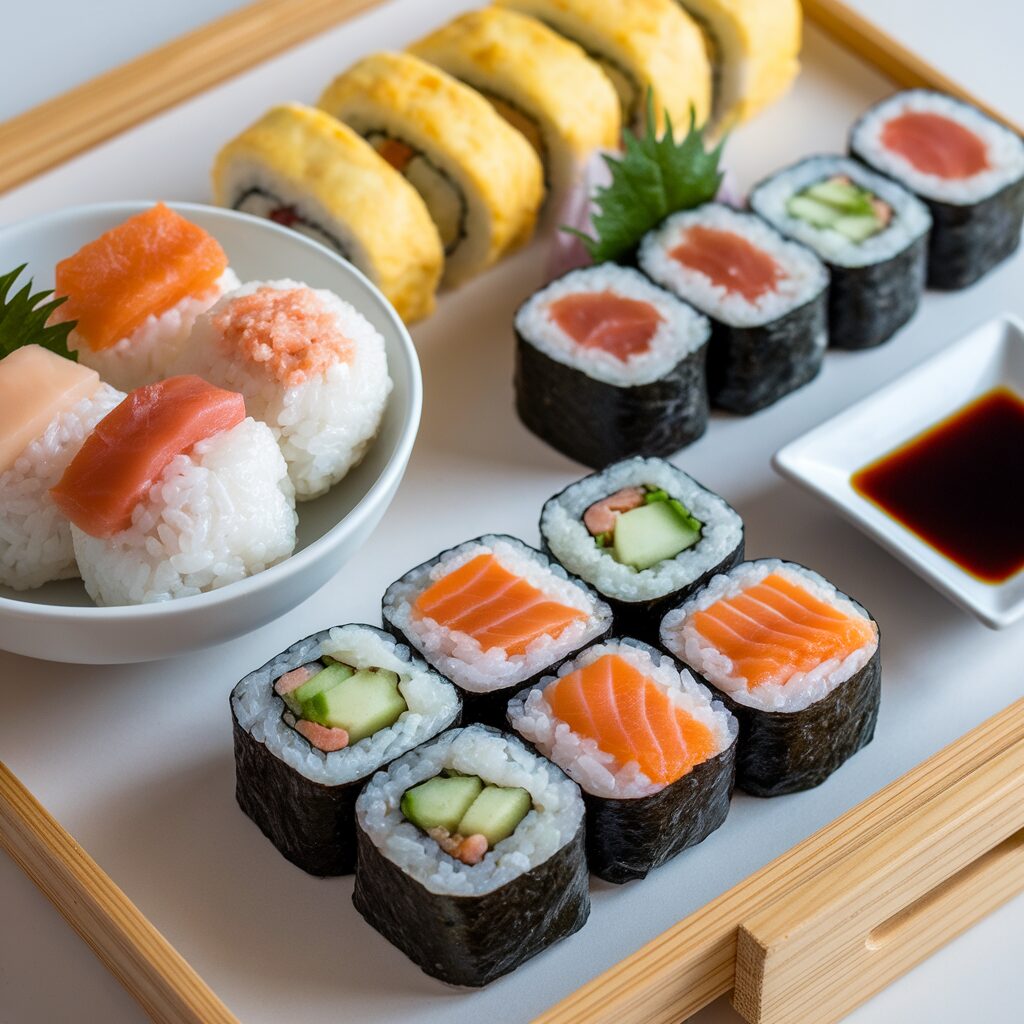
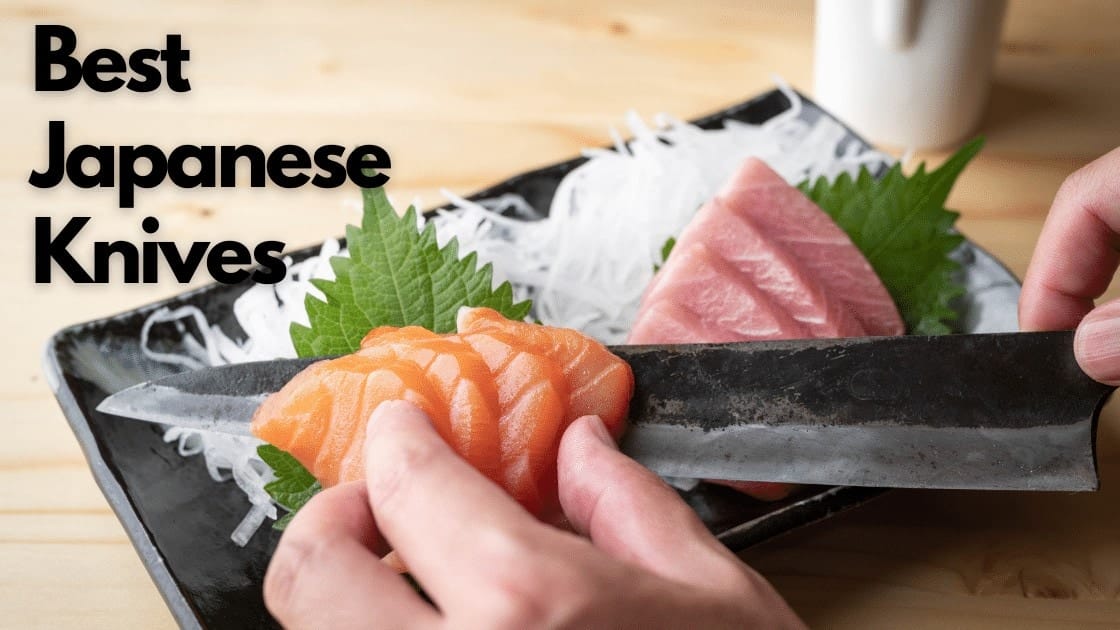
- Sashimi (otsukuri)
- Grilled fish (yakimono)
- Seasonal simmered vegetables (nimono)
- Rice and pickles (gohan and tsukemono)
- A delicate dessert (mizumono)
Each course builds gently on the next — never too rich or overpowering.
🍶 Thoughtful Pairings
Drinks like green tea or sake are chosen to balance flavors, not steal the spotlight.
The goal is calm enjoyment, not indulgence.
🎨 A Visual Poem
Presentation is everything in kaiseki.
Food is plated like artwork — on handcrafted dishes that match the mood of the meal. A bright summer plate might come on blue porcelain; a winter dish may arrive in lacquerware like polished wood.
Every detail invites you to slow down.
🏡 Where to Experience It
You’ll often find kaiseki served in:
- Ryokan (traditional Japanese inns)
- Specialty restaurants with tatami mats and low tables
- Temple lodgings (for a vegetarian version called shojin ryori)
If you’re traveling to Japan, Kyoto is known as the heart of kaiseki dining.
🧘♀️ A Meal to Be Present
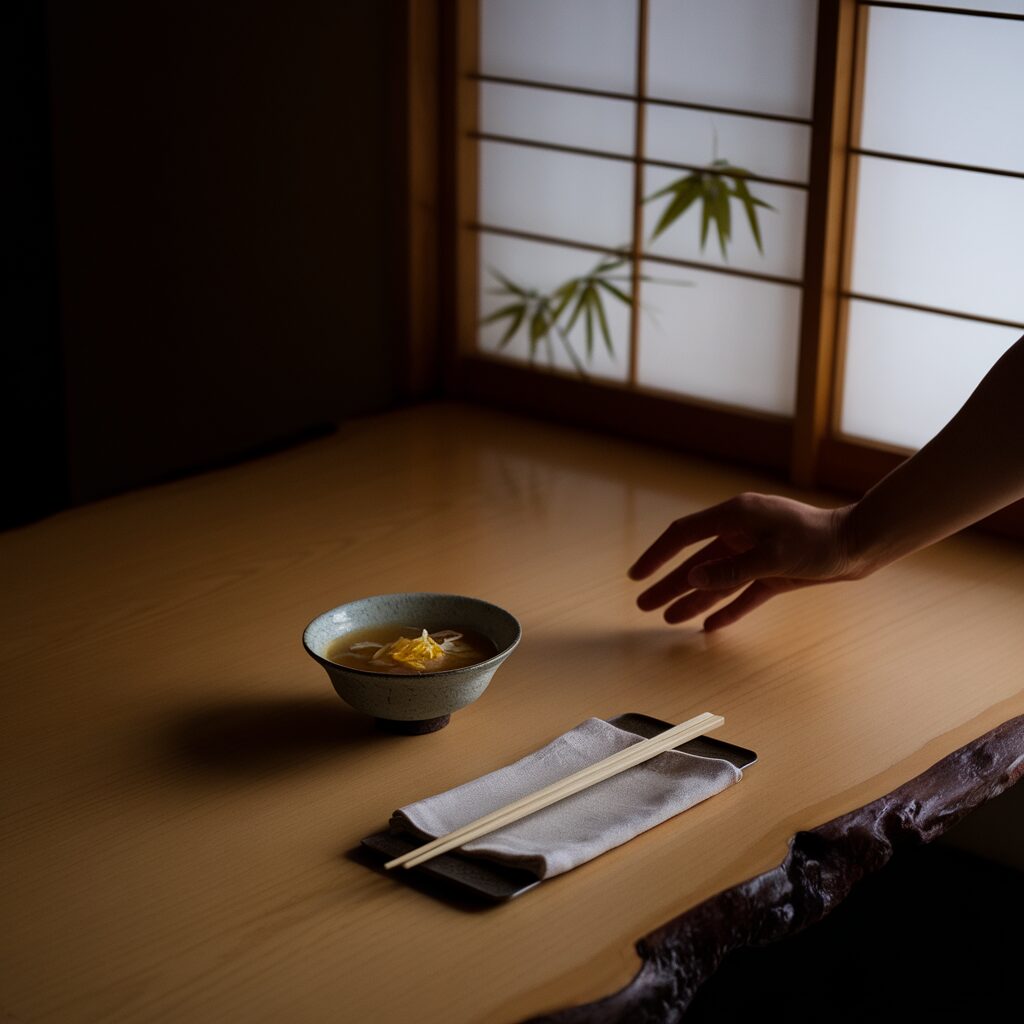
Kaiseki isn’t fast food. It’s an invitation to pause.
Each bite is meant to be savored — like a walk through a peaceful garden.
You notice the warmth of the miso, the hint of citrus, the silence between courses.
💌 Final Thought
A kaiseki meal is less about fullness and more about presence.
It reminds us how beautiful simple things can be — when done with care.
Whether you’re dining in Japan or simply recreating the spirit at home, let it be a ritual of mindfulness and joy.