Japanese culture offers far more than aesthetic minimalism—it presents a complete philosophy of intentional living that transforms ordinary moments into meaningful rituals. These time-honored practices stem from a deep reverence for balance, mindfulness, and the quiet beauty found in everyday actions.
This collection presents 27 Japanese habits that invite calm and purpose into your daily routine, from the meditative practice of shinrin-yoku to the gratitude ritual of itadakimasu. You’ll learn not just to adopt new behaviors, but truly to cultivate a more centered, harmonious way of being.
Morning Window Opening for Fresh Energy
Japanese homes practice asa no kankisen, the ritual of opening windows each morning to replace stale indoor air. This simple habit takes just two minutes but refreshes your entire living space.
The practice removes overnight carbon dioxide buildup and brings in oxygen-rich air. Many people report feeling more alert and energized after this daily reset.
Shinrin-Yoku Forest Bathing Walks
This Japanese practice encourages you to spend mindful time among trees, breathing deeply and absorbing the natural atmosphere. Walking slowly through forests reduces stress hormones and lowers blood pressure naturally.
You don’t need special equipment or hiking skills. Simply find a wooded area and spend twenty minutes observing the surroundings with all your senses engaged.

Itadakimasu Gratitude Before Meals
Before eating, Japanese people say itadakimasu to express gratitude for the meal. This phrase acknowledges everyone who contributed to the food, from farmers to cooks.
The practice creates a mindful pause before eating. You simply place your hands together and bow slightly while saying the word.
The Hara Hachi Bu Eating Philosophy
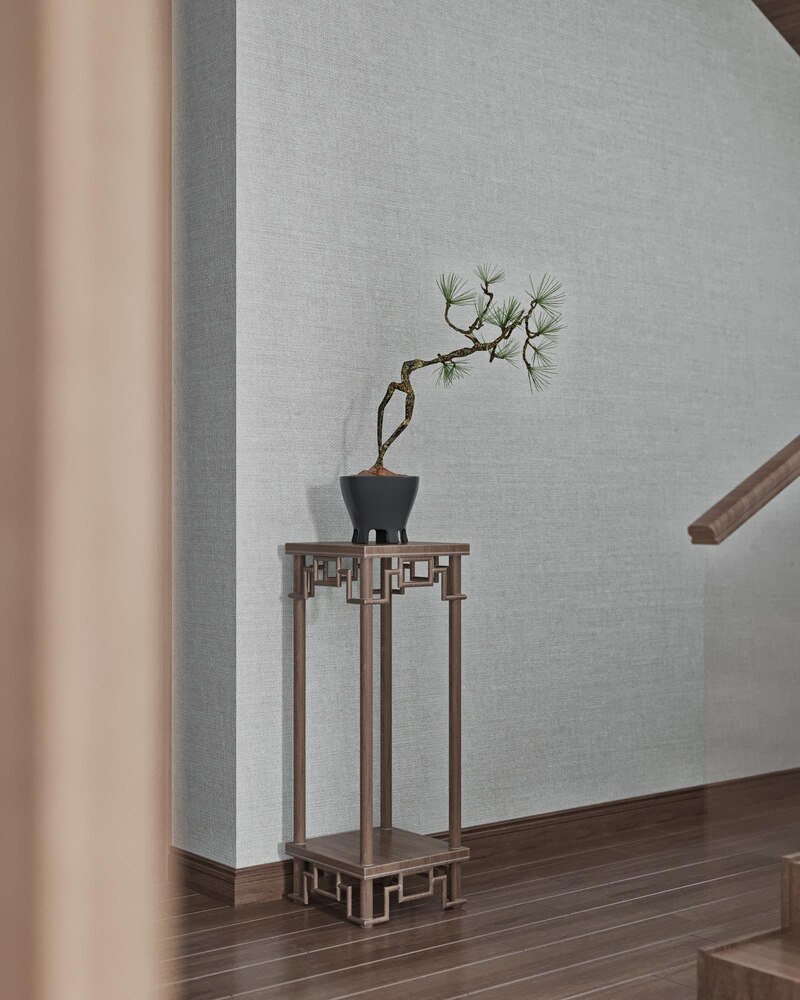
This Japanese practice encourages you to stop eating when you feel 80 percent full. The phrase translates to “eat until eight parts full” and helps prevent overeating.
You eat slowly and pay attention to your body’s signals. This mindful approach supports better digestion and maintains a healthy weight naturally.
Ofuro Evening Bath Ritual
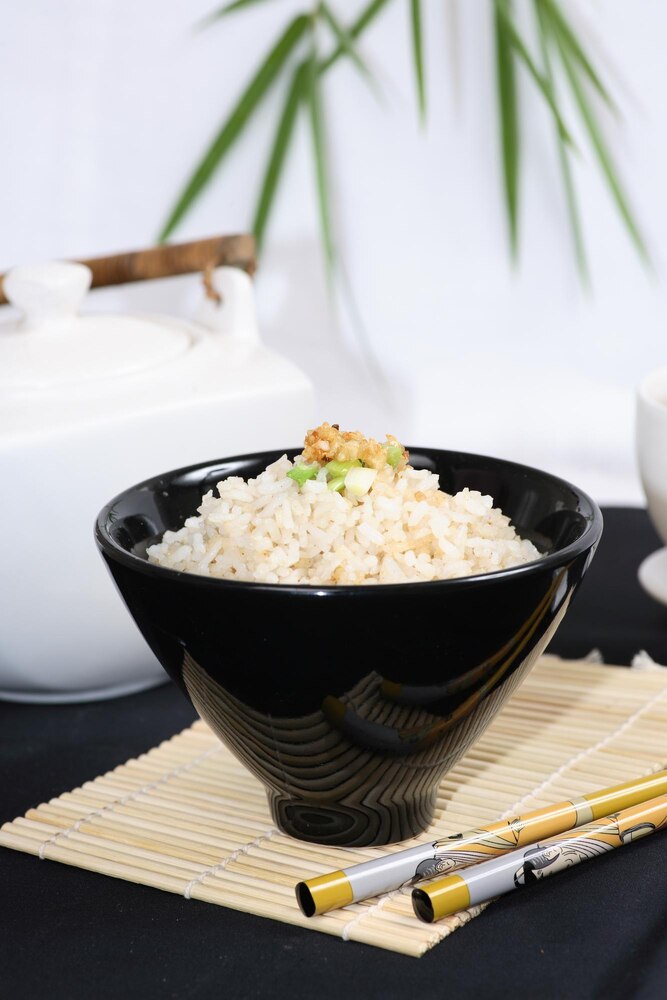
The ofuro is a deep soaking tub where Japanese families relax each evening after cleansing outside the bath. The water stays hot and clean because you wash thoroughly before entering.
This ritual promotes better sleep and reduces stress. Set aside twenty minutes each night for your own calming soak.
Omotenashi Wholehearted Hospitality Mindset
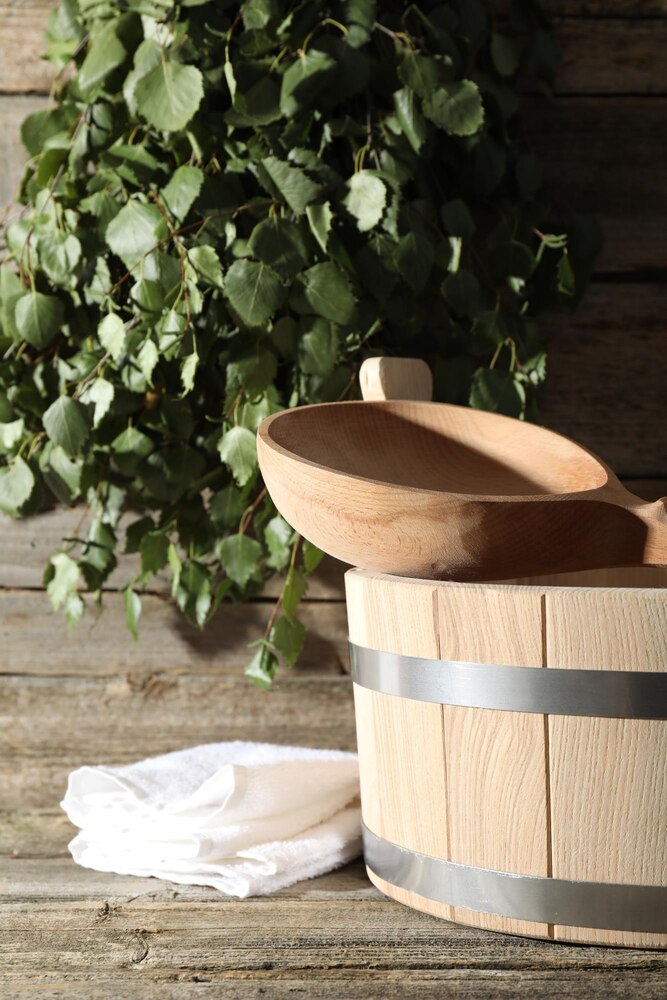
Omotenashi means anticipating needs before guests ask. You offer tea when someone arrives and prepare slippers at the door.
This hospitality extends beyond your home. You help strangers with directions and hold elevator doors without expecting thanks.
The practice teaches you to notice small ways to make others comfortable.
Osoji Deep Cleaning Ceremonies
Japanese homes undergo osoji, a thorough year-end cleaning ritual that refreshes every corner before the new year begins. Families scrub floors, windows, and overlooked spaces together, symbolizing a fresh start.
This practice turns cleaning into a meaningful ceremony rather than a mundane chore, creating a sense of renewal and accomplishment.
Ikigai Purpose-Driven Living Framework
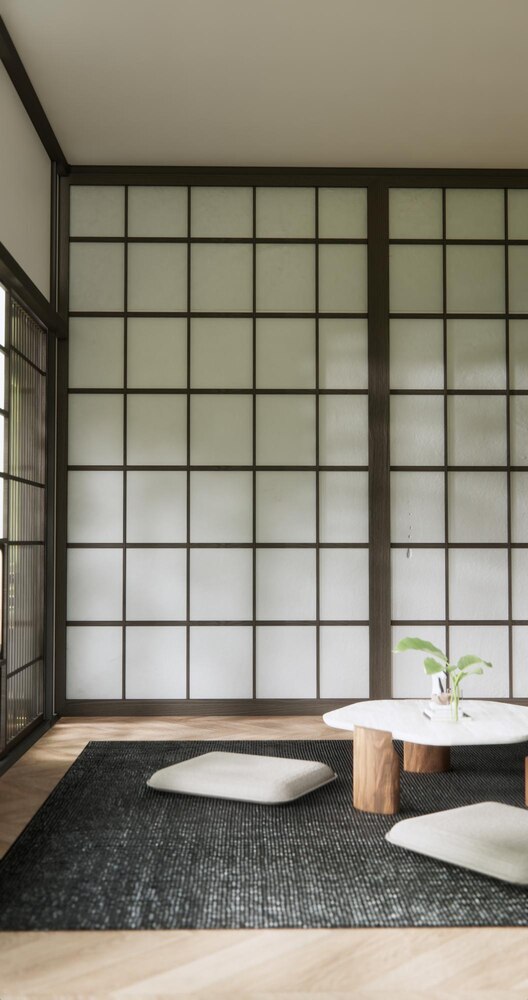
Ikigai combines what you love, what you’re good at, what the world needs, and what you can be paid for. This Japanese concept helps you find meaningful direction in daily life.
Write down activities that fit each category, then look for overlaps. Your purpose sits at the intersection of these four elements.
Wabi-Sabi Imperfection Appreciation
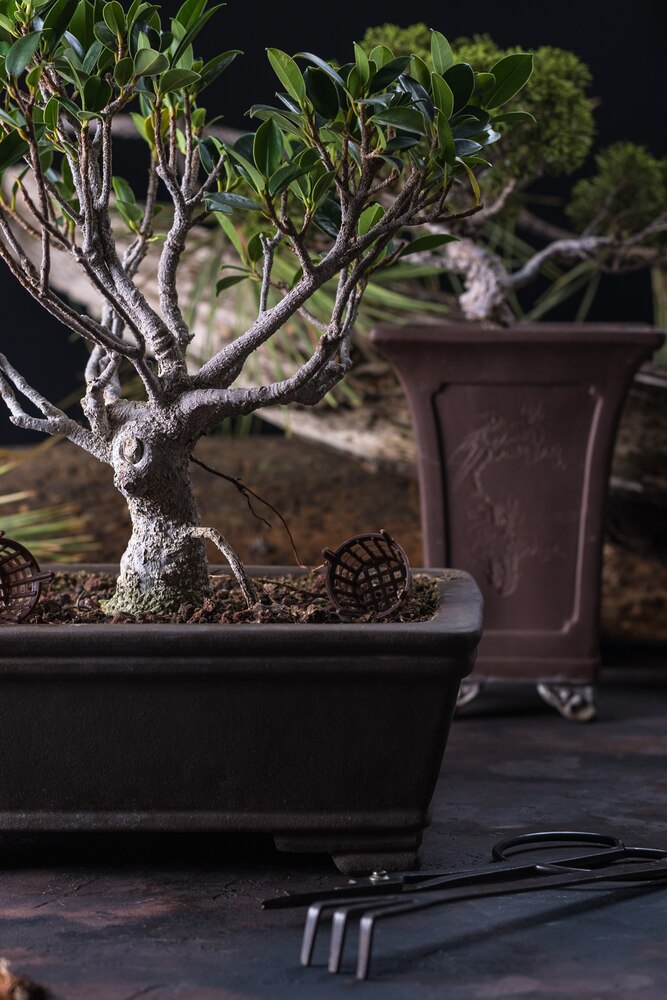
This Japanese philosophy finds beauty in worn objects and natural flaws. A cracked ceramic bowl or weathered wooden table tells a story worth celebrating.
Wabi-sabi teaches you to value authenticity over perfection. Embrace the chips, scratches, and aging that make your belongings unique instead of replacing them.
Kintsugi Approach to Personal Growth
Kintsugi repairs broken pottery with gold lacquer, highlighting cracks rather than hiding them. Apply this philosophy when you make mistakes or face setbacks in life.
Treat your flaws and failures as beautiful markers of growth. Each challenge you overcome adds character and strength, making you more resilient than before.
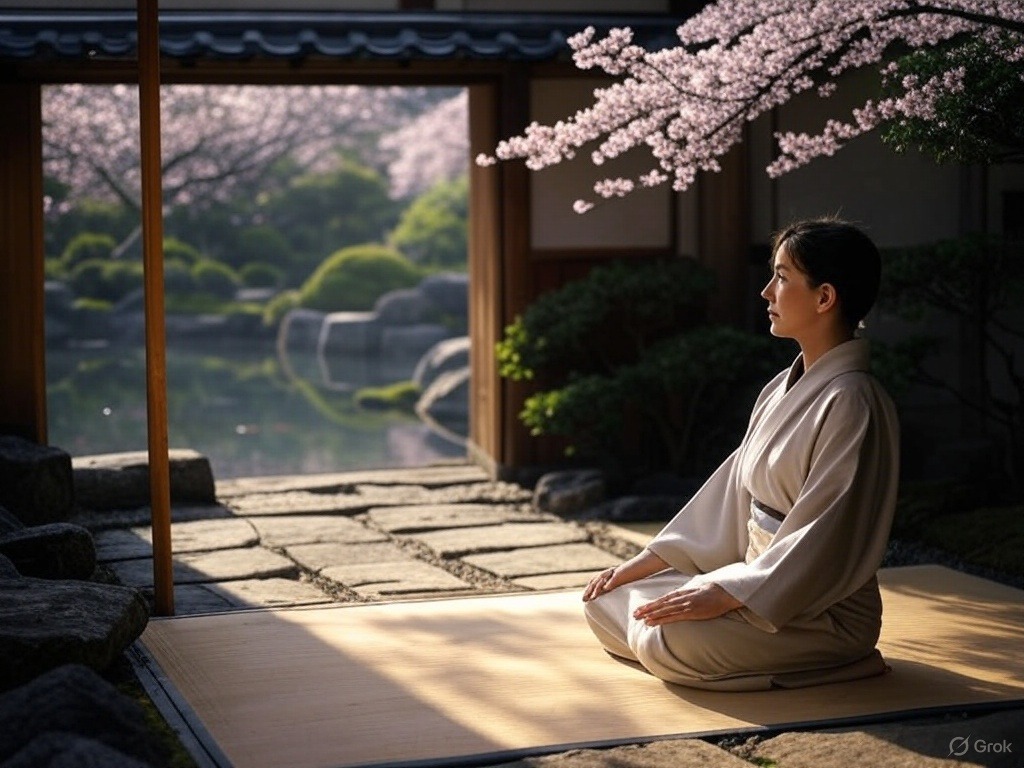
Zazen Seated Meditation Practice
Zazen is a traditional Zen Buddhist meditation where you sit on a cushion with crossed legs and focus on your breathing. This practice helps calm your mind and brings mental clarity through stillness.
Start with just five minutes daily, gradually increasing as you become more comfortable with the quiet concentration this meditation requires.
Omiyage Thoughtful Gift-Giving Tradition
Omiyage represents the Japanese practice of bringing back gifts when you travel. These souvenirs show appreciation for colleagues, friends, and family who supported your absence.
Choose regional specialties or locally wrapped treats that represent your destination. The gesture matters more than the price, strengthening social bonds through thoughtful consideration.
Gaman Dignified Perseverance
Gaman teaches you to face challenges with quiet strength and patience. This practice means enduring difficult situations without complaint, showing grace under pressure.
You build emotional resilience by accepting temporary discomfort. Japanese culture values this composed approach to hardship, believing it develops character and inner strength over time.
The Kaizen Continuous Improvement Method
Kaizen means making small, daily improvements instead of waiting for big changes. You might organize one drawer today or learn five new words tomorrow.
This Japanese philosophy turns overwhelming goals into manageable steps. The focus stays on consistent progress rather than perfection, making personal growth feel natural and sustainable.
Mottainai Anti-Waste Consciousness
Mottainai captures the regret of waste and encourages using items fully. This mindset means repairing torn clothing, saving food scraps for broth, and finding new purposes for old containers.
The practice reduces environmental impact while teaching gratitude for resources. Japanese households often keep items longer and buy less, focusing on quality over quantity.
Oubaitori Self-Comparison Release
Oubaitori represents the Japanese principle that each person blooms in their own time, just like different flowers in spring. This practice encourages you to stop measuring yourself against others and instead track your own progress.
Focus on comparing who you are today with who you were yesterday, celebrating personal growth without external pressure.
Shoshin Beginner’s Mind Perspective
Shoshin means approaching situations with fresh eyes, just like a beginner would. This Japanese mindset helps you stay curious and open to learning new things.
Drop your assumptions when trying activities or meeting people. Notice details you might have missed before. This beginner’s perspective keeps life interesting and helps you grow continuously.
Hansei Reflective Self-Examination
Hansei is a Japanese practice of thoughtful self-reflection that happens at day’s end. You review your actions honestly, acknowledge mistakes without harsh judgment, and consider how to improve tomorrow.
This daily habit builds self-awareness and personal growth. Spend five quiet minutes each evening examining what went well and what needs adjustment moving forward.
Nemawashi Collaborative Decision-Making
Nemawashi means laying the groundwork before formal meetings happen. You talk with colleagues individually to gather input and build consensus ahead of time.
This approach prevents surprises during official discussions. Everyone feels heard, and decisions move forward smoothly because you’ve already addressed concerns privately.
Ichigo Ichie Once-in-a-Lifetime Moments
This Japanese philosophy teaches you to treasure each moment as something that will never happen again. When you meet a friend for coffee or watch the sunset, you recognize that exact experience is unique.
The concept encourages full presence and gratitude, helping you appreciate ordinary moments as special and unrepeatable.
Morning Radio Taiso Exercises
Radio Taiso broadcasts across Japan every morning at 6:30 AM, featuring simple calisthenics that anyone can follow. These three-minute exercise routines combine stretches, arm circles, and gentle movements designed for all ages.
Many Japanese people practice these exercises at home, in parks, or at their workplaces to start the day energized and focused.
Furoshiki Cloth Wrapping Technique
This traditional Japanese wrapping method transforms a simple square cloth into beautiful, reusable gift wrap. The technique uses precise folds and knots to secure items of any shape without tape or scissors.
Furoshiki reduces waste while creating an elegant presentation. You can wrap bottles, books, or boxes with the same versatile cloth, making it both practical and sustainable.
Seasonal Awareness Through Shun Foods
Japanese cuisine celebrates shun, the practice of eating foods at their seasonal peak. Spring brings bamboo shoots and sakura-themed treats, while summer offers fresh cucumbers and tomatoes.
Fall highlights mushrooms and chestnuts, and winter features root vegetables and citrus. This habit connects you to nature’s rhythm while enjoying ingredients at their most flavorful and nutritious.
Genkan Entryway Transition Ritual
The genkan is a recessed entryway where Japanese families remove their shoes before stepping up into the home. This physical boundary creates a mental shift between outside chaos and indoor calm.
Adopting this transition ritual helps you leave stress at the door and protects your floors from dirt and debris naturally.
Oshibori Hot Towel Refreshment
Japanese restaurants offer oshibori, a steaming hot towel before meals. This small gesture cleanses your hands and refreshes your senses after travel or a long day.
You can recreate this ritual at home by warming damp washcloths in the microwave for thirty seconds. The warmth provides instant relaxation and signals a mindful transition into mealtime.
Yugen Profound Grace Awareness
Yugen teaches you to notice the subtle beauty that words can’t capture. You pause to watch light filter through trees or observe shadows shift across a room.
This Japanese concept values mysterious depth over obvious displays. You find meaning in quiet moments that stir something deeper within you, creating awareness beyond surface appearances.
Nightly Gratitude Journaling Practice
Japanese culture encourages ending each day by writing down three things you feel grateful for. This simple practice takes just five minutes before bed.
The act of reflecting on positive moments helps shift your mindset and promotes better sleep. Many people use a dedicated notebook to track their daily gratitude entries.