Origins and History of Japanese Food

Japanese food history starts in the Jōmon period (14000-400 BCE). The earliest Japanese people were hunter-gatherers who ate fish, wild plants, and game meat.
Rice became central to Japanese cuisine when farmers started growing it around 400 BCE. This marked a big change from hunting to farming food.
Buddhist influences in the 6th century brought new eating habits. Many Japanese people stopped eating meat and focused more on vegetables, rice, and fish.
In the 7th and 8th centuries, China heavily shaped Japanese cooking. I can trace many cooking methods and ingredients like soy sauce back to Chinese influence during this time.
The samurai era (1185-1603) created simple, balanced meals. Warriors needed practical food that gave them energy for battle. This helped form the basic structure of meals we see today.
Key early ingredients:
- Rice
- Fish
- Seaweed
- Soybeans
- Wild vegetables
By the 1600s, Japanese cooking had formed its own unique style. Cooks focused on natural flavors, seasonal ingredients, and beautiful presentation. These ideas remain important in modern Japanese food.
The Edo period (1603-1867) saw the rise of famous dishes like sushi and tempura. Street food culture grew in cities, and regional cooking styles developed across Japan.
Key Components of Japanese Cuisine
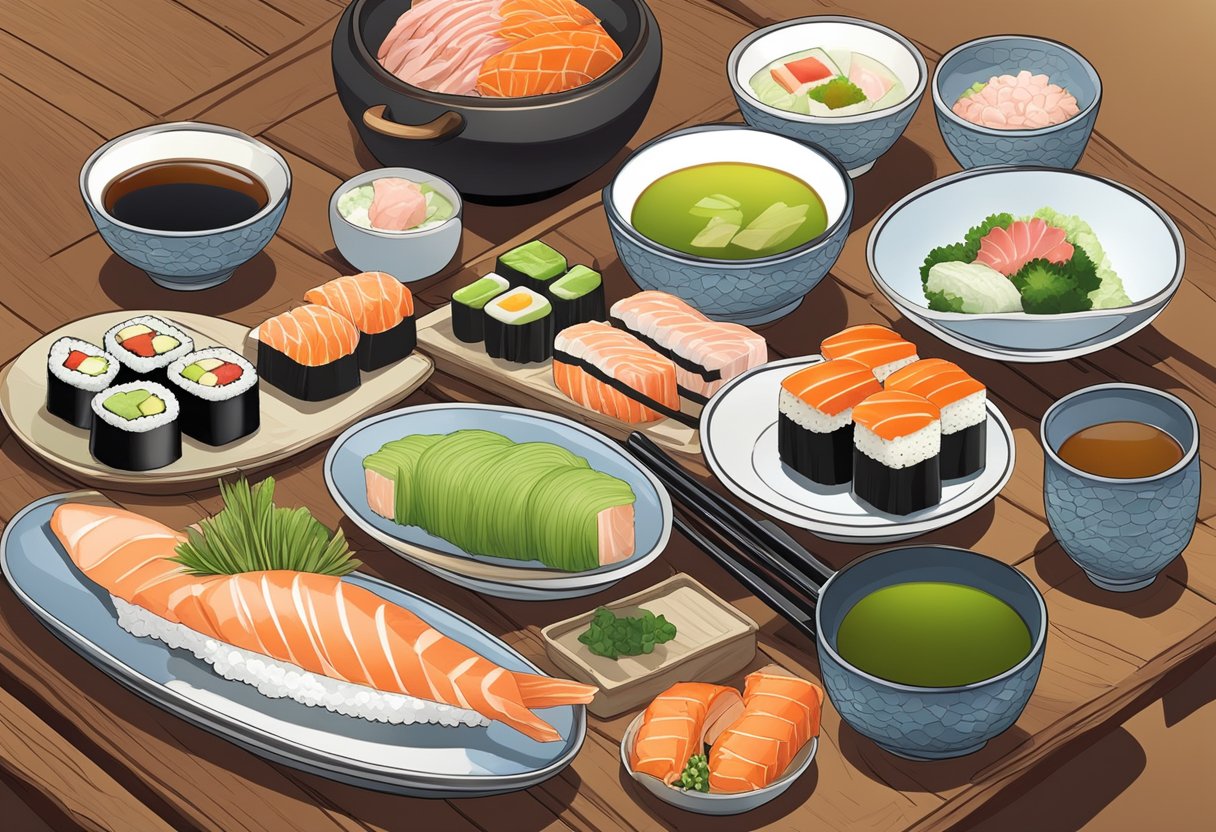
Japanese cooking relies on essential ingredients that form the foundation of most traditional dishes. These core elements bring distinct flavors, textures, and nutritional value to the cuisine.
Rice in Japanese Cooking
Rice serves as the cornerstone of Japanese meals. White rice, or hakumai, appears at almost every meal.
Japanese short-grain rice has a sticky texture that makes it perfect for forming into balls or sushi rolls. The rice cooking process requires precise steps – washing, soaking, and steaming.
Rice also transforms into other products like rice vinegar and sake, which add depth to many dishes.
Japanese Seafood Varieties
Fresh seafood fills an important role in Japanese cooking. Fish like tuna, salmon, and mackerel appear raw in sushi or grilled as a main dish.
Shellfish such as shrimp, crab, and clams bring variety to soups and rice bowls.
Small dried fish and bonito flakes create dashi, the essential cooking stock that forms the base of many soups and sauces.
The Role of Soybeans and Tofu
Soybeans produce many key Japanese ingredients. Soy sauce adds saltiness and umami to dishes, while miso paste creates rich, flavorful soups.
Tofu comes in different textures – silken tofu works well in soups, while firm tofu holds up in stir-fries and grilled dishes.
Edamame, or fresh soybeans, make a popular snack or side dish.
Seaweed and Its Uses
Nori wraps sushi rolls and adds flavor to soups and rice dishes.
Wakame seaweed brings a tender texture to miso soup and salads.
Kombu creates dashi stock and adds minerals to cooking beans.
Dried seaweed snacks offer a healthy alternative to chips and crackers.
Traditional Japanese Dishes

Traditional Japanese cuisine combines fresh ingredients, precise cooking techniques, and artistic presentation. The dishes feature seasonal ingredients and highlight natural flavors through careful preparation methods.
Rice-Based Dishes
Rice forms the foundation of Japanese meals. Sushi stands out as Japan’s most famous rice dish, combining vinegared rice with raw fish, vegetables, or eggs. I particularly enjoy nigiri – hand-pressed rice topped with fresh fish.
Onigiri are rice balls filled with salmon, umeboshi (pickled plum), or other savory ingredients. They make perfect portable snacks.
Donburi bowls feature rice topped with various ingredients. Oyakodon combines chicken and egg in a sweet-savory sauce, while katsudon tops rice with crispy pork cutlet.
Noodle Dishes
Ramen showcases wheat noodles in rich broths, often topped with chashu pork, nori seaweed, and soft-boiled eggs. Each region has its own special ramen style.
Udon features thick wheat noodles served hot in dashi broth (kake udon) or chilled with dipping sauce (zaru udon). The chewy texture makes these noodles extra satisfying.
Yakisoba combines stir-fried noodles with vegetables and meat, seasoned with a sweet-savory sauce. It’s a popular festival food.
Soups and Broths
Miso soup starts each traditional meal. I make it by combining dashi broth with miso paste, tofu, and seaweed.
Chanko nabe is a hearty hot pot filled with meat, seafood, vegetables, and tofu. Sumo wrestlers eat this protein-rich soup to build strength.
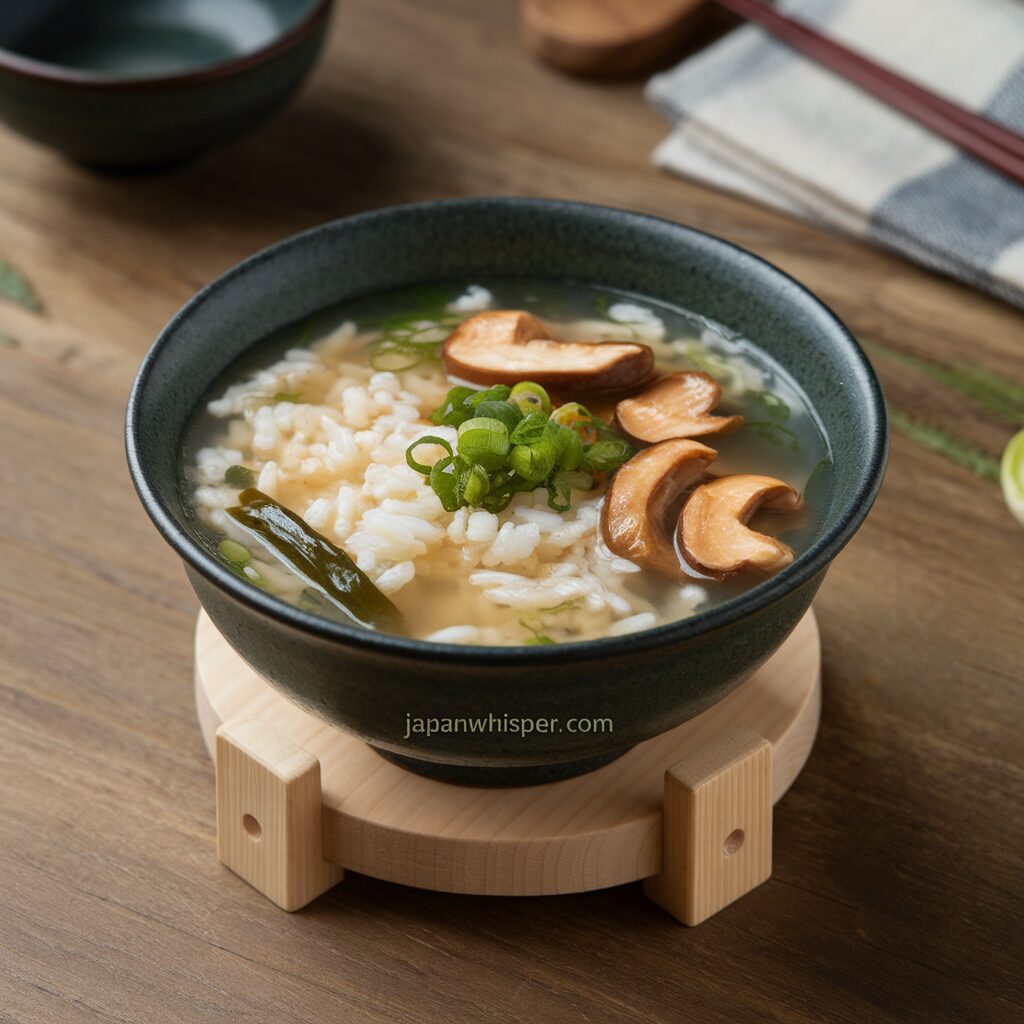
Clear soup (suimono) highlights the pure flavor of dashi broth enhanced with simple ingredients like mushrooms or fish.
Meat and Poultry Dishes
Tonkatsu brings together crispy breaded pork cutlets with shredded cabbage and special sauce. The meat stays juicy inside its golden coating.
Yakitori skewers feature grilled chicken parts brushed with tare sauce or seasoned with salt. Each skewer highlights a different cut of meat.
Sukiyaki simmers thin-sliced beef and vegetables in a sweet soy broth. Diners cook ingredients at the table in an iron pot.
Seasonal and Regional Specialties
Kaiseki dining presents seasonal ingredients through multiple small courses. Each dish celebrates the current season.
Osaka’s okonomiyaki combines cabbage, meat, and seafood in a savory pancake topped with special sauce and mayo. The name means “grilled as you like it.”
Takoyaki, octopus-filled dough balls, originated in Osaka. Street vendors cook these snacks in special molded pans.
Cooking Techniques and Ingredients
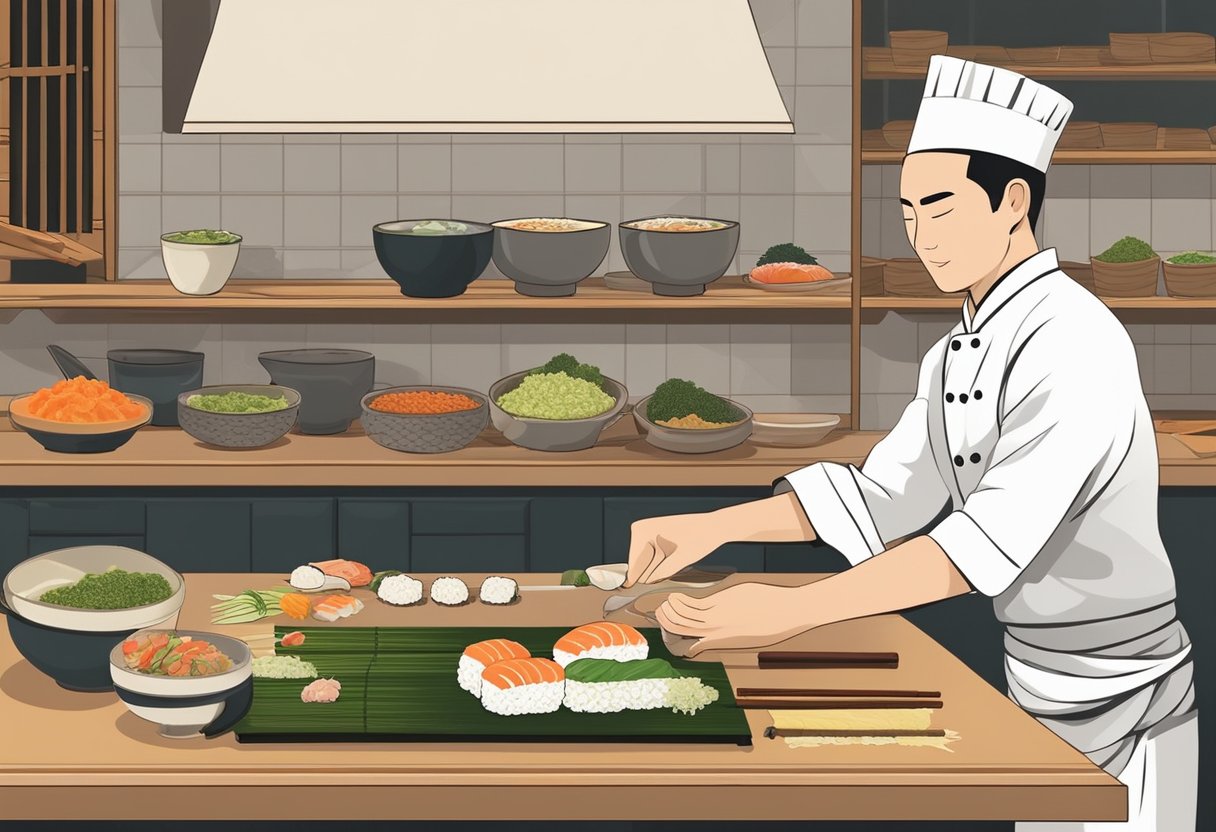
Japanese cooking relies on specific techniques and ingredients that create distinct flavors and textures. These methods have been refined over centuries to bring out the natural taste of each component.
Dashi and Umami Flavors
Dashi forms the foundation of Japanese cooking. I make this essential stock by simmering kombu (dried kelp) and katsuobushi (dried bonito flakes) in water.
The resulting broth delivers a deep umami flavor that enriches soups, sauces, and simmered dishes. This natural taste enhancer adds complexity without overwhelming other ingredients.
Many Japanese dishes use dashi as their base, including miso soup, udon noodles, and braised vegetables. The stock takes just 15-20 minutes to prepare and can be stored in the refrigerator for up to a week.
Preparation of Raw Fish
Raw fish preparation demands precision and care. I always ensure the fish is sashimi-grade and properly frozen to eliminate parasites.
The key lies in using an extremely sharp knife to make clean cuts. This preserves the texture and prevents crushing the delicate flesh.
Different cuts serve different purposes – thin slices for sashimi, cubes for poke bowls, and strips for rolls. The fish must be kept cold and served immediately for the best taste and food safety.
Batter and Breading Methods
Tempura requires a light batter made from cold water and flour. I mix it minimally to keep the coating airy and crisp when fried.
Tonkatsu uses panko breadcrumbs for its signature crunchy exterior. The meat is seasoned, coated in flour, dipped in egg, then covered in breadcrumbs.
Both methods need oil at the right temperature – 350°F (175°C) for tempura and 340°F (170°C) for tonkatsu. The food must be fried in small batches to maintain oil temperature.
Grilling and Skewering Techniques
Yakitori involves skewering bite-sized pieces of chicken on bamboo sticks. Each part of the chicken requires specific cooking times and temperatures.
I grill yakitori over charcoal for the best flavor. The meat is brushed with tare sauce or seasoned simply with salt.
Small cuts ensure even cooking and easy eating. The skewers are turned frequently to achieve perfect browning without burning.
Metal skewers work better for fish and vegetables since they conduct heat more effectively. These ingredients need gentle heat to avoid drying out.
Popular Eating Formats

Japanese dining offers four distinct styles that shape the food culture. Each format creates a unique atmosphere and way of enjoying meals, from formal multi-course experiences to casual social gatherings.
Kaiseki Dining
Kaiseki represents the peak of Japanese fine dining. This formal style features 10-14 small, artistic courses served in a specific order. I’ve noticed chefs focus heavily on seasonal ingredients and local specialties.
The meal starts with an appetizer (sakizuke) followed by a seasonal soup (suimono). Next comes sashimi, then grilled and simmered dishes.
Each course arrives on carefully chosen dishes that complement the food’s colors and textures. The presentation is just as important as taste.
Izakaya Culture
Izakayas are casual drinking establishments where food and drinks flow freely. These spots serve small plates meant for sharing, similar to tapas.
Popular izakaya dishes include yakitori (grilled chicken skewers), karaage (fried chicken), and edamame. Most people order several rounds of food throughout the evening.
The atmosphere is lively and social. Coworkers often visit izakayas after work to unwind and bond over drinks and snacks.
Street Food Scene
Street food in Japan centers around festival foods (matsuri) and quick bites from small stands. Popular items include:
- Takoyaki (octopus balls)
- Yakisoba (fried noodles)
- Taiyaki (fish-shaped pastries)
- Okonomiyaki (savory pancakes)
Many vendors set up near train stations and shopping areas. The food is meant to be eaten while walking or standing at small counter spaces.
Conveyor Belt Sushi
Conveyor belt sushi restaurants (kaitenzushi) make sushi accessible and fun. Plates of sushi move past customers on a rotating belt, letting them pick what they want.
Different plate colors indicate different prices. Most items cost between 100-500 yen per plate.
Touch screens at each seat let customers order special items directly from the kitchen. Fresh items arrive on a separate conveyor track.
These restaurants are family-friendly and perfect for casual sushi dining. The quick service and reasonable prices make them popular lunch spots.
Japanese Food Beyond Traditional Dishes
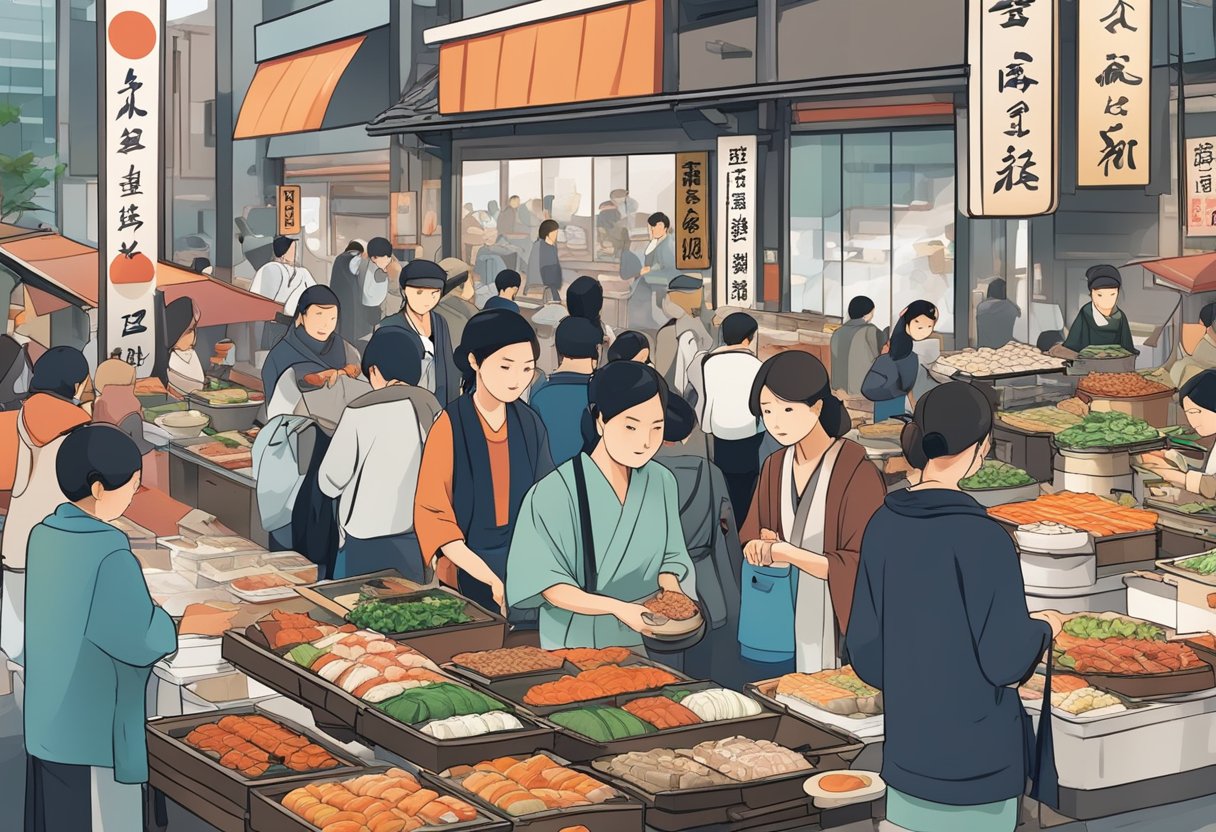
Japanese cuisine keeps growing with new ideas while staying true to its roots. Chefs mix old and new cooking methods to create exciting dishes that bring together different cultural influences.
Modern Twists on Classics
Japanese curry has become a popular comfort food, taking the British version of Indian curry and making it uniquely Japanese. Restaurants now serve creative versions like katsu curry, which adds crispy breaded pork cutlets.
Chefs experiment with traditional ingredients in new ways. I’ve seen modern takes on miso soup using non-traditional ingredients like mushrooms and fresh herbs.
Soba noodles now come in colorful varieties made with different vegetables and seasonings, while keeping their classic buckwheat base.
International Influence on Japanese Cuisine
Western ingredients have found their way into Japanese kitchens. Many restaurants combine Japanese cooking techniques with Italian pasta or French sauces.
I’ve noticed more restaurants offering vegetarian and vegan versions of classic dishes. They use innovative ingredients to replace fish-based katsuobushi while maintaining the umami flavor.
Fast food chains in Japan create unique items like teriyaki burgers and matcha desserts.
Japanese Fusion Foods
Monjayaki evolved from traditional savory pancakes into a customizable dish where diners cook their own combinations on a hot grill.
California rolls started in the US but are now popular in Japan, showing how fusion can come full circle.
Ramen shops create new flavor combinations like tom yum ramen or truffle oil toppings. These dishes respect traditional methods while bringing in global ingredients.
Popular fusion dishes include uni pasta, wagyu tacos, and miso-glazed fish with Mediterranean herbs.
Etiquette and Dining Practices
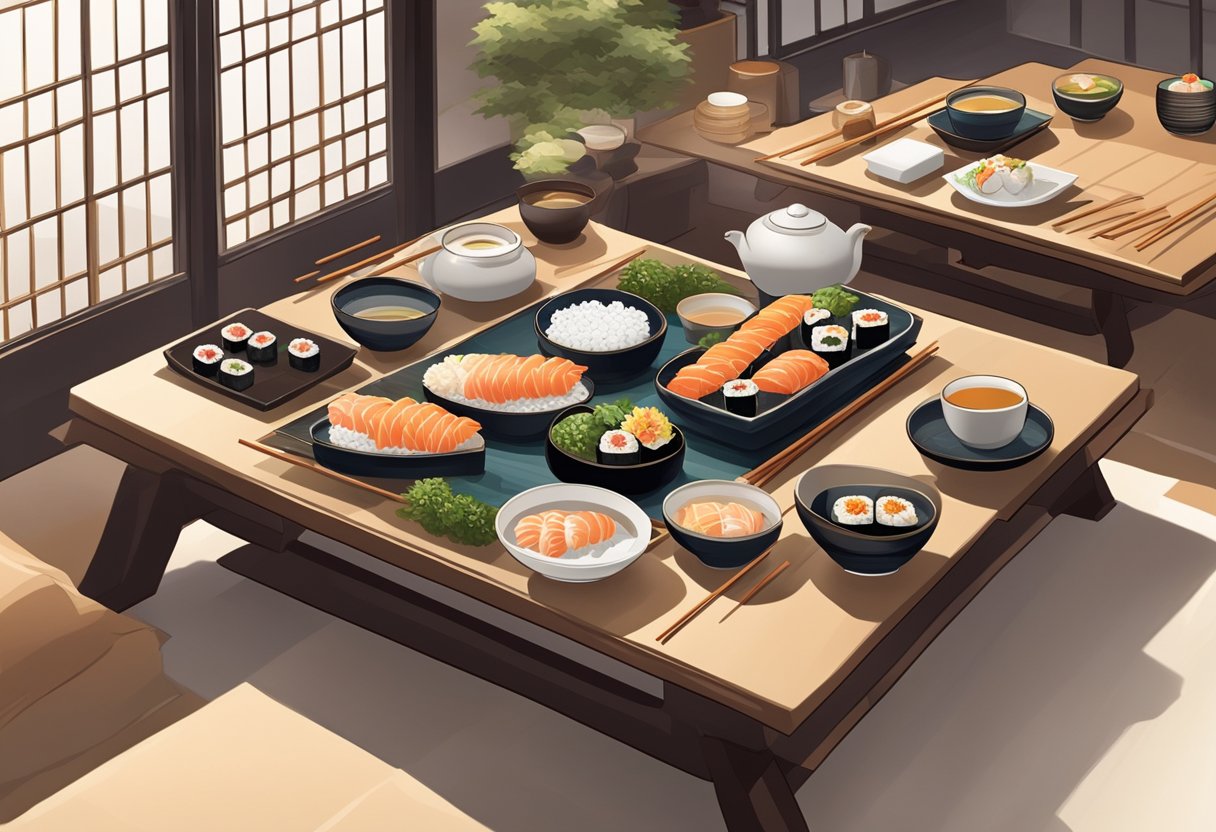
Japanese dining comes with important rules that show respect for the food and others at the table. I always remove my shoes before entering traditional dining rooms with tatami floors and low tables.
When eating, I hold my bowl close to my mouth using one hand, while handling chopsticks with the other. It’s polite to lift bowls of rice and soup rather than leaning down to them.
Essential chopstick rules:
- Never stick chopsticks upright in rice
- Don’t pass food from chopstick to chopstick
- Use the opposite end for taking food from shared plates
- Avoid pointing with chopsticks
When drinks are served, I wait for everyone’s glass to be filled. We say “kanpai” (cheers) before taking the first sip. It’s good manners to pour drinks for others and let them pour for me.
The small towel (oshibori) provided at meals is for cleaning hands only. I use it before eating and place it neatly on the table.
During traditional meals, I express gratitude by saying “itadakimasu” before eating and “gochisousama” after finishing. These phrases show appreciation for the food and everyone involved in preparing it.
When eating ramen or somen noodles, making slurping sounds is acceptable and even shows enjoyment of the meal. I also make sure to try the soup and toppings together rather than eating each part separately.
Influence and Status of Japanese Cuisine Globally
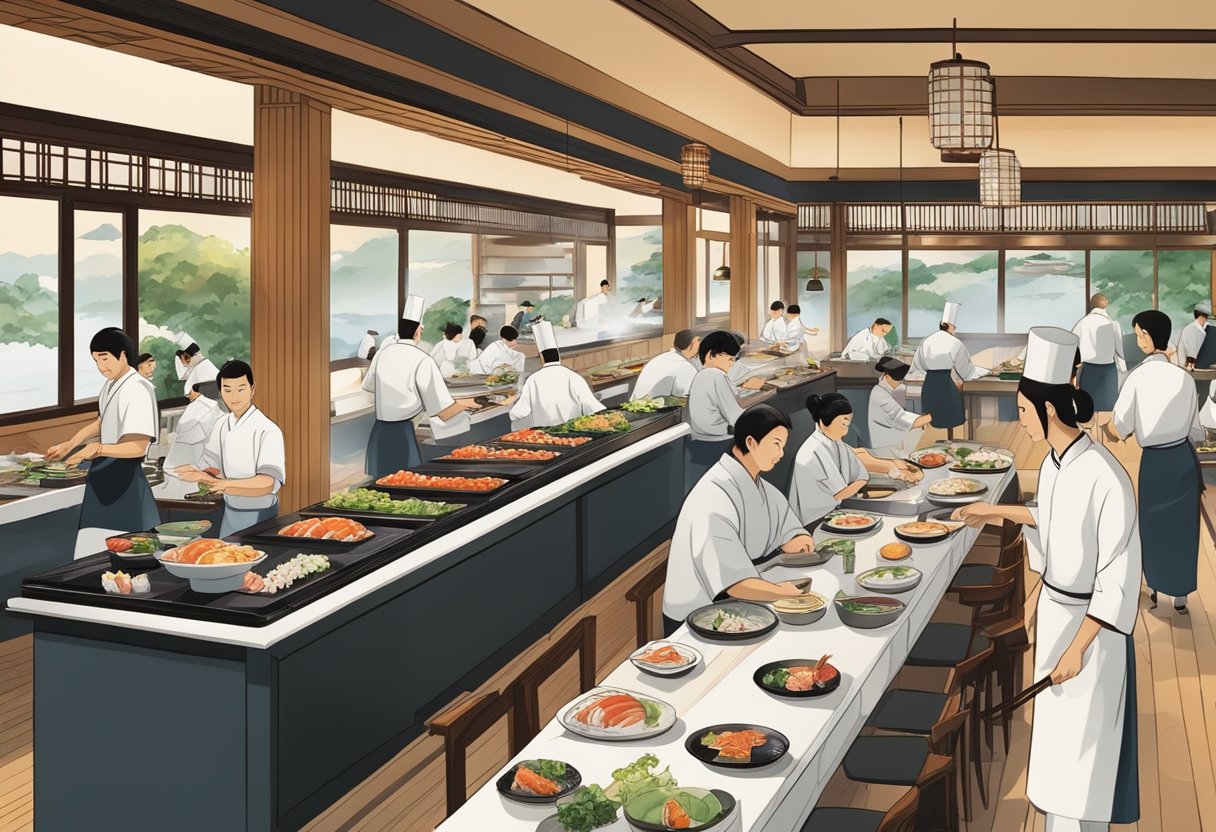
Japanese cuisine has spread far beyond its borders to become a major force in global food culture. I’ve observed washoku – traditional Japanese cooking – gaining UNESCO Intangible Cultural Heritage status in 2013, marking its importance to world culinary heritage.
Japanese restaurants have multiplied across international cities. In my research, I’ve found them ranging from casual ramen shops to high-end Michelin-starred establishments serving precise, artistic dishes.
Fresh ingredients and seasonal cooking define Japanese food’s global appeal. I see chefs worldwide adopting these principles, along with techniques like koji fermentation for developing deep, complex flavors.
Traditional elements like narutomaki fish cakes and authentic Japanese recipes remain popular. At the same time, I notice creative adaptations emerging as chefs blend Japanese methods with local ingredients.
The influence shows in fine dining too. Many top restaurants now use Japanese plating styles, cooking techniques, and flavor profiles. I’ve tracked the rise of omakase dining experiences, where expert chefs craft personalized tasting menus.
Key factors in Japanese cuisine’s global success:
- Focus on ingredient quality
- Beautiful presentation
- Healthy cooking methods
- Balance of flavors
- Respect for seasonality
- Attention to detail
Frequently Asked Questions
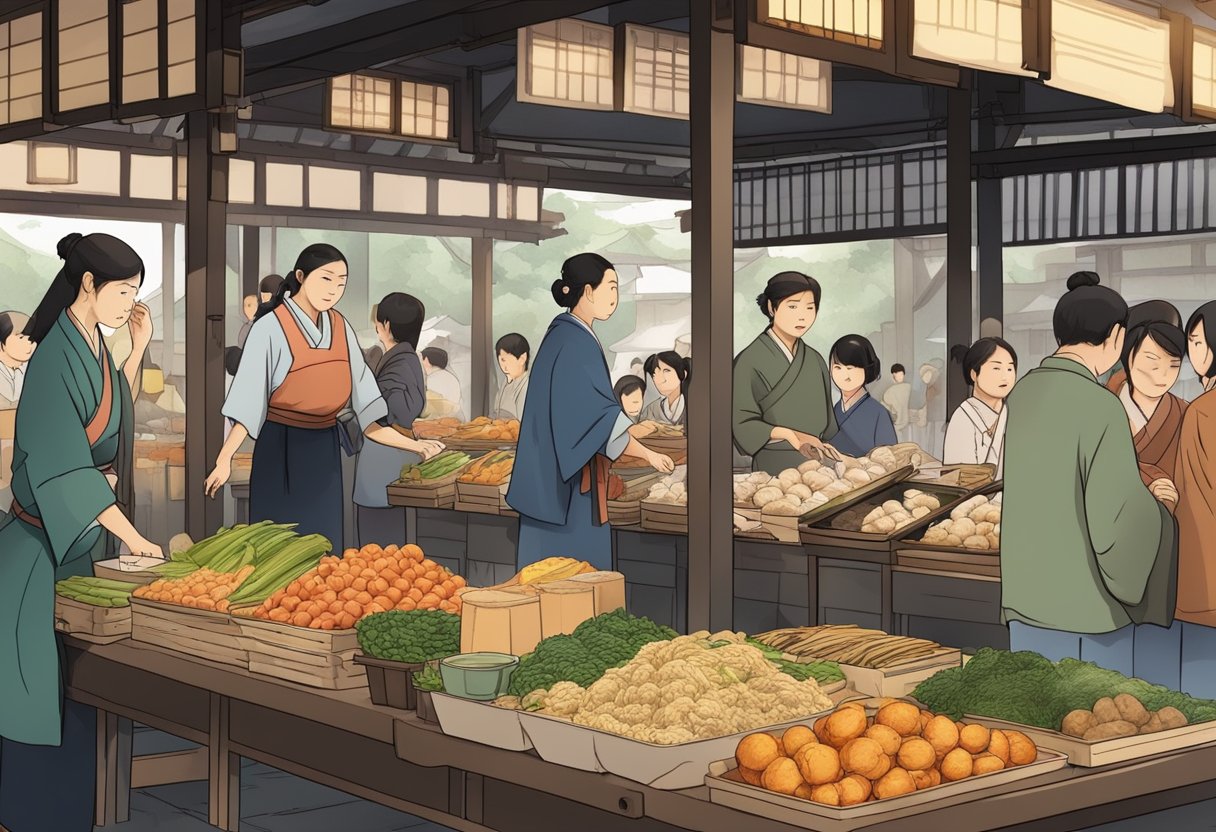
Traditional Japanese cuisine combines ancient cooking methods, seasonal ingredients, and strict dining customs that create unique flavors and dining experiences. Each dish tells a story through carefully selected ingredients and precise preparation techniques.
What are some traditional Japanese dishes that are considered must-try?
Tempura stands out as an essential Japanese dish. The light, crispy batter coats fresh seafood and vegetables, creating a delicate texture and flavor.
Miso soup and rice form the foundation of traditional meals. These staples appear at most Japanese tables throughout the day.
Fresh sashimi and carefully crafted sushi showcase Japan’s mastery of seafood preparation.
How do traditional Japanese food recipes differ from modern Japanese cuisine?
Traditional recipes use simple cooking methods like steaming, grilling, and fermenting. These techniques highlight natural flavors without heavy sauces.
Modern Japanese cooking often blends foreign influences with local ingredients. This creates new interpretations of classic dishes.
Can you list traditional Japanese foods that are often served during festivals?
Yakitori, grilled chicken skewers, fill festival streets with their tempting aroma.
Sweet dango, small rice dumplings, bring color and joy to celebrations.
Tamagoyaki, rolled egg omelets, offer a portable festival treat.
What is the history and cultural significance behind Japan’s national dish?
Rice holds the position of Japan’s national food. Its cultivation shaped Japanese society for thousands of years.
Each grain represents dedication to perfection in Japanese cooking. Rice fields once determined wealth and social status.
Could you provide an insight into the etiquette of eating traditional Japanese food?
I always hold my chopsticks near their top end, never in the middle or bottom.
Lifting small bowls like miso soup to drink is polite and expected.
Slurping noodles shows appreciation for their taste and temperature.
What are the key ingredients commonly used in traditional Japanese cooking?
Dashi, a stock made from kelp and dried bonito flakes, creates the base for many dishes.
Soy sauce, mirin, and sake add depth to Japanese flavors.
Fresh seasonal vegetables and local seafood make up most traditional meals.