Japanese cuisine celebrates simplicity.
Fresh ingredients. Clean flavors. Minimal preparation.
Many think Japanese cooking is complex. It’s not.
These recipes use few ingredients. Most are pantry staples.
Each dish takes under 30 minutes. No special tools required.
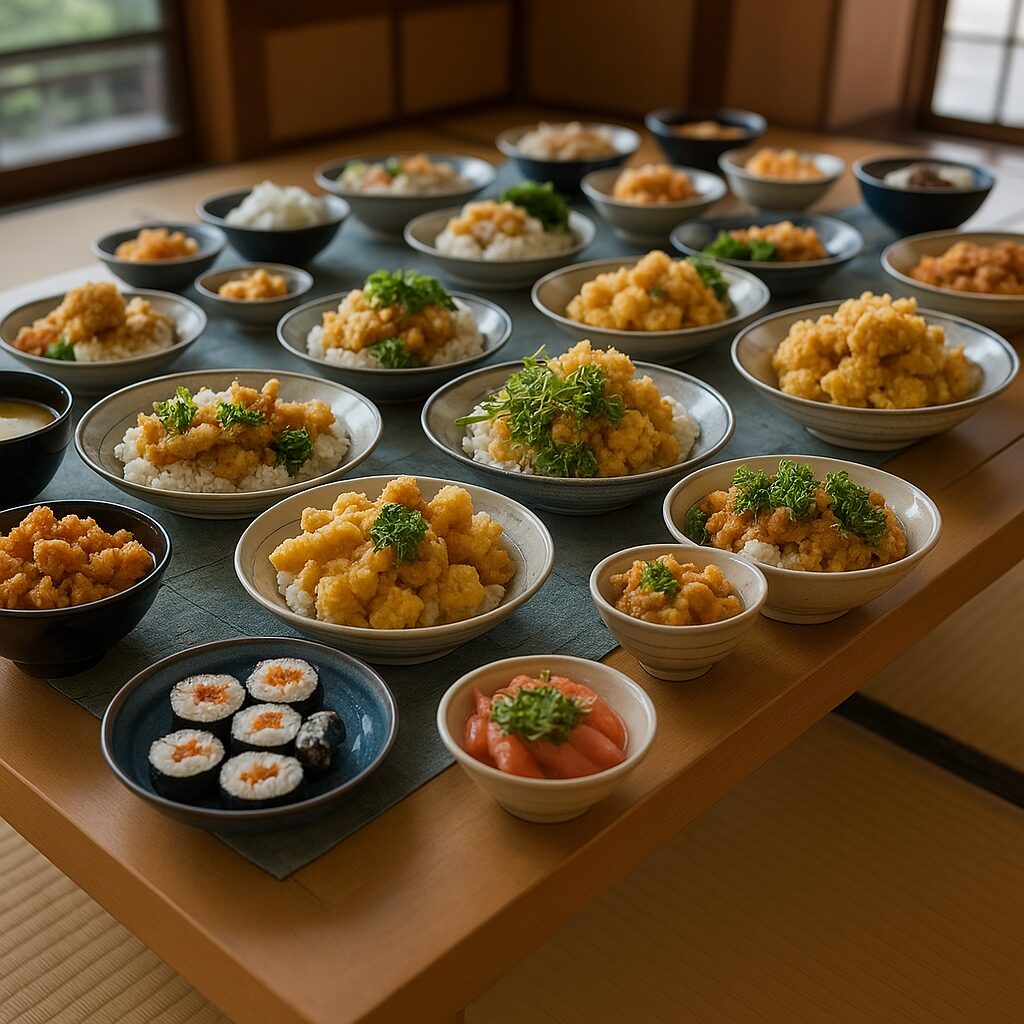
Seven simple recipes. A perfect introduction to Japanese home cooking.
Let’s begin.
Recipe 1: Classic Onigiri (Rice Balls)
Japanese comfort food at its finest.
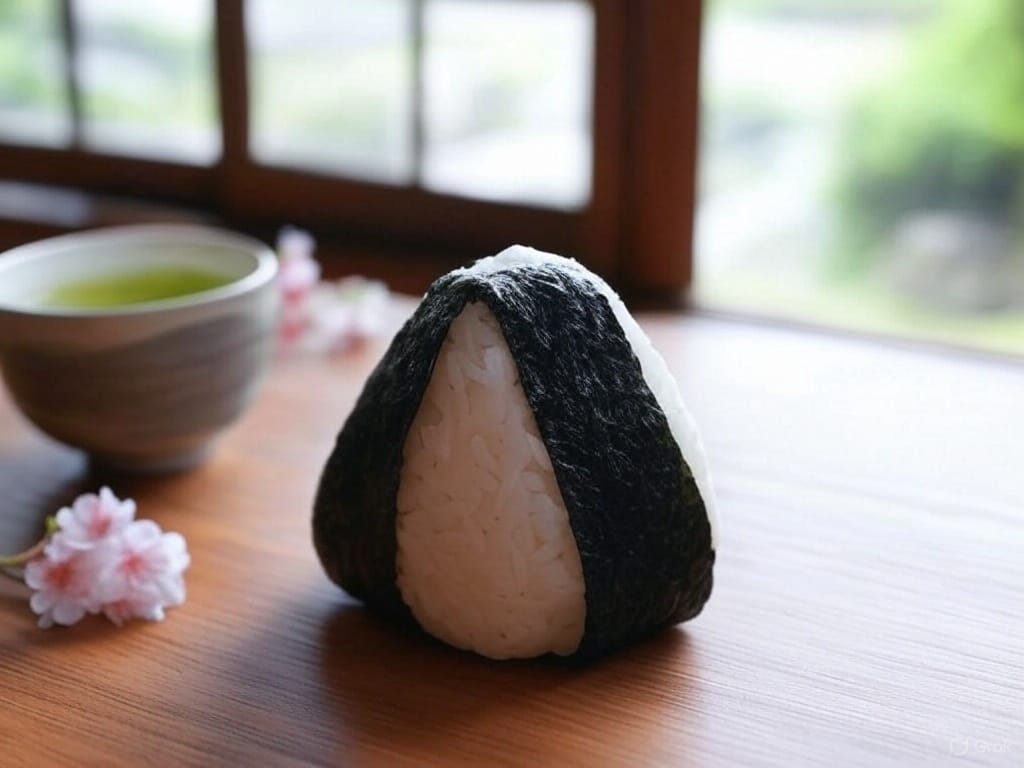
Onigiri are portable rice balls. Often filled with savory ingredients. A lunchbox staple across Japan.
Ingredients:
- 2 cups Japanese short-grain rice
- 2½ cups water
- ½ teaspoon salt
- Optional fillings: salted salmon, pickled plum, tuna with mayo
Instructions:
Rinse rice until water runs clear.
Cook rice according to package instructions. Let cool slightly.
Wet your hands with water. Sprinkle with salt.
Take a small handful of rice. Press into your palm.
Make an indentation. Add filling if desired.
Close the rice around the filling. Shape into a triangle or ball.
Wrap base with nori seaweed if you like.
Variations:
Mix rice with furikake seasoning. Create colorful options.
Try different fillings. Pickled vegetables. Cooked beef. Spicy tuna.
Serve:
At room temperature. Perfect for bento boxes. Ideal for picnics or quick meals.
Store wrapped in plastic. Eat within a day for best texture.
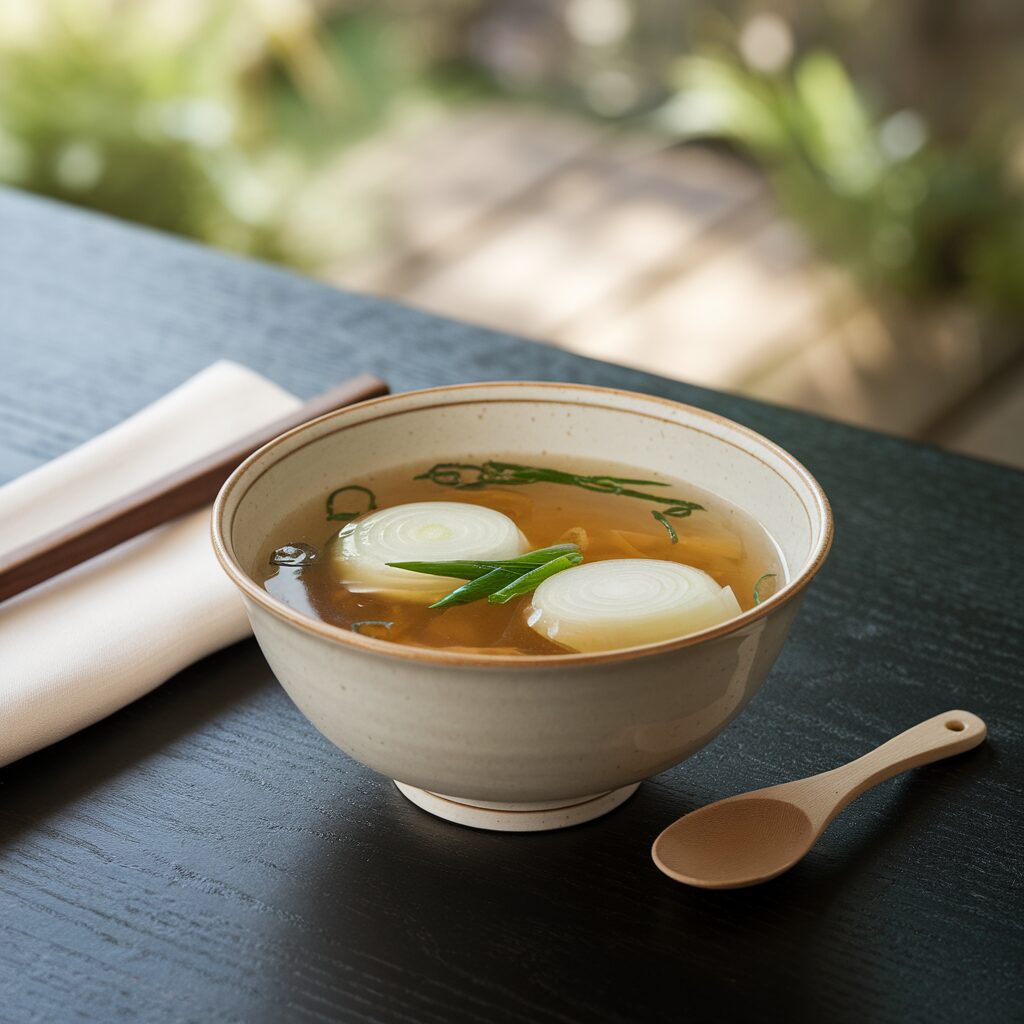
Recipe 2: Quick Miso Soup
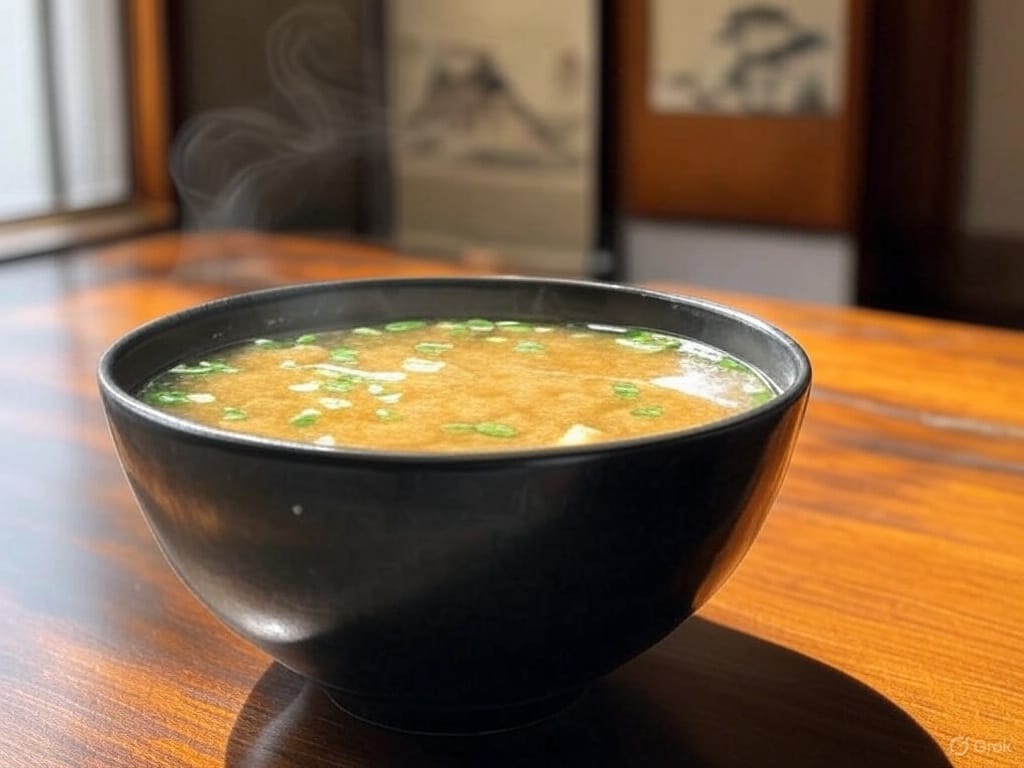
A staple of Japanese meals.
Warming. Nourishing. Ready in minutes.
Ingredients:
- 4 cups dashi stock (instant is fine)
- 3 tablespoons miso paste
- 1 block soft tofu, cubed
- 2 green onions, thinly sliced
- Handful of wakame seaweed
Instructions:
Soak wakame in cold water. It expands quickly.
Bring dashi to a gentle simmer. Don’t boil.
Place miso in a small bowl. Add some hot dashi. Whisk until smooth.
Return miso mixture to pot. Stir gently.
Add drained wakame and tofu. Heat through.
Remove from heat immediately.
Garnish with green onions.
Customization:
Add sliced mushrooms. Try different miso types.
Include diced vegetables. Carrots work well.
Serve:
In small bowls. Alongside rice dishes. Perfect starter or light meal.
Best consumed immediately. Flavors are brightest when fresh.
Recipe 3: Easy Teriyaki Chicken
The perfect gateway to Japanese cooking.
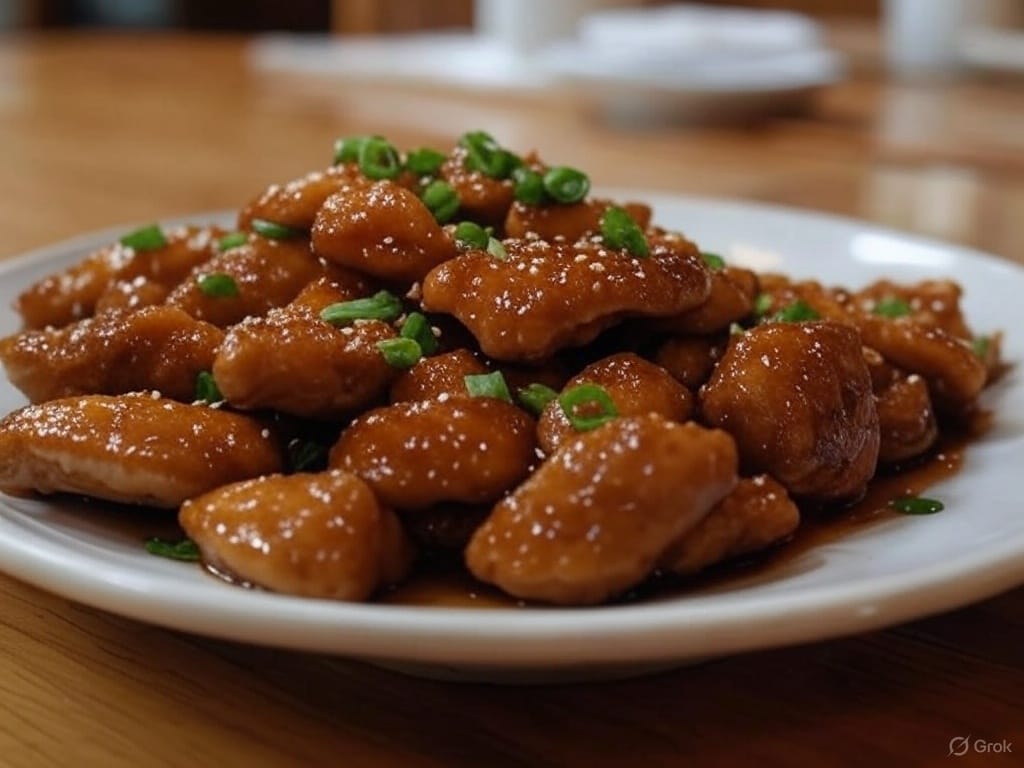
Sweet. Savory. Glazed to perfection.
Ingredients:
- 4 boneless chicken thighs
- 3 tablespoons soy sauce
- 3 tablespoons mirin
- 2 tablespoons sake (or dry white wine)
- 1 tablespoon sugar
- 1 teaspoon grated ginger
- 1 clove garlic, minced
- Oil for cooking
Instructions:
Mix soy sauce, mirin, sake, sugar, ginger, and garlic.
Heat oil in a pan. Medium-high heat.
Add chicken. Skin side down first.
Cook until golden. About 5 minutes per side.
Pour in sauce mixture. Reduce heat to medium.
Let sauce reduce. Occasionally spoon over chicken.
Continue until sauce thickens. Chicken should be glazed.
Tips:
Use chicken thighs. More flavor than breast meat.
Don’t rush the reduction. The glaze should coat a spoon.
Serve:
Slice into strips. Place over steamed rice.
Sprinkle with sesame seeds. Add steamed vegetables alongside.
Japanese street food combines simple ingredients with expert preparation techniques. These popular dishes appear at festivals and food stalls throughout Japan, bringing unique flavors and textures to hungry crowds.
Recipe 4: Simple Sunomono (Cucumber Salad)
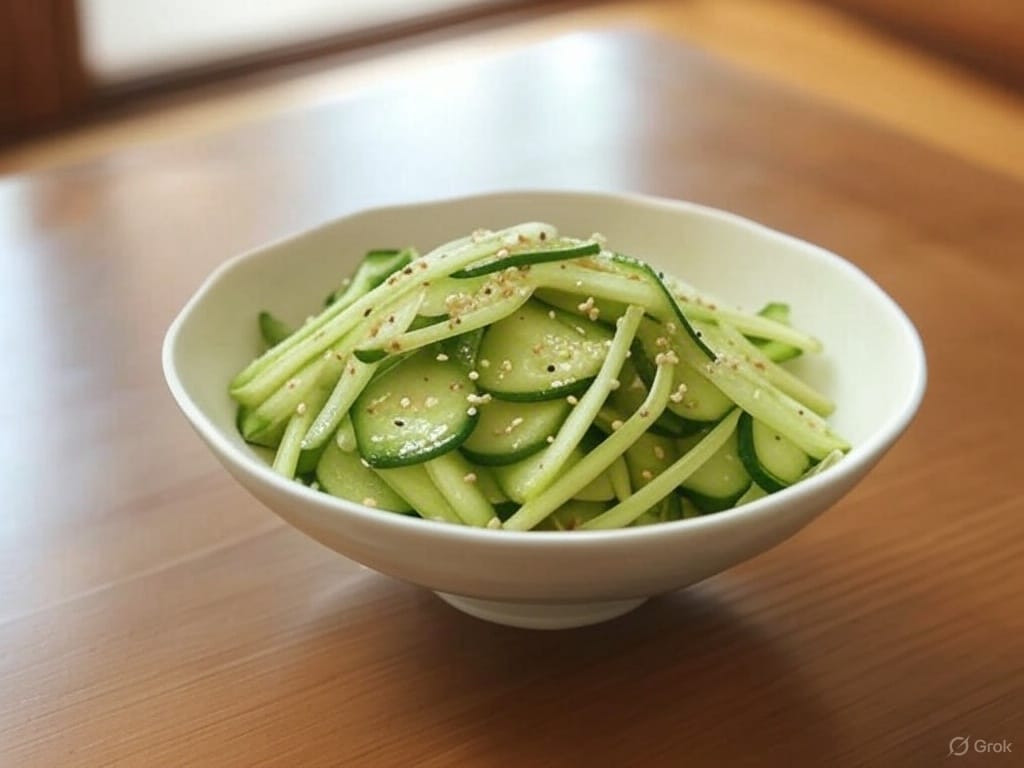
Light. Refreshing. Palate-cleansing.
A perfect counterpoint to richer dishes.
Ingredients:
- 1 English cucumber
- ½ teaspoon salt
- 3 tablespoons rice vinegar
- 1 tablespoon sugar
- ½ teaspoon soy sauce
- Pinch of white sesame seeds
Instructions:
Slice cucumber thinly. Use a mandoline if available.
Sprinkle with salt. Let sit for 10 minutes.
Gently squeeze out excess water.
Mix vinegar, sugar, and soy sauce until dissolved.
Pour over cucumber. Toss gently.
Chill for 15 minutes minimum.
Sprinkle with sesame seeds before serving.
Variations:
Add thin slices of wakame seaweed.
Try with thinly sliced octopus or crab.
Include julienned carrot for color.
Serve:
In small bowls. Cold from the refrigerator.
Perfect between courses. Excellent with grilled fish.
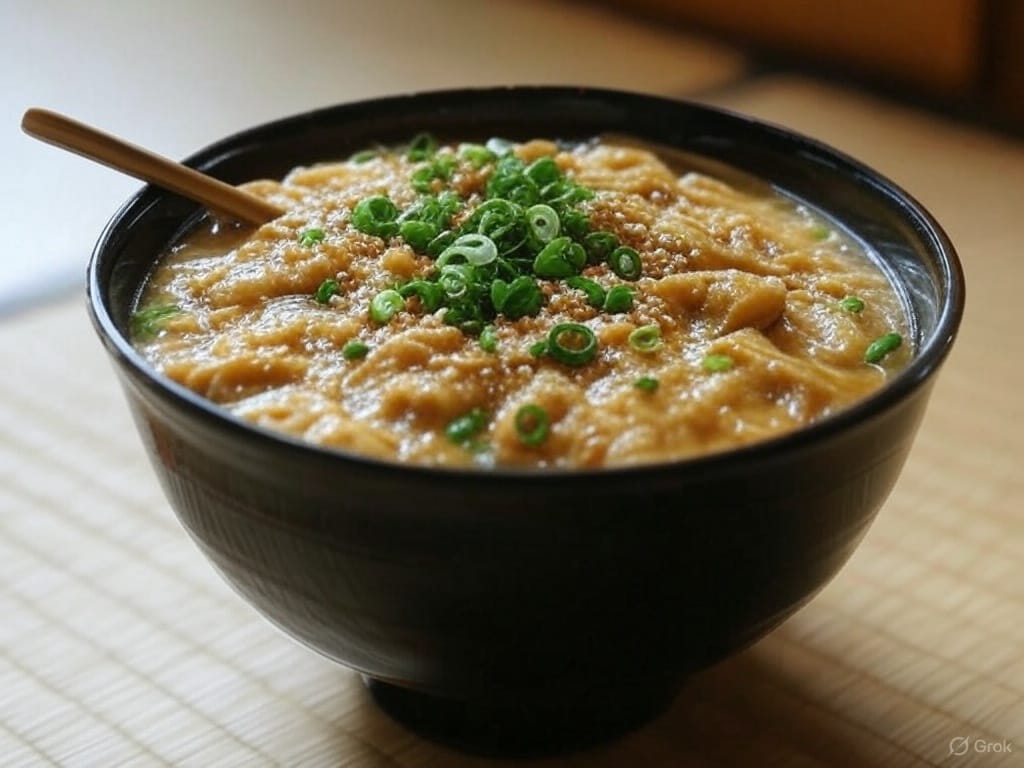
Recipe 5: Oyakodon (Chicken and Egg Rice Bowl)
Comfort in a bowl.
“Parent and child” – chicken and egg together.
Ingredients:
- 2 chicken thighs, cut into bite-sized pieces
- 1 medium onion, thinly sliced
- 3 eggs, lightly beaten
- 1 cup dashi stock
- 3 tablespoons soy sauce
- 2 tablespoons mirin
- 1 tablespoon sugar
- 2 cups cooked Japanese rice
- Sliced green onions for garnish
Instructions:
Mix dashi, soy sauce, mirin, and sugar in a bowl.
Heat a pan over medium heat. Add sauce mixture.
Add onions. Simmer for 2 minutes.
Add chicken. Cook until no longer pink.
Pour beaten eggs over everything. Don’t stir.
Cover. Cook for 1-2 minutes. Eggs should be slightly runny.
Egg tips:
For softer eggs, cook less time.
For firmer eggs, cook longer.
Serve:
Place hot rice in bowls.
Slide egg-chicken mixture on top.
Garnish with green onions.
Eat immediately. The magic is in the temperature contrast.
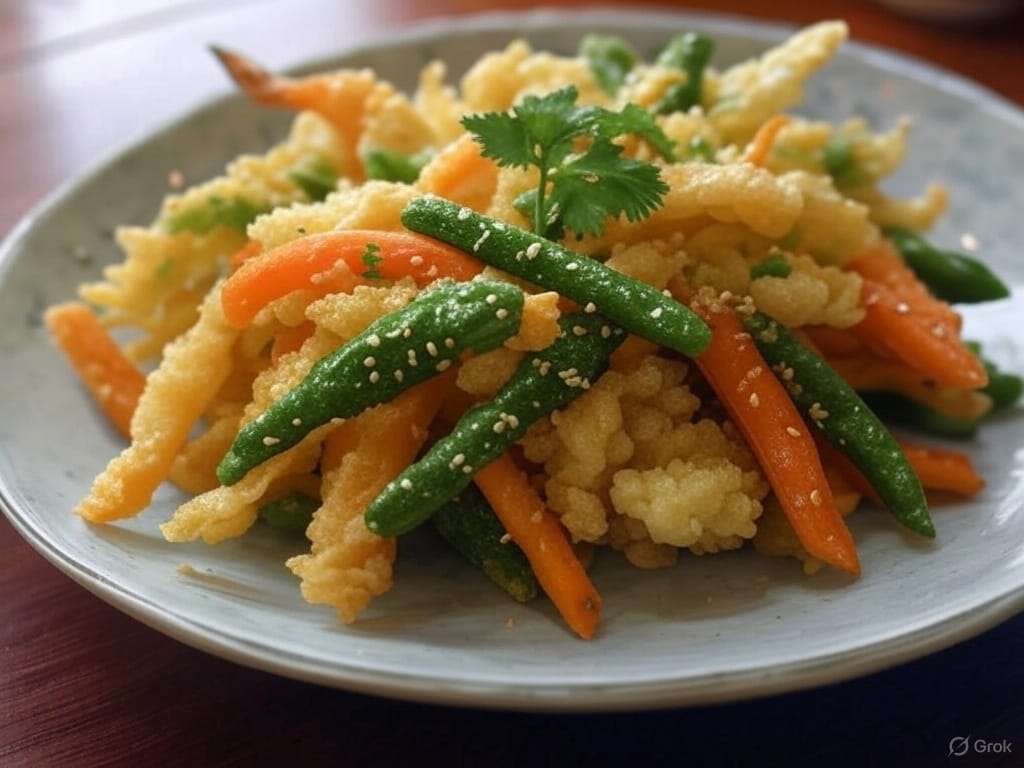
Recipe 6: Quick Vegetable Tempura
Crispy. Light. Surprisingly simple.
A streamlined version of a restaurant favorite.
Ingredients:
- 1 cup all-purpose flour
- 1 egg
- 1 cup ice-cold water
- Assorted vegetables (sweet potato, bell pepper, zucchini, broccoli)
- Oil for frying
- Dipping sauce: ¼ cup dashi, 1 tablespoon soy sauce, 1 tablespoon mirin
Instructions:
Slice vegetables thinly. Pat dry with paper towels.
Prepare dipping sauce. Mix ingredients in a small bowl.
Make batter: Whisk egg and ice water.
Add flour. Mix minimally. Lumps are good.
Heat oil to 350°F (175°C).
Dip vegetables in batter. Let excess drip off.
Fry in small batches. 1-2 minutes until golden.
Drain on paper towels.
Veggie selection:
Choose firm vegetables. Cut uniformly.
Sweet potato slices. Bell pepper strips. Broccoli florets.
Serve:
Immediately after frying.
With dipping sauce alongside.
Salt lightly if desired.
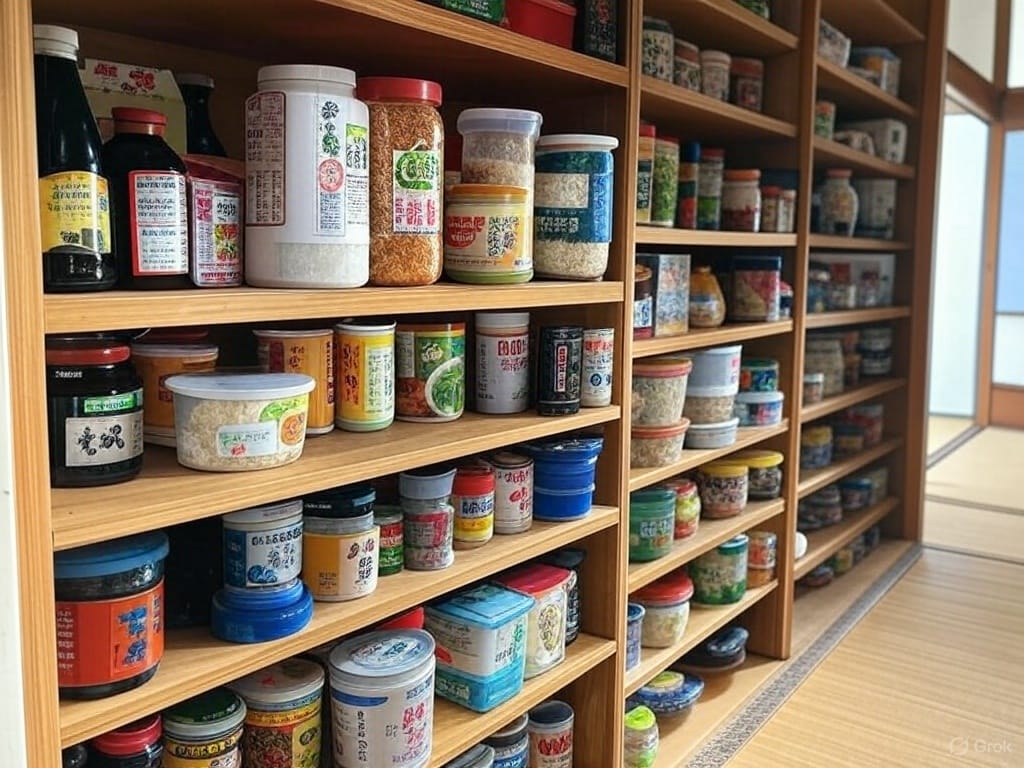
Pantry Essentials
The foundation of Japanese cooking.
Stock these basics. Create countless dishes.
Must-haves:
- Soy sauce (Kikkoman is widely available)
- Mirin (sweet cooking rice wine)
- Rice vinegar (milder than other vinegars)
- Sake (cooking grade is fine)
- Miso paste (refrigerated, lasts months)
- Dashi granules (instant fish stock)
- Short-grain Japanese rice
- Nori seaweed sheets
- Sesame oil (a little goes a long way)
- Furikake rice seasoning
Where to find:
Most supermarkets. Asian grocery stores.
Online retailers. Even Amazon stocks basics.
Storage tips:
Keep miso refrigerated. Lasts 6-12 months.
Store rice in airtight container. Prevents insects.
Refrigerate sesame oil after opening. Extends freshness.
Nori stays crisp in sealed bags. Add silica packet.
Date everything. Replace annually for best flavor.
Frequently Asked Questions
Japanese cooking combines simple techniques with fresh ingredients to create flavorful meals at home. I’ve gathered answers to common questions about preparing Japanese dishes in your own kitchen.
What are some simple Japanese dishes for beginners to prepare?
I recommend starting with onigiri (rice balls) and miso soup. These dishes need basic ingredients and take less than 30 minutes to make.
Chicken teriyaki is another beginner-friendly option. The sauce needs just soy sauce, mirin, and sugar mixed together.
What are some traditional Japanese dishes that home cooks can make?
Tempura is a classic choice that uses a light batter of flour, egg, and cold water. I like to fry shrimp, sweet potatoes, and green beans.
Udon noodle soup makes a filling meal. The broth combines dashi stock with soy sauce and mirin.
Could you suggest some Japanese dinner recipes suitable for weeknights?
Gyudon (beef bowl) takes about 20 minutes to prepare. I slice beef thin and cook it with onions in a sweet-savory sauce over rice.
Yakisoba stir-fries come together quickly with pre-cooked noodles and whatever vegetables are in your fridge.
What vegetarian options are available in Japanese cuisine for home cooking?
I make vegetable tempura with mushrooms, eggplant, and sweet potatoes. The crispy coating adds great texture.
Vegetable curry with rice uses carrots, potatoes, and onions in a rich sauce.
Can you recommend Japanese recipes that primarily use rice as an ingredient?
Onigiri rice balls can be filled with pickled plums or seasoned fish. I shape them into triangles or rounds.
Donburi bowls layer rice with toppings like egg, vegetables, or tofu.
What are considered the most popular Japanese meals globally?
Sushi ranks at the top of well-known Japanese foods. I suggest starting with simple rolls using cucumber or avocado.
Ramen has gained worldwide popularity. The key is a flavorful broth and fresh noodles.
Katsu curry combines crispy breaded cutlets with curry sauce and rice.