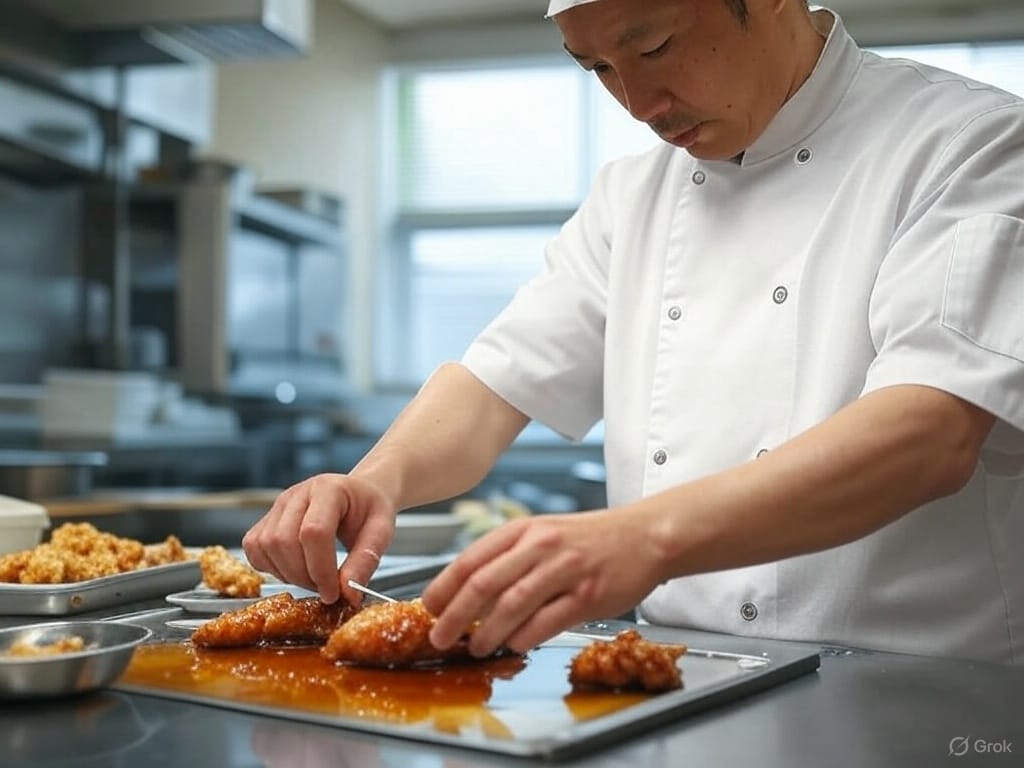
In Japanese cuisine, chicken shines through two iconic preparations.
Teriyaki: sweet-savory glaze. Caramelized perfection.
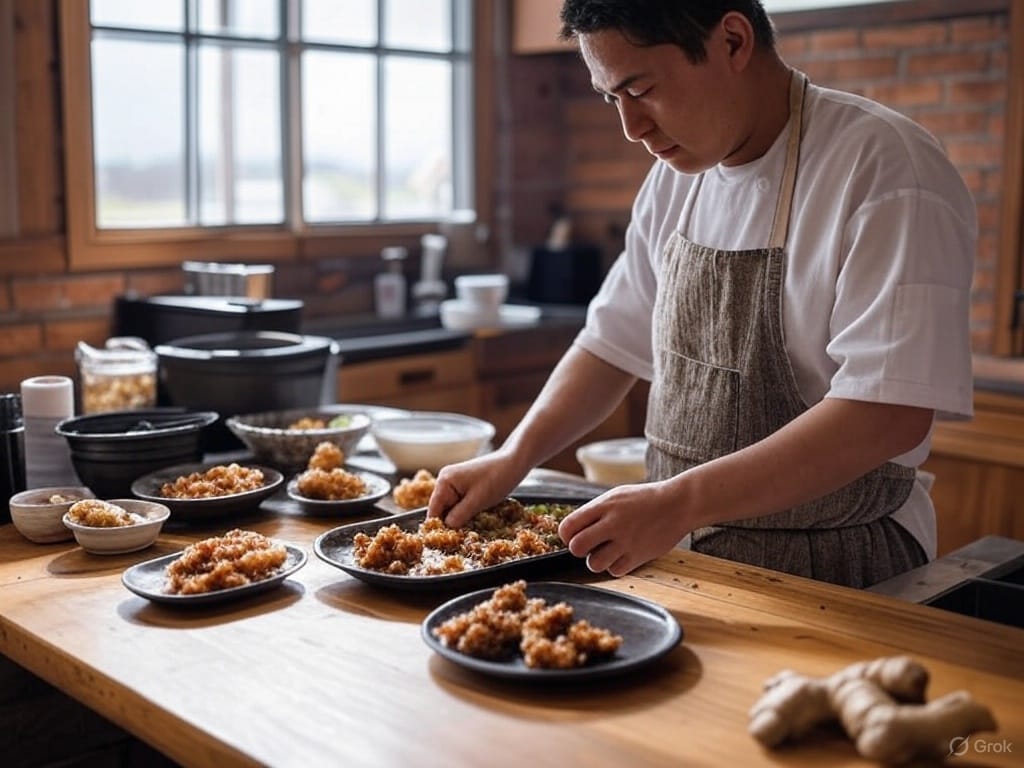
Karaage: crispy, juicy fried chicken. Perfectly seasoned.
Both beloved worldwide. Both surprisingly simple to master.
This guide unlocks their secrets.
Understanding Teriyaki Chicken
Teriyaki is technique, not just flavor.
“Teri” means shine. “Yaki” means grilled.
The essence lies in caramelization. A glossy finish is crucial.
Traditional teriyaki uses just four ingredients: soy sauce, mirin, sake, and sugar.
No garlic. No ginger. Those are modern adaptations.
The sauce reduces while cooking. Creates natural glaze. Coats the chicken.
Tokyo-style teriyaki is sweeter. Kanto region prefers it less sweet.
Chicken teriyaki is actually American-influenced. In Japan, fish was traditional.
Modern Japanese households embrace chicken teriyaki. Quick weeknight cooking.
The perfect balance: not too sweet, not too salty.
Essential Teriyaki Chicken Recipe
Ingredients:
- 4 boneless chicken thighs, skin-on
- 3 tablespoons soy sauce
- 3 tablespoons mirin
- 2 tablespoons sake
- 1 tablespoon sugar
- 1 teaspoon oil for cooking
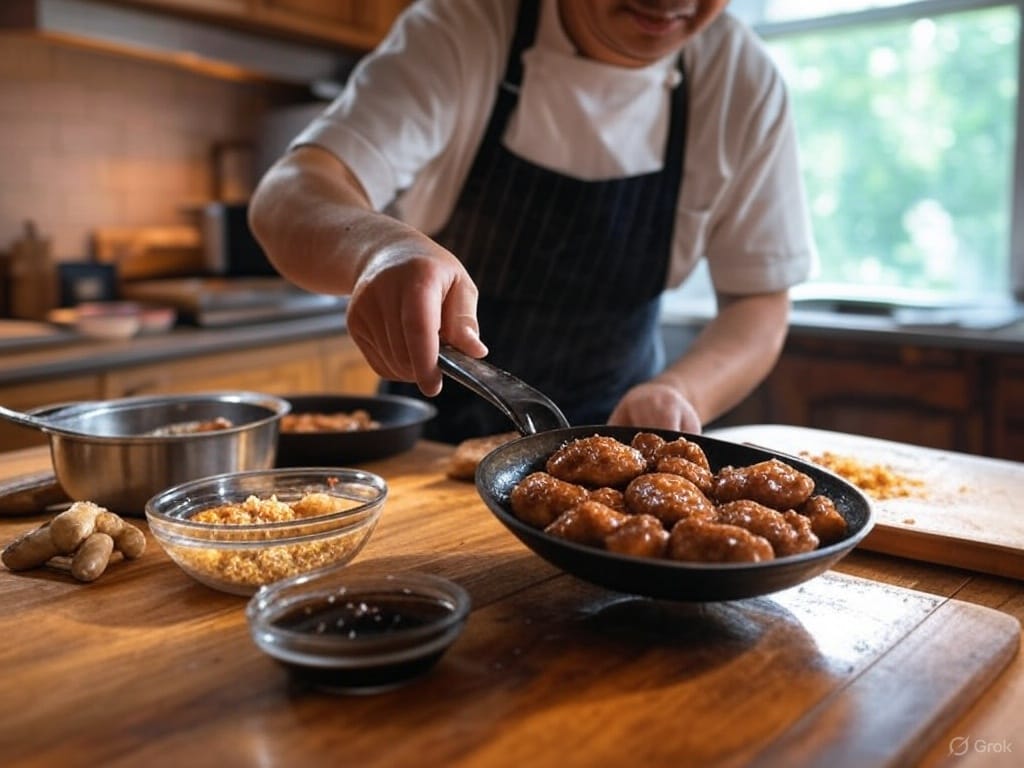
Method:
Score chicken skin. Creates more surface area.
Pat chicken dry. Essential for proper browning.
Heat pan to medium-high. Add oil.
Place chicken skin-side down. Don’t move it.
Cook until skin crisps. About 5-6 minutes.
Flip chicken. Cook 4 more minutes.
Pour off excess fat. Reduces greasiness.
Add sauce ingredients. Bring to simmer.
Continuously spoon sauce over chicken. Creates layers of flavor.
Reduce until sauce thickens. Should coat a spoon.
Remove when glaze forms. Internal temperature 165°F (74°C).
Rest chicken briefly. Slice against grain.
Common Mistakes:
Rushing the reduction. Patience creates proper glaze.
Using breast meat. Thighs have more flavor.
Inadequate heat. Too low prevents caramelization.
Serve With:
Steamed rice. Sliced green onions. Simple vegetables.
Mastering Karaage (Japanese Fried Chicken)
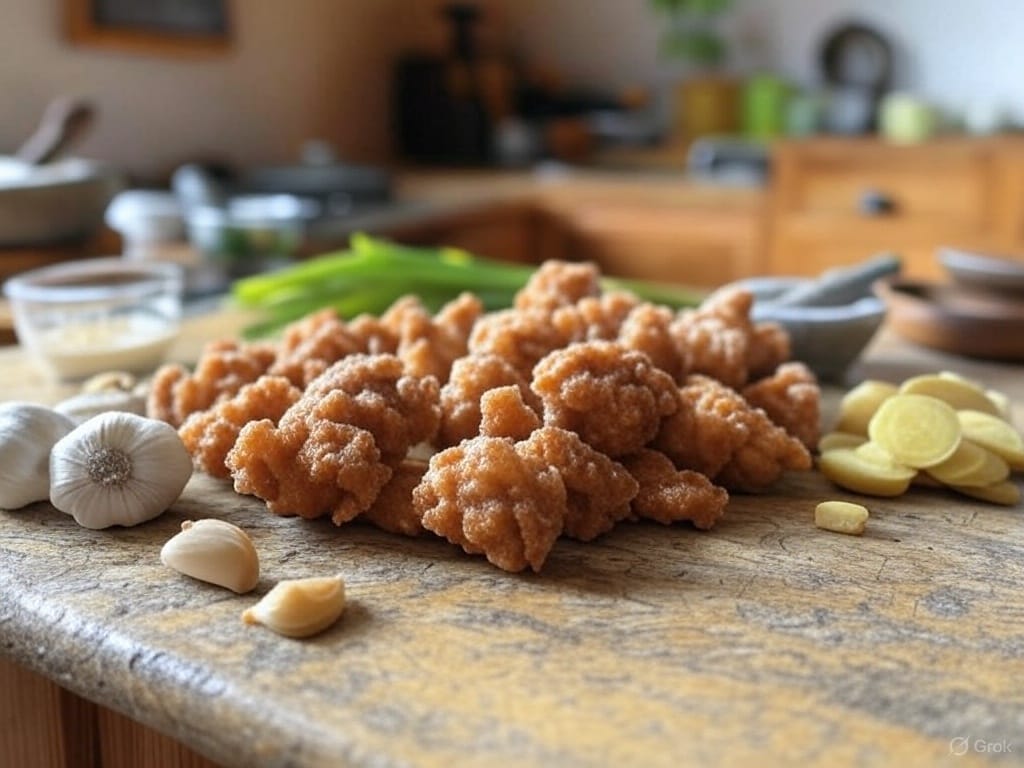
Karaage differs from other fried chicken styles.
Double-fried technique. Extra crispy exterior.
Marination is essential. Penetrates to the center.
Uses potato starch, not flour. Creates distinctive crunch.
No breadcrumbs. No batter. Just seasoned coating.
Bite-sized pieces. Maximum flavor absorption.
Traditionally served with lemon wedges. Cuts through richness.
Temperature control is critical. Too hot burns coating.
Originated from Chinese techniques. Evolved into distinctly Japanese.
Many izakayas (Japanese pubs) known for specific karaage recipes.
Perfect drinking food. Ideal for beer or sake pairings.
The key texture: crispy outside, juicy inside.
Definitive Karaage Recipe
Ingredients:
- 1 pound boneless chicken thighs
- 2 tablespoons soy sauce
- 1 tablespoon sake
- 1 teaspoon grated ginger
- 1 clove garlic, minced
- 1 tablespoon sesame oil
- ½ cup potato starch
- Oil for deep frying
- Lemon wedges for serving
Marination:
Cut chicken into 1½-inch pieces. Uniform size is important.
Mix soy sauce, sake, ginger, garlic, and sesame oil.
Add chicken. Coat thoroughly.
Refrigerate 30 minutes minimum. Overnight is better.
Coating and Frying:
Heat oil to 325°F (165°C).
Drain excess marinade from chicken.
Coat each piece in potato starch. Shake off excess.
Fry in small batches. 2-3 minutes until light golden.
Remove and drain briefly.
Increase oil temperature to 350°F (175°C).
Fry chicken again. 1-2 minutes until deep golden.
Drain on paper towels. Immediately salt lightly.
Serving Traditions:
Serve with lemon wedges.
Shredded cabbage on the side.
Japanese mayo or spicy mayo for dipping.
Often presented in a paper-lined basket.
Additional Chicken Preparations in Japanese Cuisine
Beyond teriyaki and karaage, Japan offers many chicken treasures.
Oyakodon: “Parent-and-child” rice bowl. Chicken and egg simmer together.
Chicken katsu: Panko-breaded cutlets. Crispy, satisfying comfort food.
Tsukune: Grilled chicken meatballs. Often glazed with tare sauce.
Mizutaki: Chicken hot pot. Clean flavors. Communal dining experience.
Yakitori: Skewered, grilled chicken parts. Each piece celebrated individually.
Chawanmushi: Delicate steamed egg custard with chicken pieces inside.
Unlike teriyaki and karaage, these dishes highlight different techniques.
Simmering. Grilling. Breading. Steaming.
Each preparation showcases Japan’s versatile approach to chicken.
The common thread: respect for ingredients. Attention to detail.
Conclusion
Teriyaki and karaage represent chicken preparation mastery.
Opposite techniques. Both quintessentially Japanese.
Teriyaki embraces simplicity. Four ingredients create magic.
Karaage celebrates texture contrast. Crispy meets juicy.
Both adapt well to home kitchens. No special equipment needed.
Try these techniques with other proteins. Duck teriyaki shines.
Squid karaage surprises. Vegetables work for both methods.
The secret to Japanese chicken dishes? Patience. Balance. Technique.
Success comes from understanding principles, not just following recipes.
Begin with these classics. Then explore Japan’s vast chicken repertoire.
Your journey into Japanese cuisine starts here. One delicious bite at a time.
Frequently Asked Questions
Japanese cuisine features many popular chicken dishes prepared with distinct cooking methods and flavor combinations. The preparation techniques range from grilling and frying to braising and simmering.
What is the most popular chicken dish in Japan?
Teriyaki chicken ranks as Japan’s most beloved chicken dish. The sweet and savory glazed chicken combines soy sauce, sake, mirin, and sugar to create its signature taste.
Can you list some traditional Japanese chicken dishes?
Karaage is a crispy fried chicken seasoned with soy sauce, ginger, and garlic. Yakitori features grilled chicken skewers. Oyakodon combines chicken and egg over rice.
I also love chicken katsu, which is breaded and fried chicken cutlets served with tonkatsu sauce.
How do you prepare chicken yakitori?
To make yakitori, cut chicken into small pieces and thread onto bamboo skewers. Brush with tare sauce made from soy sauce, mirin, and sake.
Grill the skewers over charcoal until the chicken is cooked through and slightly charred.
What are some common Japanese recipes for cooking chicken thighs?
Japanese cooks prefer chicken thighs for karaage because they stay juicy when fried. The thighs are marinated in soy sauce, sake, and ginger.
Simmered chicken thighs work great in nimono dishes cooked with vegetables in dashi broth.
How is chicken commonly used in Japanese cuisine?
Japanese cooking uses chicken in grilled dishes, hot pots, and rice bowls. The meat often gets marinated in soy-based sauces.
Chicken bones and scraps make dashi stock for soups and noodle dishes.
What are unique Japanese chicken breast recipes?
Chicken breast appears in katsu cutlets coated with panko breadcrumbs. The meat is pounded thin before breading and frying.
Chicken breast chunks get added to udon noodle soups and stir-fried with vegetables in yakisoba dishes.