In Japanese cuisine, the humble egg transforms into culinary masterpieces that showcase the culture’s dedication to precision, technique, and subtle flavors. From silky custards to cloud-like omelets, Japanese egg dishes demonstrate how this versatile ingredient can become the star of any meal with proper care and attention.
Tamagoyaki (卵焼き)
This sweet-savory rolled omelet is a cornerstone of Japanese cooking and a bento box staple. Its distinctive layered appearance comes from rolling thin sheets of seasoned egg in a special rectangular pan.
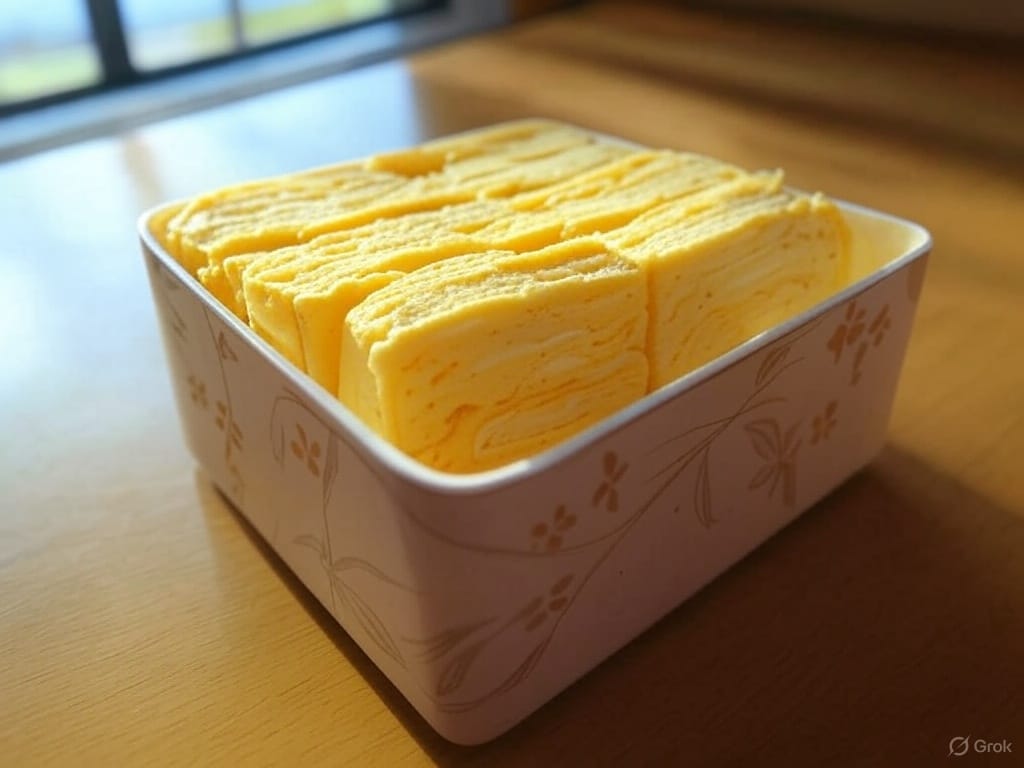
Classic Tamagoyaki Recipe:
- 4 eggs
- 1 tablespoon mirin (sweet rice wine)
- 1 tablespoon sugar
- 1 teaspoon soy sauce
- Pinch of salt
- Neutral oil for cooking
Steps:
- Whisk together eggs and seasonings until well combined
- Heat a rectangular tamagoyaki pan (or regular non-stick pan)
- Pour a thin layer of egg mixture and cook until barely set
- Roll the egg from one side to the other
- Add more oil and another thin layer of egg mixture
- Lift the first roll and allow new egg to flow underneath
- Roll again, incorporating the new layer
- Repeat until all egg mixture is used
- Allow to cool slightly before slicing to reveal beautiful layers
Onsen Tamago (温泉卵)
Traditionally cooked in hot spring water, these eggs feature a uniquely silky texture with firm yolks and soft whites—the opposite of traditional soft-boiled eggs.
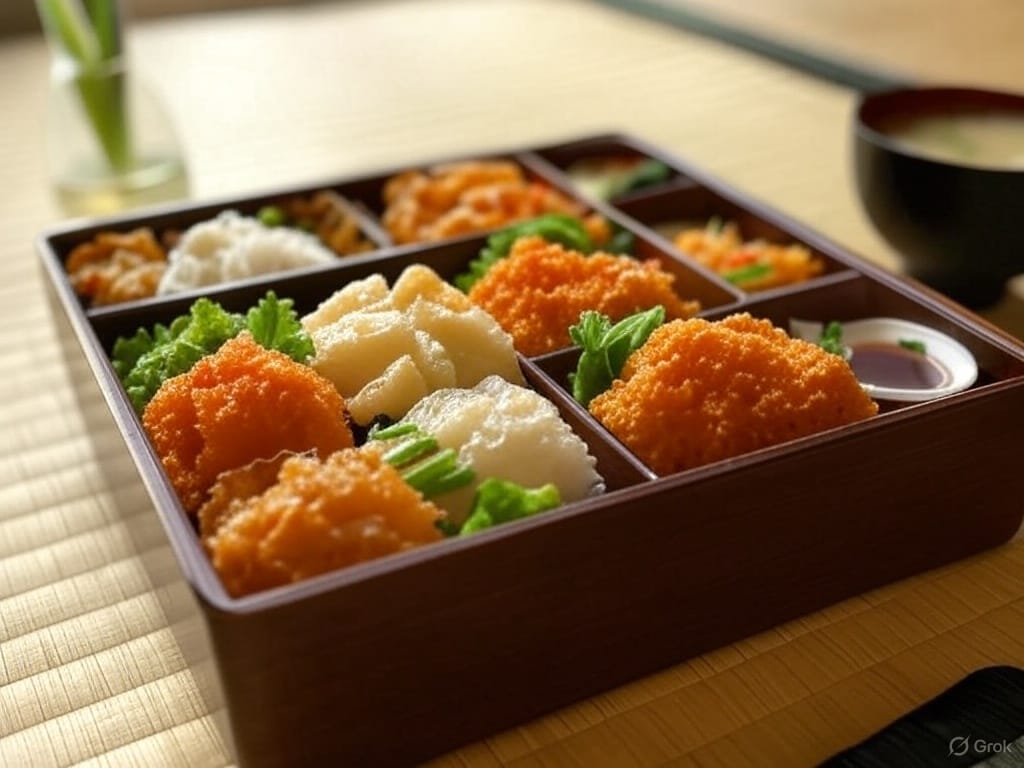
Home-Method Onsen Egg Recipe:
- 4 room-temperature eggs
- 4 cups hot water (158°F/70°C)
- Insulated container
Steps:
- Bring water to exactly 158°F (70°C)
- Pour into an insulated container
- Gently add eggs
- Close container and let sit for 30-40 minutes
- Carefully remove and crack into individual serving bowls
- Serve with a simple sauce of dashi, mirin, and soy sauce
Chawanmushi (茶碗蒸し)
This delicate savory egg custard exemplifies Japanese subtlety, with a silky texture and seasonal ingredients suspended throughout.
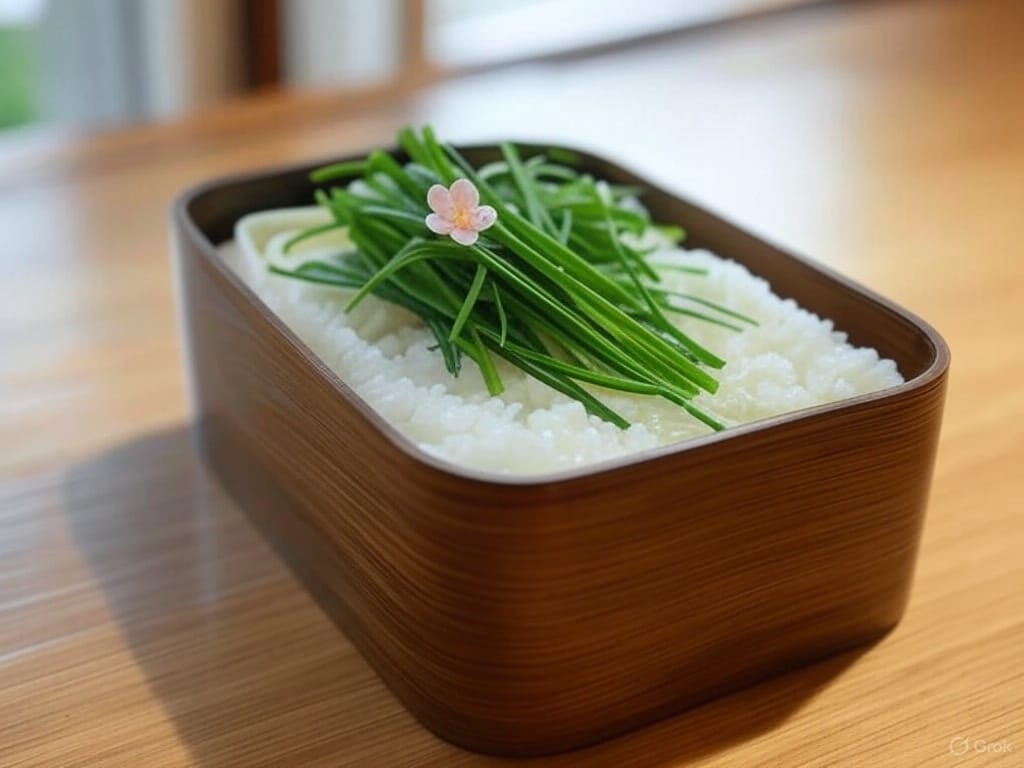
Traditional Chawanmushi Recipe:
- 3 eggs
- 2¼ cups dashi stock
- 1 tablespoon mirin
- 1 tablespoon soy sauce
- Pinch of salt
- Mix of fillings: shrimp, chicken, shiitake mushrooms, kamaboko (fish cake), ginko nuts
- Mitsuba (Japanese parsley) for garnish
Steps:
- Strain eggs through a fine-mesh sieve for silky texture
- Mix with dashi and seasonings
- Distribute fillings among individual heatproof cups
- Pour egg mixture over fillings
- Cover cups with foil
- Steam over low heat for 15-20 minutes until barely set
- Garnish with mitsuba and serve warm
Oyakodon (親子丼)
The name translates to “parent-and-child bowl,” referencing the chicken and egg combination in this comforting rice bowl dish.
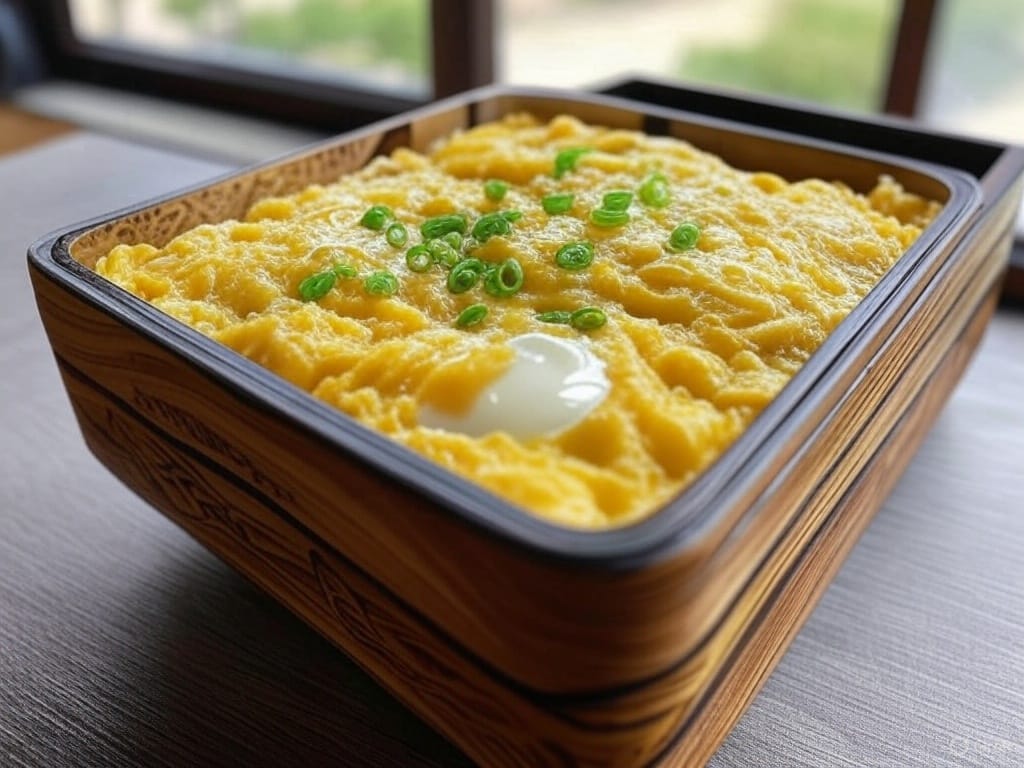
Classic Oyakodon Recipe:
- 2 chicken thighs, cut into bite-sized pieces
- 1 onion, thinly sliced
- 4 eggs, lightly beaten
- 2 cups cooked Japanese short-grain rice
For the sauce:
- 1/2 cup dashi
- 2 tablespoons soy sauce
- 2 tablespoons mirin
- 1 tablespoon sugar
Garnish:
- Sliced green onions
- Shichimi togarashi (Japanese seven-spice blend)
Steps:
- Combine sauce ingredients in a pan and bring to simmer
- Add onions and cook for 3 minutes
- Add chicken and cook until almost done
- Pour beaten eggs over the chicken and onions
- Cover and cook for 30 seconds to 1 minute until eggs are soft-set
- Serve over bowls of hot rice
- Garnish with green onions and shichimi togarashi
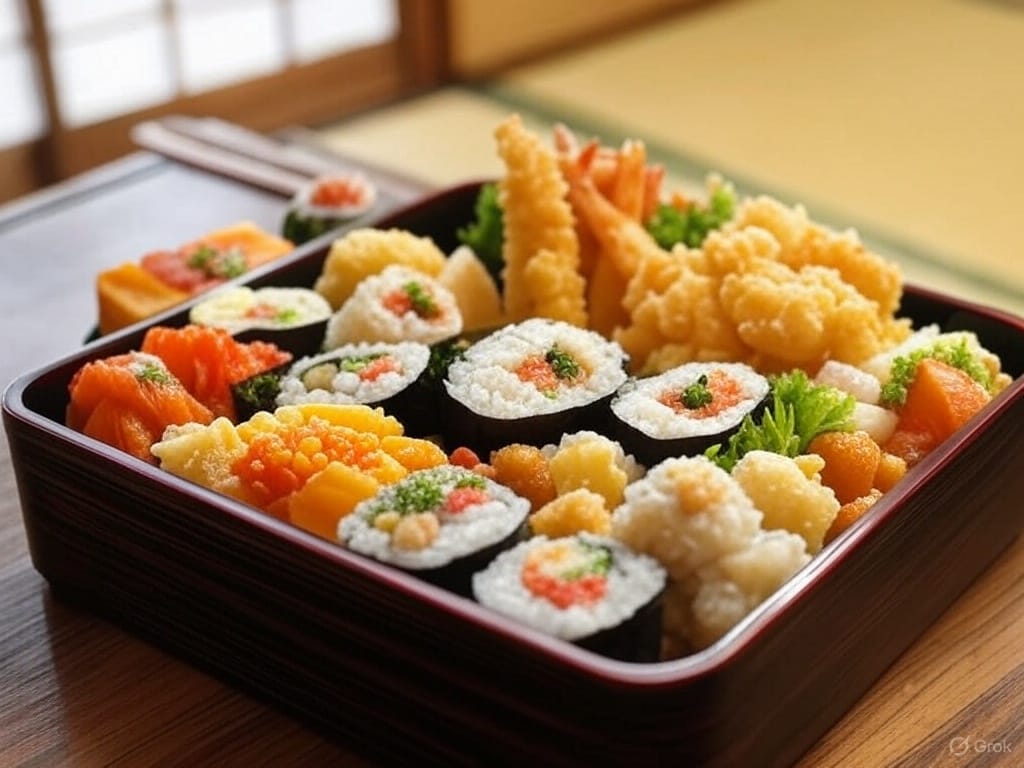
Tamago Sushi (卵寿司)
This sweet omelet is crafted specifically for sushi, with a pillowy texture that melts in your mouth.
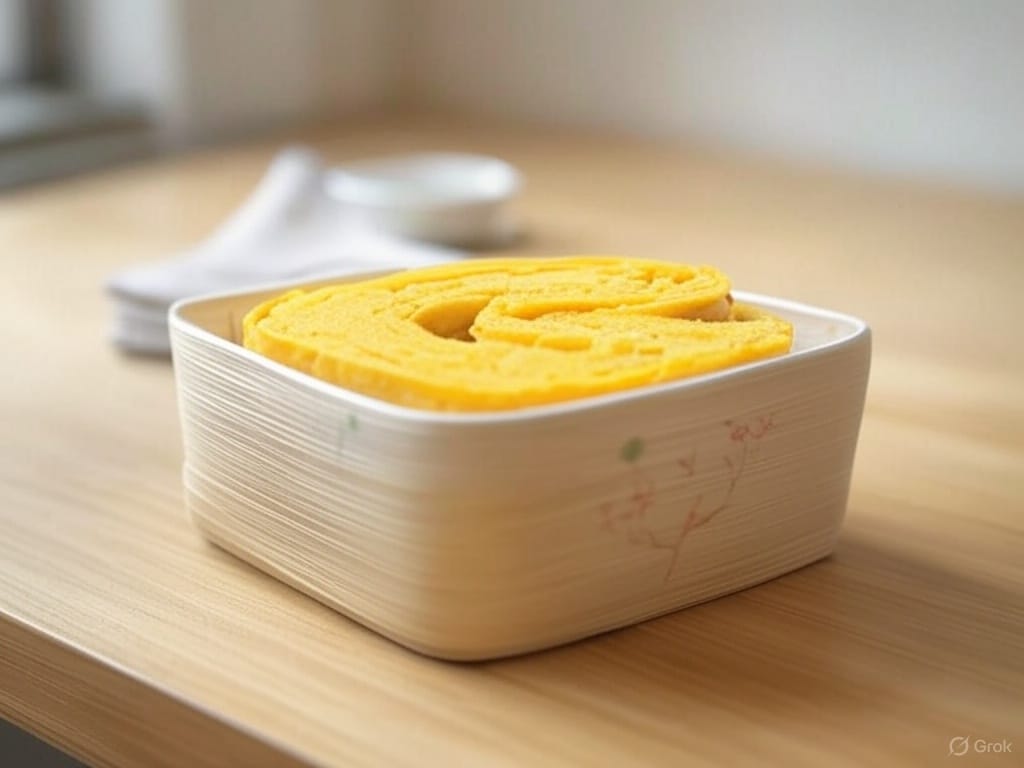
Tamago Sushi Recipe:
- 6 eggs
- 2 tablespoons sugar
- 1 tablespoon mirin
- 1 tablespoon dashi (or water with a pinch of dashi powder)
- 1/2 teaspoon salt
- Oil for cooking
- Sushi rice for forming
Steps:
- Whisk eggs with all seasonings until well combined
- Heat a rectangular pan with a thin layer of oil
- Cook in thin layers, similar to tamagoyaki, but press each layer with a spatula while cooking
- Continue until all egg mixture is used
- Cool completely before cutting into rectangular pieces
- Form sushi rice into rectangular bases
- Place egg on top and secure with a thin strip of nori if desired
Ajitsuke Tamago (味付け卵)
These marinated soft-boiled eggs with custard-like yolks are a popular ramen topping that absorb the savory marinade for a flavor-packed experience.
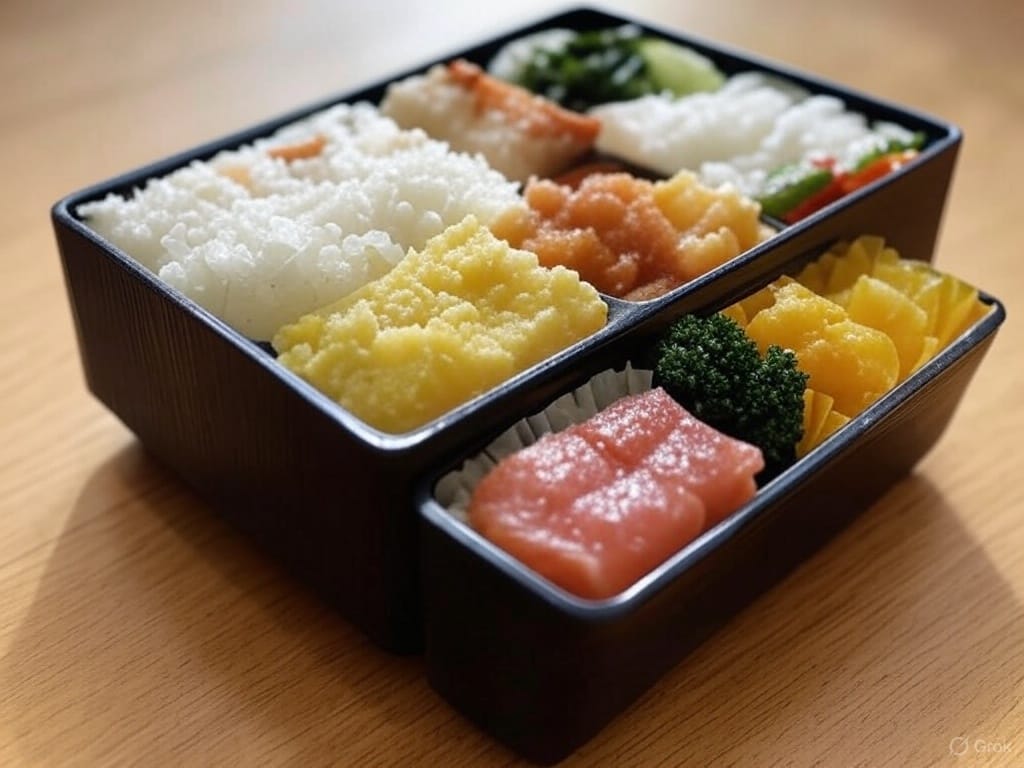
Ramen Egg Recipe:
- 6 large eggs
- 1 cup water
- 1/4 cup soy sauce
- 1/4 cup mirin
- 2 tablespoons sugar
- 1 clove garlic, crushed (optional)
- 1 slice ginger (optional)
Steps:
- Bring a pot of water to a boil
- Carefully add eggs and cook for exactly 6 minutes and 30 seconds
- Transfer immediately to an ice bath to stop cooking
- Peel eggs carefully under running water
- Mix marinade ingredients in a zip-top bag
- Add peeled eggs to marinade
- Refrigerate for at least 4 hours, preferably overnight
- Cut in half before serving to reveal jammy yolks
Dashimaki Tamago (出汁巻き卵)
A variation of tamagoyaki that incorporates dashi stock for an umami-rich flavor profile.
Dashimaki Tamago Recipe:
- 5 eggs
- 1/3 cup dashi stock
- 1 tablespoon mirin
- 1 teaspoon soy sauce
- 1/2 teaspoon sugar
- Pinch of salt
- Vegetable oil for cooking
Steps:
- Combine all ingredients except oil and mix well
- Heat a rectangular tamagoyaki pan with oil
- Pour a thin layer of mixture and cook until barely set
- Roll as with tamagoyaki, creating layers
- Continue until all mixture is used
- Let cool slightly before slicing
Japanese egg dishes showcase how this simple ingredient can be elevated through technique and attention to detail.
Whether incorporated into a quick weeknight meal or presented as part of an elaborate spread, these egg creations offer a taste of Japan’s culinary philosophy
—where even the most humble ingredients can be transformed into something extraordinary through care and craftsmanship.