Japanese culture offers more than aesthetic minimalism—it presents a philosophy of intentional living where small, consistent actions create profound shifts in wellbeing. These practices emerge from centuries of wisdom that honor balance, mindfulness, and deep respect for the rhythms of daily existence.
This collection shares 30 Japanese habits to weave into your routine, from the morning ritual of shinrin-yoku (forest bathing) to the evening practice of ofuro (contemplative bathing). You’ll learn not just to adopt new behaviors, but truly cultivate a life of greater presence and purposeful simplicity.
Morning Water Ritual Upon Waking
Japanese people commonly drink a glass of room temperature water immediately after waking up, before eating or drinking anything else. This practice stems from the belief that water helps flush toxins from the body and prepares the digestive system for the day ahead.
The water should be at room temperature or slightly warm, never ice cold. Cold water can shock the system and slow down digestion, while warm water activates the internal organs more gently.
This simple habit takes less than two minutes but sets a mindful tone for the entire morning routine ahead.

Ikigai Purpose Reflection Practice
Ikigai represents the Japanese concept of finding your reason for being. This practice asks four essential questions: What do you love? What are you good at? What does the world need? What can you be paid for?
Set aside fifteen minutes each morning to write answers in a dedicated journal. The overlap between these four areas reveals your life purpose. Many Japanese people credit this daily reflection with maintaining their motivation and mental clarity well into old age.
This isn’t about grand revelations but small, consistent insights that guide your daily choices and career decisions.

Shinrin-Yoku Forest Bathing Walks
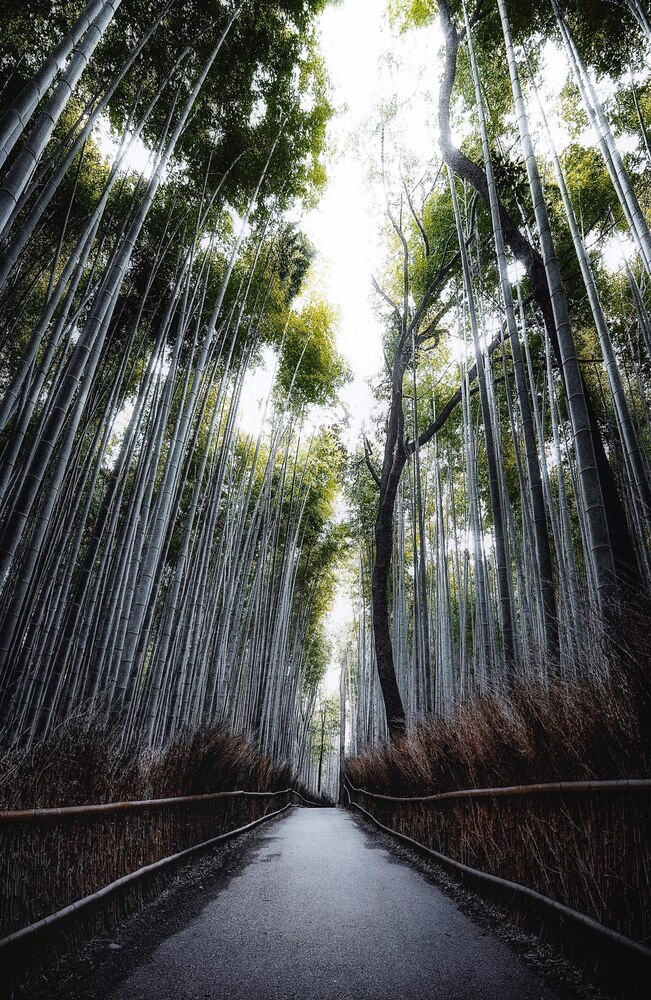
This Japanese practice involves spending mindful time among trees to reduce stress and improve wellbeing. Shinrin-yoku means “forest air bathing” and focuses on using all five senses while walking slowly through wooded areas.
The practice works best when you leave behind phones and cameras. Walk at a relaxed pace, breathe deeply, and notice the sounds of birds, the feel of bark, and the scent of pine needles. Studies show that time spent in forests lowers cortisol levels and blood pressure.
You can practice forest bathing in any natural setting with trees, from city parks to mountain trails.
Hara Hachi Bu Mindful Eating
This traditional Okinawan practice means eating until you’re 80 percent full rather than completely stuffed. The approach creates natural portion control without strict calorie counting or food restrictions.
You pay attention to your body’s signals during meals, stopping before that uncomfortable fullness hits. Eating slowly helps you recognize when you’ve reached that comfortable satisfaction point. Many people place their chopsticks down between bites to slow the pace.
This mindful eating technique supports better digestion and helps maintain a healthy weight. The practice teaches you to enjoy food while respecting your body’s actual needs rather than external portion sizes.

Omotenashi Thoughtful Hospitality Mindset
Omotenashi represents the Japanese approach to hospitality that anticipates needs before they’re expressed. This practice shows up in daily life through small gestures like warming teacups before serving tea or preparing guest slippers at the entrance.
You can apply this mindset by thinking ahead about others’ comfort. Set out fresh towels when guests visit, or keep the temperature pleasant before someone arrives home.
The key is thoughtful preparation rather than grand gestures. Notice what might make someone’s experience smoother and handle it quietly. This attention to detail creates warmth in relationships and strengthens your connection with others.
Wabi-Sabi Imperfection Appreciation
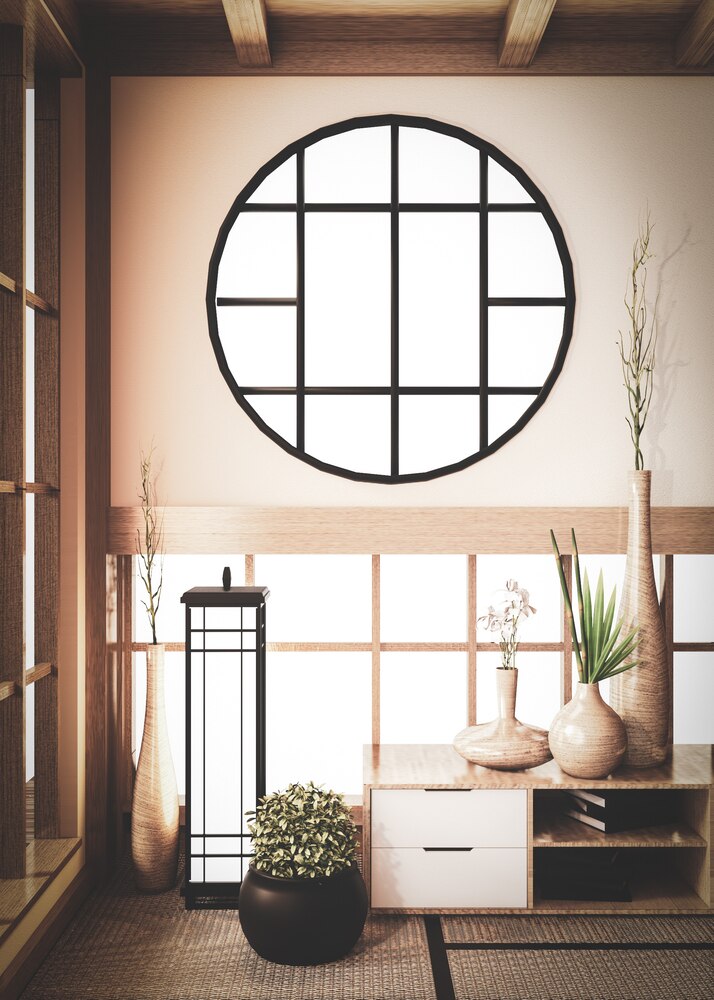
This Japanese philosophy finds beauty in worn textures and natural aging. A cracked ceramic bowl tells a story through its imperfections. Weathered wood furniture shows character that new pieces cannot replicate.
The concept teaches you to stop chasing perfection in your daily surroundings. Wabi-sabi celebrates the authentic marks that time leaves behind. A faded cushion or slightly asymmetrical handmade item holds more value than factory-perfect objects.
You can practice this mindset by keeping items with small flaws instead of replacing them. Embrace the natural wear that comes from regular use and appreciate how objects evolve alongside you.
Kaizen Continuous Small Improvements
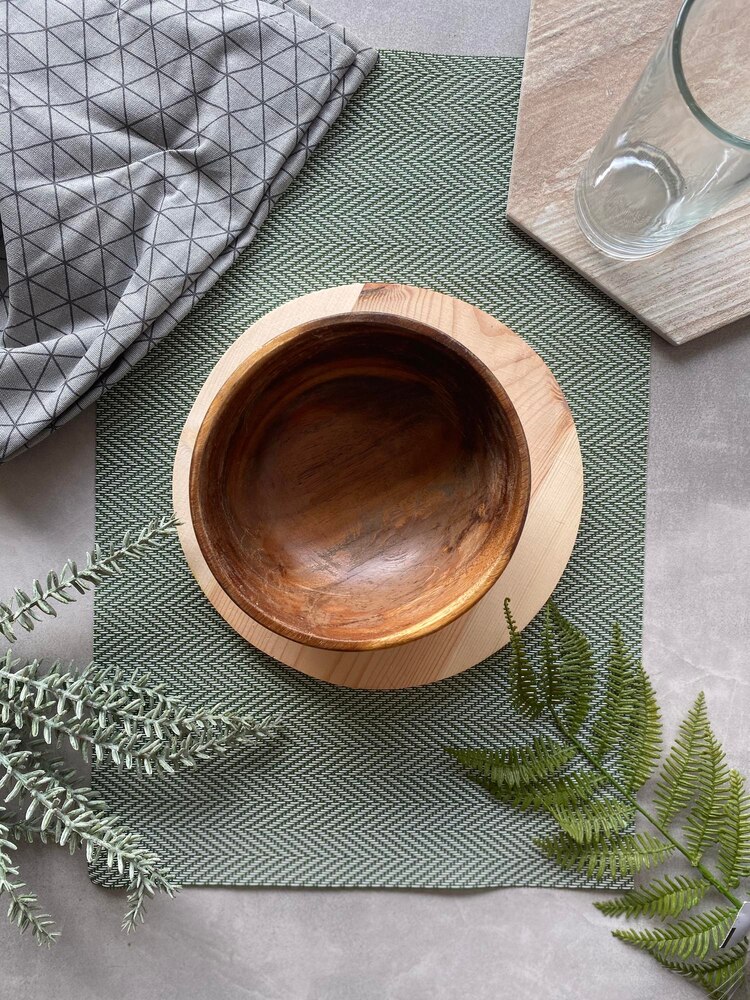
The Japanese philosophy of kaizen focuses on making tiny improvements every single day rather than waiting for dramatic changes. This approach means you might organize one drawer instead of an entire closet, or spend five minutes learning new vocabulary instead of cramming for hours.
These small daily actions add up over time without creating stress or burnout. You build momentum gradually, which makes positive changes feel natural and sustainable.
The practice teaches that consistent effort matters more than perfection, helping you develop lasting habits that genuinely improve your life.

Ofuro Evening Bath Meditation
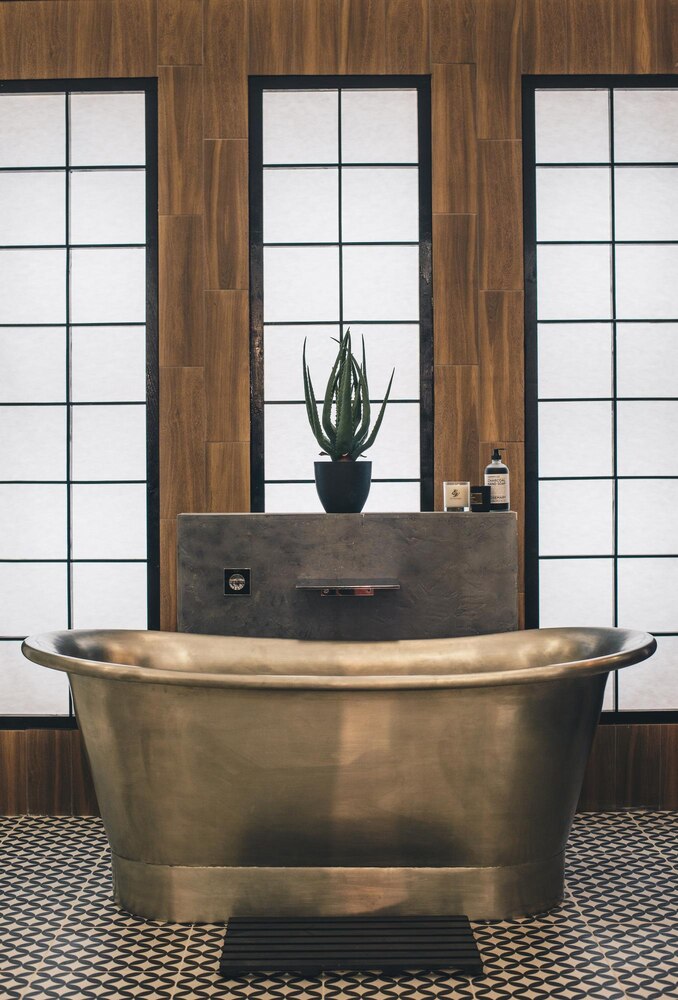
The ofuro represents more than just a bath in Japanese culture. This nightly ritual involves soaking in a deep tub filled with very hot water, typically around 40-42°C. The practice focuses on mental relaxation rather than washing, which happens before entering the tub.
Japanese families often share the same bathwater, making it a communal experience that strengthens bonds. The deep soaking allows water to reach shoulder height, creating gentle pressure that relaxes muscles and calms the mind.
This evening meditation helps transition from work to rest, preparing the body for quality sleep through warmth and stillness.
Zazen Seated Breathing Sessions
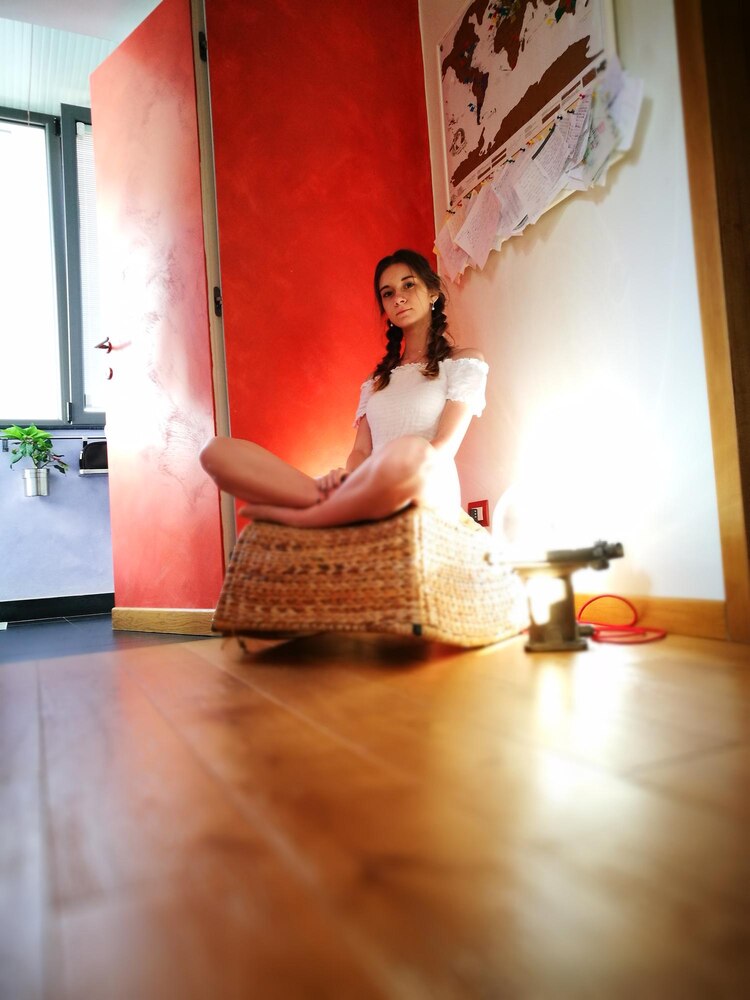
Zazen is a traditional form of seated meditation practiced in Zen Buddhism. You sit on a cushion with crossed legs and focus on your breathing while keeping your back straight. This practice helps calm the mind and brings awareness to the present moment.
Many Japanese people practice zazen regularly at local temples or in their homes. Sessions typically last between 20 to 40 minutes. The goal is to observe your thoughts without judgment and return attention to your breath whenever your mind wanders.
Regular zazen practice can reduce stress and improve mental clarity throughout your day.
Kakeibo Household Budget Journaling
Kakeibo is a century-old Japanese budgeting method that uses pen and paper to track every expense. You write down your income at the start of each month, then record daily purchases in categories like needs, wants, culture, and unexpected costs.
This simple practice creates mindful spending habits because physically writing each transaction makes you pause and consider whether you really need that purchase. At month’s end, you review your entries and reflect on what worked.
The system helps identify spending patterns and encourages small adjustments that add up to significant savings over time.
Shoshin Beginner's Mind Approach
Shoshin means approaching life with a fresh perspective, even when you have experience. This Japanese concept encourages you to set aside assumptions and see situations as if for the first time. When you adopt this mindset, you remain open to learning and growing throughout your entire life.
Practice shoshin by asking questions instead of assuming you already know the answers. Notice details you might have overlooked before. This approach keeps your mind flexible and prevents you from becoming stuck in rigid patterns of thinking.
The beginner’s mind helps you stay curious and engaged with daily activities, making ordinary moments feel meaningful again.
Mottainai Resource Gratitude Practice
This Japanese philosophy teaches people to feel grateful for every resource and avoid waste. Mottainai expresses regret when something useful goes to waste, whether it’s food, water, or materials. The practice encourages you to repair broken items instead of replacing them immediately.
You can apply this mindset by using leftover ingredients creatively, fixing torn clothing, and repurposing containers. Japanese families often save vegetable scraps for stock and use every part of an ingredient.
This resource gratitude practice reduces household waste while building appreciation for what you already own. The habit creates both environmental benefits and financial savings over time.
Gaman Quiet Endurance Cultivation
Gaman represents the Japanese practice of persevering through difficult situations with dignity and self-control. This cultural value teaches people to maintain composure during hardship without complaining or showing distress outwardly.
The practice shows up in daily life when someone faces workplace stress, personal setbacks, or physical discomfort. Rather than expressing frustration immediately, practitioners pause and respond with measured calm. This approach builds emotional resilience over time.
You can apply gaman by taking three deep breaths before reacting to challenges. The habit creates mental space between feeling and action, helping you respond thoughtfully rather than impulsively to life’s obstacles.
Oubaitori Personal Growth Without Comparison
Oubaitori refers to four different trees—plum, cherry, peach, and apricot—that bloom in their own time and beauty. This Japanese concept teaches that each person develops at their own pace without needing to match others’ timelines.
Instead of measuring success against friends or colleagues, you focus on your personal progress. A 30-year-old starting a new career path follows a different timeline than someone who began at 22, and both paths hold equal value.
This practice reduces stress and builds genuine confidence. You celebrate small improvements in your own abilities rather than feeling inadequate when comparing yourself to others.
Ma Intentional Pause and Space
The Japanese concept of ma describes the purposeful gaps between actions, objects, and moments. This practice values empty space as much as what fills it. In daily life, ma appears in the pause between sips of tea or the silence between spoken words.
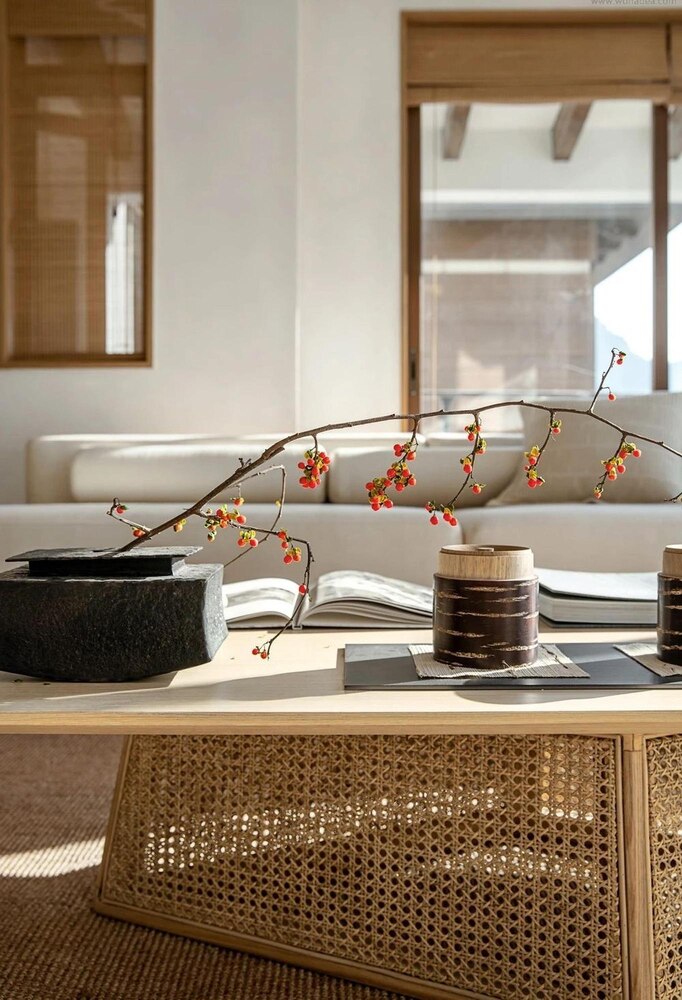
Japanese homes reflect this principle through minimal furnishings and uncluttered rooms. Negative space receives careful attention, allowing each item to breathe and stand out. This creates visual calm and mental clarity.
Applying ma means resisting the urge to fill every moment with activity or noise. Brief pauses throughout your day provide natural reset points that reduce stress and improve focus.
Kintsugi Embracing Life's Repairs
Kintsugi is the Japanese art of repairing broken pottery with golden lacquer, making the cracks visible rather than hidden. This practice teaches that damage and repair become part of an object’s history, not something to hide or feel ashamed about. The gold-filled seams create beautiful patterns that make each piece unique.
You can apply this philosophy to your own life by accepting past mistakes and difficult experiences as part of your story. Instead of pretending problems never happened, recognize how they shaped who you are today. Scars and repairs add character and strength to your personal growth.
Omoiyari Compassionate Consideration
This Japanese concept centers on anticipating others’ needs before they ask. Omoiyari means thinking about how your actions affect people around you and adjusting your behavior accordingly.
In daily life, this appears in small gestures like speaking quietly on public transportation or bringing extra umbrellas for colleagues. People practice thoughtful consideration by removing shoes at entrances to keep homes clean or wrapping gifts with extra care.
The practice teaches you to observe social situations closely and respond with kindness. This mindful approach to relationships creates harmonious communities where everyone feels respected and valued.
Hansei Daily Self-Reflection Time
Hansei is a Japanese practice of daily self-reflection that takes just five to ten minutes each evening. You sit quietly and review your day, thinking about what went well and what could be improved. This isn’t about harsh self-criticism but honest assessment.
Many Japanese people keep a small notebook where they write down their reflections. They note specific moments from the day and consider how their actions affected others. This regular practice builds self-awareness and helps prevent repeating mistakes.
The habit creates a pattern of continuous personal growth through simple, consistent reflection.
Nemawashi Thoughtful Consensus Building
Nemawashi means “laying the groundwork” and describes the Japanese practice of building agreement before formal meetings happen. Instead of surprising colleagues with new proposals, people have quiet conversations beforehand to gather input and address concerns. This approach creates smoother decision-making because everyone feels heard.
The practice works well in family settings too. Discussing vacation plans or household changes individually first helps avoid conflicts later. People share their perspectives in comfortable, one-on-one conversations rather than during tense group discussions.
This method takes more time upfront but prevents misunderstandings and resentment. Consensus-building strengthens relationships through respect and patience.
Mono No Aware Transient Beauty Awareness
Mono no aware teaches you to notice and appreciate the fleeting nature of beautiful moments. Cherry blossoms bloom for just a few weeks each spring, reminding people that nothing lasts forever. This awareness makes each experience more precious and meaningful.
You can practice this by pausing to observe seasonal changes in your surroundings. Notice how morning light shifts throughout the year or how leaves transform from green to gold. These small observations help you stay present and grateful.
This mindset reduces stress about permanence and encourages you to savor what you have right now instead of worrying about tomorrow.
Shirin-Yoku Afternoon Nature Breaks
The Japanese practice of shinrin-yoku, or forest bathing, turns afternoon walks into healing rituals. Workers step away from their desks to spend time among trees, breathing in fresh air and observing natural surroundings. This isn’t about exercise or hiking long distances.
The focus stays on being present in nature. People walk slowly through parks or wooded areas, noticing the texture of bark, listening to rustling leaves, and feeling sunlight filter through branches. Research shows these breaks reduce stress hormones and lower blood pressure.
Even twenty minutes among trees can refresh your mind and improve your mood for the rest of the day.
Seijaku Active Stillness Practice
Seijaku describes the practice of finding calm within motion, a concept that shapes daily routines across Japan. This approach teaches you to maintain inner quiet while completing active tasks like cooking, cleaning, or walking.
You can apply seijaku by focusing completely on one activity at a time. When washing dishes, notice the water temperature and the smooth surface of each plate. When folding laundry, pay attention to the fabric texture and your precise hand movements.
This mindful awareness during ordinary tasks reduces mental noise and creates moments of peace throughout your busy day.
Yugen Subtle Profundity Recognition
Yugen teaches you to notice the beauty that words cannot fully capture. This Japanese concept values the profound feelings that arise when you watch autumn leaves fall or see moonlight filter through clouds. These moments carry a depth that goes beyond simple prettiness.
You can practice yugen by pausing during everyday activities. Notice the steam rising from your morning tea or the way shadows shift across your floor. These subtle observations help you appreciate life’s quiet elegance.
This awareness brings mindful appreciation into ordinary moments, creating a richer daily experience without requiring major life changes.
Ganbaru Persistent Effort Spirit
The Japanese concept of ganbaru means persisting through challenges without giving up. This mindset appears in workplaces, schools, and daily routines across Japan. People embrace difficulties as natural parts of growth rather than reasons to quit.
This approach creates steady progress over time. Instead of seeking quick results, ganbaru encourages consistent effort even when motivation fades. Small daily actions compound into significant achievements.
You can apply this principle by committing to regular practice in areas that matter to you. The focus stays on showing up repeatedly, not on immediate perfection or success.
Osoji Seasonal Deep Cleaning
Japanese homes undergo osoji, a thorough deep cleaning ritual performed twice yearly, typically at year-end and mid-summer. This practice goes beyond regular tidying to address every corner of the living space. Families clean windows, walls, and hard-to-reach areas that accumulate dust throughout the seasons.
The tradition creates a fresh start and maintains a healthy home environment. Many people involve the entire household, turning the task into a shared activity. Osoji represents renewal and respect for your living space, ensuring your home remains comfortable and welcoming throughout the changing seasons.
Komorebi Dappled Sunlight Appreciation
The Japanese concept of komorebi describes sunlight filtering through tree leaves, creating patterns of light and shadow on the ground. This specific word exists because Japanese culture values these fleeting natural moments that many other languages overlook.
Practicing komorebi appreciation means pausing during walks to notice how dappled light shifts across paths and surfaces. You might observe it during morning coffee or afternoon breaks, watching how brightness changes throughout the day.
This habit trains you to slow down and notice small environmental details that bring calm. Regular observation of natural light patterns can reduce stress and increase mindfulness in daily routines.
Tsundoku Mindful Book Collection
Tsundoku describes the Japanese practice of acquiring books and letting them pile up unread. Rather than viewing this as clutter, it represents a mindful approach to building your personal library. The stacks become a visual reminder of knowledge waiting to be absorbed.
This habit encourages you to surround yourself with books that genuinely interest you. Each unread spine represents future growth and learning opportunities. The practice removes guilt from buying books before finishing others.
Create dedicated spaces where your tsundoku collection can grow naturally. These stacks become part of your living environment, inspiring curiosity and reflection daily.
Natsukashii Nostalgic Memory Honoring
The Japanese concept of natsukashii describes a warm, bittersweet feeling when remembering the past. This practice encourages people to actively honor their memories through small rituals and keepsakes. Many Japanese families maintain photo albums and memory boxes filled with concert tickets, postcards, and childhood drawings.
Creating a memory corner in your home provides a dedicated space for reflection. Display old photographs alongside meaningful objects that spark joy and gratitude. This intentional practice helps you appreciate how past experiences shaped who you are today.
Regular reminiscing strengthens family bonds and personal identity while reducing stress through positive reflection.
Shouganai Acceptance of Unchangeable Things
The Japanese phrase shouganai translates to “it cannot be helped” and represents a practical approach to life’s uncontrollable circumstances. When trains run late or rain cancels outdoor plans, this mindset helps people accept reality without wasting energy on frustration.
This practice teaches you to distinguish between what you can control and what you cannot. Instead of dwelling on setbacks, you acknowledge them and redirect your focus toward productive solutions.
Adopting shouganai reduces stress and builds emotional resilience. You learn to move forward quickly after disappointments, maintaining peace of mind even when situations don’t match your expectations.
Ichigo Ichie Once-in-a-Lifetime Moment Presence
Ichigo ichie translates to “one time, one meeting” and teaches you to treat each moment as unique and unrepeatable. This Japanese concept encourages full presence during daily interactions, whether sharing tea with a friend or watching morning light filter through your window.
You practice this habit by putting away distractions and focusing completely on what’s happening right now. Notice the warmth of your cup, listen closely to conversations, and appreciate the small details around you.
This mindset reduces anxiety about the future and regret about the past. Each experience becomes more meaningful when you recognize it won’t happen exactly this way again.