There’s something deeply soothing about Japanese cleaning tools.
They’re simple.
Made with care.
And often designed to last a lifetime.
Many of these tools are rooted in centuries of tradition — crafted not just to clean, but to bring mindfulness and beauty into everyday tasks. Let’s explore a few you may have never heard of, and how they can gently transform your cleaning routine 🍃
🧹 1. Hoki (Japanese Broom)
The hoki is a hand-tied broom made from natural fibers like sorghum or palm bark.
🧹 Beautiful Japanese Hand Broom
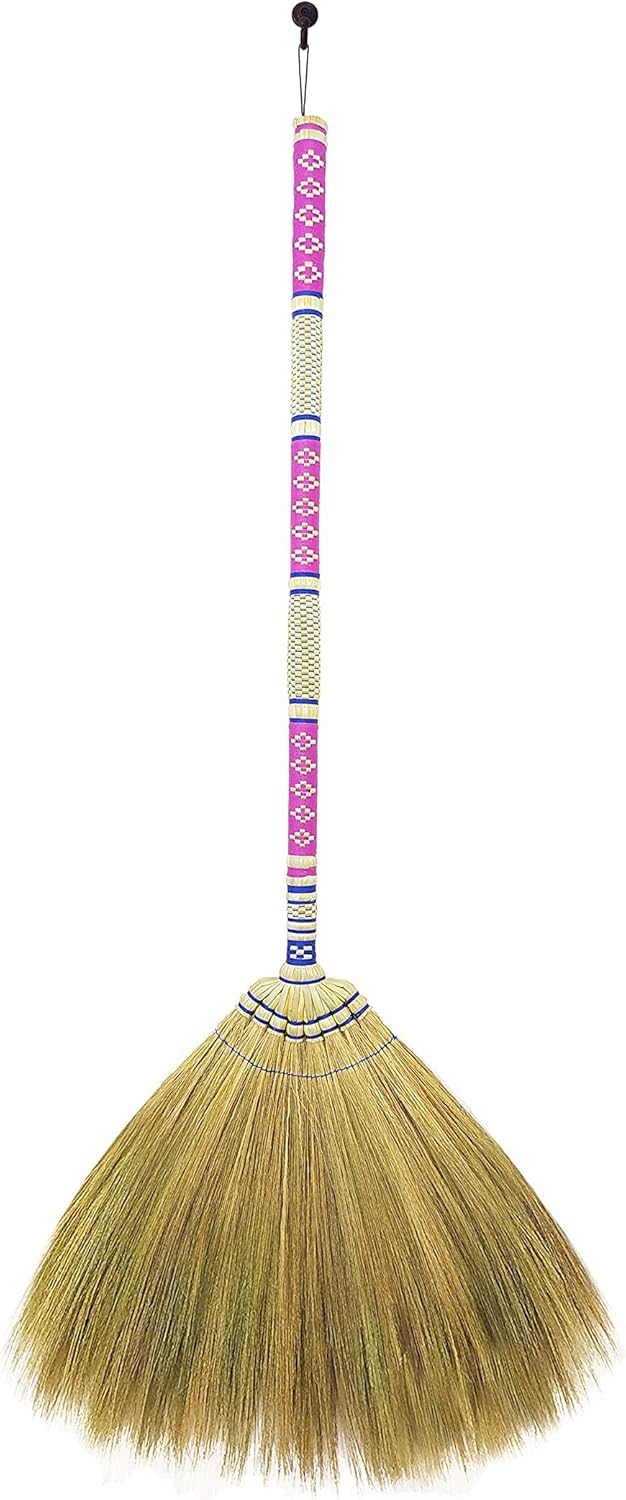
This handmade-style broom is not only practical, it’s also aesthetically pleasing. Ideal for Japanese-inspired interiors or mindful cleaning routines. Beautiful and functional — a true wabi-sabi tool.
View on AmazonUnlike synthetic brooms, it makes a soft, swishing sound and lifts dust without scattering it. It’s often paired with a wooden dustpan (chiritori).
Try this: Sweep your entryway in slow, rhythmic motions. It’s surprisingly calming — almost like a walking meditation.
🪣 2. Oke (Wooden Bucket)
Used in traditional bathhouses, the oke is a lightweight wooden bucket made of cypress or cedar.
🪣 Traditional Japanese Wooden Bath Bucket (Oke)

This handcrafted wooden bucket brings a piece of Japanese bathhouse tradition into your home. Perfect for mindful, slow bathing rituals — it’s both practical and beautiful.
Explore on AmazonThough often associated with bathing, many Japanese people use it for rinsing floors or soaking laundry. The wood releases a subtle, calming scent.
Inspiration: Swap your plastic bucket for something natural. A simple change can make cleaning feel more grounded.
🧼 3. Tawashi (Scrubbing Brush)
The tawashi is a palm-fiber brush used for dishes, sinks, and even root vegetables.
🧽 Classic Japanese Tawashi Scrub Brush

This traditional Tawashi brush is a staple in Japanese homes. Ideal for cleaning vegetables, dishes, or surfaces — it’s sturdy, eco-friendly, and lasts for years. A must-have for simple, mindful cleaning.
Shop on AmazonIt’s firm but gentle — and often replaces sponges entirely. Some versions now come in softer materials for delicate surfaces.
Mindset shift: Instead of tossing a sponge every few weeks, try a tawashi that lasts for years. Eco-friendly and satisfying to use.
🪟 4. Washi Cloths
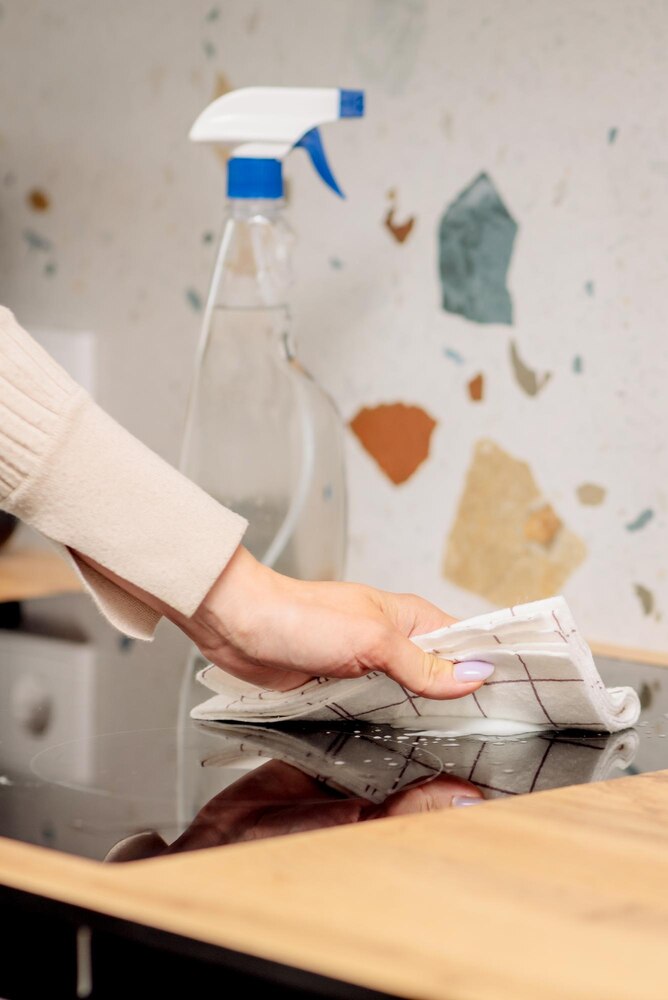
Made from traditional Japanese paper, washi cloths are surprisingly strong and absorbent.
🧼 Japanese-Style Washi Dishcloths
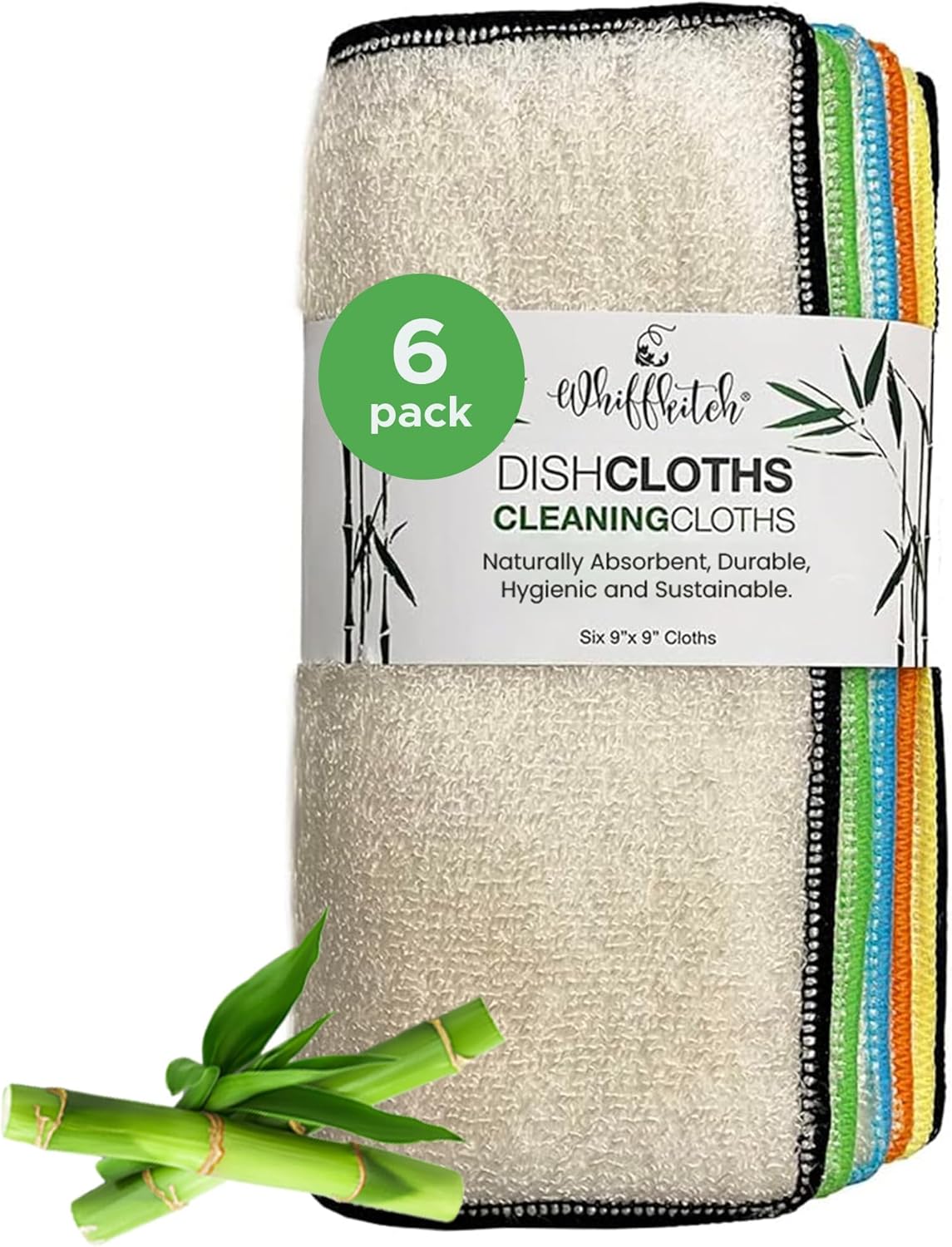
These Japanese-inspired dishcloths are ultra-absorbent, fast-drying, and perfect for daily cleaning. Made to be reusable and eco-friendly — a stylish, sustainable upgrade for your kitchen.
Check it Out on AmazonThey’re used to wipe surfaces, polish wood, or clean glass without leaving streaks. And when they’re worn out? You compost them.
Simplicity tip: Look for reusable cloths made from natural fibers — or try a washi version for glass and mirrors.
🧽 5. Fukin (Reusable Kitchen Cloth)
The fukin is a soft, woven cotton cloth used for wiping dishes, drying hands, or cleaning tables.
🧻 Traditional Japanese Fukin Dish Cloth

This Fukin dish cloth is a staple in traditional Japanese kitchens. Highly absorbent and fast-drying, it’s perfect for wiping, drying, or polishing — a beautiful, reusable alternative to paper towels.
See on AmazonWashed and sun-dried daily, it replaces paper towels in many Japanese homes. Some are even embroidered or dyed with indigo.
Gentle practice: Keep a few folded fukin near the sink. Use them intentionally — then enjoy the ritual of hanging them in the sun.
🪑 6. Tatami Brush
If you have tatami mats or natural fiber rugs, a tatami brush is a must.
Its curved bristles follow the weave of the mat, gently loosening dirt without damaging the surface.
Even if you don’t own tatami: This tool works beautifully on straw baskets, textured rugs, or woven seat cushions.
🌬 7. Japanese Feather Duster (Hane-houki)
Delicate and elegant, the hane-houki is made from ostrich or chicken feathers.
🪶 Japanese Lambswool Feather Duster (Hane-houki)
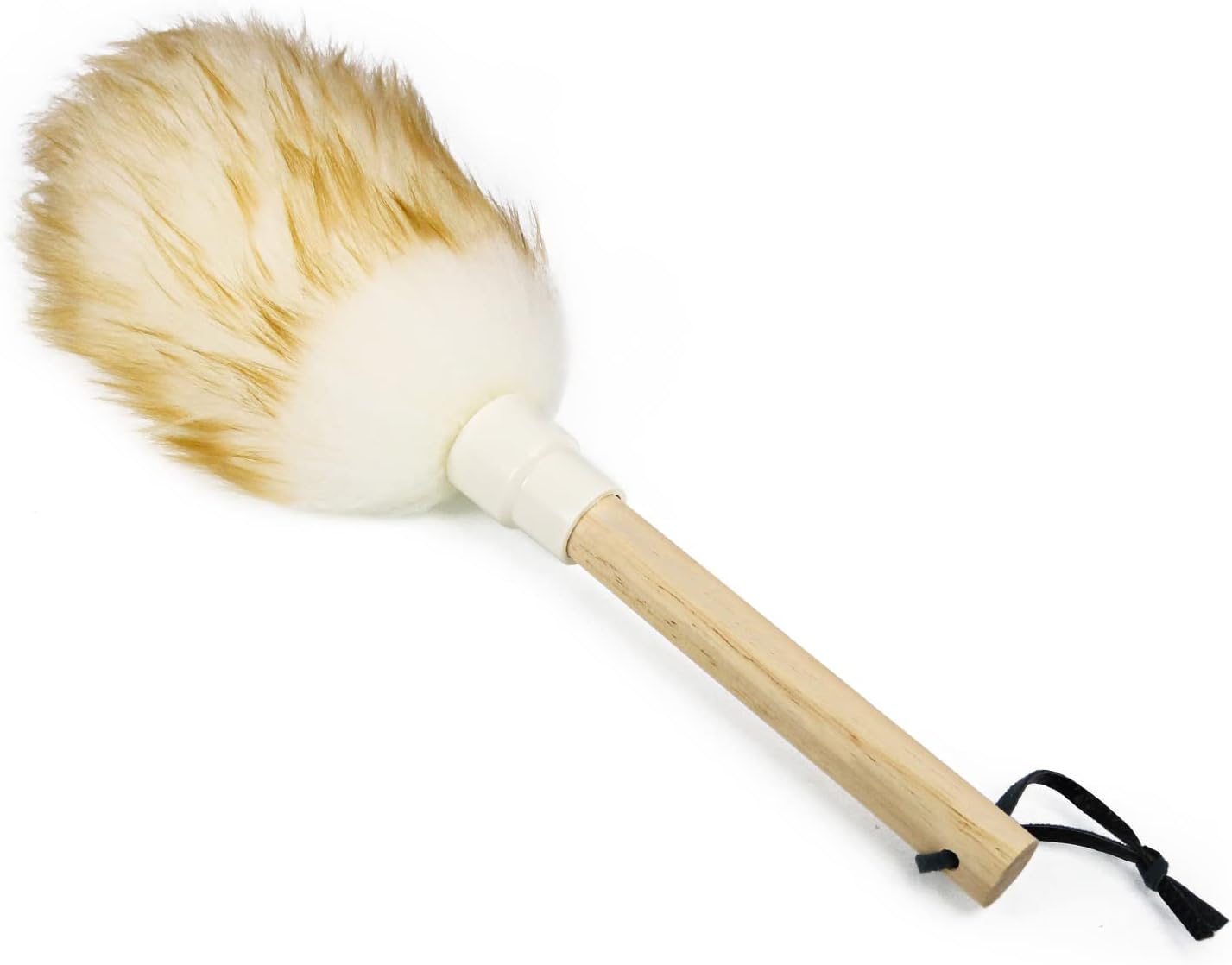
Soft, lightweight, and anti-static — this Japanese feather duster is perfect for delicate surfaces, instruments, or furniture. It’s a beautiful tool that makes dusting feel peaceful and satisfying.
View on AmazonIt’s used for gently dusting shelves, shoji screens, and fragile ceramics — places where a rag might be too harsh.
Use it as a ritual: Dust your favorite corner once a week. Light a candle. Let it become a soft moment of reset.
🍵 Cleaning as a Quiet Ceremony
Japanese cleaning tools are not about efficiency alone — they reflect a deeper intention.
To honor your home.
To move slowly.
To create moments of peace in the mundane.
Even a broom can be a teacher, if you let it.
Final thought:
You don’t need to own every traditional tool.
But maybe… bringing just one into your space will remind you to clean not just for cleanliness, but for calm.
One soft sweep at a time 🌿