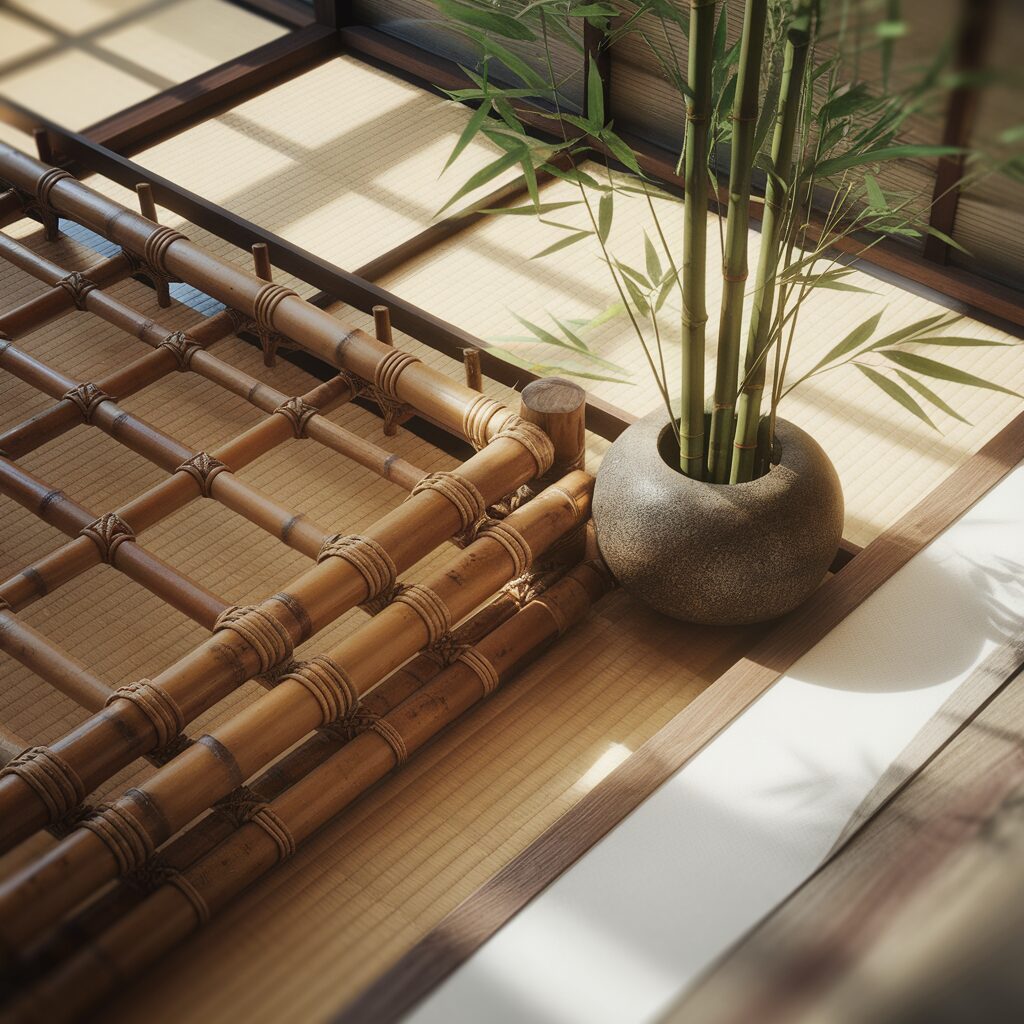
Okay, so you asked about Japanese deep cleaning and now here I am, armed with microfiber cloths, too much tea, and oddly specific feelings about towel folding. Want the good stuff? I got you. I started doing serious Japanese-style cleans a few years back because my tiny apartment kept fighting me, and honestly, the ritual changed how I live in my space.
Let’s be honest: deep cleaning sounds like a horror movie where I’m the villain. But I promise (well, I swear by this) it becomes less terrifying when you treat it like a series of small, deliberate moves instead of one giant chore mountain. Ready to nerd out with me about techniques, tools, and timing?
What "Japanese deep cleaning" Actually Means
When I say Japanese deep cleaning, I don’t just mean wiping counters and calling it a day. I mean the cultural practice called Ōsōji — a thorough purge and refresh that clears space and mind. I felt the difference the first time I did a full sweep: my apartment looked cleaner, but my headspace cleared more.
Why does it matter? Because Japanese deep cleaning combines practical steps with a mindset shift: you clean to respect your space and to reset. Sounds dramatic? Maybe. Effective? Absolutely.
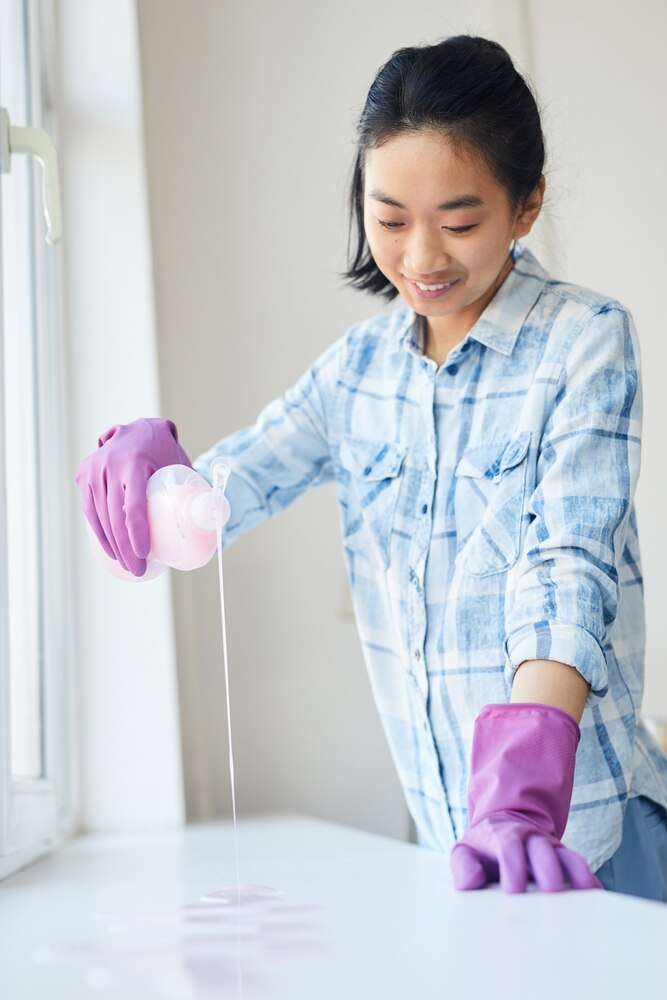
Mindset: The Way I Think About the Process
I approach this like a short retreat, not punishment. I ask, “What do I actually need?” and then act. That question stops me from keeping junk out of nostalgia or laziness.
Small rituals help. I put on a playlist, open windows, and make green tea. Sounds extra? Who am I to judge? Those tiny comforts keep me motivated when I hit the grime zone.
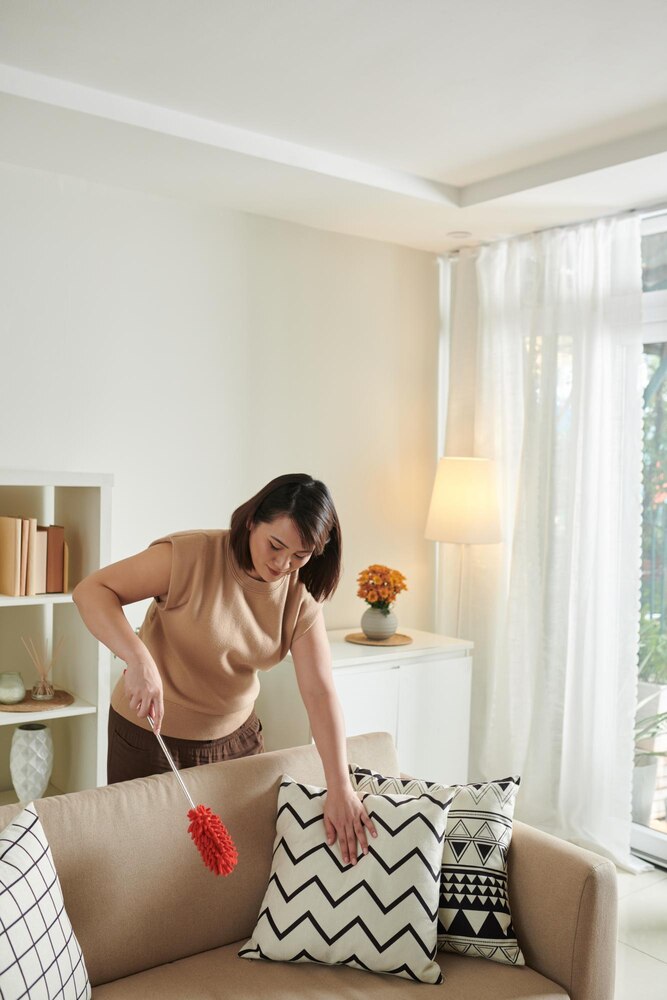
My Room-by-Room Order (because sequence matters)
I follow a strict order so I don’t re-dirty what I just cleaned. Work smarter, not harder, right?
- Start high: dust ceilings, light fixtures
- Move to walls and windows
- Focus on furniture — top to bottom
- Finish floors and baseboards
I usually do the living room first because it sets the tone. Kitchen and bathroom come last since they produce the most mess. FYI, following an order saves me at least 30 minutes per session.
Decluttering Rules I Actually Use
Decluttering sounds simple but I overthink it every single time. My rule: if it hasn’t been used in a year and doesn’t spark a very specific joy, it goes. No, not the vague “maybe one day” joy.
Quick decision prompts
- Have I used it in 12 months?
- Does it have sentimental value that matters today?
- Can I replace it for less than the storage cost?
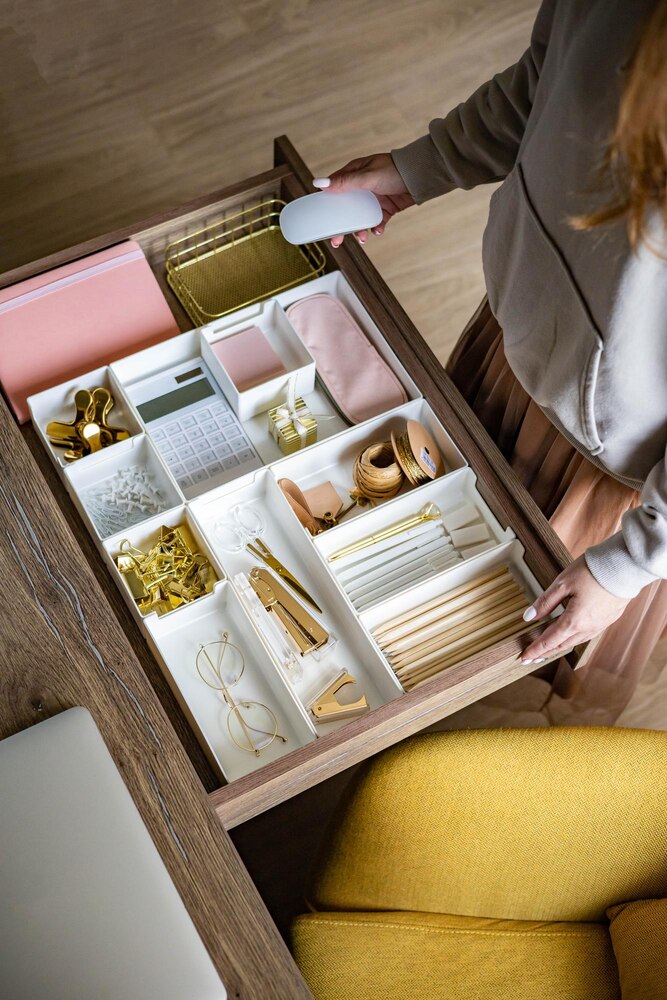
I make three piles: keep, donate, toss. I finish the session by immediately boxing donations so they don’t pretend to be decor forever.
Tools and Cleaners I Reach For Every Time
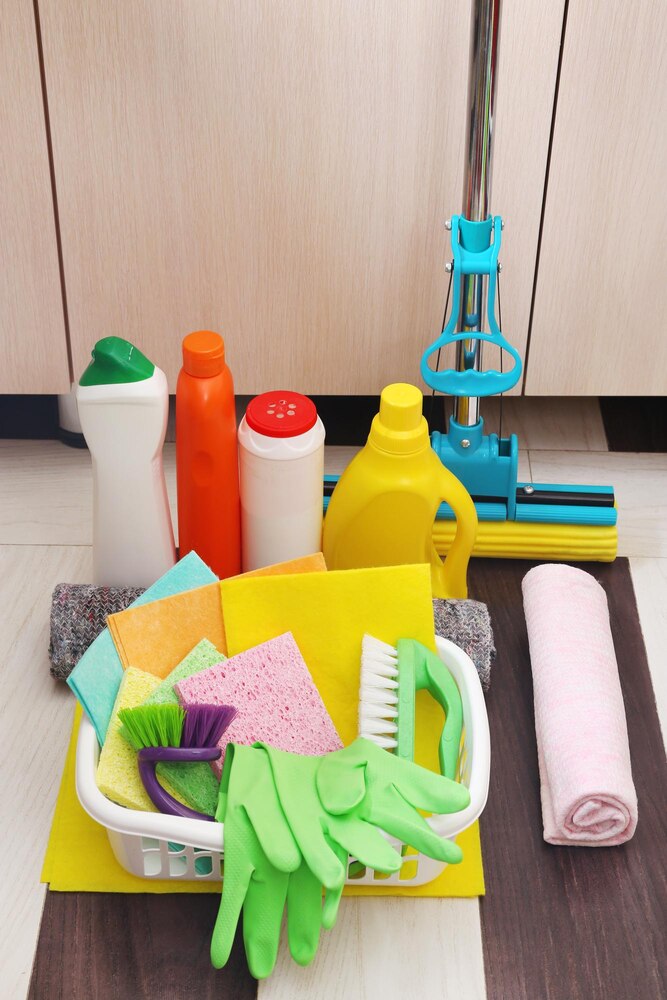
I don’t have a janitor’s closet, but I do have essentials that make a world of difference. I swear by a few reliable items.
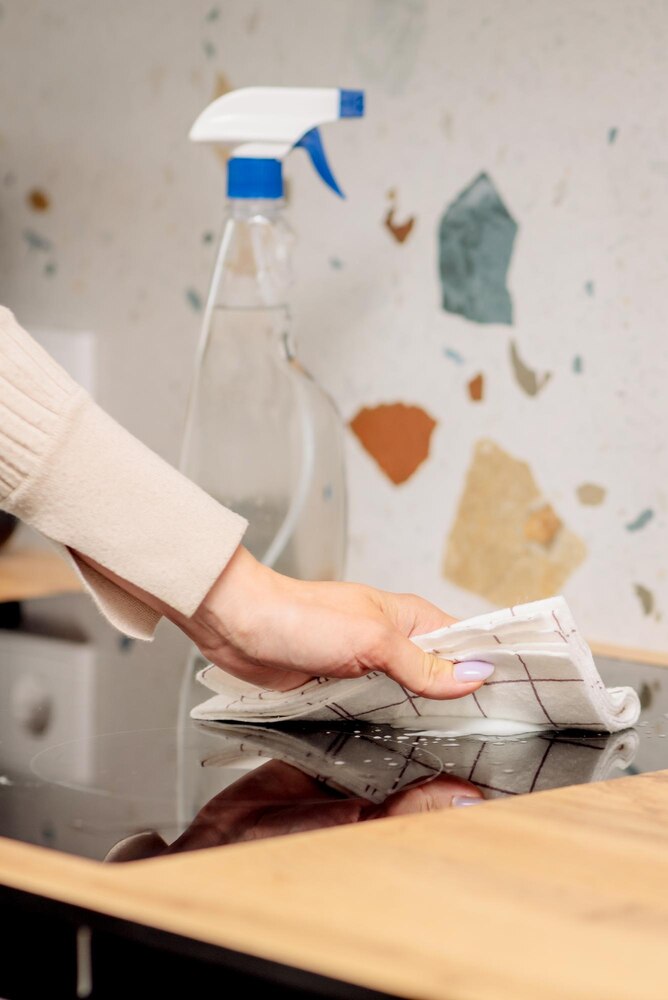
- Microfiber cloths — multiple colors so I don’t cross-contaminate
- Spray bottle with diluted vinegar and water
- Baking soda for scrubbing without scratching
- Soft-bristle brush for grout and crevices
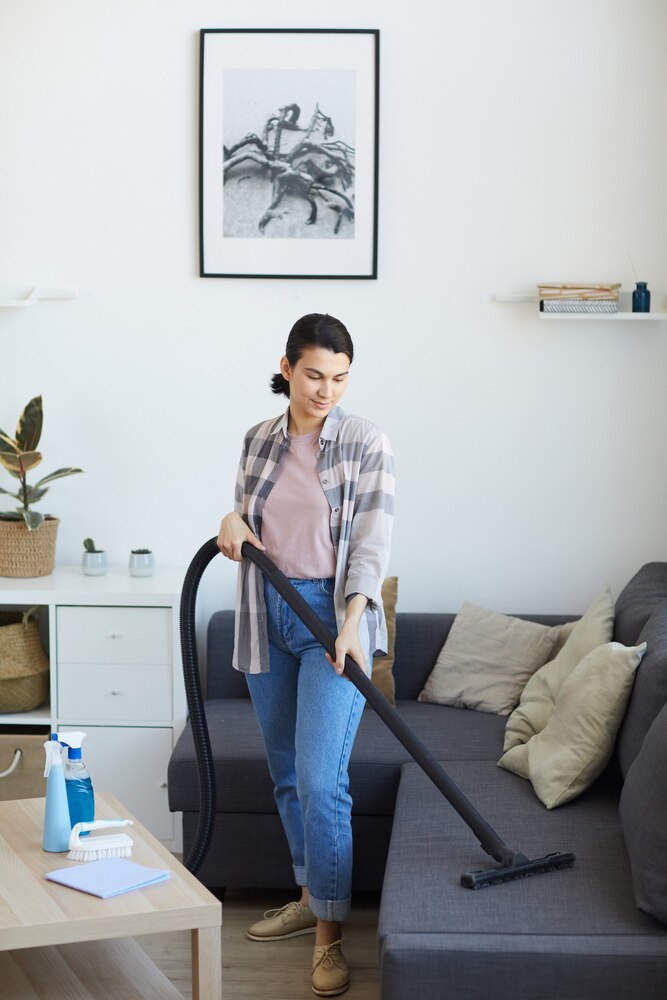
- Vacuum with attachments for sofas and corners
IMO, you don’t need a gadget for every job. Choose a few good tools and learn them like old friends.
Tackling Stubborn Grime: Kitchen and Bathroom Hacks
These rooms intimidate me the most. I attack them with layered tactics: soak, scrub, rinse, repeat. It works. Usually.
Simple multi-step hack
- Sprinkle baking soda on grimy spots
- Spray with vinegar or lemon-water
- Let fizz for 10–15 minutes
- Scrub gently and rinse
For limescale I let a vinegar-soaked cloth sit. For burnt pans I simmer water and baking soda. I avoid harsh chemicals where I can, and I keep a small bowl of water with citrus peels to freshen drains. Smells nicer than bleach, no kidding. 🙂
Laundry and Textiles: What I Do with Stuff I Can't Toss
Textiles hog space. I learned to treat them like seasonal pieces: wash, air, rotate. I air out blankets and cushions in sunlight when possible — sunlight does wonders for odor and moisture. I also spot-treat stains immediately; procrastination equals permanent regret.
For delicate things I use a gentle cycle and a mesh laundry bag. For bulky items like comforters, I either go to a laundromat or schedule a wash day with a friend who owns a giant machine. Community laundry days = life hack.
Seasonal Timing: Why I Prefer Year-End Cleans
I adopted the Japanese year-end clean (Ōsōji) because it creates a clean slate going into the new year. I schedule it in late December and treat it like a non-negotiable appointment. It feels symbolic and practical.
Want a tip? Break the big clean into mini-sessions over a week. Your body will love you, and you won’t doomscroll to exhaustion afterwards. Plus, you avoid the whole “I spent all day cleaning and now I’m too tired to maintain it” trap.
Maintenance Habits That Keep the Deep Clean Alive
Deep cleaning earns its value only if I keep up with small habits. I do a nightly 10-minute tidy: put dishes away, wipe counters, fold a throw. It’s barely any time but it preserves that fresh feeling.
- Daily: 10-minute tidy
- Weekly: focused task (bathroom, vacuuming)
- Monthly: rotate and wash curtains, deep-fridge check
Consistency beats grand gestures. I schedule these checks on my phone and actually follow them more than I thought I would. Who knew alarms could be so motivating? :/
So there you have it: my checklist, my tiny rituals, and my slightly obsessive approach to Japanese deep cleaning. If you try one thing, make it the room order — it changed my cleaning life.