In Japan, cleaning is more than a chore. It's a mindful practice, a moving meditation that calms the mind while restoring order to the home. Unlike the Western approach of weekend deep-cleans and harsh chemicals, traditional Japanese methods are rooted in prevention, daily rituals, and a deep respect for one's living space. This philosophy, woven through concepts like osouji (the big cleaning) and the principles of Zen, transforms tidying into a path toward a more intentional life. These aren't just hacks; they are culturally rich traditions designed to create harmony between our environment and our inner selves.
This guide moves beyond generic advice to introduce six foundational Japanese cleaning tips, uncovering the cultural wisdom and practical application behind each one. You will learn specific, actionable techniques that are both efficient and meaningful. From the one-wipe method that prevents buildup to the daily reset that maintains a constant state of calm, these practices are designed for easy integration into your routine. Prepare to see your home, and the act of caring for it, in a completely new light. By adopting these methods, you can cultivate a space that feels not just clean, but truly serene and balanced.
1. The KonMari Method – Tidying by Category
Perhaps one of the most globally recognized Japanese cleaning tips, the KonMari Method, created by organizing consultant Marie Kondo, is less about daily cleaning and more about a revolutionary, life-altering approach to tidying. It shifts the focus from a room-by-room slog to a more intentional, category-based festival of sorting. The goal is to conduct a one-time, thorough reorganization of your entire home, leaving you surrounded only by items you truly love.
The core philosophy is simple yet profound: you touch every single item you own and ask yourself, "Does this spark joy?" If the answer is a resounding yes, you keep it. If not, you thank the item for its service and let it go. This process transforms tidying from a tedious chore into a mindful practice of gratitude and self-discovery.
How to Implement the KonMari Method
This method is best for those feeling overwhelmed by clutter and ready for a significant reset rather than a gradual declutter. It addresses the root cause of mess by changing your relationship with your possessions. To begin your journey, follow the prescribed order of categories:
- Clothes: Start here as it's often the category with the least emotional attachment. Gather every single piece of clothing you own into one giant pile before sorting.
- Books: Move on to books, physically handling each one to determine if it still holds value for you.
- Papers: This category involves ruthlessly discarding all but the most essential documents.
- Komono (Miscellaneous): This is the largest category, encompassing everything from kitchen gadgets and stationery to electronics and toiletries. Break it down into smaller sub-categories to make it manageable.
- Sentimental Items: Tackle this last, as your decision-making skills will be finely tuned by this point, making it easier to navigate emotionally charged items like photos and heirlooms.
The following infographic illustrates the core workflow for processing items within any category.
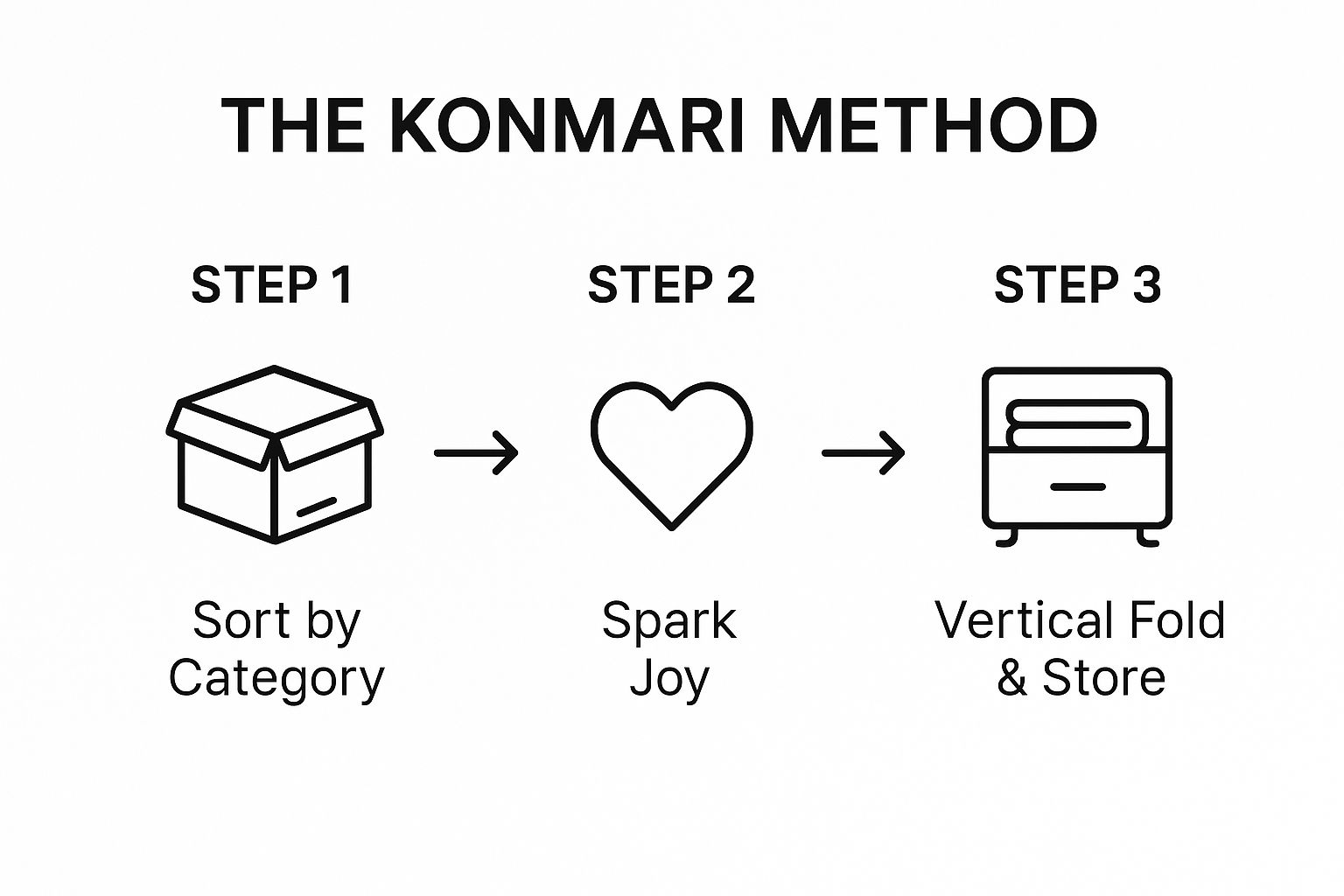
This simple three-step flow is the engine of the KonMari Method, ensuring every item kept has a purpose and a designated, accessible home. Once you've decided what to keep, the final step involves Kondo's signature vertical folding technique, which allows you to see everything in your drawers at a glance, preventing items from getting lost and forgotten at the bottom of a pile.
2. The 5-Minute Daily Reset (Osouji Philosophy)
In contrast to the marathon deep-cleaning sessions common in Western cultures, many Japanese cleaning tips are built on the principle of osouji, which favors small, consistent daily actions over large, infrequent ones. The 5-Minute Daily Reset embodies this philosophy, transforming cleaning from a dreaded weekend event into a manageable, mindful daily ritual. This approach prevents dirt, dust, and clutter from accumulating, ensuring your home remains consistently tidy and peaceful.
The core idea is to dedicate a short, focused burst of time each day, typically five to ten minutes, to reset your living space. This isn't about deep scrubbing; it’s about maintenance. This practice is deeply ingrained in Japanese culture, evident from elementary schools where students spend 15 minutes cleaning their classrooms daily, instilling a lifelong sense of responsibility and respect for their environment.
How to Implement the 5-Minute Daily Reset
This method is ideal for anyone who feels overwhelmed by the prospect of a massive weekly clean and prefers a sustainable, low-effort routine. It fosters a proactive rather than reactive approach to tidiness, integrating seamlessly into your daily life. To incorporate this habit, consider the following steps:
- Set a Specific Time: Anchor the reset to an existing routine, such as right after dinner or before settling down for the evening. Consistency is key to making it an automatic habit.
- Use a Timer: Set a timer for just five or ten minutes. This creates a sense of urgency and defines a clear end point, making the task feel less daunting.
- Focus on High-Impact Areas: Start with surfaces that create the most visual clutter, like wiping down kitchen counters, clearing the coffee table, or fluffing sofa cushions.
- Create a Simple Checklist: Rotate through a small list of tasks each day. For example: Monday is for kitchen counters, Tuesday is for the entryway, and Wednesday is for wiping down the bathroom sink.
- Make Supplies Accessible: Keep a small cleaning caddy with essential supplies (microfiber cloth, all-purpose spray) in an easy-to-reach spot to eliminate any friction.
- Involve the Household: Turn it into a family activity. Assigning age-appropriate tasks to children helps them develop valuable life skills and a sense of ownership over their space.
This daily practice is more than just a cleaning task; it’s a mindful transition that bookends your day, creating a sense of calm and order. By addressing small messes before they escalate, you maintain a baseline of cleanliness that makes deeper cleans far less intimidating. To explore how this connects to broader concepts, you can learn more about Zen-inspired cleaning tips on japanwhisper.com.
3. Remove Shoes at the Entrance (Genkan System)
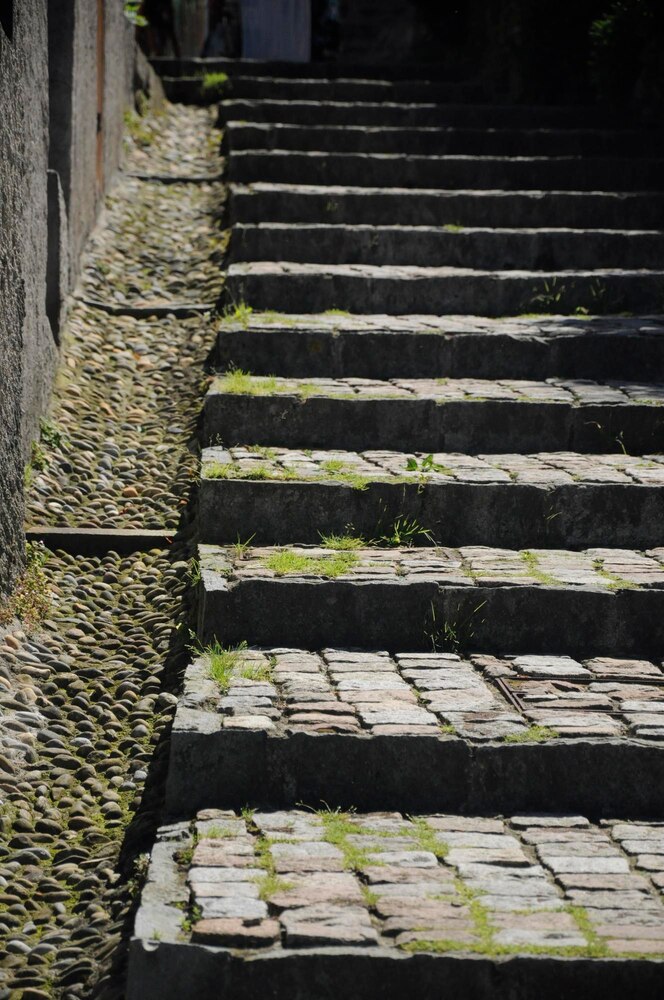
Arguably the most foundational of all Japanese cleaning tips, the practice of removing shoes at the entrance is a cultural cornerstone that has profound implications for household cleanliness. This tradition is centered around the genkan, a dedicated entryway space in Japanese homes. The genkan serves as a transitional zone, creating a stark boundary between the "outside" world and the "inside" sanctuary of the home, effectively preventing up to 80% of outdoor dirt, dust, and pollutants from being tracked indoors.
The core philosophy is elegantly simple: shoes that have walked on streets, public transport, and outdoor paths are considered unclean and should never touch the interior floors where people sit, eat, and live. This simple act drastically reduces the amount of dirt and bacteria entering living areas, which in turn significantly cuts down on the time and effort required for sweeping, mopping, and vacuuming. It’s a preventative cleaning measure that works passively, every single day.
How to Implement the Genkan System
This system is ideal for anyone looking to maintain a cleaner home with less effort and create a more mindful, respectful transition into their living space. It is a universal practice that can be adapted to any home, regardless of size or layout. To integrate this highly effective Japanese cleaning tip into your own home, consider the following steps:
- Define Your Zone: Designate a specific area right by your main entrance. In Japan, the genkan is often a step lower than the rest of the floor, but you can create a similar boundary using a durable mat, a different type of flooring, or even a line of tape.
- Provide Shoe Storage: Place a shoe rack, cabinet (getabako), or a simple set of shelves directly within this zone. This ensures outdoor shoes have a designated home and don't clutter the entryway.
- Offer Indoor Slippers: Keep a basket of clean, comfortable slippers (uwabaki) ready for family members and guests. This offers a warm welcome and reinforces the "no outdoor shoes" rule.
- Add Seating: If space allows, a small bench or stool makes it easier for everyone, especially older individuals or children, to sit down while removing or putting on shoes.
- Maintain the Genkan: Since this area will collect all the dirt from outside, commit to sweeping or wiping it down regularly, perhaps weekly, to keep it clean and functional.
This simple ritual does more than just keep floors clean; it fosters a psychological shift. The act of removing your shoes becomes a moment to consciously leave the stresses of the outside world behind, allowing you to enter your home with a sense of calm and intention.
4. The One-Wipe Method (Ichido-buki)
Contrasting with the grand, festival-like approach of a major tidying event, Ichido-buki, or the "one-wipe method," embodies the Japanese principle of consistent, mindful maintenance. This technique isn't about scheduling a deep clean but about integrating cleaning into the flow of your daily life. It’s a proactive habit that prevents dirt and grime from ever accumulating in the first place, ensuring your home remains consistently clean with minimal effort.
The core philosophy is elegantly simple: see a small mess, clean it immediately. This could mean wiping a countertop as soon as you notice a crumb or dusting a shelf while passing by. By carrying a cloth or having them readily accessible, you transform idle moments into opportunities for upkeep. This method shifts cleaning from a dreaded, time-consuming task into a series of small, effortless actions that maintain a state of "casual clean."
How to Implement the One-Wipe Method
This method is ideal for anyone who prefers maintaining a baseline of cleanliness over performing marathon cleaning sessions. It’s a habit-based system that reduces the need for harsh chemicals and intense scrubbing by addressing messes before they set. To integrate Ichido-buki into your routine, focus on accessibility and consistency:
- Strategically Place Your Tools: Keep small, clean microfiber cloths in key areas of your home, such as the kitchen, bathroom, and living room. The goal is to have a cloth within arm's reach wherever you are. Japanese homemakers traditionally kept a zokin (cleaning rag) in their apron pocket for this purpose.
- Seize Micro-Moments: Utilize small pockets of waiting time throughout your day. Wipe down the kitchen counters while your tea is steeping, dust the TV stand during a commercial break, or clean the bathroom mirror while brushing your teeth.
- Focus on High-Touch Zones: Make it a habit to wipe down frequently touched surfaces as you move through your home. This includes light switches, doorknobs, remote controls, and appliance handles.
- Adopt a "One In, One Out" Cloth System: Use a slightly damp cloth for better dust and dirt collection. At the end of the day, gather the used cloths for washing to ensure you start fresh with a hygienic tool the next morning.
- Make It a Transitional Habit: Practice the one-wipe method as you transition between rooms. When leaving the kitchen, give the faucet a quick wipe. When entering the living room, dust a nearby picture frame.
By turning these small actions into an unconscious routine, you will find your home stays cleaner for longer, reducing the frequency and intensity of major cleaning days. This is one of the most effective Japanese cleaning tips for cultivating a consistently calm and orderly living space.
5. Bathroom Squeegee Routine
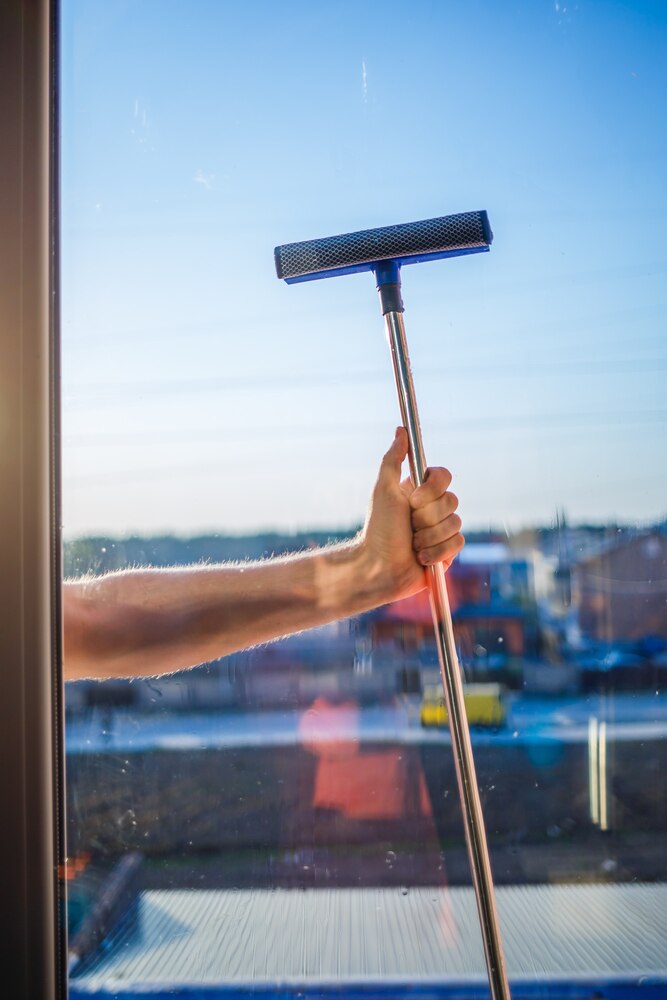
While grand decluttering philosophies are transformative, some of the most effective Japanese cleaning tips are small, daily rituals that prevent mess from accumulating in the first place. The bathroom squeegee routine is a prime example of this proactive approach, turning a dreaded deep-cleaning task into a simple, 30-second habit. This practice involves quickly wiping down shower walls, doors, and mirrors with a squeegee immediately after bathing.
The core principle is moisture control. By removing water droplets before they have a chance to air-dry, you eliminate the primary cause of soap scum, hard water stains, and the damp conditions that allow mold and mildew to thrive. This small act, rooted in the Japanese cultural emphasis on cleanliness and preventative maintenance, transforms bathroom upkeep from a weekly battle with harsh chemicals into a daily moment of care. This technique is standard practice in Japanese hotels and public bathhouses (sento) to maintain impeccable hygiene standards.
How to Implement the Bathroom Squeegee Routine
This method is ideal for anyone who wants to maintain a sparkling clean bathroom with minimal effort and avoid the need for intensive scrubbing. It’s a preventative measure that works best when adopted as a consistent, daily habit by everyone in the household. To integrate this simple yet powerful practice into your life, follow these steps:
- Keep it Accessible: The key to a successful routine is convenience. Hang a squeegee on a suction cup hook inside the shower, ensuring it’s always within arm's reach when you finish bathing.
- Work from Top to Bottom: Start at the top of the shower walls or glass door and pull the squeegee downward in a single, smooth, slightly overlapping stroke. This systematic motion efficiently directs all water downwards.
- Wipe the Blade: After each downward swipe, quickly wipe the rubber blade of the squeegee on a towel or the dry part of the shower floor to prevent drips and streaks.
- Target All Wet Surfaces: Don't forget glass partitions, tiled walls, and even the faucet fixtures. Any surface where water collects can benefit from a quick pass.
- Encourage Ventilation: After squeegeeing, leave the bathroom door or a window open for at least 15-20 minutes. This helps any remaining moisture evaporate quickly, further preventing mold growth.
By making this a non-negotiable final step of your shower, just like turning off the water, you invest seconds each day to save hours of future scrubbing. It’s a quintessential example of how small, consistent actions lead to a perpetually clean and harmonious living space.
6. Newspaper for Window Cleaning (Shinbun Method)
Long before chemical sprays and microfiber cloths became staples, Japanese households perfected the art of window cleaning with a surprisingly simple tool: the newspaper. This traditional technique, known as the Shinbun Method, leverages the unique properties of newspaper to achieve a sparkling, streak-free shine on glass and mirrors. It's an eco-friendly, zero-waste practice that turns yesterday's news into today's crystal-clear view.
The magic lies in the newspaper's composition. The paper fibers have a slightly abrasive texture that effectively scrubs away grime and water spots without scratching the glass. Furthermore, the ink, often soy-based in modern newspapers, acts as a fine abrasive and contains solvents that help dissolve residue, leaving behind a lint-free finish that paper towels often can't match. This is one of those timeless Japanese cleaning tips that is both highly effective and incredibly resourceful.
How to Implement the Shinbun Method
This method is ideal for anyone looking to reduce chemical use and household waste. It's perfect for routine window and mirror cleaning, especially for those who want a tried-and-true technique that delivers professional-level results with minimal cost. To get started, you just need a newspaper and a simple cleaning solution.
- Prepare Your Tools: Gather black-and-white newspaper pages, avoiding glossy, colored ad inserts as their coatings can leave a residue. You'll also need a spray bottle filled with either plain water or a 1:1 mixture of water and white vinegar.
- Spray the Surface: Lightly mist a section of the window or mirror with your solution. It's best to work on a cool, overcast day, as direct sunlight can cause the liquid to evaporate too quickly, leading to streaks.
- Scrub and Clean: Crumple a sheet of newspaper into a loose ball. Use it to wipe the sprayed surface in circular motions to scrub away dirt and smudges.
- Polish to Perfection: Take a second, dry piece of crumpled newspaper and use it to polish the glass. Wipe in long, sweeping strokes, either horizontally or vertically, until the surface is completely dry and sparkling.
- Protect Your Hands: While modern newspaper ink is less prone to smudging, you can wear gloves if you're concerned about getting ink on your hands.
This technique is a testament to Japanese ingenuity, transforming a common household item into a powerful cleaning tool. By adopting the Shinbun Method, you not only achieve impeccably clean windows but also embrace a sustainable practice rooted in generations of wisdom.
6 Key Japanese Cleaning Tips Comparison
| Method | 🔄 Implementation Complexity | ⚡ Resource Requirements | 📊 Expected Outcomes | 💡 Ideal Use Cases | ⭐ Key Advantages |
|---|---|---|---|---|---|
| The KonMari Method – Tidying by Category | High – requires time, emotional effort | Moderate – requires sorting space, storage | Dramatic space transformation, lasting habits | Intensive decluttering, lifestyle overhaul | Creates mindfulness, reduces decision fatigue, lasting order |
| The 5-Minute Daily Reset (Osouji Philosophy) | Low – daily brief routine | Low – minimal tools, short time daily | Consistent cleanliness, reduced clutter | Daily maintenance, busy lifestyles | Builds positive habits naturally, prevents buildup |
| Remove Shoes at the Entrance (Genkan System) | Low – simple custom/habit to adopt | Low – requires entryway setup | Reduces dirt indoors by ~80% | Entryway management, dirt prevention | Significantly reduces cleaning needs and allergens |
| The One-Wipe Method (Ichido-buki) | Moderate – needs mindfulness and cloths | Low – requires few microfiber cloths | Prevents buildup, cleaner surfaces daily | Spot cleaning throughout day | Quick, proactive approach; reduces need for harsh cleaners |
| Bathroom Squeegee Routine | Low – short habit after each shower | Low – one squeegee per bathroom | Prevents mold, soap scum, water stains | Bathroom maintenance, mold prevention | Saves cleaning time, reduces chemical usage |
| Newspaper for Window Cleaning (Shinbun Method) | Low – requires practice for technique | Very low – uses old newspapers and water | Streak-free, lint-free glass surfaces | Eco-friendly window/mirror cleaning | Environmentally friendly, no chemicals, free material |
Integrating Japanese Wisdom into Your Daily Flow
Adopting the principles woven throughout these Japanese cleaning tips is about much more than achieving a sterile, showroom-perfect house. It's a journey toward cultivating a deeper, more intentional relationship with your home and the objects within it. The methods we've explored, from the category-based decluttering of the KonMari Method to the simple, preventative habit of using a bathroom squeegee, all share a common thread: mindfulness.
These practices transform cleaning from a reactive, often overwhelming chore into a proactive, grounding ritual. They invite you to be present in the moment, to care for your surroundings with respect, and to find satisfaction in small, consistent acts of maintenance. Instead of seeing a mountain of mess to conquer on a weekend, you begin to see a series of manageable, even meditative, daily tasks.
The Shift from Chore to Ritual
The true power of these Japanese cleaning tips lies in this mental shift. The 5-minute daily reset, or Osouji, isn't just about tidying up; it’s a commitment to starting and ending each day with a sense of order and peace. The genkan system of removing shoes isn't merely a rule; it’s a symbolic act of leaving the outside world behind and entering a personal sanctuary. This mindset encourages a cycle of care that prevents clutter and grime from accumulating in the first place, saving you significant time and stress in the long run.
By integrating these habits, you are not just cleaning surfaces; you are cultivating an environment that nurtures your well-being. A clean, organized space can reduce anxiety, improve focus, and create a welcoming atmosphere for both you and your guests. This is the ultimate value proposition: your home becomes a partner in your quest for a calmer, more balanced life.
Your Action Plan for a More Serene Home
The key to lasting change is to start small and build momentum. Don't try to implement everything at once. Instead, choose one or two practices that resonate most with you.
- For Immediate Impact: Try the 5-Minute Daily Reset. Dedicate just five minutes every evening to putting things back in their designated homes.
- For a Preventative Habit: Adopt the Bathroom Squeegee Routine. Wiping down the shower after each use takes less than a minute but prevents long-term buildup.
- For a Foundational Change: Begin the KonMari Method with a single, small category, like your sock drawer or t-shirts, to experience the joy of decluttering.
As you master one habit, it will naturally become part of your daily flow, freeing up mental and physical energy to incorporate another. Remember, this isn't a race to perfection. It is a slow, deliberate practice of creating a home that truly supports and reflects the life you want to live. Each wipe, each fold, and each organized shelf is a step toward a more harmonious existence.
Ready to infuse more Japanese wisdom into your daily life? The journey to a mindful home is just the beginning. Explore our curated collections at Japan Whisper for authentic, minimalist homewares and lifestyle essentials that celebrate beauty, function, and tranquility. Visit Japan Whisper to discover items that will help you create your own personal sanctuary.
Article created using Outrank