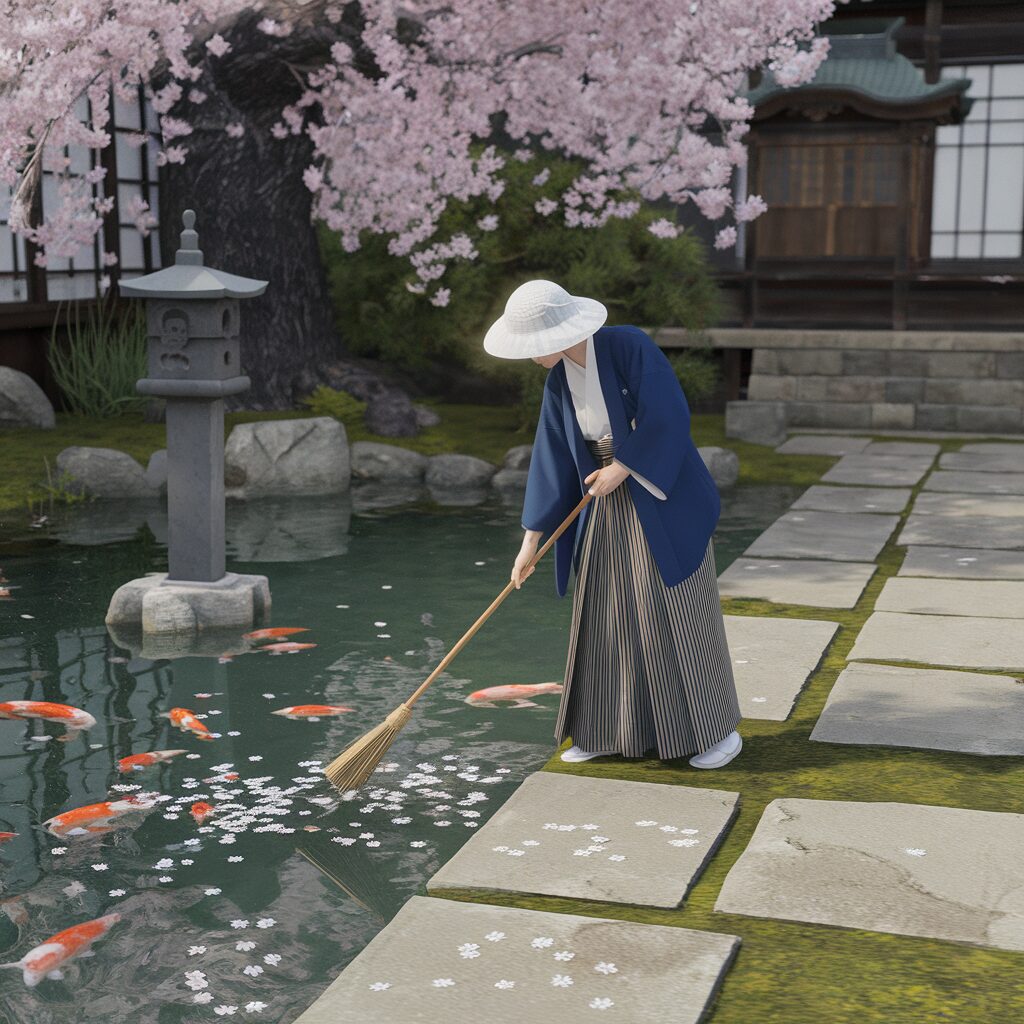
There’s something deeply calming about a tidy space.
In Japanese culture, cleaning isn’t just a chore — it’s a practice of mindfulness, respect, and renewal.
By bringing in some of these rituals and routines, you can create a home that feels lighter, more intentional, and more alive.
Here are a few gentle shifts that can help you turn cleaning into a peaceful, grounding habit 🍃
🧼 A Japanese Tawashi Scrubber I Love

This traditional Japanese tawashi is amazing for scrubbing vegetables and cleaning around the house. Natural, durable, and surprisingly effective — I use mine every day!
View on Amazon🧹 1. Clean as a Daily Ritual, Not a Duty
In Japan, many people start their day with cleaning — even schools and workplaces do it together.
The idea isn’t to scrub endlessly, but to reset the space.
Even 10 quiet minutes of wiping down surfaces or sweeping the floor can clear mental clutter too.
Try this: Pick one small task to start your morning. Wipe the entryway. Open a window. Lightly dust a shelf.

🍵 2. Clear the Space = Clear the Mind
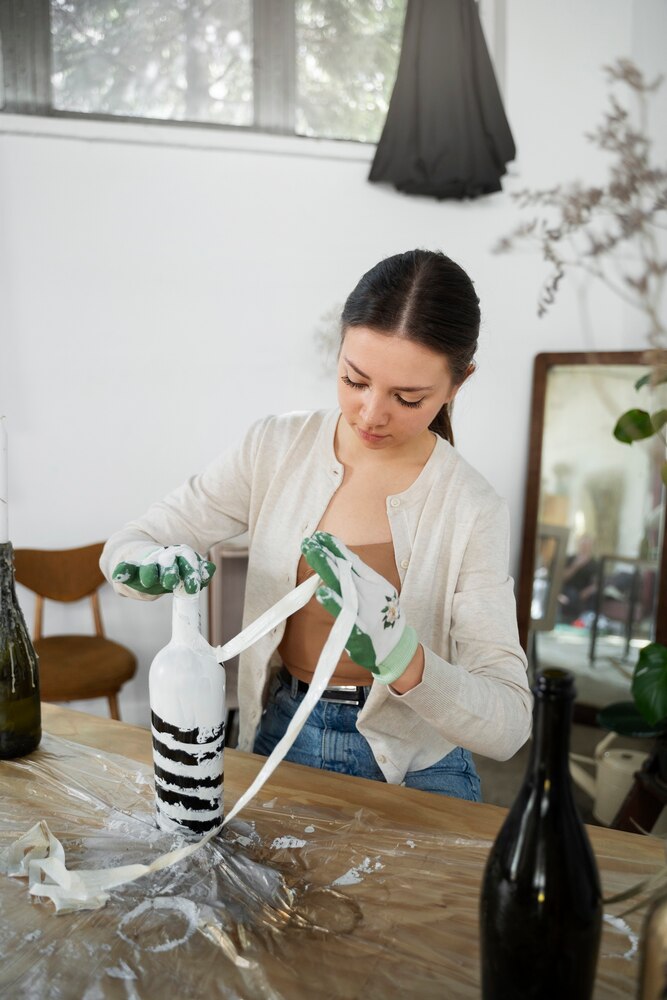
The Japanese concept of danshari (断捨離) encourages letting go of what you don’t need.
It’s about simplifying, so you can focus on what brings meaning.
Less stuff = fewer decisions = more peace.
Try this: Choose one drawer or one corner. Ask: Do I really need this? If not, thank it, and let it go.
🧼 3. Use Natural, Simple Tools
Many Japanese homes use cloths (zokin), brooms (houki), and gentle, unscented soaps.
These tools connect you to the process — no fancy gadgets, just your hands and attention.
👉👉👉 Read our other article on top 7 Japanese cleaning tools.
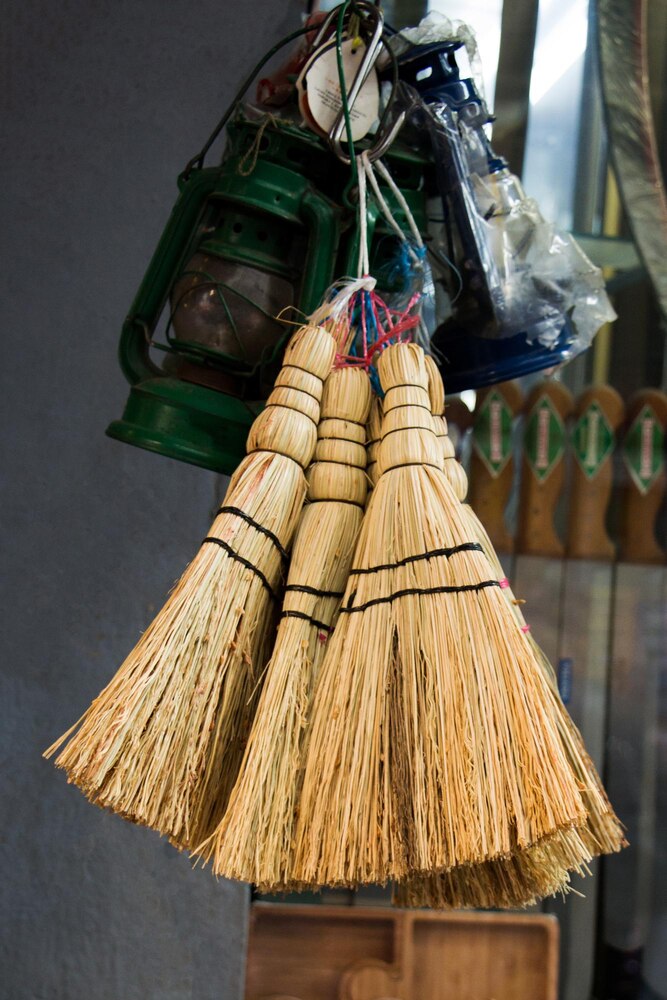
Try this: Switch to reusable cloths or a handmade broom. It feels slower, but more grounding.
🪟 4. Let Fresh Air and Light In
Opening windows to “air out” a room is a daily habit in Japan, even in winter.
It’s a way to refresh the energy and invite renewal.
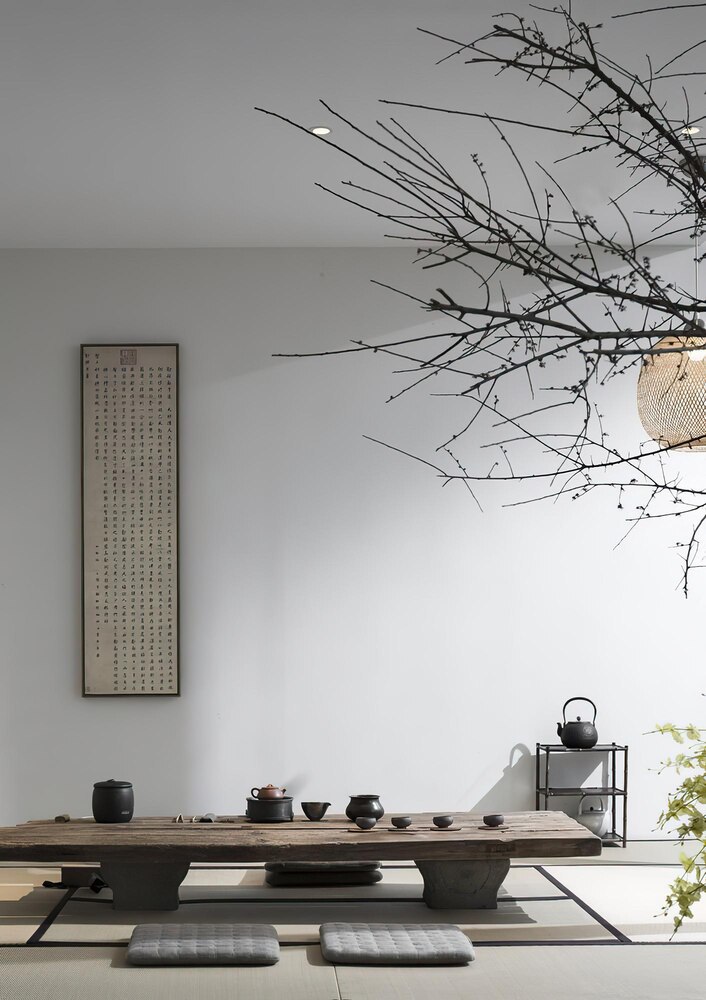
Try this: Open your windows for a few minutes each morning. Notice the shift in air, sound, and mood.
🪑 5. Clean the Invisible Spaces Too
Behind the fridge. Under the bed. The corners you don’t see daily.
In Shinto tradition, even unseen spaces are cleaned — not out of necessity, but out of respect.

Try this: Each week, pick one hidden spot and tend to it gently. Think of it as a quiet act of care.
🧘 6. Make It a Mindful Practice
Rather than rushing to finish, bring full attention to each motion.
Feel your feet on the ground, the sound of the cloth, the rhythm of your breath.
Cleaning becomes a form of meditation.
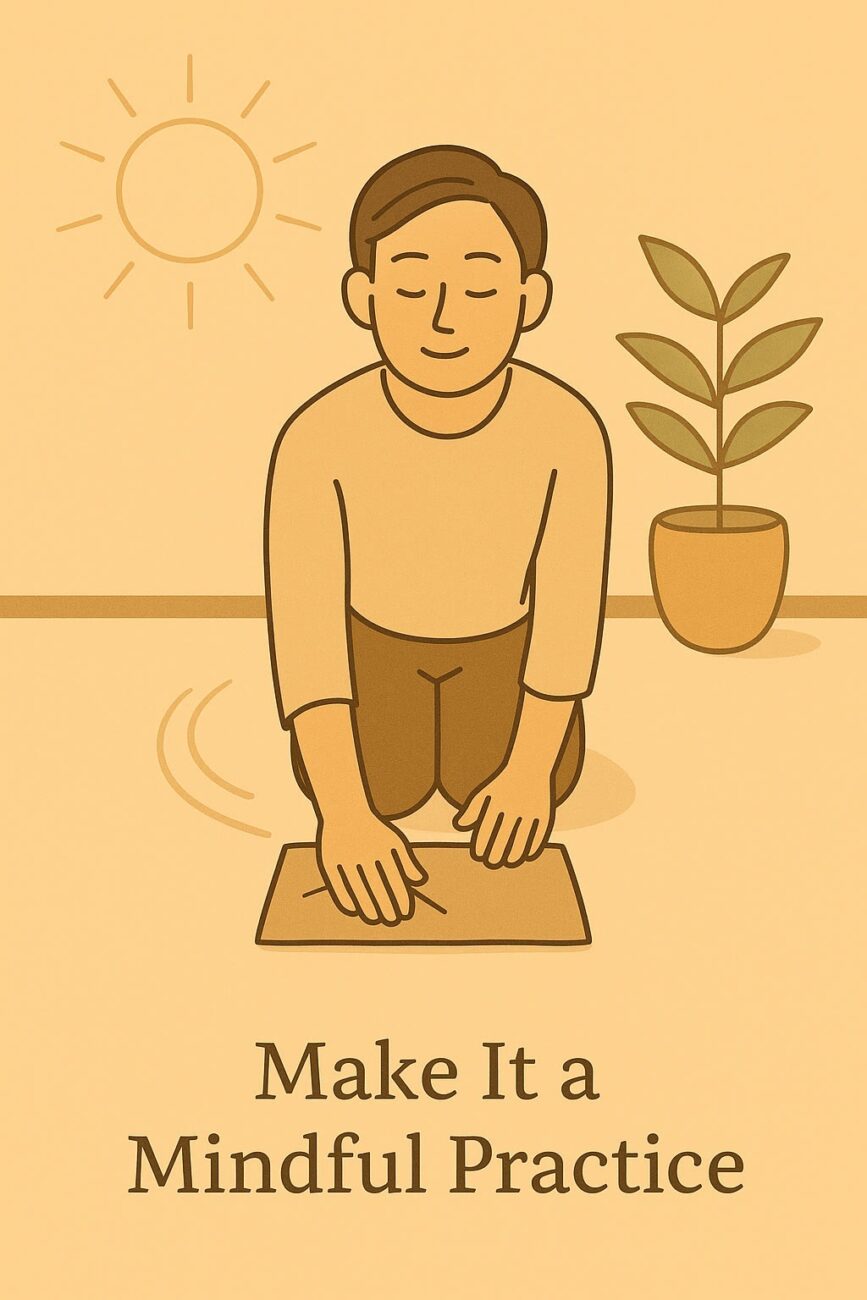
Try this: Turn off distractions. Move slowly. Let cleaning be the moment.
🌱 7. Welcome the Change of Seasons
In Japan, deep cleaning often happens at seasonal transitions – especially at year’s end.
It’s a way to honor what’s passed and prepare for what’s coming.

Try this: Choose a few moments each season to do a gentle reset. Rearrange, refresh, renew.
🌼 Let Your Home Reflect Your Heart
When your space is cared for, it cares for you too.
With quiet intention and small daily gestures, your home becomes a place of calm, presence, and joy.

It doesn’t have to be perfect.
Just tended to — with love.