Some days, cleaning feels like a chore.
But in Japan, it’s often something more.
Rooted in Zen, tradition, and daily mindfulness, cleaning is seen not just as a task — but as a practice.
A way to purify your surroundings and your spirit.
To reset your space — and your self.
Let this gentle approach to tidying help you find motivation, peace, and even joy 🧹
🍃 1. Cleaning Is a Form of Respect
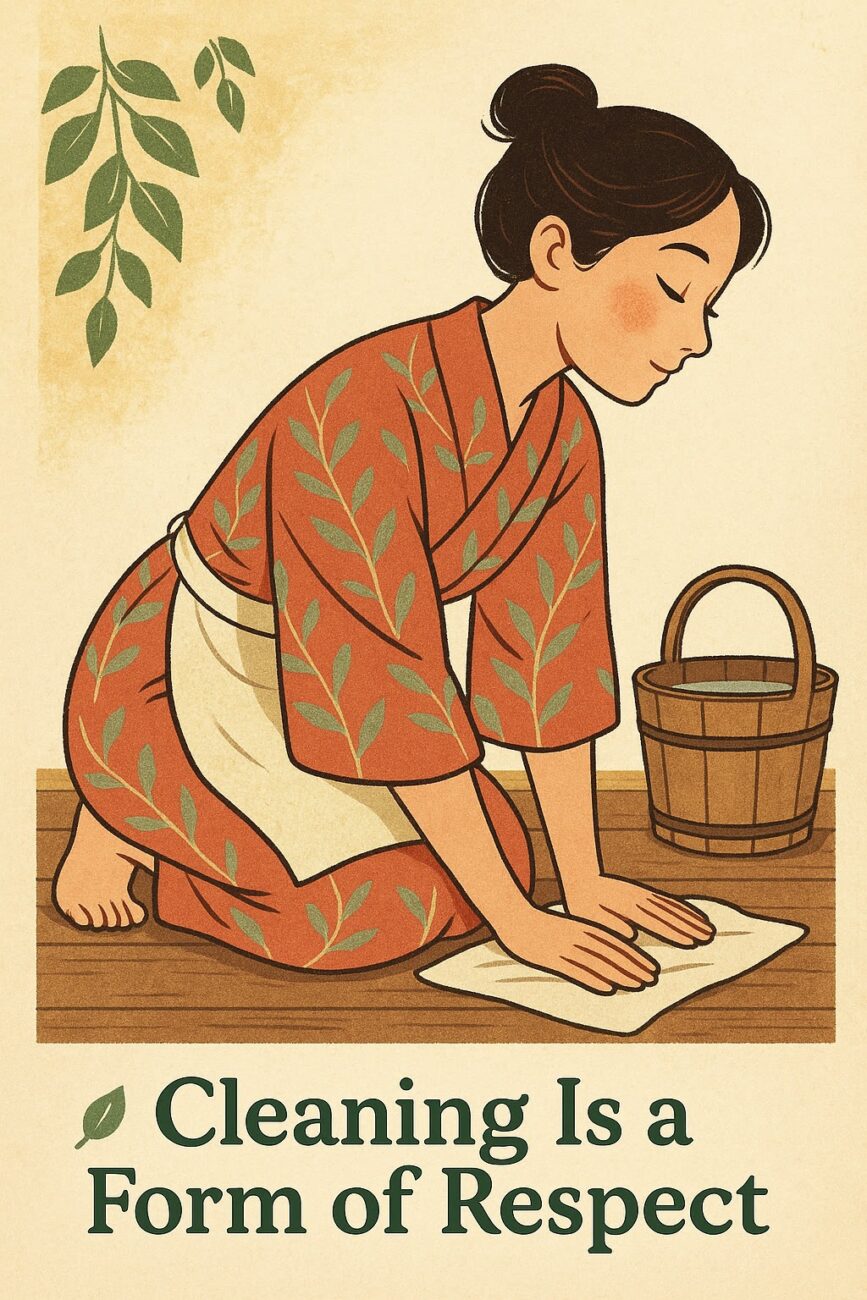
In Japanese culture, cleaning is a sign of care.
Students clean their schools. Monks clean temples. Families clean together before the New Year.
It’s not about impressing others — it’s about honoring the space you live in.
Shift: Don’t clean to get it done. Clean to show gratitude. To say “thank you” to your home.
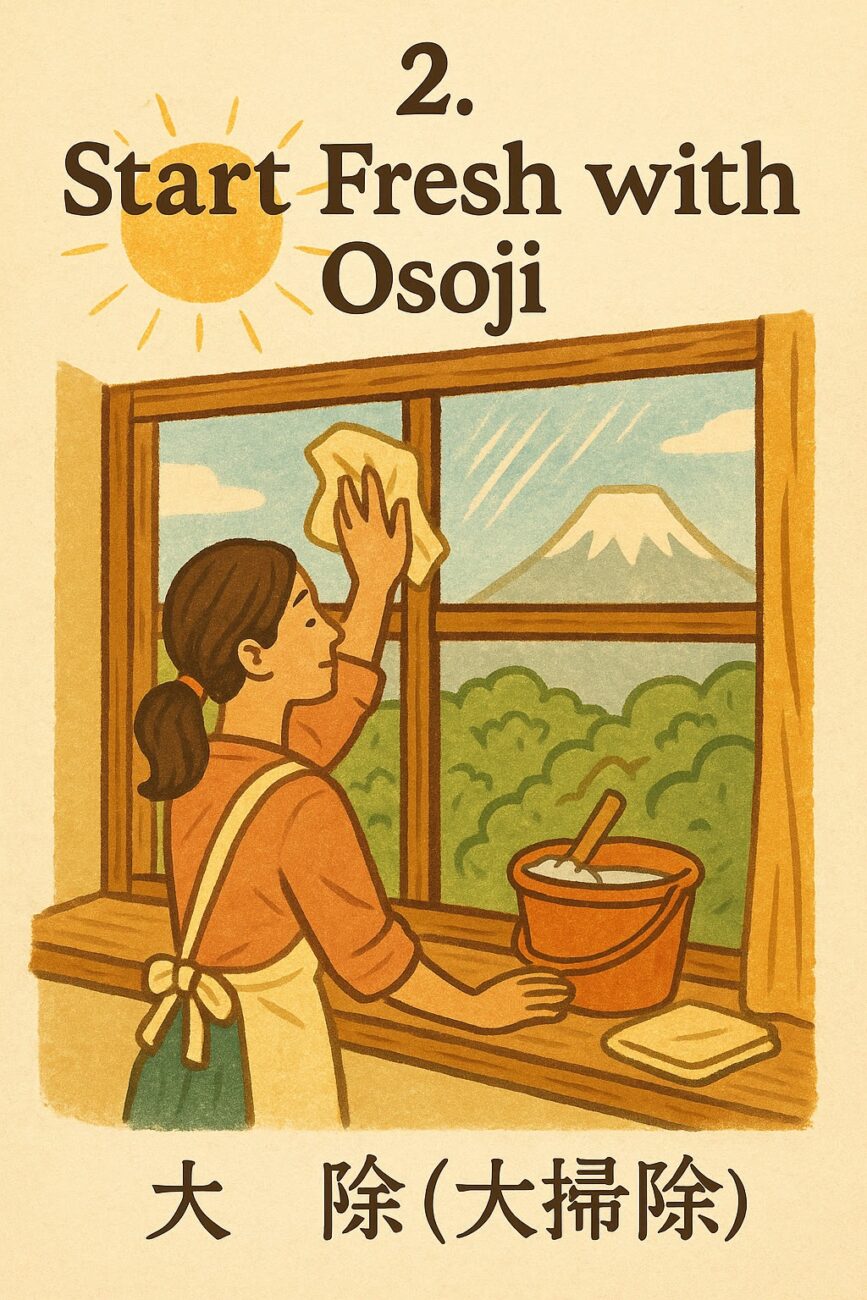
🌞 2. Start Fresh with Osoji (大掃除)
Osoji means “big cleaning” — a ritual done at the end of the year to sweep away the old and welcome the new.
But you don’t have to wait for December.
Every season, every mood, every Monday morning is a chance to do your own gentle osoji.
Try this: Open the windows. Light incense. Let it feel like a small ceremony.
✨ 3. Clean Slowly, Clean Simply
Japanese cleaning isn’t rushed. It’s intentional.
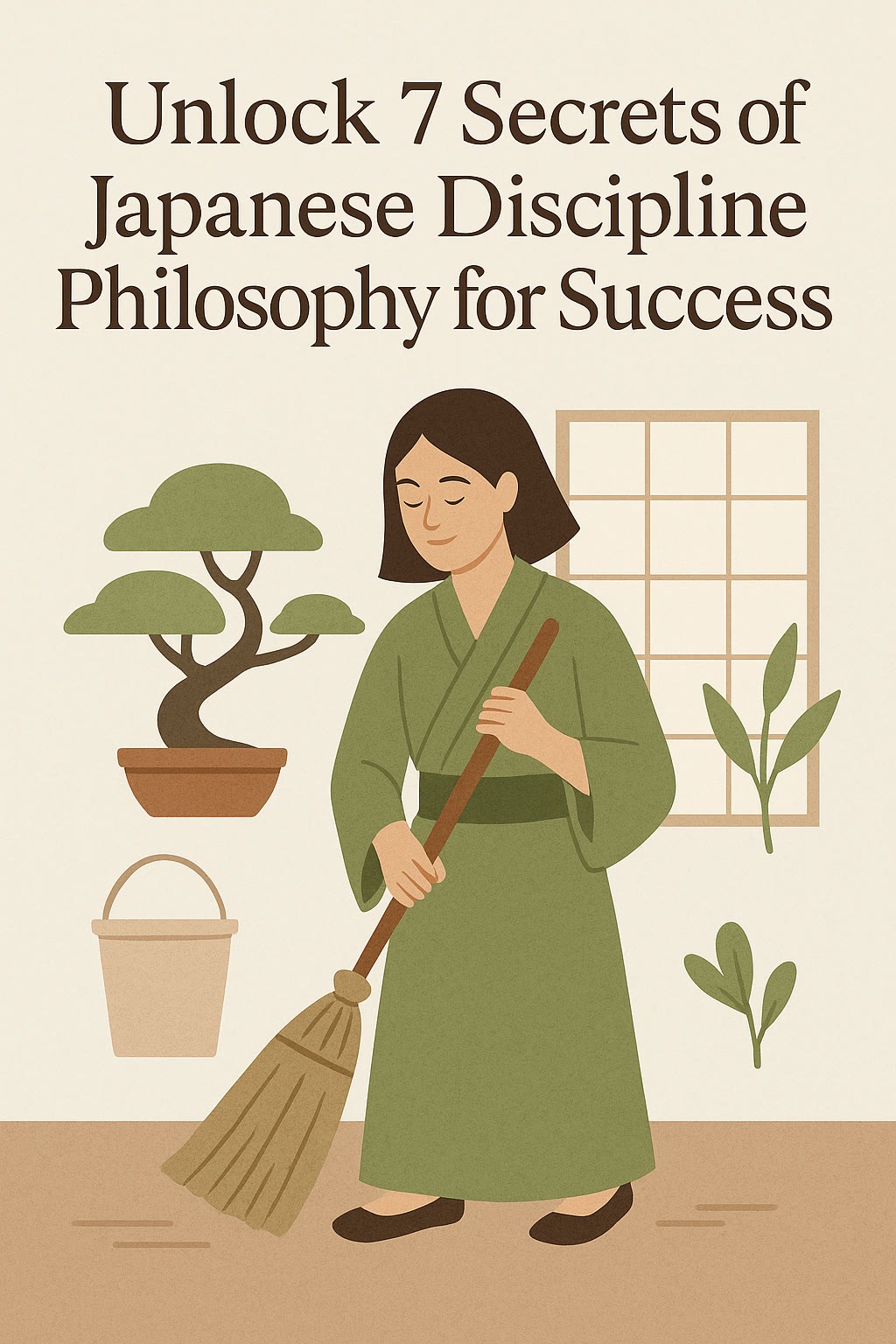
Use simple tools — a broom, a cloth, a bucket of water.
Focus on one area. Move calmly.
Practice: Clean as if you’re doing calligraphy — with grace, presence, and care.
💧 4. Clean with Your Whole Body
In Zen temples, monks sweep the ground as a daily practice.
It’s not for the floor — it’s for the mind.

They use their full body: both hands on the broom, steady breath, feet grounded.
Mindset: Let cleaning be a moving meditation. Let your body lead, your thoughts soften.
🌸 5. Minimalism Makes It Easier
Japanese homes often embrace simplicity.
Fewer items means less to clean — and more space to breathe.
Takeaway: You don’t have to go full minimalist. But clearing surfaces, removing clutter, or donating unused items can make cleaning feel lighter.
🧘 6. Cleaning as a Reset Ritual
Feeling stuck, overwhelmed, or anxious?
A quick clean can shift your energy.
Wipe a table. Sweep the floor. Fold a towel slowly.
Let it be a small act of control in a spinning world.
Reminder: When the mind feels messy, start with the room.
🕊 7. It’s Not About Perfection
Japanese cleaning is not about making things spotless.
It’s about balance. Calm. Care.
A single corner cleaned with love is more powerful than a whole house cleaned in stress.
Permission: Do what you can, and let that be enough.
Your space is alive.
When you tend to it, it tends to you.
So pick up the broom like a paintbrush.
Let your cleaning be slow, sacred, and soothing.
And trust: every sweep is a fresh start 🌿