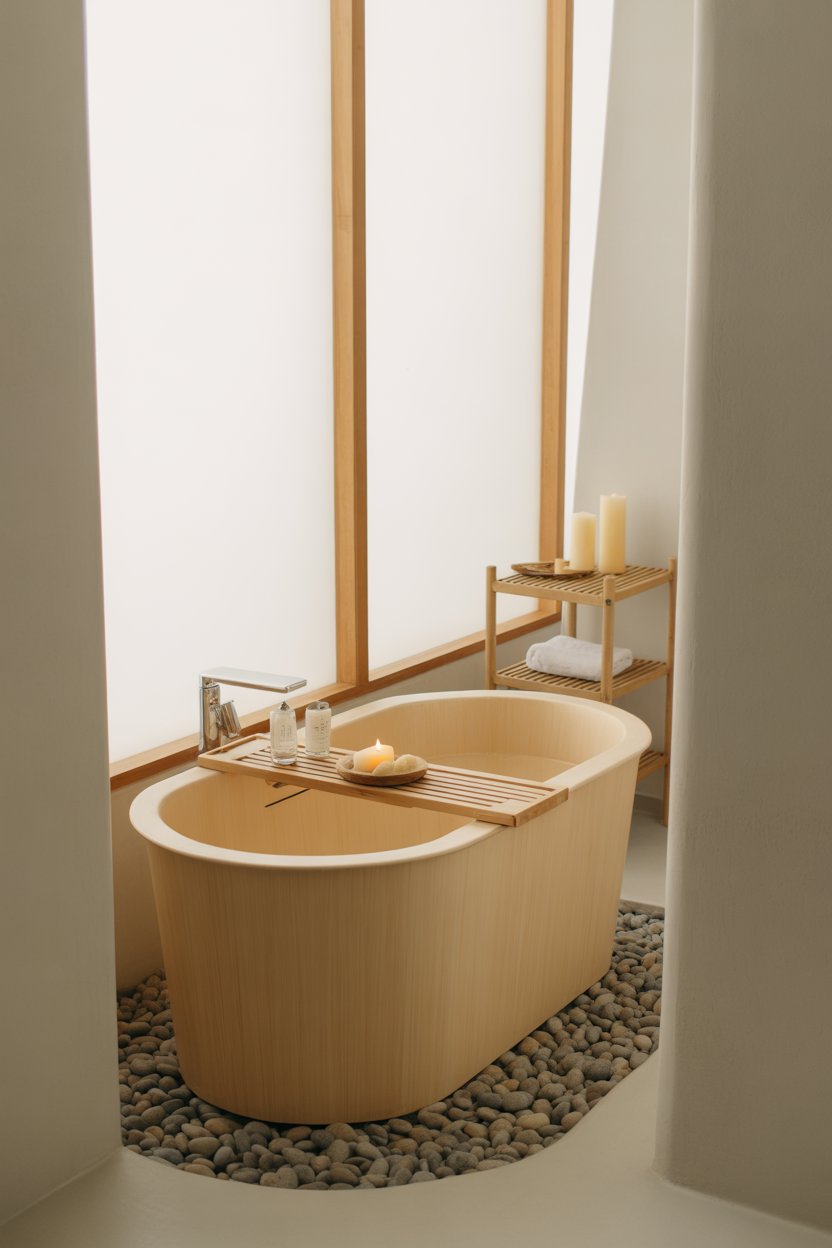
Japanese benches blend traditional craftsmanship with practical design. These wooden seating options have deep roots in Japanese culture, offering both functionality and aesthetic appeal. Traditional Japanese benches use natural materials and emphasize clean lines that reflect minimalist design principles.
We find that Japanese benches come in several styles, including garden benches, meditation benches, and genkan (entryway) benches. Each type serves a specific purpose in Japanese homes and gardens. Their simple yet elegant appearance makes them versatile additions to various spaces, from contemporary Western homes to traditional Japanese settings.
Best Japanese Benches
Our top picks balance authentic styling, quality materials, and value to help you find the perfect Japanese bench for your space.
AquaTeak Asia Shower Bench

This solid teak shower bench stands out as one of the finest Japanese-style bathroom accessories we’ve tested, offering exceptional durability and elegant design for any shower space.
Pros
- Incredibly sturdy with a 20-pound solid teak construction
- Stainless steel hardware prevents rusting in wet environments
- Versatile for both indoor and outdoor use
Cons
- Assembly required (though straightforward)
- Heavier than plastic alternatives
- Needs occasional oil treatment for longevity
We recently placed this AquaTeak bench in our walk-in shower, and the difference was immediate. The rich, warm teak color adds a spa-like feel to the bathroom. Its 18-inch height feels perfect – tall enough for comfortable seating but not awkwardly high.
The bench arrived with clear instructions, making assembly quick. All stainless steel hardware is included, and we appreciated the quality of each piece. The rubber feet provide excellent stability even on wet tile. No wobbling or sliding when sitting down.
Teak wood is the ideal material for shower furniture. It naturally resists water damage and doesn’t develop that slimy feeling cheaper woods get. After several weeks of daily use, our bench shows no signs of wear. We recommend applying teak oil occasionally to maintain its beautiful appearance. At 20 pounds, it’s substantial but still easy enough to move when cleaning.
SEIFE Elm Wood Bench

This solid elm wood bench offers versatile seating with authentic oriental style that works in many rooms, making it a worthwhile investment for most homes.
Pros
- Extremely sturdy construction with high-quality solid elm wood
- Versatile size options fit many spaces around the home
- Simple assembly with included hardware
Cons
- Natural finish shows scratches easily
- Some units arrive with alignment issues in pre-drilled holes
- Long shipping times from overseas
We recently tried this SEIFE bench in our entryway and were impressed by its solid construction. The bench feels substantial when you sit on it—none of that wobbling you get with cheaper furniture. The natural elm wood has beautiful grain patterns that give each piece a unique character.
Assembly took us just minutes. The included hardware is high-quality, and the bench comes with all necessary tools. We appreciated the thoughtful packaging that protected the wood during shipping, though some customers have reported receiving damaged products.
The bench’s low profile makes it perfect for entryways, but we’ve seen it work beautifully in dining rooms and at the foot of beds too. Its simple oriental design blends well with various decor styles from farmhouse to modern. For the price point, this bench offers exceptional value compared to similar solid wood options we’ve tested.
APRTAT Bamboo Dining Bench

This sleek bamboo bench offers incredible durability and style at an affordable price that makes it perfect for any home entryway or dining area.
Pros
- Sturdy construction holds up to 450 pounds
- Easy to assemble with minimal tools
- Versatile design works in multiple rooms
Cons
- Some units arrive with minor paint imperfections
- Assembly screws can be challenging to install
- Smaller than some buyers expect
We recently tested this APRTAT bamboo bench in our entryway, and it immediately transformed the space. The black finish looks modern yet timeless, complementing various décor styles from farmhouse to contemporary. Its grille-inspired slat design gives it a distinctive Japanese-inspired aesthetic that stands out from typical solid benches.
Setting it up took about 15 minutes. The bench feels incredibly solid once assembled, with no wobbling or creaking even when multiple people sit on it. The 35-inch length comfortably seats two adults, making it perfect for putting on shoes by the door or adding extra seating in dining areas.
What surprised us most was the bench’s versatility. We moved it between our entryway, bedroom, and even outdoor patio, where it worked equally well in each setting. The bamboo construction makes it lightweight enough to move easily but strong enough to handle daily use. For the price point, this bench offers exceptional value compared to similar models we’ve tried that cost twice as much.
The 16.93-inch height is ideal for most people, and the space-saving design doesn’t overwhelm smaller rooms. We found the bench particularly useful for organizing shoes in our entryway, creating a practical drop zone that keeps everything tidy. Overall, this Japanese-inspired bamboo bench delivers on both style and function.
Esme Teak Outdoor Bench

The Christopher Knight Home Esme bench offers a perfect blend of durability, style, and function for any outdoor space.
Pros
- Sturdy acacia wood construction with beautiful teak finish
- Easy assembly with minimal parts
- Versatile size fits various settings (63″ wide)
Cons
- May wobble slightly on uneven surfaces
- Requires occasional maintenance for weather protection
- Weight capacity lower than expected (about 62 pounds)
We recently added this Esme bench to our patio setup, and it’s quickly become a favorite spot for gatherings. The acacia wood feels solid and substantial, with a gorgeous wire-brush teak finish that adds texture and visual interest. Assembly was surprisingly simple—most parts came pre-assembled, requiring just a few screws to complete.
What makes this bench special is its versatility. At 63 inches wide, it comfortably seats three adults or four children. We’ve used it both alongside our dining table and as a standalone seating option near our garden. The clean lines and contemporary design work in almost any outdoor setting.
After using it through several gatherings, we did notice some minor concerns. On slightly uneven surfaces, there’s a bit of wobbling that might need adjustment. We also recommend applying a protective sealant if you plan to leave it exposed to rain and harsh weather. Despite these small issues, the bench has held up beautifully and continues to receive compliments from guests.
Bamboo Folding Bench
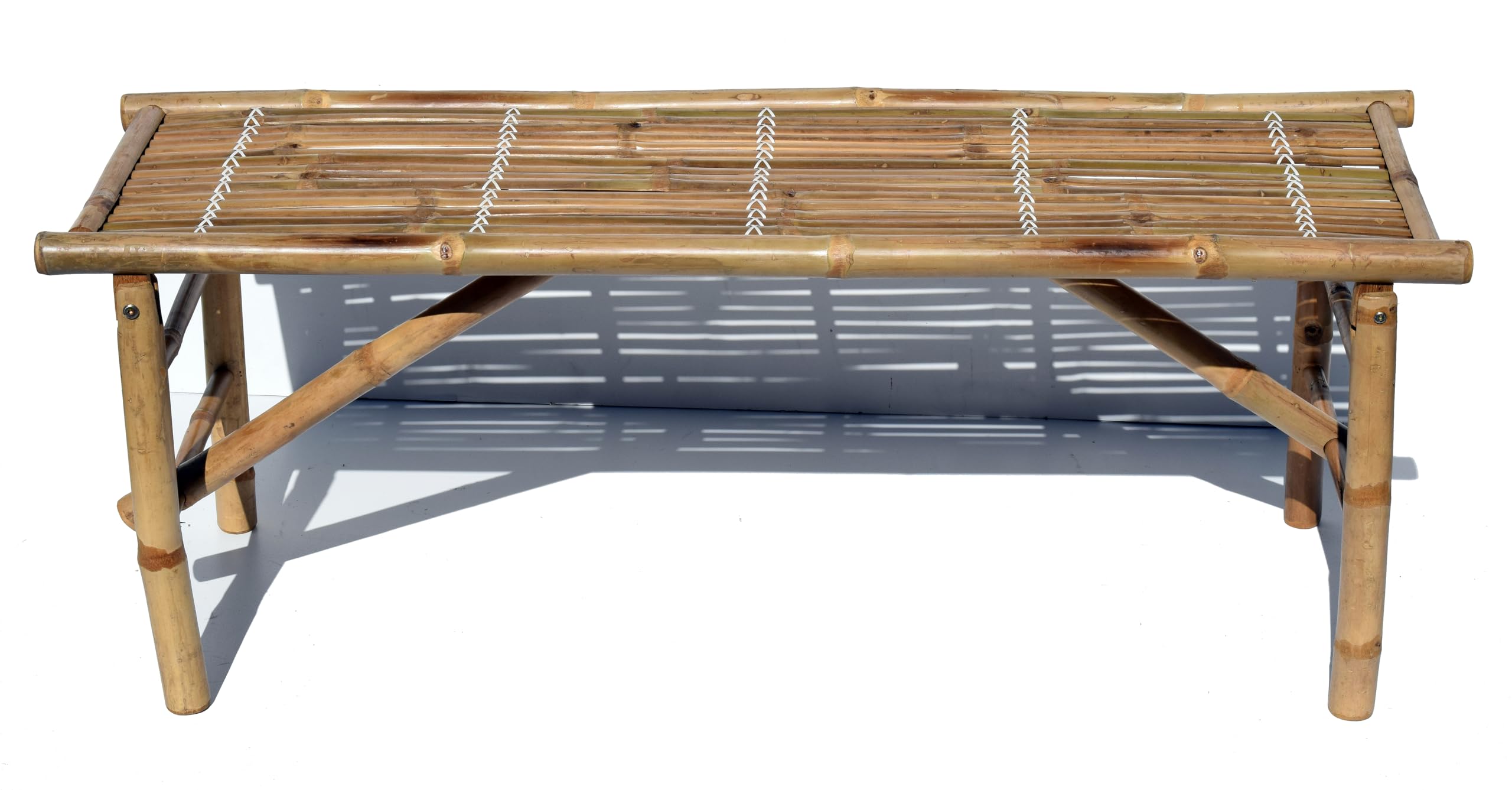
This eco-friendly bamboo bench offers versatile seating for both indoor and outdoor spaces with its authentic rustic charm and practical folding design.
Pros
- Lightweight yet supports up to 350 pounds
- No assembly required with easy folding legs
- Versatile for multiple uses beyond seating
Cons
- Natural bamboo may have inconsistent appearance
- Requires regular maintenance to preserve outdoors
- Limited padding for extended comfort
We recently tried this Japanese-style bamboo bench in several settings and were impressed by its natural beauty. The authentic bamboo construction retains the skin with distinctive marks and textures that give each piece character. These natural imperfections aren’t flaws but rather add to its rustic appeal.
Setting it up couldn’t be easier. The folding legs snap into place without any tools or complicated assembly. When we needed to move it between our garden and living room, the lightweight design (just 14 pounds) made transportation simple. Despite its lightweight nature, it easily supported two adults.
The bench proved remarkably versatile in our testing. Beyond seating, we used it as a plant stand on our patio and as a makeshift coffee table indoors. Its 47-inch width provides ample space while the 15-inch depth keeps it compact enough for smaller spaces. The 18-inch height felt comfortable for most adults.
SWEVEN Bamboo Bench

This versatile bamboo bench combines modern Japanese-inspired design with sturdy construction, making it a practical and stylish addition to any home.
Pros
- Exceptional 500-pound weight capacity
- Versatile use in multiple rooms
- Quick 10-minute assembly
Cons
- Some units may have rough edges
- Made in China, not USA as implied
- Limited padding for extended sitting
We recently placed this SWEVEN bamboo bench in our entryway, and it’s exactly what the space needed. The natural bamboo finish gives it that perfect Japandi aesthetic while remaining neutral enough to blend with various decor styles. It arrived well-packaged with all hardware included, and assembly took less than 10 minutes.
The bench feels rock-solid under everyday use. We’ve had multiple people sit on it simultaneously with no wobbling or creaking. Its waterfall edge design isn’t just beautiful—it’s comfortable when sitting to remove shoes. The smooth bamboo surface wipes clean easily, which has been helpful for those rainy days when it gets splashed.
At 35.5 inches wide, this bench fits perfectly in smaller spaces while still providing enough seating for two adults. We appreciate the minimalist design that adds functionality without overwhelming our entryway. Though primarily designed for indoor use, we’ve occasionally moved it to our covered patio for extra seating during gatherings, and it’s held up well. For the price point, this bench delivers exceptional quality and versatility.
Farmhouse Wooden Bench
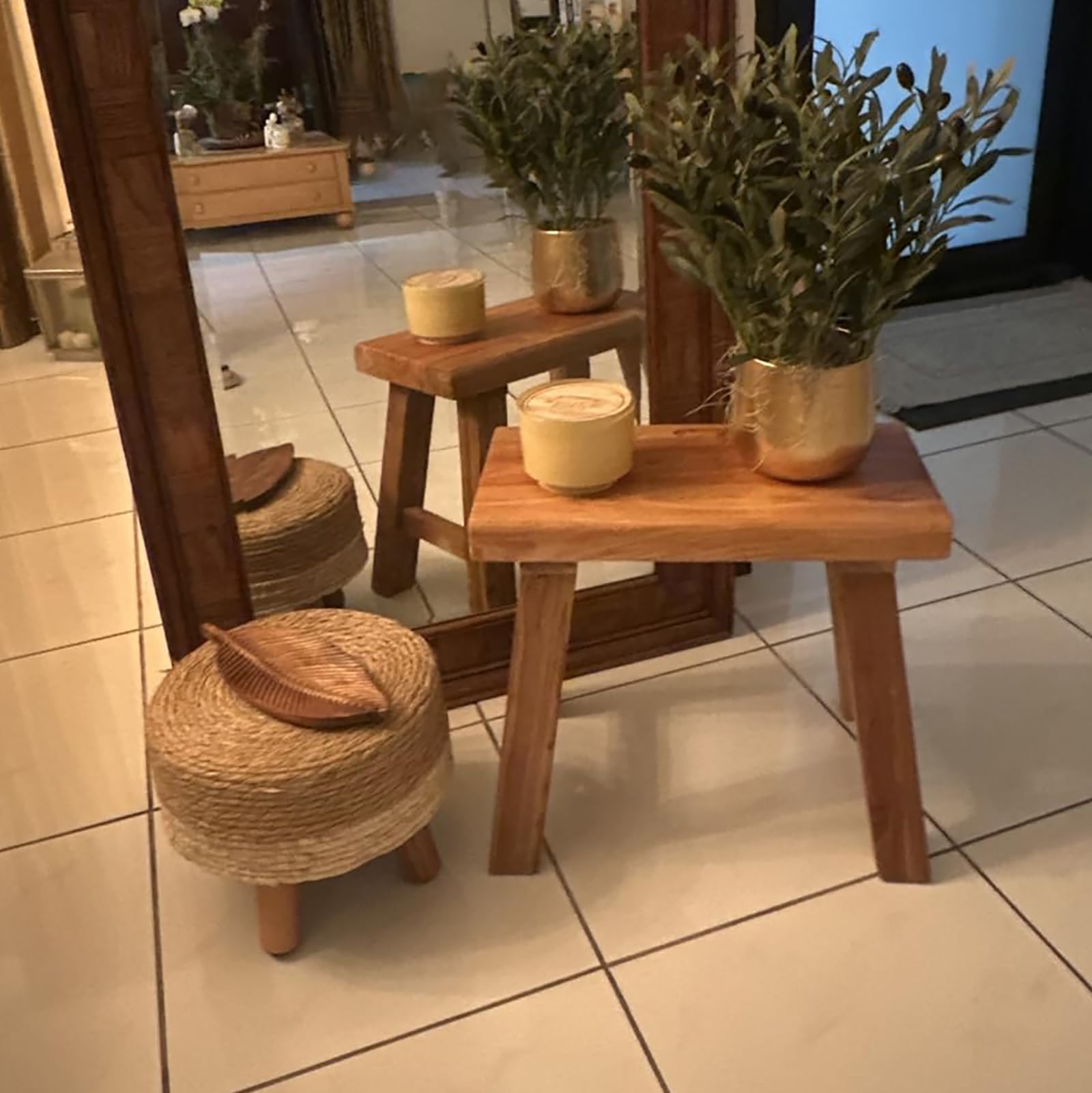
This compact wooden bench has nice natural wood grain but falls short on size expectations and delivery reliability.
Pros
- Authentic wood construction with visible grain
- Quick and simple assembly
- Compact size for small spaces
Cons
- Much smaller than appears in product images
- Extremely long shipping times
- Poor packaging quality
We recently tried out this 19-inch farmhouse bench from LLYLAFDC and have mixed feelings. The natural wood finish does look nice up close, with each piece showing unique grain patterns. Assembly took us less than 10 minutes, which was a pleasant surprise.
The biggest issue? This bench is tiny compared to what the images suggest. At just 19.6 inches deep and 10.2 inches wide, it’s more of an accent piece than functional seating. The 17.7-inch height works fine, but the narrow width limits its usefulness.
The packaging was problematic too. Our bench arrived in a box much too small, wrapped in excessive tape and looking somewhat stressed from shipping. Delivery took several weeks longer than expected. While the wood feels sturdy enough, we believe the 2.8-star rating is fair given these shortcomings. It might work as a small decorative piece, but don’t expect a full-sized bench for regular seating.
Buying Guide
When shopping for a Japanese bench, several features deserve our attention. We’ll guide you through the key considerations to help you find the perfect piece for your space.
Materials Matter
Look for benches made of traditional Japanese woods like hinoki cypress, cedar, or bamboo. These materials offer durability and authenticity.
Quality woods will have a smooth finish with visible natural grain patterns. The wood should feel solid and show careful craftsmanship at the joints.
Size and Proportions
Measure your space carefully before purchasing. Japanese benches typically range from 2-4 feet in length.
Height matters too. Traditional Japanese benches sit lower than Western furniture, usually 12-18 inches from the floor.
| Bench Type | Typical Length | Typical Height | Best For |
|---|---|---|---|
| Entryway | 2-3 feet | 15-18 inches | Shoe removal |
| Garden | 3-4 feet | 12-16 inches | Outdoor seating |
| Meditation | 2-2.5 feet | 6-10 inches | Meditation practice |
Design Elements
Look for simplicity in design. Traditional Japanese benches feature clean lines and minimal ornamentation.
Consider whether you want a bench with storage underneath. Some designs include shelving for shoes or other items.
The finish should enhance the natural beauty of the wood rather than mask it. A light oil or wax finish is typical.
Comfort Considerations
Test the seating surface if possible. While Japanese benches aren’t typically cushioned, the seating surface should be smooth and comfortable.
Frequently Asked Questions
Japanese benches blend form and function through distinctive design elements, material choices, and construction techniques. These benches serve both practical and aesthetic purposes in various settings.
What are the traditional design elements of a Japanese outdoor bench?
Traditional Japanese outdoor benches feature clean lines and minimalist aesthetics. They typically have low profiles and horizontal emphasis that complements natural surroundings.
Most authentic designs use joinery techniques instead of metal fasteners. This craftsmanship creates seamless connections between wooden components.
Japanese outdoor benches often incorporate natural curves and asymmetry, reflecting wabi-sabi principles that embrace imperfection and transience.
How does a Japanese bench with a back differ in construction from a Western-style bench?
Japanese benches with backs typically feature lower seat heights and angled backrests compared to Western counterparts. The backrest angle is usually more upright to promote proper posture.
The connection points between the seat and back often use specialized joinery methods like mortise and tenon rather than brackets or screws.
The proportions follow traditional Japanese measurements rather than Western ergonomic standards, creating a distinct visual identity.
What are the best materials used for crafting an indoor Japanese bench?
Hinoki (Japanese cypress) is prized for indoor benches due to its pleasant aroma, light color, and resistance to humidity. Its fine grain creates smooth surfaces ideal for interior spaces.
Keyaki (Japanese zelkova) offers excellent durability and beautiful grain patterns that darken gracefully with age. It’s often used for high-end pieces.
Sugi (Japanese cedar) provides a lightweight alternative with natural resistance to insects. Modern Japanese benches sometimes incorporate bamboo for sustainability.
Which Japanese bench designs typically feature storage capabilities?
Tansu-style benches integrate storage drawers beneath the seating surface while maintaining clean exterior lines. These versatile pieces work well in entryways.
Platform benches with hinged tops allow for blanket or cushion storage. The compartment remains hidden when closed, preserving the bench’s minimalist appearance.
Step-chest hybrid designs combine bench functionality with graduated storage compartments, maximizing utility in compact spaces.
Where can one find authentic Japanese benches for purchase?
Specialized furniture importers with direct relationships to Japanese craftspeople offer the most authentic options. These vendors typically provide documentation about wood sources and makers.
Japanese cultural centers in major cities sometimes hold exhibitions with furniture available for purchase. These events connect buyers directly with artisans.
Online marketplaces dedicated to Japanese design feature both vintage and contemporary pieces. Look for sellers who provide detailed information about materials and construction methods.
How does the aesthetic of a modern Japanese bench incorporate traditional elements?
Modern Japanese benches maintain traditional proportions while introducing contemporary materials like steel, glass, or engineered wood alongside natural timber.
They often preserve key joinery techniques but may simplify them for production efficiency. The essence of minimalism remains central to design philosophy.
Today’s designers frequently emphasize environmental sustainability by using reclaimed wood or certified sustainable timber while honoring traditional forms and proportions.