Tokyo Summer Climate Overview

When visiting Japan in summer, I find Tokyo experiences a significant increase in heat and humidity. The season begins with moderate warmth, but temperatures rapidly rise, leading to intense heat.
June to August: The period marks the summer season in Japan.
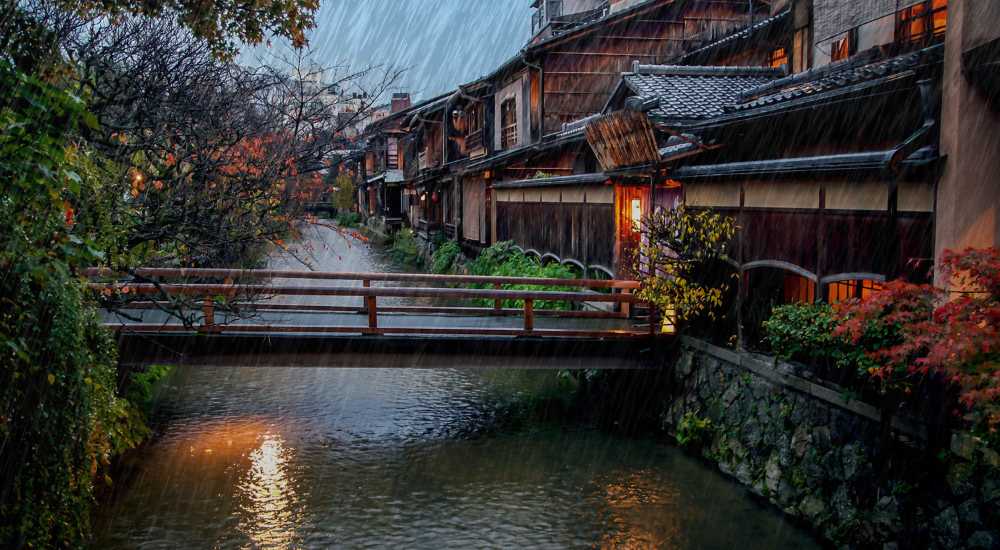
- Early Summer: I observe the arrival of the rainy season around late May or June, characterized by consistent rain and cloudy skies.
- Midsummer: July and August are particularly notable for their high humidity and temperature. I note that during this period, daily high temperatures typically range between 75°F (24°C) and 95°F (35°C).
Humidity Levels: It’s crucial to highlight the oppressive humidity during these months. It’s worth noting that the combination of summer heat and moisture can make outdoor activities quite strenuous.
- Rainy Season: Lasting about 3 to 4 weeks.
- Typhoon Season: Starts late August, occasionally bringing storms.
Here’s a simple breakdown of what I notice about the typical summer temperatures in Tokyo:
| Month | Avg. High | Avg. Low | Humidity |
| June | 75°F (24°C) | 64°F (18°C) | High |
| July | 87°F (31°C) | 74°F (23°C) | Very High |
| August | 86°F (30°C) | 74°F (23°C) | Very High |
A striking aspect of Japanese summer, especially in Tokyo, that I always keep in mind is the presence of ‘manatsubi’ and ‘mōshobi’ days when temperatures can soar above 86°F (30°C) and 95°F (35°C), respectively.
The peak of these conditions is typically observed in the heart of summer, so it is advisable for anyone planning a visit to prepare for the heat by bringing a couple of bottles of water when traveling in Tokyo or anywhere around the country.
Humidity Levels in Tokyo

Tokyo’s summers are particularly humid, with July averaging the highest humidity at around 76%. I experience this increased moisture in the air due to the city’s location and the seasonal monsoon climates.
Monthly Humidity Averages
- January: 50%
- July: 76%
Tokyo’s climate is characterized by its temperate nature throughout summer but with distinct differences. Summer in Japan, which I observe typically starts in June, exhibits a steep increase in both temperature and humidity.
Humidity will significantly impact your comfort during the summer months.
High humidity makes the air feel heavy and sticky, exacerbating the perception of heat. It can also stifle the body’s ability to cool down through sweat evaporation, making hot weather even more uncomfortable.
Tourists should stay hydrated and seek out cool spaces with ac, like a café, which can help mitigate the effects of humidity during summer.
Due to their geographical location and urban infrastructure, large cities and coastal areas like Tokyo are particularly susceptible to humidity.
During the rainy season in June and July, consistent rainfall can exacerbate humidity levels, making the atmosphere feel even more oppressive.
Additionally, the typhoon season, typically between the end of August and September, brings strong winds and heightened humidity.
As someone who experiences these conditions firsthand, preparing for high humidity and strong winds during this period is essential for staying comfortable and safe.
To present data succinctly:
- Average Annual Humidity: 64%
- Dew Point in Summer: Peaks in August
In my experience, the combination of high temperatures and elevated dew points makes for an intensely humid environment.
For tourists, I suggest lightweight clothing and staying hydrated throughout the summer, as Tokyo’s summer climate is marked by hot and humid weather.
Factors Contributing to Tokyo’s Humidity
In the summer, Tokyo’s high humidity levels can be attributed to specific geographic and seasonal factors.
Geographical Influence
My research indicates that Tokyo’s geographic location plays a pivotal role.
The city is situated in a coastal region, which naturally enhances its humidity due to its proximity to the Pacific Ocean. Water bodies, such as Tokyo Bay, contribute to higher atmospheric moisture.
Similarly, regions like Hokkaido and Okinawa experience distinct humidity levels due to their unique geographical features.
While Hokkaido, located in the northern part of Japan, tends to have lower humidity levels compared to Tokyo, Okinawa, situated in the southern part, experiences higher humidity, influenced by its subtropical climate and proximity to warm ocean currents.
In Tokyo, areas like Shinjuku, as part of the urban landscape, may also have slightly elevated humidity levels compared to rural or suburban areas due to asphalt surfaces retaining heat and buildings trapping moisture.
Seasonal Weather Patterns
Tokyo experiences the East Asian Monsoon, which directly affects seasonal weather patterns.
Throughout summer, the city is influenced by southeast monsoonal winds that carry a significant amount of water vapor from the Pacific, leading to a notable rise in humidity levels.
The increase is unpredictable, often peaking in July, with average humidity reaching approximately 76%.
According to data from the Japan Meteorological Agency, these fluctuations in humidity are part of a broader pattern observed across the months of the year.
Japanese people, accustomed to these changes, often adapt their routines and clothing choices to cope with the varying humidity levels and comfort throughout the year, especially during the hottest months.
Daily Variation of Humidity in Summer

The humidity levels are consistently high in the heart of Tokyo’s summer. The mornings often start with relative humidity around the 70% mark. This can create a heavy, damp sensation in the air as the city wakes up.
As the sun climbs higher, one might expect a drop in humidity. However, Tokyo’s concrete and dense urban landscape trap moisture, maintaining humidity.
By afternoon, the humidity often peaks due to the combination of heat and the urban heat island effect. It’s common to see levels around or above 75% during these hours.
The abundant vegetation in parks and gardens throughout the city also contributes to the afternoon humidity.
Evening brings some respite, but not much. The humidity decreases slightly but tends to sustain above 60%.
Nighttime doesn’t offer a full escape from the moisture in the air; it lingers, albeit lower than the daytime peaks. On a typical summer night, the humidity hovers around 65%.
This pattern of humidity fluctuations persists through mid-September and other times of the year, making it a consistent aspect of Tokyo’s climate.
Here’s a simplified breakdown:
- Morning: Around 70% relative humidity
- Afternoon: Often 75% or higher
- Evening: Slight decrease, sustains above 60%
- Night: Approximately 65% relative humidity
It’s important to prepare for these conditions when planning any activities in Tokyo during the summer months.
Comparative Humidity: Tokyo vs. Other Cities
Tokyo’s humidity levels during the summer are substantial, with averages peaking in July. The consistency of Japan’s summer humidity differs from the fluctuations I may experience elsewhere.
Average Humidity Levels in Summer:
- Tokyo: Around 76%
- New York City: Approximately 65-70%
- Bangkok: Often exceeds 70%
- Miami: Regularly around 75%
Compared to some Southeast Asian cities, Tokyo’s humidity is less intense but still noticeable. Cities like Bangkok experience higher humidity, making Tokyo’s climate mildly more comfortable.
When looking at American cities such as New York City or Miami, Tokyo’s humidity closely aligns with Florida’s, despite Miami feeling more intense due to heat.
Month-by-Month Comparison for Tokyo:
- July: About 76%
- August: Slightly lower but still high
The constant humidity in Tokyo might be striking for someone acquainted with Massachusetts’ varied summer climate. However, the combination of heat and humidity defines the comfort level. Tokyo’s heat can amplify the feeling of humidity.
While Tokyo’s humidity is significant, it pales compared to the relentlessly high humidity levels found in tropical Southeast Asian cities. It aligns more closely with certain U.S. cities, although local weather patterns affect how it feels.
Impact of Humidity on Daily Life in Tokyo
High humidity in the city during the summer months significantly affects daily life. It influences health, transportation, and the enjoyment of cultural events.
For tourists looking to sightsee in Tokyo, it’s essential to beware of the oppressive humidity, which can make outdoor activities unbearable, especially during the hottest hours of the day.
It’s advisable to plan excursions early in the morning or later in the afternoon to avoid the peak humidity levels and ensure a more comfortable experience.
Health Considerations
As someone who visits Tokyo often, I have to be mindful of the high humidity, especially in July, when it averages 76%. The dense moisture in the air can lead to heat exhaustion or heatstroke.
Hydration becomes crucial, and I drink more water and wear light, breathable clothing to stay cool.
First and foremost, make sure to check the weather forecast regularly, pay close attention to humidity levels, and plan outdoor activities accordingly.
The most important thing to remember is to stay hydrated. Also, wear appropriate clothing to combat the discomfort caused by Tokyo’s summer humidity.
Transportation Challenges
The robust public transportation system in Tokyo faces efficiency hurdles due to humidity. Trains and buses can become crowded and uncomfortably hot, and the risk of equipment malfunction increases.
As a daily commuter, I prepare for delays and sometimes opt for earlier travel to avoid peak humidity.
In major cities like Tokyo, commuters often carry cooling sprays or handheld fans to alleviate the discomfort of humid conditions during their journey.
Despite the challenges, commuters still want to ensure they reach their destinations comfortably and on time.
Cultural Events and Festivals
During summer festivals like Obon or Tanabata in Tokushima, on the island of Shikoku, humidity shapes my participation.
Outdoor events require planning, from choosing appropriate attire to ensuring I can stay hydrated amidst the muggy weather.
While viewing beautiful summer fireworks or lanterns, I need to balance enjoyment with vigilance so I am not overwhelmed by the humidity.
In addition to its vibrant festivals, Tokushima boasts a wealth of temples, shrines, and cultural events like the Nebuta Matsuri, adding depth to the region’s allure.
Exploring the beaten paths of Tokushima during these public holidays reveals the essence of its traditions and spiritual heritage.
For a relaxing retreat, visitors can indulge in the region’s natural hot springs. Accommodations are available to suit every budget, providing a perfect way to lower accommodation stress after a day of festival fun.
Remember to indulge in seasonal foods, especially the fresh seafood offerings, which are a highlight of the local cuisine.
Coping with Tokyo’s Humidity
During Tokyo’s summer months, humidity levels can soar, making the heat feel more intense, especially in the southwest regions of the city. I find it crucial to adapt daily routines to remain comfortable.
If you want to look your best despite the humidity, lightweight and breathable clothing materials can significantly improve your comfort level throughout the day.
Air Conditioning Usage
In Tokyo, air conditioners are widespread during the humid months.
I set my air conditioning unit to a comfortable temperature, typically around 25°C (77°F), to reduce the humidity inside my home or office and create a chill environment.
It’s also important to regularly clean the filters to maintain efficiency and comfort.
Dehumidifying Techniques
Aside from air conditioning, dehumidifiers can help manage indoor humidity levels. I often use electric dehumidifiers, particularly in areas not served by an air conditioner.
Additionally, I utilize moisture-absorbing products, such as silica gel packs, in closets and drawers to protect my belongings from dampness.
These simple strategies help me effectively get rid of excess moisture, creating a more comfortable living environment, especially during the humid months in Tokyo.
Appropriate Clothing Choices
Regarding clothing, I choose light and breathable fabrics such as cotton and linen to help cope with the high humidity.
I opt for loose-fitting garments that allow better air circulation around my body. Light-colored clothing reflects sunlight and helps keep me cooler under the harsh summer sun.
During summer in Tokyo, where the humidity can be particularly oppressive, it’s essential to dress comfortably to combat the heat.
However, when planning for activities like skiing in the winter, I ensure to pack appropriate clothing to stay comfortable in different environments.
Additionally, wearing moisture-wicking fabrics during physical activities helps me stay dry and maintain comfort, whether I’m skiing in the winter or navigating the humid streets of Tokyo in the summer.
Frequently Asked Questions

I’ve received a lot of questions about Tokyo’s humidity during the summer. Here are the most common inquiries.
What is the typical humidity level in Tokyo during summer months?
During summer, the average relative humidity in Tokyo hovers around 70-80%. I’ve noticed it can be particularly high in the mornings and evenings.
How does the humidity in Tokyo in summer compare to other seasons?
Summer humidity in the city far exceeds other seasons, which are milder by comparison. In contrast, winters are drier, with much lower humidity levels.
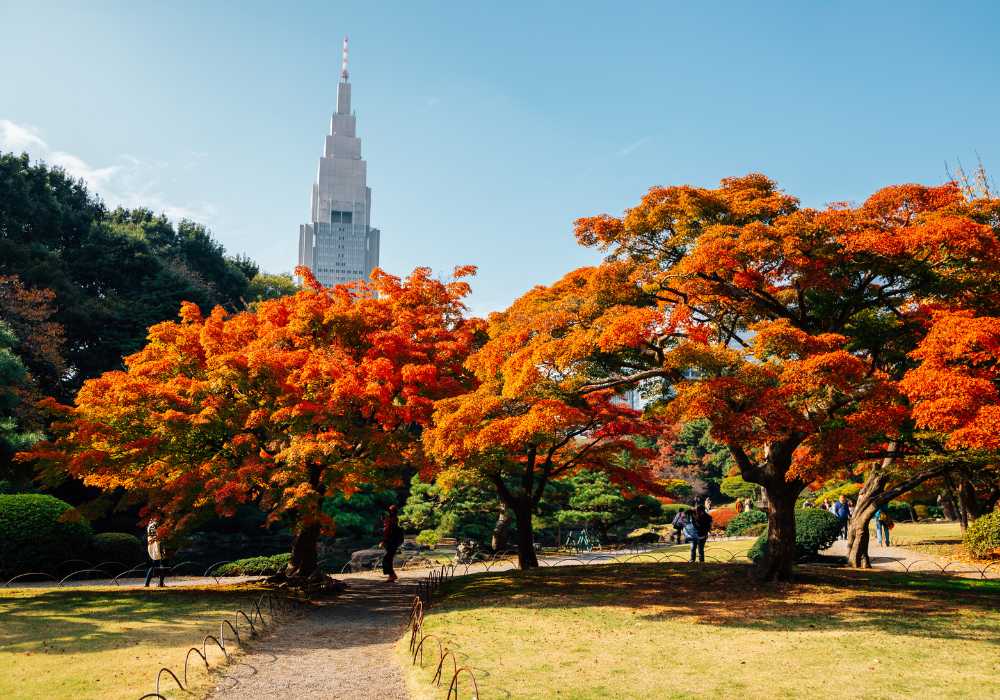
During the cherry blossom season in spring and the foliage season in autumn, humidity levels are generally moderate, providing more comfortable conditions for outdoor activities compared to the sweltering summer months.
Can you explain why Tokyo experiences high levels of humidity in the summer?
Tokyo’s high summer humidity is due to its subtropical climate and the moist air masses that dominate the region during this season. Warm ocean currents also contribute to the increased moisture in the air.
What are the peak humidity levels that one can expect in Tokyo during the summertime?
Peak humidity levels in Tokyo during summer can reach or exceed 80%. These conditions often coincide with the rainy season in early summer.
During which month is humidity at its highest in Tokyo?
July typically marks the peak of humidity. It aligns with the rainy season and the onset of consistently higher temperatures.
Is the humidity in Tokyo more intense than in other regions of Japan during summer?
While Tokyo is known for its humid summers, other regions in Japan, especially those closer to the coast or in southern parts of the country, can experience even higher humidity levels.
However, Tokyo’s unique urban heat island effect can make the humidity feel more intense.