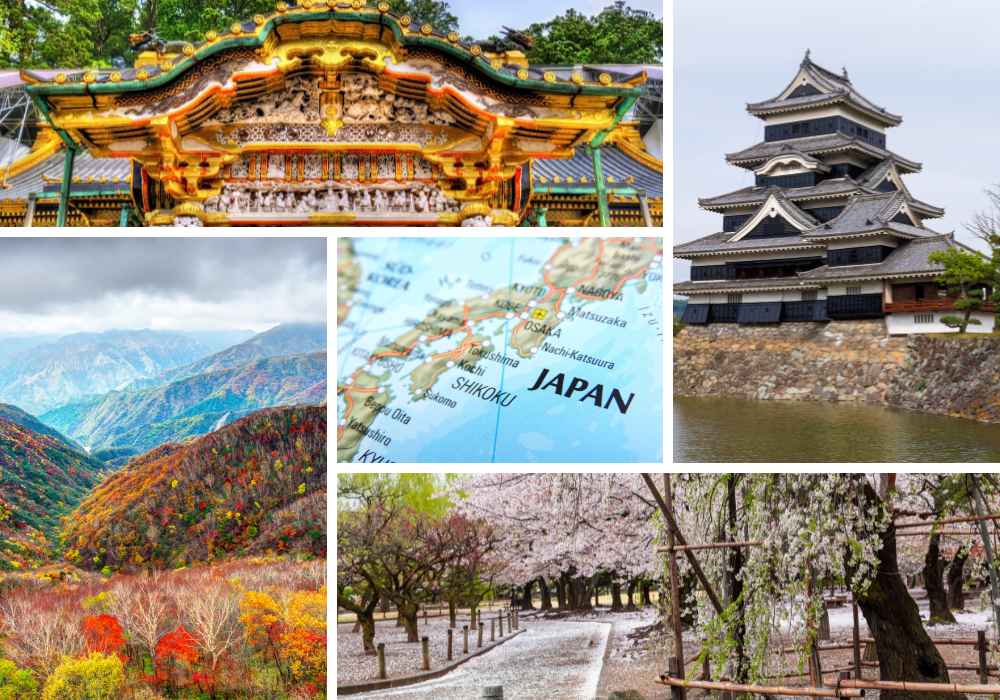
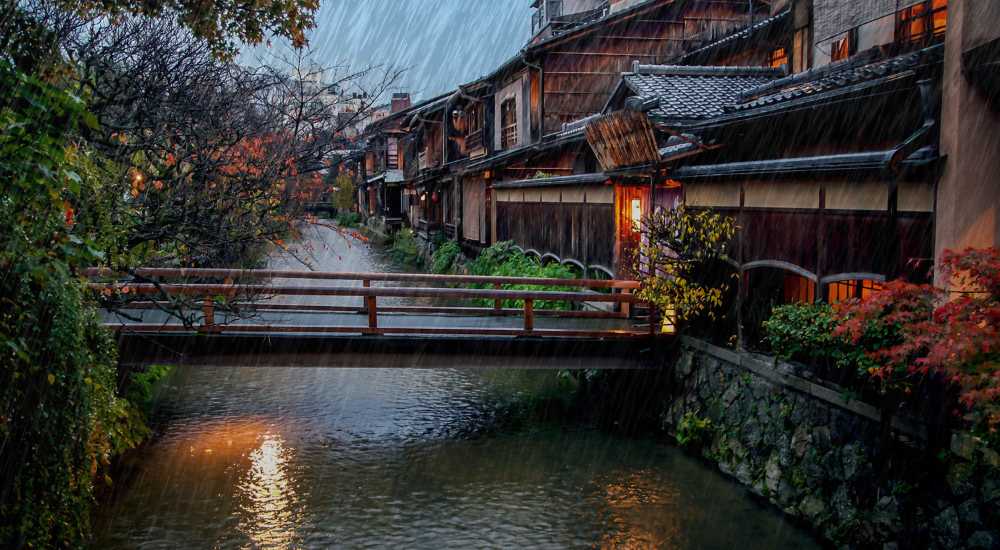
Spring in Japan feels like a dream — soft petals drifting through the air, lantern-lit festivals, and mountain paths dappled with sunlight.
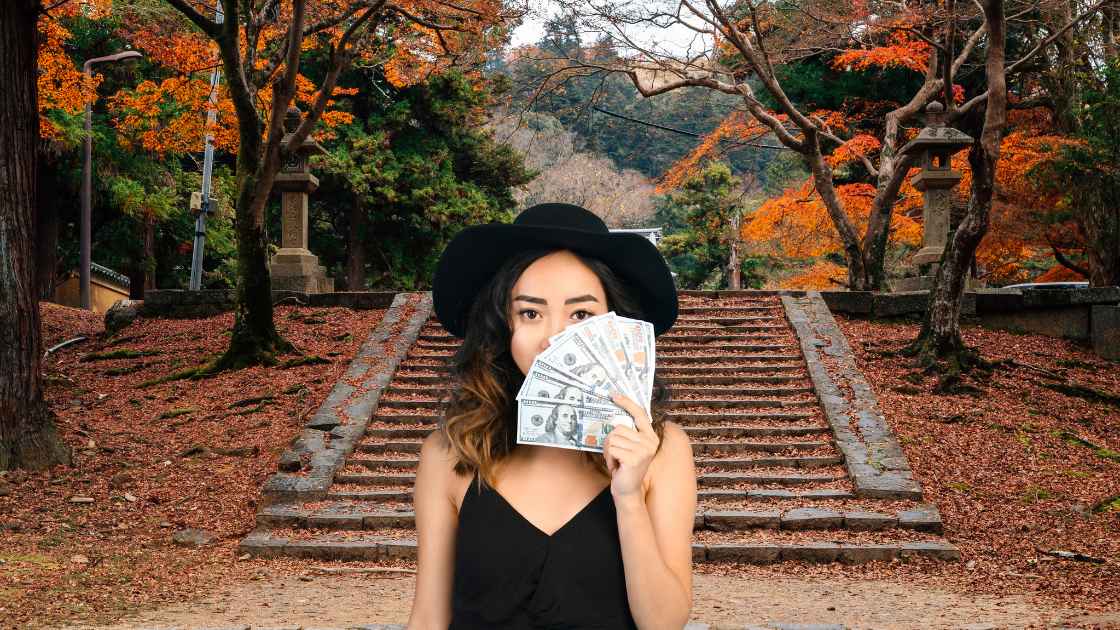
But there’s one question travelers always ask: Is Japan super expensive in spring?
Let’s gently unpack the truth behind the pricing myths, and see how you can enjoy Japan in full bloom — without breaking the bank 🌸
💴 1. Yes, Flights Can Be Pricey — But Only Around Peak Weeks
Spring is popular, especially during:
- Late March to early April (cherry blossom season)
- Golden Week (April 29 to May 5)
During these windows, international flights and domestic travel can spike.
Tip:
- Book 2–3 months in advance for better deals
- Travel in mid-March or mid-to-late April for lower airfare and fewer crowds
🏨 2. Accommodation Prices Rise in Sakura Hotspots
Kyoto, Tokyo, and Osaka see a surge in demand. Expect higher prices for hotels and ryokans — especially near famous cherry blossom spots.
But don’t worry — there are ways around this.
Budget tip:
- Book weekday stays instead of weekends
- Look outside the city center — local guesthouses or business hotels offer great value
- Explore lesser-known towns like Kanazawa, Matsue, or Kinosaki Onsen
🍱 3. Food Is Affordable Year-Round
Here’s the good news: eating well in Japan doesn’t have to cost much.
- Fresh sushi from convenience stores? Delicious and under $5
- Local ramen shop? Around $6–8
- Beautiful bento boxes from department store basements? A treasure trove of affordable options
✨ Whether you’re in Tokyo or the countryside, Japan’s everyday meals are both cheap and memorable.
🚅 4. Transport Can Be a Smart Investment
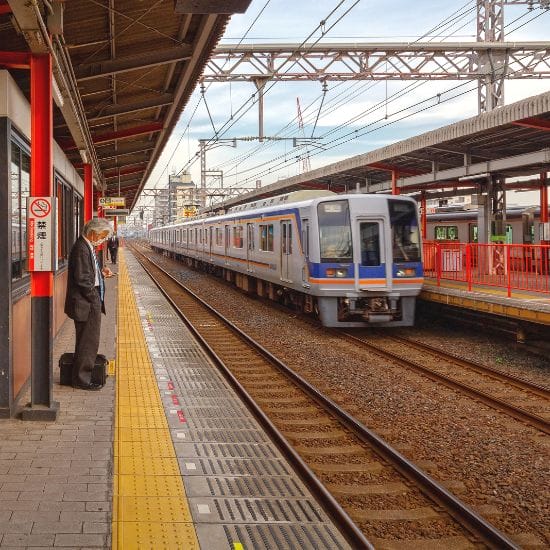
Japan Rail Passes may seem pricey, but they offer great value if you plan to travel between cities.
- 7-day pass: Around $275 USD
- Covers unlimited travel on JR trains, including Shinkansen (excluding Nozomi)
If you’re sticking to one region (like Kansai or Kyushu), regional passes are even cheaper.
📍 Tip: If you’re only visiting one or two cities, single Shinkansen tickets + an IC card (like Suica) might be more cost-effective.
🎎 5. Attractions Are Mostly Low-Cost
Temples, gardens, and castles generally charge $3–$6 USD for entry.
Even Kyoto’s most famous spots rarely exceed this.
Hanami (flower viewing)? Completely free.
Just bring snacks and join the locals under the blossoms.
🌸 A picnic in Maruyama Park can be just as special as a formal tea ceremony.
🧳 6. Souvenirs and Shopping: What You Spend is Up to You
It’s easy to find beautifully designed, budget-friendly gifts:
- Handcrafted ceramics from local markets
- Matcha kits, washi paper, or artisanal snacks
- 100-yen stores (like Daiso) for fun, useful finds
Japan blends high design with everyday pricing. You don’t need to spend a lot to bring home something meaningful.
🚶♀️ 7. Spring Splendor Doesn’t Cost a Thing
The most unforgettable parts of spring in Japan are completely free:
- Walking under tunnels of cherry blossoms
- Catching the scent of incense at a quiet temple
- Listening to frogs in rice fields at dusk
Traveling in spring is about being present. Not piling up activities.
And that gentle, poetic beauty? It’s available to every budget.
🌸 Final Thoughts: Travel Softly, Spend Wisely
So — is Japan really expensive in spring?
It can be… if you chase only the top spots at the busiest times.
But with a little planning and curiosity, spring in Japan is more accessible than you might think.
Go slow. Wander off the path. Choose beauty over bustle.
And you’ll find spring in Japan is not only magical — it’s worth every yen.