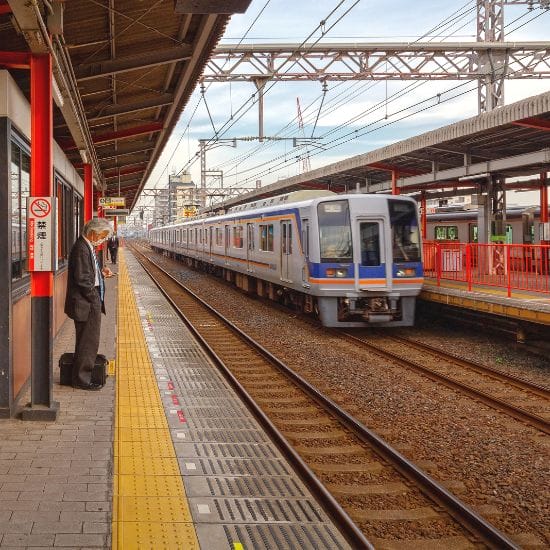
Overview of Suica Card
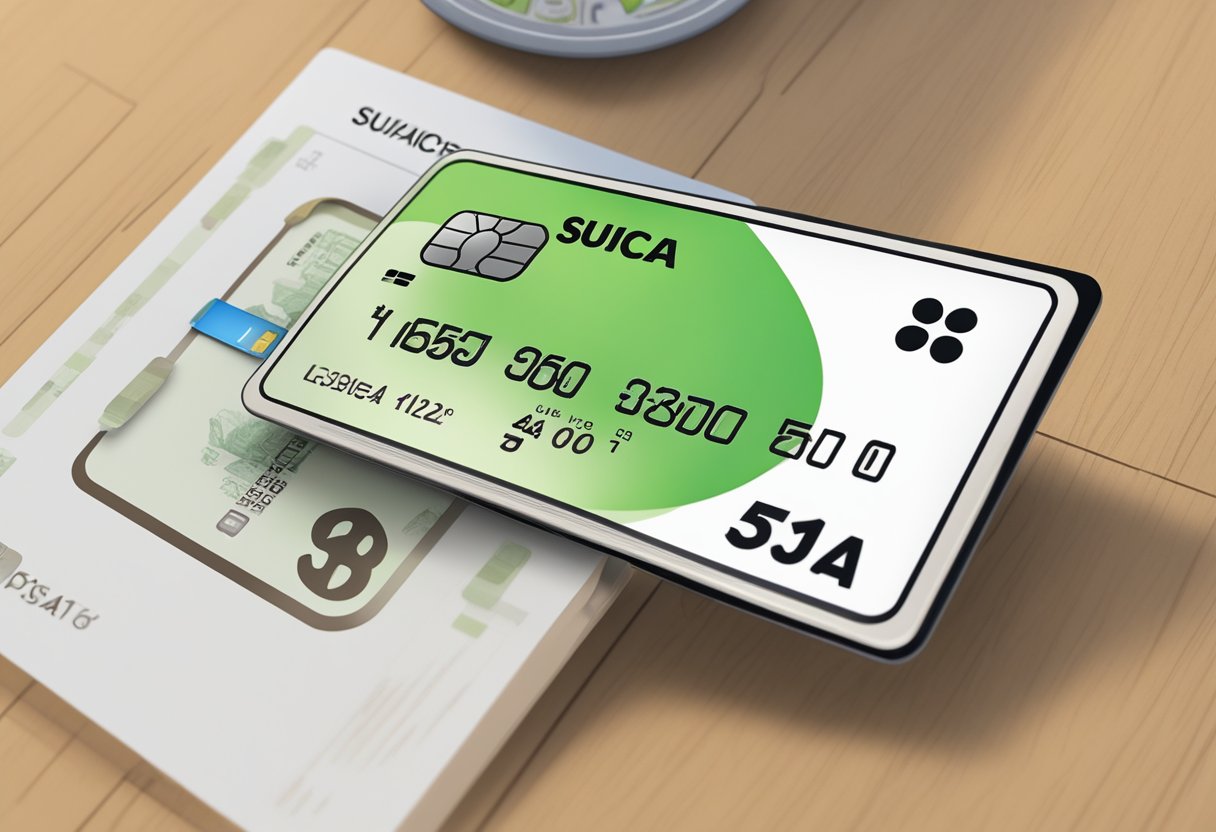
The Suica is a prepaid, rechargeable smart card used primarily for public transportation in Japan. It’s an essential companion for commuters and travelers, offering a convenient tap-and-go experience.
While this article focuses on Suica, a similar card called Pasmo serves the same purpose. I find trains, subways, buses, and even shopping accessible with Suica and Pasmo.
When I purchase a Suica Card in Japan, I can choose denominations ranging from ¥1,000 to ¥10,000, including a ¥500 deposit.
My card can hold a balance of up to ¥20,000, the maximum amount I can top up. However, I can only reload the card with Japanese yen and only in cash, as credit cards are not accepted for top-ups.
Here’s a quick breakdown of the Suica Card costs:
- Initial card price: ¥1,000 to ¥10,000 Maximum balance: ¥20,000
- Top-up increments: ¥1,000
A handling fee of ¥220 is deducted from my remaining balance for refunds. So if I have a balance of, say, ¥1,000, the refund process would involve subtracting the ¥220 fee and adding the ¥500 deposit to the remaining.
Purchasing a Suica Card
Obtaining a Suica card is a convenient way to travel to Japan. It simplifies paying for public transit and can be used for other small purchases.
Initial Cost
The initial cost of a Suica card includes a refundable deposit and an initial balance. These fees typically vary depending on where you purchase the card but generally range from around 500 to 1000 yen.
The initial balance lets you immediately use the card for transportation fares and other purchases.
Loading and Reloading

Before I explore specific details, it’s important to note that Suica cards offer a convenient way to pay for public transport in Japan. Users can top-up these cards to a maximum amount and reload them at various locations.
Top-Up Value
Initial Cost & Value: For visitors to Japan, especially those relying on the train and bus systems, getting a Suica card offers a convenient way to prepay for transportation.
The card can also be used for other expenses, such as shopping at convenience stores, purchasing drinks from vending machines, and even grabbing a quick meal at certain eateries.
The initial cost of a Suica card typically includes a ¥500 deposit and a ¥1,500 usable balance, totaling ¥2,000.
These cards can be topped up with additional value, up to ¥20,000. However, only Japanese Yen currency is accepted when adding value to the card, and the minimum top-up amount is usually ¥1,000.
Reloading Locations
In-person: You can top up your Suica at ticket machines in most Japan Railway stations, convenience stores like 7-Eleven, and certain ATMs.
Digital Reloads: If you have an iPhone with a mobile Suica application, you can add money digitally using a linked American Express Card through the Wallet App.
Using Suica Card

The Suica Card indispensable for seamless travel and shopping experiences in Japan. It’s a smart card for convenient transportation and retail transactions.
Whenever you’re in Japan, use your Suica card to streamline your journey and purchases effortlessly.
Transportation Networks
My Suica IC Card serves as my ticket across various transportation networks in Tokyo and other regions in Japan. It is accepted on:
- JR East lines for trains and Shinkansen
- Subway services: Tokyo Metro, Toei Subway
- Private railways: such as Keio, Keikyu, and Odakyu
- Buses and monorails, including the Tokyo Monorail in the Tokyo area
Using it is straightforward. I place it on the card reader at the train station ticket gates or on buses when boarding and alighting.
For travelers exploring the East Japan region, including Tokyo, having a Suica card is especially convenient and often more flexible than relying solely on the Japan Rail Pass.
Retail Usage
Besides transportation, my Suica Card doubles as a digital wallet at countless retail locations. Here are the specifics:
- Convenience stores: like 7-Eleven, FamilyMart
- Vending machines
- Restaurants
- Other shops that display the Suica Logo acceptance sign
When making purchases, use the Suica by pressing the card against the reader to pay instantly, making transactions cash-free and hassle-free.
Suica Card Variants

In navigating Japan’s transportation system, Suica cards offer flexibility with two primary variants tailored to passenger needs: Personal Suica and Anonymous Suica.
Personal Suica
Personal Suica cards are registered to an individual, offering the ability to recover the balance if lost or stolen.
My name and a designated photograph are linked to the card to ensure its personal use. These cards can be integrated with various commuter passes and associated with mobile payment systems like Apple Pay.
Anonymous Suica
Anonymous Suica cards are not tied to my data and are suitable for those who prioritize privacy or convenience. Anyone can purchase them.
However, if I lose an Anonymous Suica, the remaining balance isn’t retrievable as there is no personal information to verify ownership.
Similar cards, like ICOCA in the Kansai region and PASMO in the Tokyo area, provide similar functionalities, catering to travelers’ preferences across different regions of Japan.
Refunds and Returns
When I return the card, I can request a refund for the remaining balance plus the original deposit after a handling fee is deducted. Here’s how the process works.
Refund Process
To initiate a refund, I need to visit a JR rail office. I then had to present my Suica card to the staff member, who would process the refund. After fees are subtracted, the remaining balance is returned to me along with the 500 yen deposit.
Handling Fees
JR East deducts a handling fee of 220 yen from the Suica card’s balance before issuing a refund. Only the deposit is returned if my remaining balance is lower than the fee. Here’s a breakdown of the fees:
- Handling Fee: 220 yen
- Deposit: 500 yen
Example:
- Remaining balance: 1,000 yen
- Refund amount: 1,000 yen – 220 yen (Handling Fee) + 500 yen (Deposit) = 1,280 yen
I receive only my deposit back if my card balance is less than 220 yen.
Compatibility and Restrictions

My Suica card functions across a wide range of transportation services in Japan. Trains, buses, and some shopping outlets accept it, making travel and small purchases convenient. However, there are limitations I must consider:
- Restrictions: Suica cards typically expire 10 years after the last use. However, the special “Welcome Suica” intended for tourists like me expires 28 days after purchase. This expiration means I need to plan my usage accordingly during my visit.
- Top-Up Limitations: I can only charge my Suica card is ¥20,000. I must ensure I only load it with Japanese Yen since that’s the only accepted currency. It’s important to note that credit cards cannot be used to recharge my Suica.
- Purchase Locations: My Suica can be bought at most train stations, but the “Welcome Suica” cards have special purchasing conditions as of August 2023. They’re available from station staff or kiosks at select locations, including Haneda Airport Terminal 3.
- Refunds: My standard Suica comes with a ¥500 deposit, which is refundable upon return of the card. But with the Welcome Suica, there’s no deposit, and I cannot get a refund for any unused balance, which ensures I need to spend my balance wisely.
By understanding these compatibility and restriction factors, I can make informed decisions about managing my Suica card while traveling in Japan.
Similarly, the Octopus Card in Hong Kong follows a similar system, offering travelers convenient options for managing transportation expenses.
Balance Inquiries and Statements

When I need to check the balance of my Suica card, I can easily do so at ticket machines located in train stations across Japan. These machines prominently display English language options, ensuring I can navigate the menus without confusion.
When selecting the balance inquiry option, the current balance is presented on the screen.
Transaction History:
I use the same ticket machines or the official Suica mobile app to view my transactions in detail. The app shows me my balance and lists recent transactions, including the date, time, and amount deducted for each fare.
- Printing Statements:
I can obtain a printed statement from the ticket machine if I require a printed statement. This provides a tangible record of the transactions made with the Suica card.
Table of Charges for Printed Statements:
| Action | Fee |
| Printed Balance Statement | Free |
| Detailed Printed Transaction | Varies |
It’s important to note that if I want to use a mobile app to check the balance, it must be a Japanese mobile phone with an Osaifu-Keitai compatible app, as international devices may not support this feature.
Regular balance checks are essential, particularly before travel, to avoid inconvenience due to insufficient funds.
Frequently Asked Questions
In this section, I’ll address some of the most common inquiries about Suica cards to help clear up any confusion.
Where can I purchase a Suica card in Tokyo?
I can buy a Suica card at JR East railway station ticket counters, vending machines, and airports within Tokyo.
Can I buy a Suica card online?
Yes, I can order a Suica card online through various services before arriving in Japan.
Are visitors from abroad eligible to buy a Suica card?
Visitors from abroad can purchase a new Suica card, specifically the Welcome Suica card, designed for short-term use without a deposit.
What are the initial costs associated with obtaining a Suica card?
The initial cost for a standard Suica card is typically around ¥2,000, which includes a refundable deposit of ¥500 and ¥1,500 in usable balance.
How do I add a Suica card to my Apple Wallet?
I can add a Suica card to my Apple Wallet by either purchasing a digital Suica through the Suica app or transferring an existing physical card using my iPhone or Apple Watch.
Does using a Suica card offer any cost savings on transportation?
Using a Suica card offers minimal cost savings, such as slightly lower fares than paper tickets for the same journey on public transport in Tokyo.