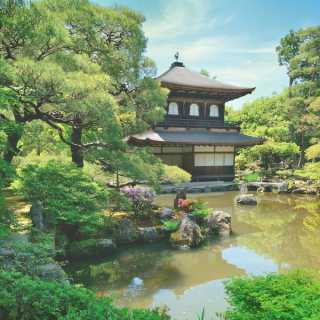
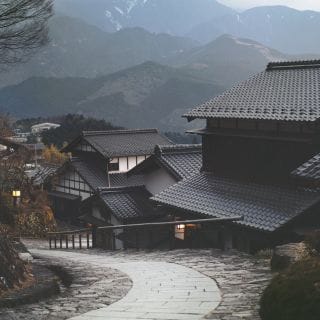
The Japanese countryside has a quiet magic — misty mountains, empty roads lined with persimmon trees, and homes that whisper stories of generations past.
If you’ve dreamed of owning a home in rural Japan, the good news is: it might be more affordable than you think.
Let’s explore what countryside homes really cost, and what to expect when looking for your own quiet slice of Japan 🍃
🏡 1. Some Homes Are Shockingly Cheap
Yes, you can find houses for under ¥2 million ($13,000 USD) — sometimes even for free.
These are often called akiya (空き家), or vacant homes, left behind as younger generations move to cities.
Many municipalities list them on akiya banks — online databases of rural homes for sale.
But: these homes usually need serious renovations.
🧱 2. Mid-Range Homes Are Still Inexpensive
If you’re looking for something livable without major repairs, expect prices between:
- ¥5 million–¥15 million ($33,000–$100,000 USD)
- Often includes 2–4 bedrooms and a bit of land
- Found in towns within 1–2 hours of cities like Kyoto, Fukuoka, or Sapporo
These homes might be dated (hello, 1970s kitchen), but structurally sound.
🚜 3. Larger Farmhouses and Land = More Cost
Traditional kominka (古民家) — big wooden farmhouses with tiled roofs — are popular with dreamers and renovators.
- Prices can range from ¥10 million to ¥30 million
- You often get spacious interiors, rice fields, even a mountain view
- But upkeep and heating can be expensive
✨ These are best for those ready for a slower, hands-on lifestyle.
🔧 4. Renovation Costs Can Add Up
Renovating an older home can cost more than the purchase price itself.
- Simple repairs: ¥2–5 million
- Full remodel: ¥10 million+
Especially if you need to redo plumbing, insulation, or roofing.
Tip: Some regions offer grants or subsidies for fixing up akiya homes — especially if you move there full-time.
🗾 5. Region Makes a Big Difference
Prices vary widely depending on location:
- Tottori, Shimane, Akita: among the cheapest
- Nagano, Yamanashi, Kagawa: popular with expats, still affordable
- Kyoto countryside, Hokkaido, rural Shizuoka: mid-range and scenic
- Close to Tokyo/Kyoto: expect higher prices and more competition
Check how close you are to grocery stores, hospitals, and train lines — it matters more than it might seem.
🪵 6. Foreign Buyers Are Welcome (Mostly)
In Japan, foreigners can legally buy land and homes — no special visa required.
But:
- You’ll need a local address to register property
- Some rural banks won’t offer mortgages to non-residents
- It’s often a cash-based market
Many buyers use Japanese-speaking agents or akiya support services to help navigate the process.
🛖 7. You Might Not Need to Buy at All
Some akiya are available for long-term lease or “free rent” if you agree to renovate or live there for a set number of years.
A few towns even offer incentives like:
- ¥1 million+ in relocation grants
- Free nursery school or tax discounts
- Business startup support
Perfect for creatives, remote workers, or anyone craving space and calm.
🌿 Final Thoughts: A Slower, Simpler Life
A house in the Japanese countryside isn’t just real estate — it’s a lifestyle choice.
One of slower mornings, woodsmoke in winter, and the quiet hush of falling snow.
Whether you spend ¥1 million or ¥30 million, the real value is in the rhythm of rural living.
And that?
Is priceless.